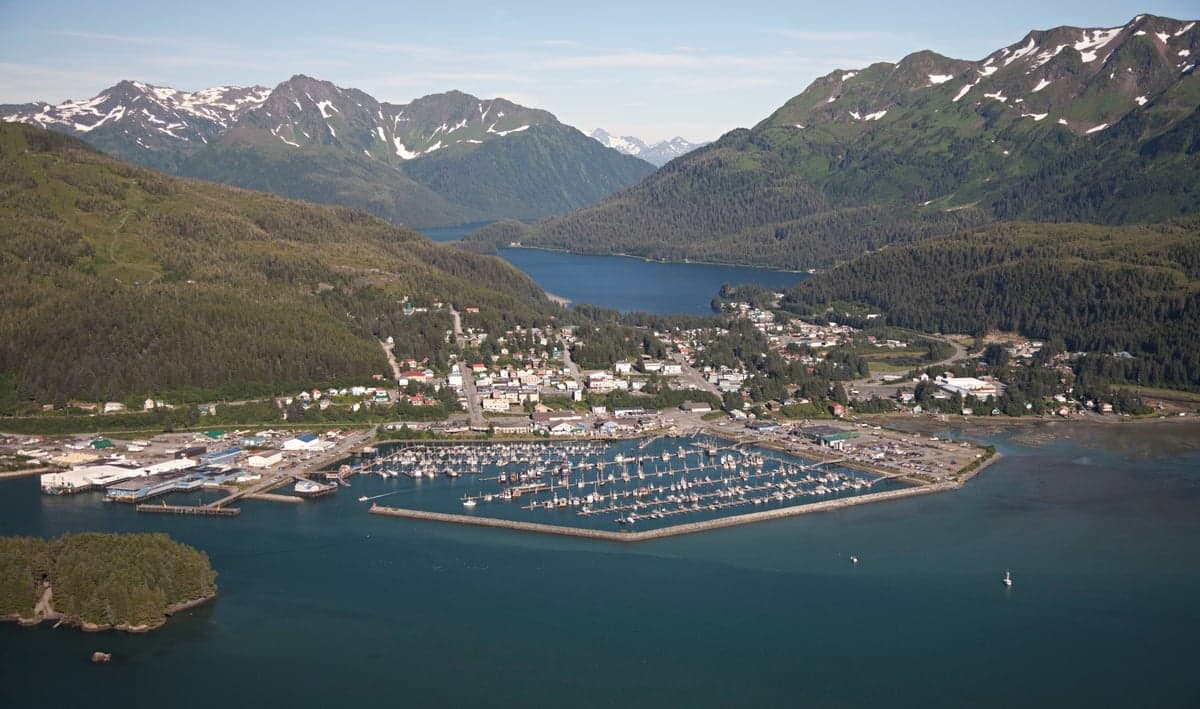
Photo: Wikipedia
Strategic Assessment of Cordova, AK
Strong survivability profile. Good buffer from population centers, with manageable environmental and tactical risks.
What does the Strategic Assessment tell us?
Our Strategic Assessment grades tactical survivability of an area. Major population centers, military targets, fallout zones, natural disasters, and border exposure all drive risk — lower exposure means a more defensible position in a crisis.
This is heavily inspired by Joel Skousen's Strategic Relocation book. Highly recommended you checkout the book ($)What does this tell us?
Our Strategic Assessment grades tactical survivability of an area. Major population centers, military targets, fallout zones, natural disasters, and border exposure all drive risk — lower exposure means a more defensible position in a crisis.
This is heavily inspired by Joel Skousen's Strategic Relocation book. Highly recommended you checkout the book ($)Strategic Pillars

Key Distances
Regional Safe Places
Below is our recommended "safe zones" in Alaska and the surrounding area based on our strategic heuristics. For most people, it's unrealistic to live in a “safe zone” full-time due to work, family or other personal reasons. They tend to be more rural. However, many of these areas are perfect for second homes and retreat properties that double as a vacation home or even a short-term rental.
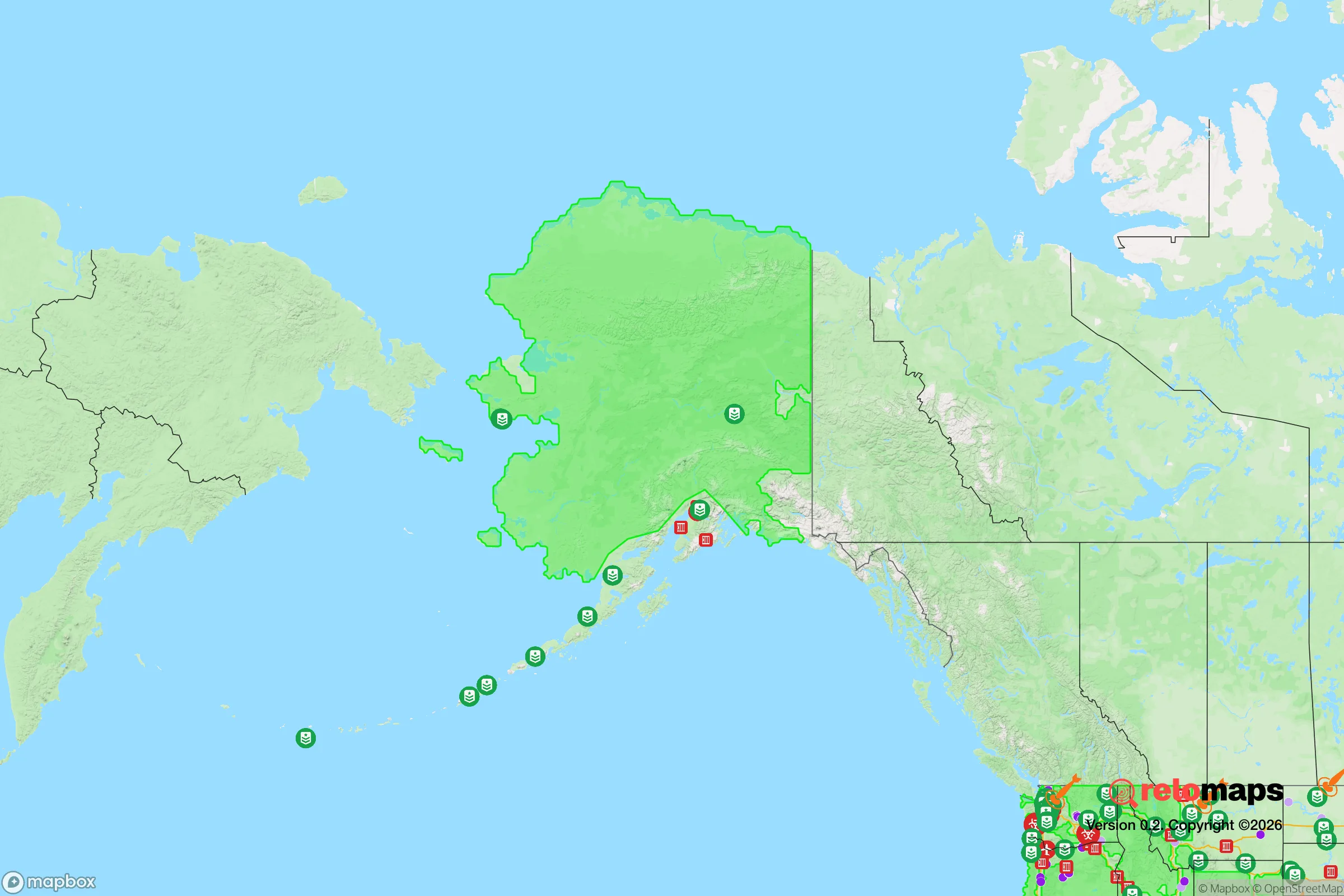
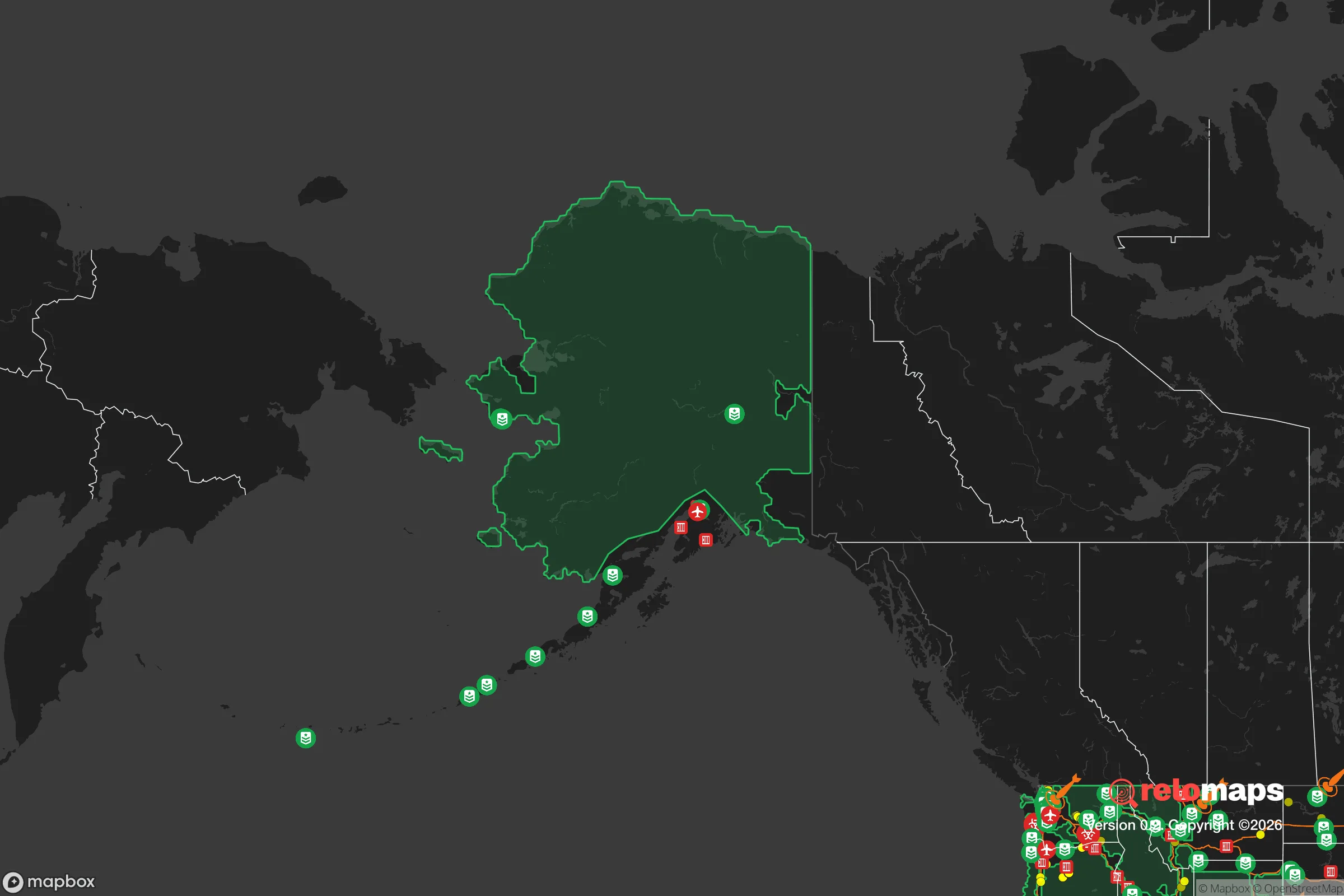


Important Note: For informational purposes only. This does not mean nothing bad ever happens in the green zones. Please use common sense. This is based on public data and modeled with AI. We tried to take a conservative approach but mistakes happen. We update this regularly as new information becomes available.
Solar Generator Recommendations
Backup power matters more here than in safer locations. We've picked three solar generators across budgets and capacity tiers — start with the budget unit if you only need a few essentials, or step up if you want to run a fridge and HVAC for days at a time.

Jackery Portable Power Station Explorer 300
Budget OptionPower on the Go: Weighing only 11 lbs, it's convenient to set up and store with book-sized foldable solar panels

BLUETTI Portable Power Station AC180
Designed for both indoor and outdoor scenarios, AC180 is highly capable as it has a robost capacity and continuous output power.

EF ECOFLOW DELTA Pro Ultra Power Station
Upgraded PickEcoFlow DELTA Pro Ultra is a whole-home energy system designed to grow with your family. Integrated with the Smart Home Panel 2, it scales to meet your evolving energy needs — keeping your home powered, intelligent, and secure through every stage of life.
We earn a commission, at no additional cost to you.
Strategic Assessment Analysis
Cordova, Alaska, sits as one of the most strategically resilient locations in North America for those prioritizing long-term preparedness and self-reliance. This isolated fishing community, accessible only by air or sea, offers a genuine buffer from the cascading failures that threaten urban centers, while maintaining access to critical marine resources. For the conservative prepper or survivalist, Cordova represents a rare combination of natural abundance, geographic defensibility, and low-profile existence, though it demands a serious commitment to self-sufficiency and a tolerance for extreme isolation.
Geographic isolation and natural buffer zones for long-term security
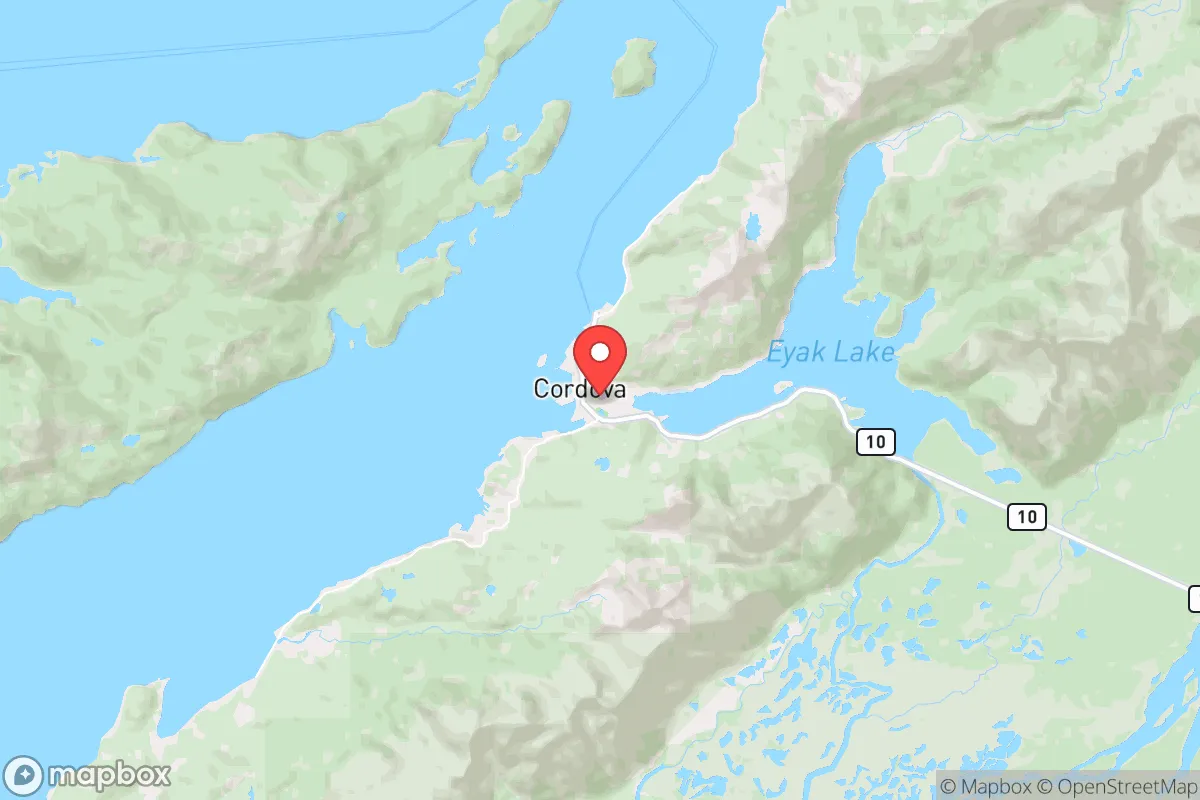
Cordova’s primary strategic advantage is its complete lack of road access to the rest of Alaska or Canada. The nearest highway is roughly 50 miles away as the crow flies, but the terrain—glaciers, mountains, and the Copper River Delta—makes overland travel virtually impossible without specialized equipment and local knowledge. This natural moat means that during a national crisis, mass migration or refugee flows from Anchorage (200 miles west) or Fairbanks (350 miles north) are unlikely to reach Cordova. The town sits on Orca Inlet, part of Prince William Sound, with the Chugach Mountains rising directly behind it. This geography provides a natural defensive perimeter: any approach by land would require crossing the massive Copper River Delta or navigating steep, unmaintained mountain passes. The only practical access is by air (the Merle K. Mudhole Smith Airport) or by sea through the protected waters of the Sound. Both chokepoints can be monitored and, if necessary, controlled by a small, determined community. For the relocator, this isolation means you are not just far from the problems—you are effectively invisible to the systems that will collapse first.
Risk exposure, proximity to fallout zones, and infrastructure vulnerabilities
No location is without risk, and Cordova has specific vulnerabilities that must be weighed. The most obvious is its position in a seismically active region. The 1964 Good Friday earthquake, centered near Prince William Sound, devastated the town and triggered a tsunami that destroyed the original waterfront. Modern building codes and a tsunami warning system exist, but a major quake would still disrupt the airport, docks, and power grid for weeks or months. The town sits at sea level, so any tsunami event requires immediate evacuation to higher ground—pre-planned routes exist, but they are not a guarantee. Regarding fallout from nuclear events or industrial accidents, Cordova’s distance from major targets is a clear positive. The nearest potential strategic target is Joint Base Elmendorf-Richardson in Anchorage, 200 miles away. The prevailing winds blow from the west, meaning fallout from an Anchorage strike would likely be carried eastward over the Gulf of Alaska, not directly toward Cordova. However, the town is within 100 miles of the Trans-Alaska Pipeline terminus at Valdez, a critical energy infrastructure node that could be a target in a conflict. A strike on Valdez would put Cordova downwind and downstream, potentially contaminating the marine food web that the town depends on. The port and airport are also single points of failure: if the dock is destroyed or the runway is damaged, resupply becomes impossible until repairs are made. For the prepper, this means stockpiling must be robust and redundant, and you must assume that outside help will not arrive for months.
Practical resilience: food, water, energy, and defensibility for a relocator
Cordova’s practical resilience is anchored in its marine environment. The Copper River Delta and Prince William Sound provide some of the most productive salmon and halibut fisheries in the world. A motivated individual with a skiff and a net can harvest enough fish to feed a family for a year, and the local culture already revolves around subsistence fishing and hunting. Moose, deer, and bear are present in the surrounding forests, and berry picking is a seasonal staple. Fresh water is abundant from glacial streams and rainfall, though treatment or boiling is necessary due to wildlife and glacial silt. The town’s power comes from the Cordova Electric Cooperative, which relies on hydroelectricity from the nearby Power Creek and Crater Lake projects, supplemented by diesel generators. This is a mixed blessing: hydro is renewable and local, but the diesel backup requires a steady fuel supply that could be disrupted. Solar is marginal due to heavy cloud cover and short winter days, but micro-hydro or wind turbines on the surrounding ridges are viable for off-grid setups. Defensibility is high by default: the town’s small population (around 2,500) means everyone knows everyone, and outsiders are immediately noticed. The single road network within town is easily barricaded, and the surrounding terrain offers numerous natural hide sites for a retreat cabin. However, the social compact is tight—you cannot remain anonymous. For the conservative relocator, this means you must integrate into the community, contribute to its resilience, and respect its existing norms. The prepper who arrives with a bunker mentality and a stockpile of weapons will be viewed with suspicion, not welcomed. The smart approach is to build relationships, learn the local fishing and hunting practices, and offer skills (medical, mechanical, construction) that the community needs.
The overall strategic picture for Cordova is one of high reward paired with high commitment. It offers genuine isolation from the collapse of urban systems, abundant natural resources, and a defensible geography that few other locations in the Lower 48 can match. The risks—earthquake, tsunami, supply chain fragility, and the social demands of a small community—are manageable with proper planning and a willingness to adapt. For the conservative individual or family seeking a location where self-reliance is not a hobby but a way of life, Cordova is a top-tier option. It is not a place for those who need convenience, medical specialists, or a quick escape. But for those who understand that the future may require a hard reset, this remote Alaskan town offers a foundation that is both physically secure and culturally aligned with the values of independence, hard work, and community accountability. The key is to arrive prepared, not just with gear, but with the mindset that you are joining a resilient outpost, not hiding from the world.

* Values derived from national, state, county, city and local statistics and may differ in a specific area. Last updated: 2026-04-19T19:16:19.000Z
Narrative content on this page is AI-generated and may contain mistakes. Verify any details that matter before acting on them.
ReloMaps may earn a commission from affiliate links at no extra cost to you.

