Photo: Wikipedia
Quality of Life in Cripple Creek, CO
Above-average quality of iife. The area offers a reasonable cost of living, decent mobility, and a mix of neighborhood amenities.
What does Quality of Life tell us?
Quality of Life blends cost of living, nearby amenities, socioeconomic signals, and neighborhood character. City-level scores represent the whole municipality; individual neighborhoods can differ.
What does this tell us?
Quality of Life blends cost of living, nearby amenities, socioeconomic signals, and neighborhood character. City-level scores represent the whole municipality; individual neighborhoods can differ.
Cost of Living
10% below national average
The Real Cost of Living in Cripple Creek, CO for 2026
| Tier | Individual | Family (4) |
|---|---|---|
| Survival | $17k | $32k |
| Comfortable | $48k | $70k |
| Luxury | $71k+ | $110k+ |
| Elite (Top 5%) | $91k+ | $141k+ |
56%
The Area Signal
A metric tracking the socioeconomic signals of the area.
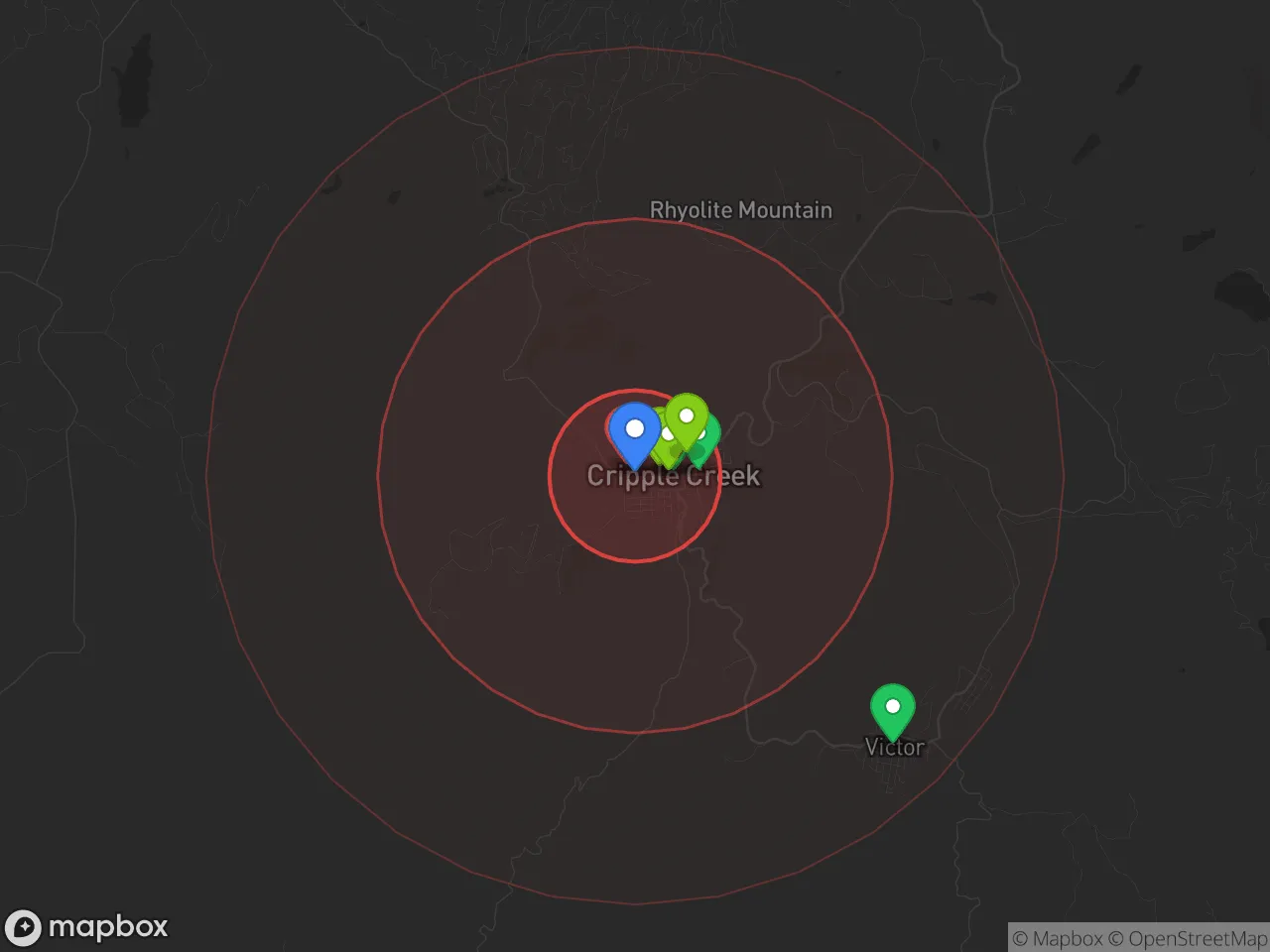
Hobbies
Explore the areaGroceries
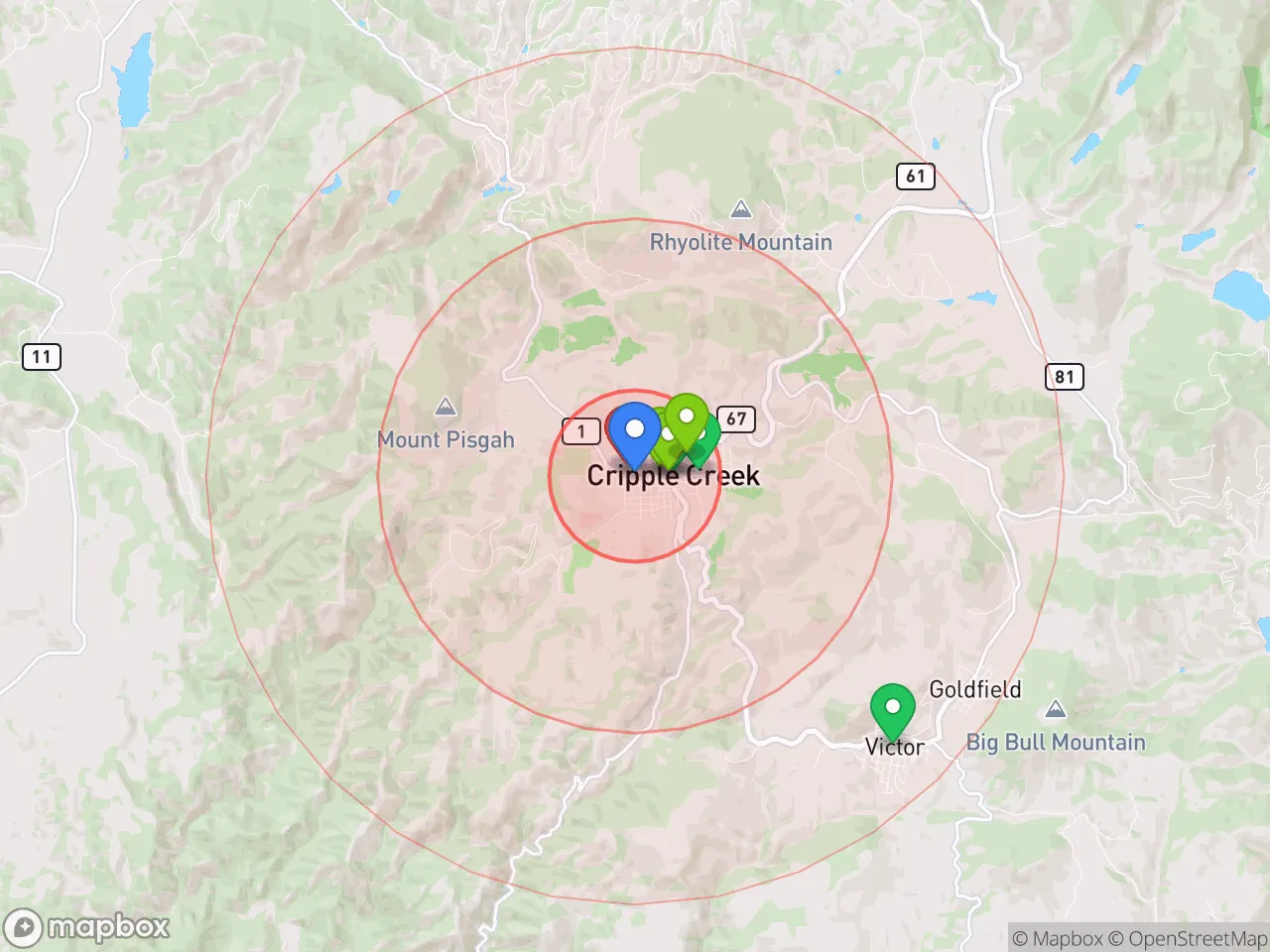
0 within 10 miles
Gas
3 within 10 miles
Hospital
1 within 20 miles
Airport
DEN — Denver International
Post Office
USPS — Cripple Creek, CO
Critical Amenities
Quality-of-Life Analysis
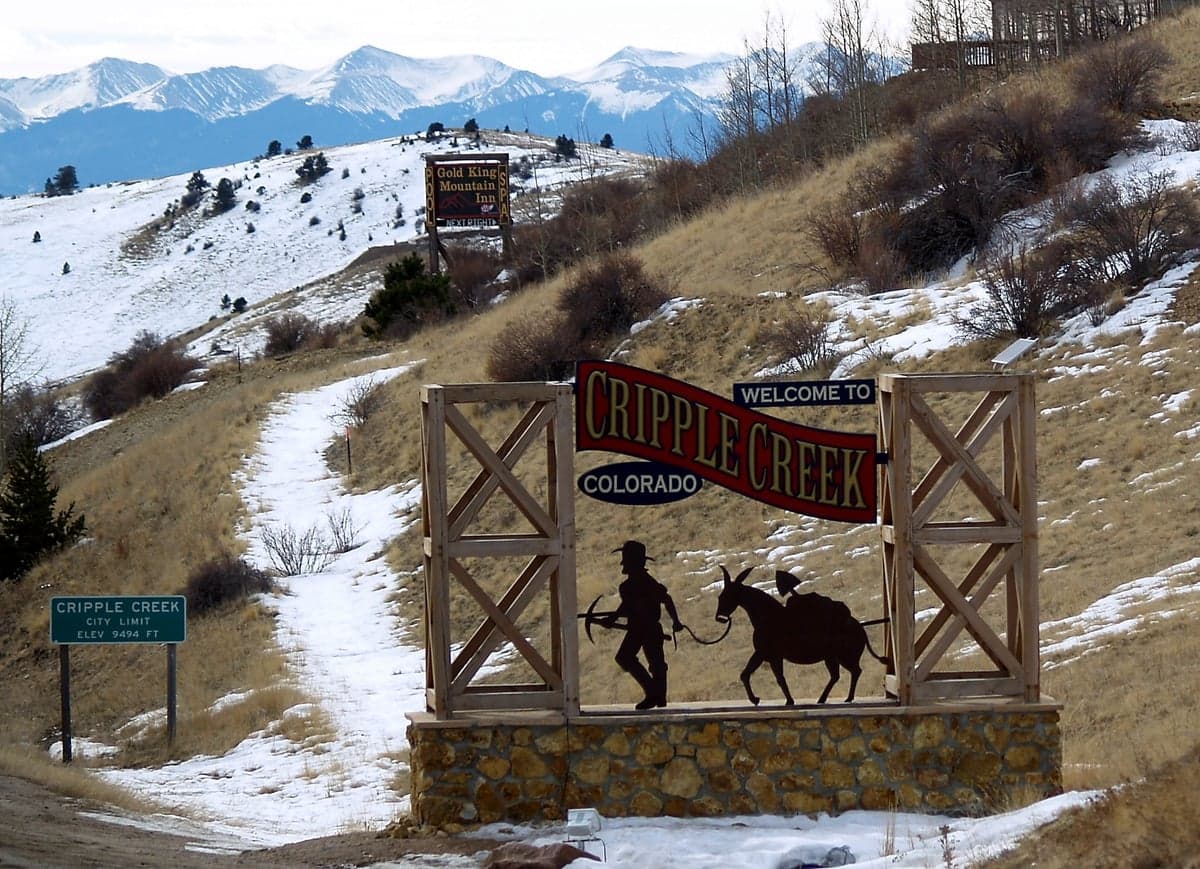
Cripple Creek, Colorado, presents a distinctive quality-of-life profile shaped by its history as a gold-mining boomtown and its current identity as a small mountain gambling hub. The area’s affluence is modest compared to Colorado’s Front Range suburbs, with a cost of living index of 90 (10% below the U.S. average) and a median household income that trails state norms. The population skews older and more transient, with many residents working in the casino, hospitality, and tourism sectors, while a smaller cohort of remote workers and retirees are drawn by the low housing costs and dramatic mountain scenery.
Cost of living, housing affordability, and how Cripple Creek compares to nearby towns
Cripple Creek’s cost of living is a clear draw, sitting well below Colorado’s statewide index of roughly 105. The median home value of $244,600 is dramatically lower than in Colorado Springs (about $450,000) or Woodland Park (around $420,000), making it one of the most affordable housing markets in Teller County. Median rent of $1,078 is similarly low — about 30% less than the Colorado Springs metro average. However, this affordability comes with trade-offs: the housing stock is older, with many homes dating to the late 19th and early 20th centuries, and inventory is limited. New construction is sparse due to mountainous terrain and strict land-use regulations. For comparison, nearby Victor offers even lower prices but fewer services, while Divide and Florissant have higher land costs and less rental availability. Property taxes in Teller County are moderate, around 0.5% of assessed value, keeping monthly carrying costs low for homeowners.
What daily life is like for families and retirees: amenities, schools, and local rhythm
Daily life in Cripple Creek revolves around a small-town, tourism-driven economy. The main commercial corridor along Bennett Avenue is lined with casinos, souvenir shops, and historic saloons, which draw visitors year-round but can feel crowded on weekends and during summer festivals. Grocery shopping is limited to a single small market; most residents drive 30–45 minutes to Woodland Park or Colorado Springs for full-service supermarkets, big-box retailers, and medical care. The Cripple Creek-Victor School District serves roughly 400 students across one elementary, one middle, and one high school, with graduation rates around 85% — slightly below the state average of 81%. Class sizes are small, and the district offers outdoor education programs leveraging the surrounding Pike National Forest. For retirees, the pace is quiet and walkable in the historic core, but healthcare access is a concern: the nearest hospital is in Woodland Park (UCHealth Pikes Peak Regional Hospital), 25 miles away. Winter snow can isolate the town for short periods, as Highway 67 is prone to closures during heavy storms.
The type of person who thrives in Cripple Creek is someone who values extreme affordability and mountain solitude over urban convenience and career opportunity. Remote workers with stable incomes can stretch their dollars significantly here, while casino employees and hospitality workers benefit from low rent. Retirees on fixed incomes will find the housing costs freeing, provided they are comfortable with limited healthcare access and a 45-minute drive for most services. Families should weigh the small-school environment against the lack of after-school activities and the long commute to jobs or specialized care. Those seeking a vibrant social scene or high-end dining will be disappointed; those seeking a quiet, historic, low-cost base for outdoor recreation — hiking, off-roading, and gold-panning in the surrounding San Isabel National Forest — will find Cripple Creek a uniquely affordable mountain enclave.

Crime in Cripple Creek, CO
Lower crime rates than 83% of comparable U.S. locations.
Violent CrimeViolent Crime Analysis
Property CrimeProperty Crime Analysis
Crime Analysis
Cripple Creek, Colorado, presents a sharply divided safety profile. While the town's violent crime rate of 89.7 incidents per 100,000 residents is remarkably low—roughly one-quarter the national average—its property crime rate of 3,587.4 per 100,000 is nearly double the national figure, placing it among the higher-risk small towns in Teller County for theft and burglary. This contrast means that while the risk of a violent encounter is minimal, residents and visitors face a significantly elevated chance of property-related offenses.
Crime in context
To understand Cripple Creek's numbers, they must be compared against broader benchmarks. The national violent crime rate sits around 380 per 100,000, making Cripple Creek's rate roughly 76% lower. Colorado's statewide violent crime rate is approximately 330 per 100,000, so the town is a clear outlier for safety in that category. However, the property crime picture is starkly different. The national property crime rate is about 1,950 per 100,000; Cripple Creek's rate of 3,587.4 is 84% higher. This places the town in the 85th percentile nationally for property crime, meaning it has more theft, burglary, and larceny than the vast majority of U.S. communities. The driving factor is almost certainly the town's casino and tourism economy, which draws transient populations and creates dense, cash-heavy targets for opportunistic crime.
What residents experience
For those living in Cripple Creek, daily life is shaped by this property-crime reality. Residents report that vehicle break-ins and thefts from unlocked cars are the most common nuisance, particularly near the historic downtown and casino parking areas. Burglaries of vacation homes and seasonal properties also occur with some frequency. The violent crime that does happen is typically non-random—often involving disputes among individuals known to each other or incidents tied to the late-night bar and casino scene. The local police department is small but responsive, and the town's compact geography means patrols are frequent. That said, the sheer volume of daily visitors—over a million annually—overwhelms the ability to prevent every property crime. Locking vehicles, securing valuables, and using exterior lighting are not optional precautions here; they are essential habits.
Neighborhood-level variation
Crime is not evenly distributed across Cripple Creek. The highest concentration of property offenses occurs within a two-block radius of the main casino corridor on Bennett Avenue, where foot traffic is heaviest and anonymity is greatest. Residential areas farther from the downtown core, particularly the newer subdivisions on the town's western edge and the hillside homes along Teller County Road 81, see far fewer incidents. The historic district, while charming, has older homes with less secure doors and windows, making them slightly more vulnerable. Overall, neighborhoods with limited tourist footfall and lower rental density experience property crime rates that are roughly 40-50% lower than the town average. For prospective residents, choosing a home away from the casino zone and investing in a good security system are the most effective ways to mitigate the town's primary safety concern.
* Values derived from national, state, county, city and local statistics and may differ in a specific area. Last updated: 2026-04-29T01:05:29.000Z
Narrative content on this page is AI-generated and may contain mistakes. Verify any details that matter before acting on them.
ReloMaps may earn a commission from affiliate links at no extra cost to you.

