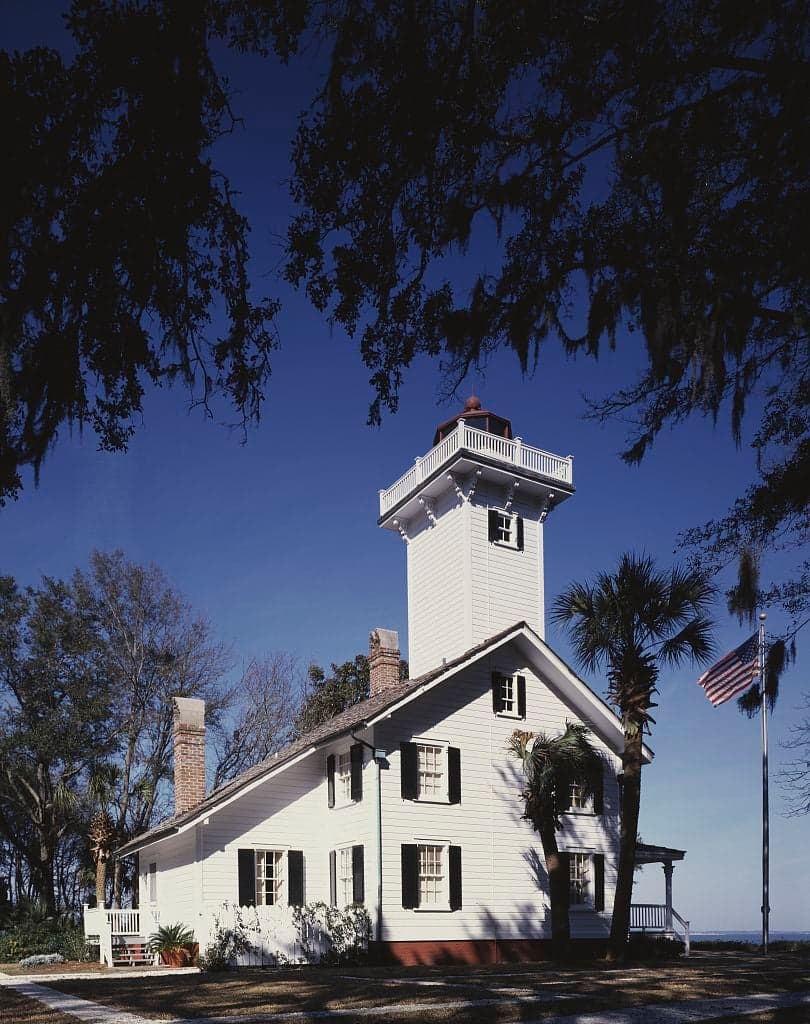
Photo: Wikipedia
Find The Best Places To Live
in Daufuskie Island
PRO TIP! You can paste a Zillow or Redfin link to get info on that property.
What It's Like Living in Daufuskie Island, SC
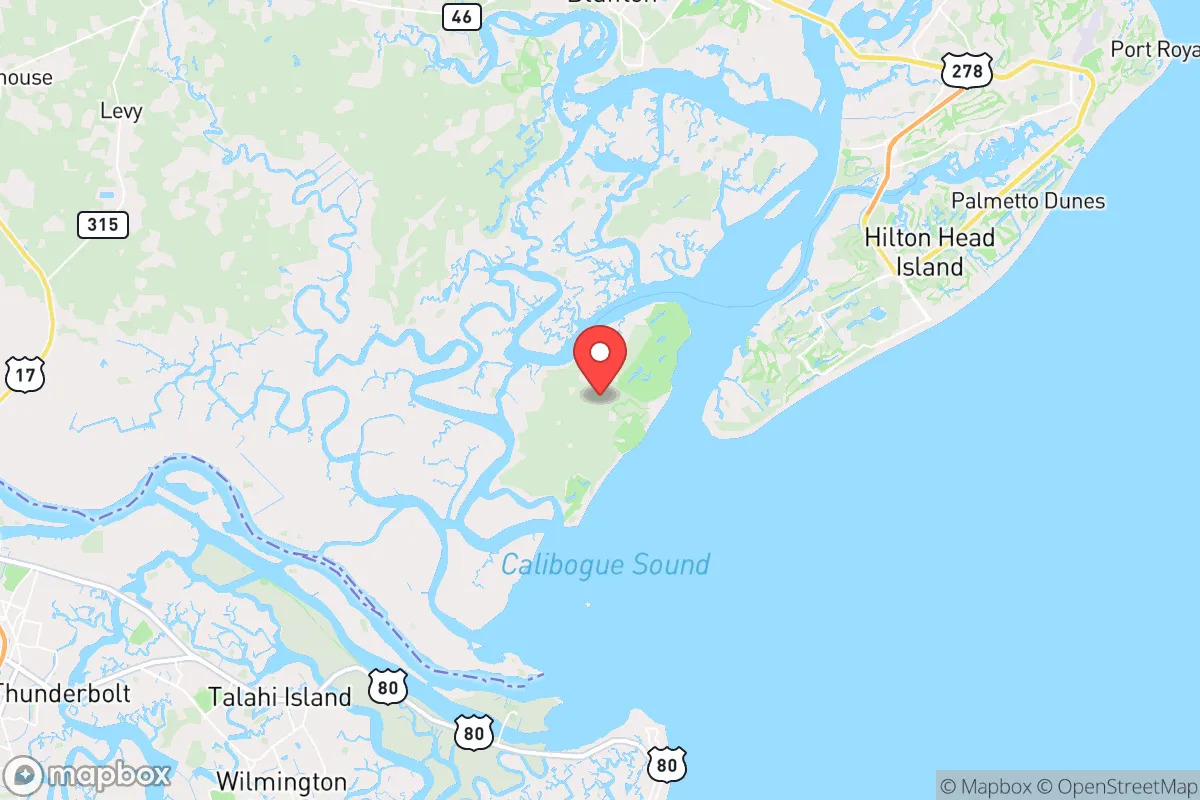
Daufuskie Island, South Carolina, feels less like a town and more like a carefully kept secret—a 5-mile-long, car-free barrier island where the Lowcountry’s rhythm hasn’t been drowned out by development. With a year-round population hovering around 636 residents, it’s a place where the only traffic jams involve golf carts, and the loudest noise is often the tide rolling in. Living here means trading convenience for quiet, and embracing a lifestyle that’s equal parts rustic luxury and deliberate isolation.
The Daily Rhythm: Golf Carts, Ferries, and Slow Mornings
Daily life on Daufuskie revolves around the water and the absence of cars. Residents get around by golf cart, bicycle, or on foot, and every trip to the mainland requires a ferry ride—about 25 minutes to Hilton Head or Savannah. The average commute of 25.6 minutes is deceptive; that’s mostly the boat ride, not bumper-to-bumper traffic. Shopping is limited to a small general store and a handful of local markets, so most residents plan weekly supply runs to the mainland. Weekends are spent kayaking through tidal creeks, fishing off the beach, or gathering at the Freeport Marina for sunset drinks. The island’s two private clubs—Haig Point Club and Melrose Club—anchor social life, offering golf, tennis, and dining for members, but public spots like the Daufuskie Island Rum Company tasting room keep things grounded for everyone else.
Who Fits In: Retirees, Remote Workers, and the Self-Sufficient
Daufuskie isn’t for everyone, and that’s by design. The median age of 57.7 and a median household income of $153,821 point to a community of affluent retirees, remote professionals, and second-home owners who value privacy over nightlife. With 83.9% of adults holding a college degree, it’s a highly educated population that tends to be politically independent or conservative-leaning—people who moved here specifically to escape the pace of suburban life. Single individuals and parents should know: this is not a place for young families seeking school sports or playdates. The island has no public schools; children take the ferry to Hilton Head for classes. The kind of person who thrives here is someone who doesn’t mind planning ahead, who finds joy in self-reliance, and who sees a 30-minute boat ride as a feature, not a bug.
Sports, Festivals, and What Passes for Nightlife
Don’t come to Daufuskie expecting Friday night lights or pro sports bars. The island has no high school sports teams—kids play for Hilton Head High School, a 30-minute ferry ride away. Community energy instead centers on the Daufuskie Island Gullah Festival each spring, celebrating the island’s deep Gullah-Geechee heritage with storytelling, crafts, and seafood. The Daufuskie Island Historical Foundation runs tours of the old First Union African Baptist Church and the Billie Burn Museum, both of which draw history buffs year-round. For outdoor recreation, the Daufuskie Island Preserve offers miles of hiking and birding trails, while the beach at Haig Point is a quiet spot for shelling. The only real “nightlife” is a dinner at Lucy Bell’s Café or a drink at the Old Daufuskie Crab Company, where locals swap stories and watch the sun drop into the marsh.
Pros and Cons of Living Here: What Residents Actually Say
- Pro: Unmatched peace and quiet. No cars, no chain stores, no light pollution. The night sky is genuinely dark, and the sound of waves is the constant soundtrack.
- Con: Isolation is real. The ferry schedule dictates your life. Miss the last boat, and you’re stuck on the mainland. Medical emergencies require a boat or helicopter—the nearest hospital is on Hilton Head.
- Pro: Strong community bonds. With so few people, everyone knows everyone. Neighbors help with groceries, share ferry rides, and look out for each other’s property.
- Con: High cost of logistics. Everything—groceries, building supplies, even mail—costs more because it has to come by boat. The cost of living index is 92 (below the US average), but that’s deceptive; it’s low only because housing is cheaper. Daily expenses run high.
- Pro: Low housing prices for the coast. The median home value is $236,700, a fraction of what you’d pay on Hilton Head or Savannah. You get a lot of land and privacy for the money.
- Con: Crime is a concern. The violent crime rate of 370.4 per 100,000 is above the national average, though residents say it’s mostly property crime tied to transient workers and unoccupied vacation homes.
Weather, Seasons, and the School Question
The island’s subtropical climate means mild winters (average January highs around 58°F) and long, humid summers where the heat can feel oppressive from June through September. Hurricane season (June–November) is taken seriously; residents know the evacuation routes and ferry schedules by heart. Spring and fall are glorious—perfect for beach walks and outdoor dinners. For families, the lack of on-island schools is the biggest hurdle. Children take the Daufuskie Island Ferry to Hilton Head every school day, a routine that builds resilience but also limits after-school activities and social connections with mainland kids. Most parents who stay long-term either homeschool or accept the commute as part of the island’s trade-off.
Living on Daufuskie Island is a deliberate choice—one that rewards patience, self-sufficiency, and a deep appreciation for the Lowcountry’s raw beauty. It’s not for the person who wants convenience, nightlife, or a traditional suburban life. But for those who value silence, space, and a community that knows your name, it’s hard to imagine being anywhere else.

Similar small towns to Daufuskie Island
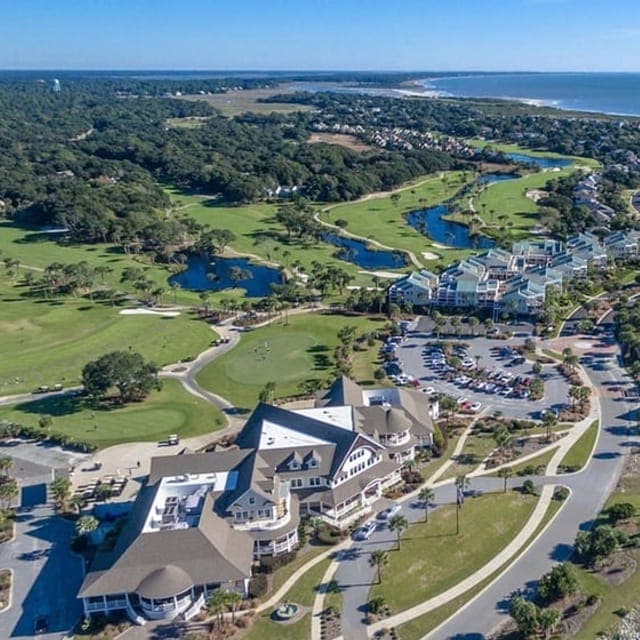
* Values derived from national, state, county, city and local statistics and may differ in a specific area. Last updated: 2026-05-11T15:12:29.000Z
Narrative content on this page is AI-generated and may contain mistakes. Verify any details that matter before acting on them.
ReloMaps may earn a commission from affiliate links at no extra cost to you.

