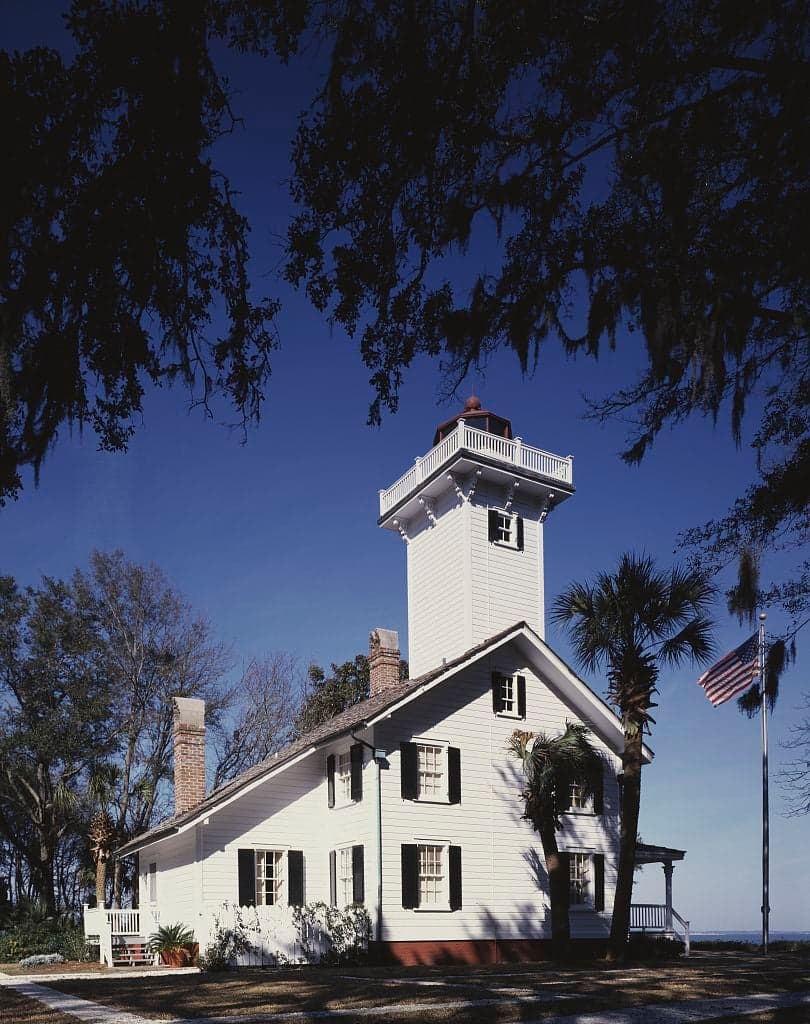
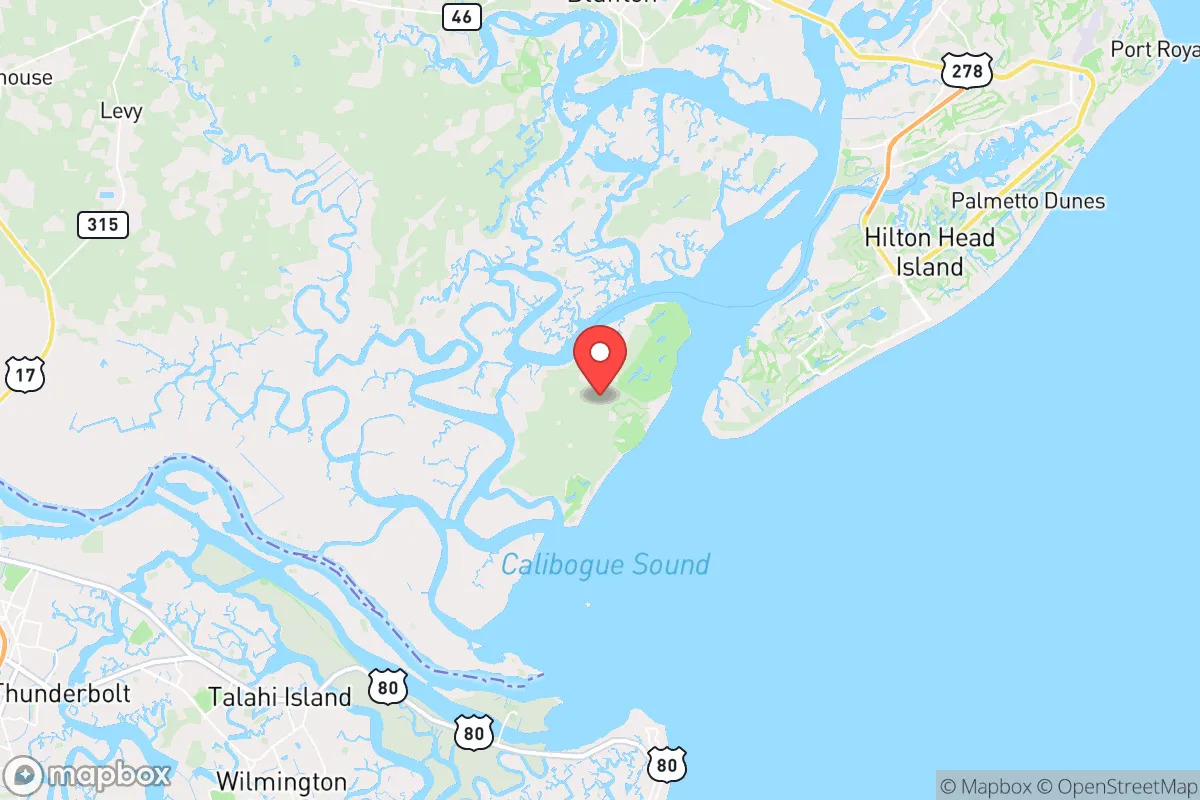
Photo: Wikipedia
Quality of Life in Daufuskie Island, SC
A high quality of life with strong walkability, manageable living costs, healthy neighborhood signals, and solid amenity access.
What does Quality of Life tell us?
Quality of Life blends cost of living, nearby amenities, socioeconomic signals, and neighborhood character. City-level scores represent the whole municipality; individual neighborhoods can differ.
What does this tell us?
Quality of Life blends cost of living, nearby amenities, socioeconomic signals, and neighborhood character. City-level scores represent the whole municipality; individual neighborhoods can differ.
Cost of Living
8% below national average
The Real Cost of Living in Daufuskie Island, SC for 2026
| Tier | Individual | Family (4) |
|---|---|---|
| Survival | $18k | $34k |
| Comfortable | $46k | $68k |
| Luxury | $130k+ | $202k+ |
| Elite (Top 5%) | $153k+ | $237k+ |
228%
* median home value, median rent, and top-5% income substituted from state-level data — local Census figures unavailable for small populations
The Area Signal
A metric tracking the socioeconomic signals of the area.
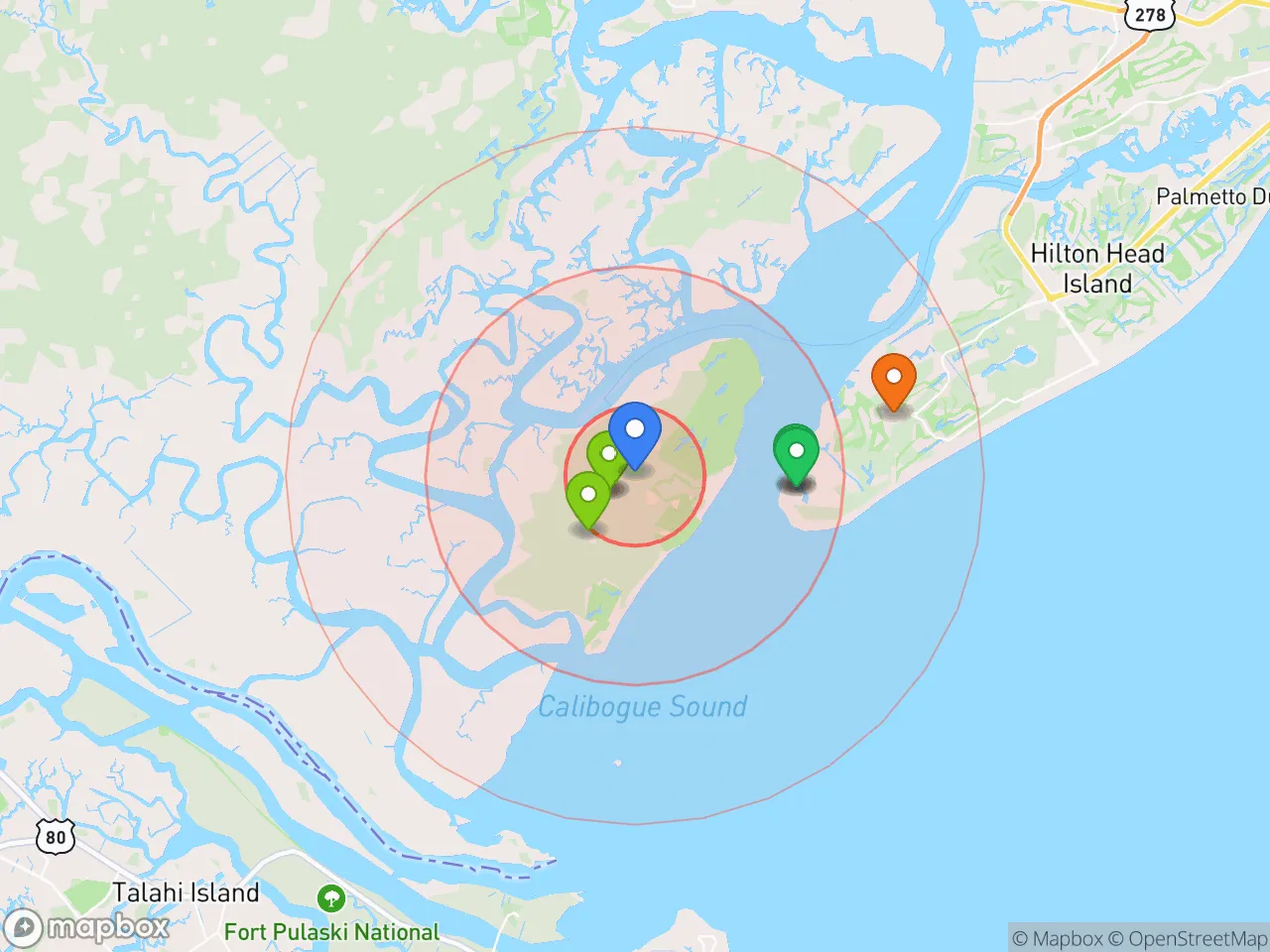
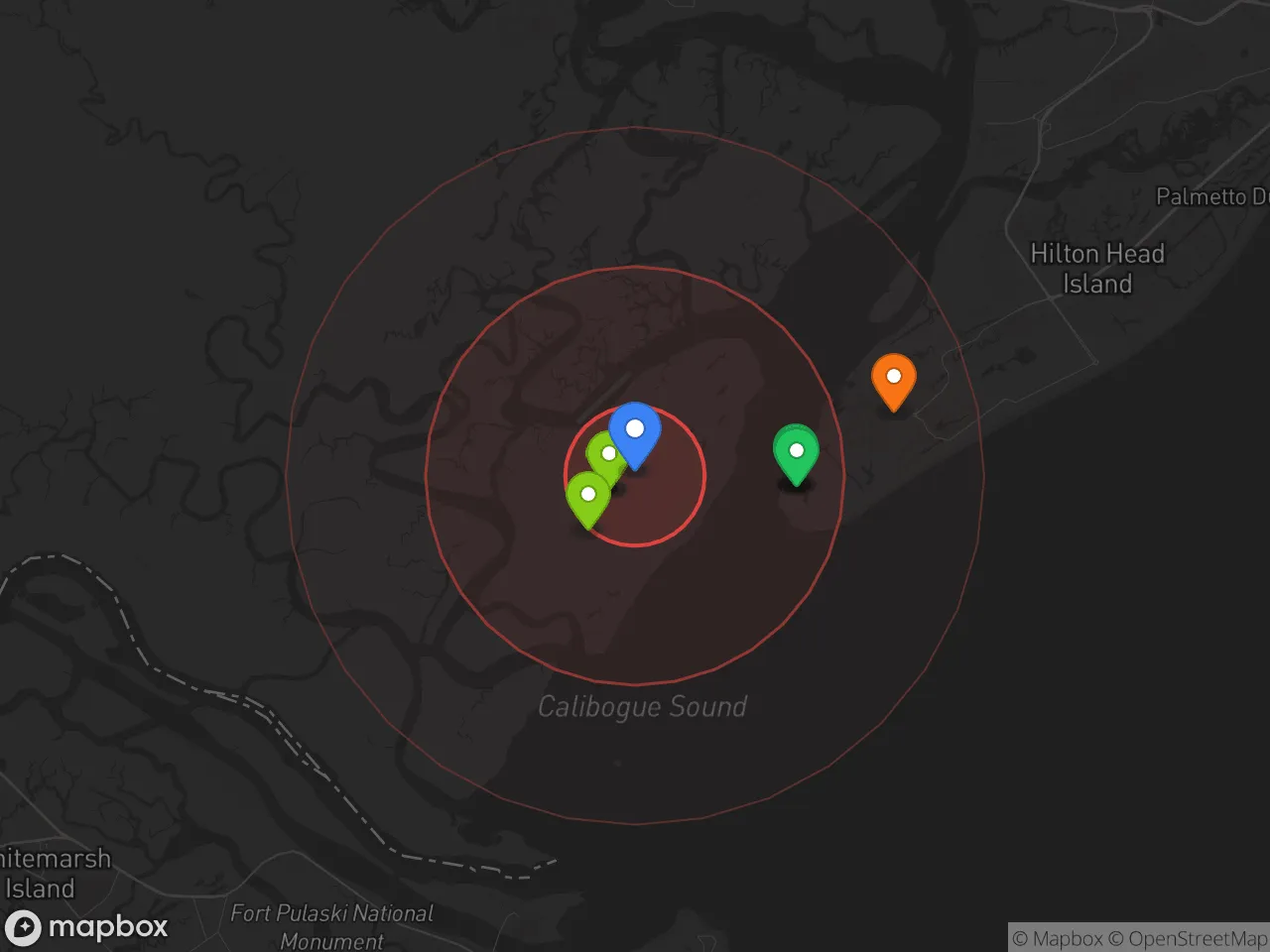
Hobbies
Explore the areaGroceries
9 within 10 miles
Gas
20 within 10 miles
Hospital
14 within 20 miles
Airport
CLT — Charlotte Douglas International
Post Office
USPS — Hilton Head Island, SC
Critical Amenities
Quality-of-Life Analysis
Daufuskie Island, South Carolina, offers a quality of life defined by seclusion, natural beauty, and a pace far removed from the mainland, attracting a mix of retirees, second-home owners, and creative professionals who prioritize tranquility over convenience. With a cost of living index of 92 (8% below the U.S. average), the island is surprisingly affordable for a barrier-island community, though its unique access challenges—reachable only by ferry or private boat—mean residents trade urban amenities for a deeply quiet, low-density lifestyle. The population hovers around 400 year-round, creating a tight-knit, self-reliant community where neighbors know each other and daily life revolves around the tides and the island’s unpaved roads.
Cost of living, housing affordability, and how Daufuskie compares to Hilton Head and Savannah
Daufuskie’s cost of living index of 92 undercuts both nearby Hilton Head Island (index ~115) and Savannah, GA (index ~98), making it one of the more affordable coastal enclaves in the Lowcountry. The median home value of $236,700 is roughly half of Hilton Head’s median ($480,000) and comparable to rural Beaufort County averages, though inventory is extremely limited—fewer than 30 homes typically list per year. Renters find a median rent of $1,126, which is $300–$400 less than comparable rentals on Hilton Head, but options are scarce and often tied to vacation rentals. The average commute of 25.6 minutes is misleading: most residents commute by golf cart or bicycle to the island’s ferry landings, then take a 45-minute boat to Hilton Head or Savannah for work, groceries, or medical appointments. This multi-modal commute adds 2–3 hours daily for those employed off-island, a trade-off that filters out anyone not fully committed to the island’s isolation.
Daily life, amenities, and what it’s like to live without cars or chain stores
Daily life on Daufuskie revolves around its lack of cars—golf carts and bicycles are the primary transport—and its handful of community anchors: the Daufuskie Island Community School (K–5, ~20 students), the Old Daufuskie Crab Company for provisions, and the island’s two historic churches. There are no grocery stores, gas stations, or chain retailers; residents order groceries via ferry delivery from Hilton Head or grow their own in community gardens. The island’s main amenities are its 3 miles of undeveloped beaches, the Melrose and Haig Point private communities (each with golf courses and clubhouses), and the Gullah-Geechee heritage sites like the Mary Fields School and the First Union African Baptist Church. For families, the small school offers a 6:1 student-teacher ratio but no middle or high school, meaning older children must commute by ferry to Hilton Head or be homeschooled. Healthcare requires a boat trip to Hilton Head Hospital (20 minutes by ferry, then 10 minutes by car), a factor that strongly influences who can live here long-term.
Daufuskie Island is best suited for retirees, remote workers with reliable internet (Starlink is common), and artists or writers who value solitude over convenience. Families with young children may thrive in the island’s safe, nature-rich environment, but the lack of secondary education, healthcare access, and after-school activities makes it a poor fit for most. Those who stay long-term cite the absence of light pollution, the sound of waves instead of traffic, and a community where everyone helps haul groceries off the ferry as irreplaceable. For anyone needing daily access to big-box stores, urgent care, or a standard commute, Daufuskie’s quality of life will feel more like a sacrifice than a sanctuary.

Crime in Daufuskie Island, SC
Crime rates similar to the national median for U.S. locations.
Violent CrimeViolent Crime Analysis
Property CrimeProperty Crime Analysis
Crime Analysis
Daufuskie Island, South Carolina, presents a complex safety picture that diverges sharply from typical mainland communities. With a violent crime rate of 370.4 per 100,000 residents and a property crime rate of 1,632.5 per 100,000, the island's statistics are notably elevated compared to both state and national averages. However, the island's unique geography—accessible only by boat—and its small, tight-knit population of roughly 400 year-round residents create a distinct security environment that raw numbers alone do not capture.
Crime in context
Daufuskie Island's violent crime rate of 370.4 per 100,000 is roughly 10% higher than the national average of approximately 337 per 100,000 and significantly above the South Carolina state average of about 490 per 100,000. Property crime on the island, at 1,632.5 per 100,000, is about 20% higher than the national average of roughly 1,342 per 100,000, though it falls below the South Carolina state average of approximately 2,200 per 100,000. These figures place Daufuskie in a middle tier among South Carolina's coastal communities—safer than high-crime areas like Myrtle Beach but riskier than many suburban enclaves. The island's isolation means that most crime is committed by individuals who live on or have regular access to the island, as the logistical difficulty of arriving and departing by ferry or private boat acts as a natural deterrent for transient criminals.
What residents experience
For the roughly 400 year-round residents, daily life on Daufuskie is shaped by a strong sense of community vigilance. The island has no police department; law enforcement is provided by the Beaufort County Sheriff's Office, which responds by boat or helicopter, with response times that can exceed 30 minutes. Property crime—particularly theft from unoccupied vacation homes and golf carts—is the most common concern. Violent crime is rare but not unheard of, and incidents often involve individuals known to one another. The island's lack of streetlights, limited cell service, and remote beaches create opportunities for opportunistic theft, especially during the off-season when many homes sit empty. Residents typically rely on neighborhood watch networks, private security patrols, and a culture of looking out for neighbors' properties.
Neighborhood-level variation
Safety conditions vary notably across Daufuskie's distinct areas. The gated communities of Haig Point and Melrose, which feature private security and controlled ferry access, report significantly lower crime rates than the island's more accessible public areas. The Freeport and Cooper River Landing areas, which have public ferry docks and higher transient traffic, see a disproportionate share of property crimes. The island's interior, where many historic homes and undeveloped lots are located, experiences occasional trespassing and vandalism. For prospective residents or visitors, choosing a property within a managed community with active security protocols offers the most predictable safety environment, while those considering homes in more isolated or public-access areas should factor in the higher risk of property crime and the extended law enforcement response times.
* Values derived from national, state, county, city and local statistics and may differ in a specific area. Last updated: 2026-05-11T15:12:29.000Z
Narrative content on this page is AI-generated and may contain mistakes. Verify any details that matter before acting on them.
ReloMaps may earn a commission from affiliate links at no extra cost to you.

