 Popular
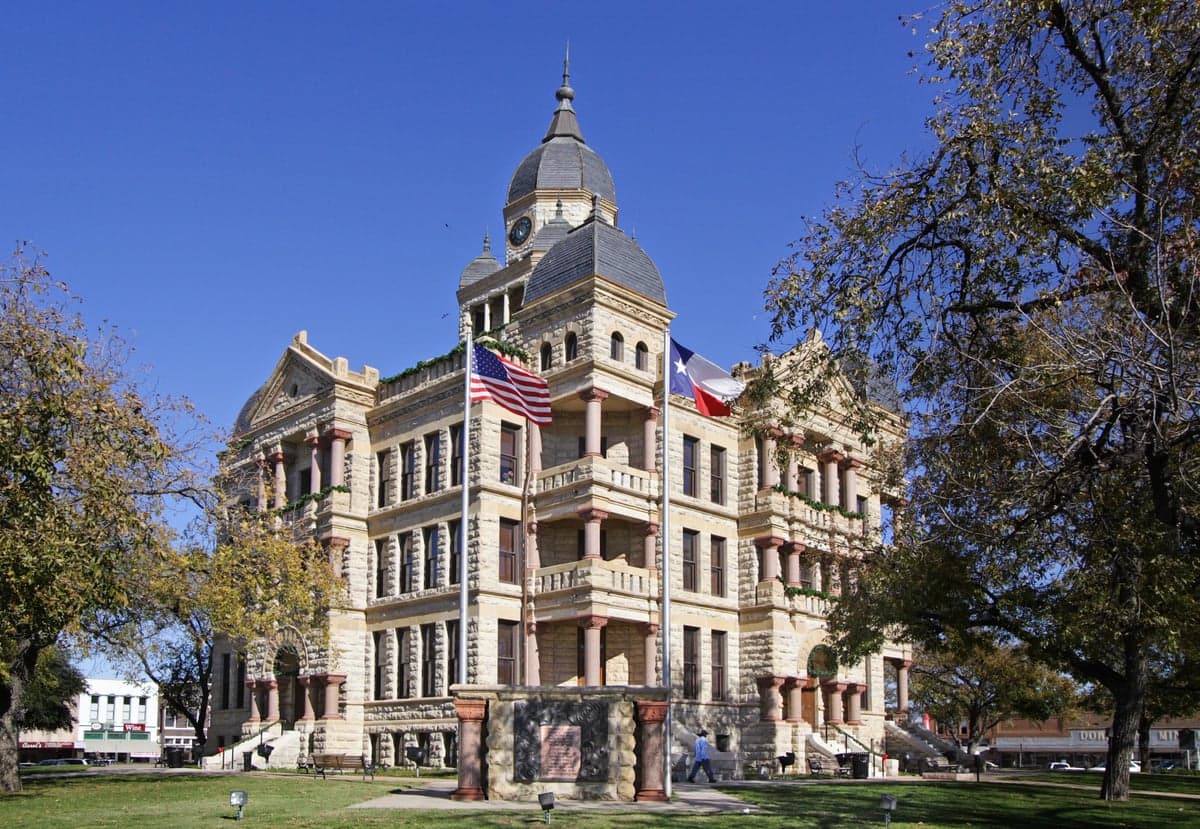
Photo: Wikipedia
Quality of Life in Denton, TX
Above-average quality of iife. The area offers a reasonable cost of living, decent mobility, and a mix of neighborhood amenities.
What does Quality of Life tell us?
Quality of Life blends cost of living, nearby amenities, socioeconomic signals, and neighborhood character. City-level scores represent the whole municipality; individual neighborhoods can differ.
What does this tell us?
Quality of Life blends cost of living, nearby amenities, socioeconomic signals, and neighborhood character. City-level scores represent the whole municipality; individual neighborhoods can differ.
Cost of Living
16% above national average
The Real Cost of Living in Denton, TX for 2026
| Tier | Individual | Family (4) |
|---|---|---|
| Survival | $21k | $40k |
| Comfortable | $63k | $93k |
| Luxury | $132k+ | $205k+ |
| Elite (Top 5%) | $156k+ | $242k+ |
79%
The Area Signal
A metric tracking the socioeconomic signals of the area.


Hobbies
Explore the areaGroceries
1 within 10 miles
Gas
0 within 10 miles
Hospital
3 within 20 miles
Airport
DFW — Dallas Fort Worth International
Post Office
USPS — Frisco, TX
Critical Amenities
Quality-of-Life Analysis
Denton, Texas, presents a quality of life defined by a blend of college-town energy and suburban stability, attracting a population that is notably younger and more educated than the state average. With a cost of living index of 116 (16% above the U.S. average), the city sits at a distinct affordability disadvantage compared to the broader Dallas-Fort Worth metroplex, yet remains a draw for professionals, academics, and families seeking a walkable, culturally active environment. The median household income of roughly $62,000 supports a lifestyle that is comfortable but not lavish, with many residents working in education, healthcare, and the growing tech sector anchored by the University of North Texas and Texas Woman's University.
How housing costs and affordability compare to nearby cities
Denton's housing market is the primary driver of its above-average cost of living. The median home value of $325,700 is significantly higher than the Texas median of roughly $290,000, though it remains below the median in neighboring cities like Frisco ($550,000) and Plano ($480,000). For renters, the median monthly rent of $1,344 is competitive for the region, undercutting comparable units in Lewisville ($1,450) and Carrollton ($1,500). The average commute time of 24.6 minutes is shorter than the DFW average of 28 minutes, a practical advantage for those working within Denton or commuting to the northern suburbs. However, residents commuting to downtown Dallas (35–45 minutes) or Fort Worth (30–40 minutes) face a longer drive, and the lack of direct rail service to either city center remains a pain point for daily commuters.
What daily life is like for families and professionals
Daily life in Denton revolves around its dual university campuses, which inject a steady stream of concerts, art walks, and public lectures into the community calendar. The Denton Independent School District serves most families, with several campuses rated "A" by the Texas Education Agency, including Ryan High School and Calhoun Middle School. For amenities, the city offers the 2,000-acre Ray Roberts Lake State Park for outdoor recreation, while the historic downtown square features independent bookstores, live music venues, and the annual Denton Arts and Jazz Festival. The city's walkability is above average for Texas, particularly near the square and the UNT campus, though most errands still require a car. The presence of two major universities means a robust public library system, frequent farmers' markets, and a restaurant scene that punches above its weight for a city of 150,000, with notable spots like LSA Burger Co. and Rooster's Roadhouse.
Professionals and families who value a tight-knit community with a strong cultural identity will find Denton a rewarding place to live, especially those working in education, healthcare, or creative industries. The city's higher cost of living relative to the state average is offset by its shorter commute times, excellent public schools, and a vibrant social scene that rivals much larger cities. Retirees on fixed incomes may struggle with the housing market, but young professionals and families seeking a balance between urban amenities and suburban safety will find Denton's quality of life compelling. The city's ongoing growth—projected to exceed 200,000 residents by 2030—suggests that its affordability gap with the rest of DFW will continue to narrow, making early entry into the housing market a strategic move for those who can afford it.

Crime in Denton, TX
Generally safer than 63% of comparable U.S. locations.
Violent CrimeViolent Crime Analysis
Property CrimeProperty Crime Analysis
Crime Analysis
Denton, Texas, presents a mixed safety profile that demands careful consideration from potential residents. While the city’s violent crime rate of 196.7 per 100,000 residents is notably lower than the national average, its property crime rate of 1,715.6 per 100,000 is significantly higher than both state and national benchmarks. This combination of relatively low violent crime but elevated property crime, set against the backdrop of a progressive local justice system, creates a specific risk landscape that differs from more conservative neighboring suburbs.
Crime in context
Denton’s violent crime rate of 196.7 per 100,000 is roughly half the national average of 380 per 100,000, placing it in a safer tier for serious offenses like homicide, robbery, and aggravated assault. However, the property crime rate of 1,715.6 per 100,000 is approximately 20% higher than the Texas average of about 1,400 per 100,000 and well above the national figure of roughly 1,200 per 100,000. This disparity is typical of college towns and mid-sized cities near major metro areas like Dallas-Fort Worth, where transient populations and higher density create more opportunities for theft, burglary, and vehicle break-ins. A critical factor for readers to weigh is the political orientation of Denton County’s judiciary. The county has seen a shift toward progressive district attorneys and judges who often prioritize diversion programs and reduced sentencing for property and drug offenses. While intended to reduce recidivism, this approach can result in repeat offenders cycling back onto the streets more quickly, directly increasing the risk of property crime for residents.
What residents experience
For daily life, the practical impact of Denton’s crime data is most felt through property crimes. Residents commonly report package thefts from front porches, bicycle thefts near the University of North Texas campus, and vehicle burglaries in apartment complex parking lots. The city’s progressive justice policies, including cite-and-release for low-level theft and drug possession, mean that many property crimes do not result in jail time. This creates a perception among some residents that the legal system is lenient on offenders, which can erode confidence in public safety. Violent crime, while less frequent, is often concentrated in specific areas near the downtown square and along the I-35 corridor, particularly late at night. The presence of a large student population also means that alcohol-related incidents and assaults are more common near entertainment districts.
Neighborhood-level safety varies considerably. South Denton, including the newer master-planned communities like Robson Ranch and areas near Lake Lewisville, generally report lower crime rates and more proactive homeowners’ associations. In contrast, neighborhoods immediately surrounding the university, such as the Fry Street area and parts of East Denton, experience higher rates of theft and vandalism. The city’s overall safety picture is therefore not uniform: a family living in a gated community on the south side will have a very different experience than a student renting a house near campus. Prospective residents should research specific block-level crime maps and consider that the local justice system’s philosophical leanings may reduce the deterrent effect for property criminals, making proactive personal security measures—like security cameras, good lighting, and neighborhood watch participation—more important than in jurisdictions with stricter enforcement.
* Values derived from national, state, county, city and local statistics and may differ in a specific area. Last updated: 2026-04-19T07:27:44.000Z
Narrative content on this page is AI-generated and may contain mistakes. Verify any details that matter before acting on them.
ReloMaps may earn a commission from affiliate links at no extra cost to you.

