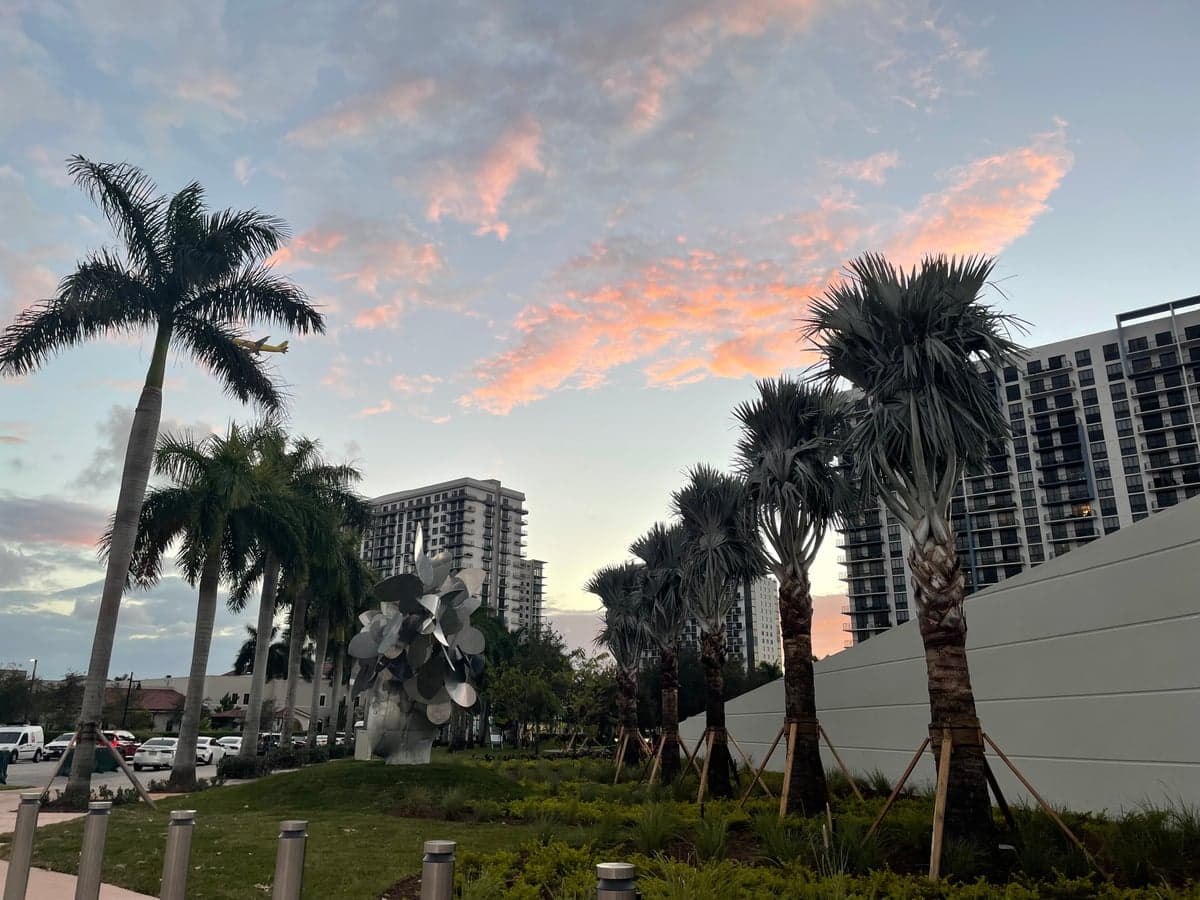
Photo: Wikipedia
Quality of Life in Doral, FL
A high quality of life with strong walkability, manageable living costs, healthy neighborhood signals, and solid amenity access.
What does Quality of Life tell us?
Quality of Life blends cost of living, nearby amenities, socioeconomic signals, and neighborhood character. City-level scores represent the whole municipality; individual neighborhoods can differ.
What does this tell us?
Quality of Life blends cost of living, nearby amenities, socioeconomic signals, and neighborhood character. City-level scores represent the whole municipality; individual neighborhoods can differ.
Cost of Living
103% above national average
The Real Cost of Living in Doral, FL for 2026
| Tier | Individual | Family (4) |
|---|---|---|
| Survival | $35k | $67k |
| Comfortable | $100k | $147k |
| Luxury | $146k+ | $227k+ |
| Elite (Top 5%) | $172k+ | $267k+ |
60%
The Area Signal
A metric tracking the socioeconomic signals of the area.
Hobbies
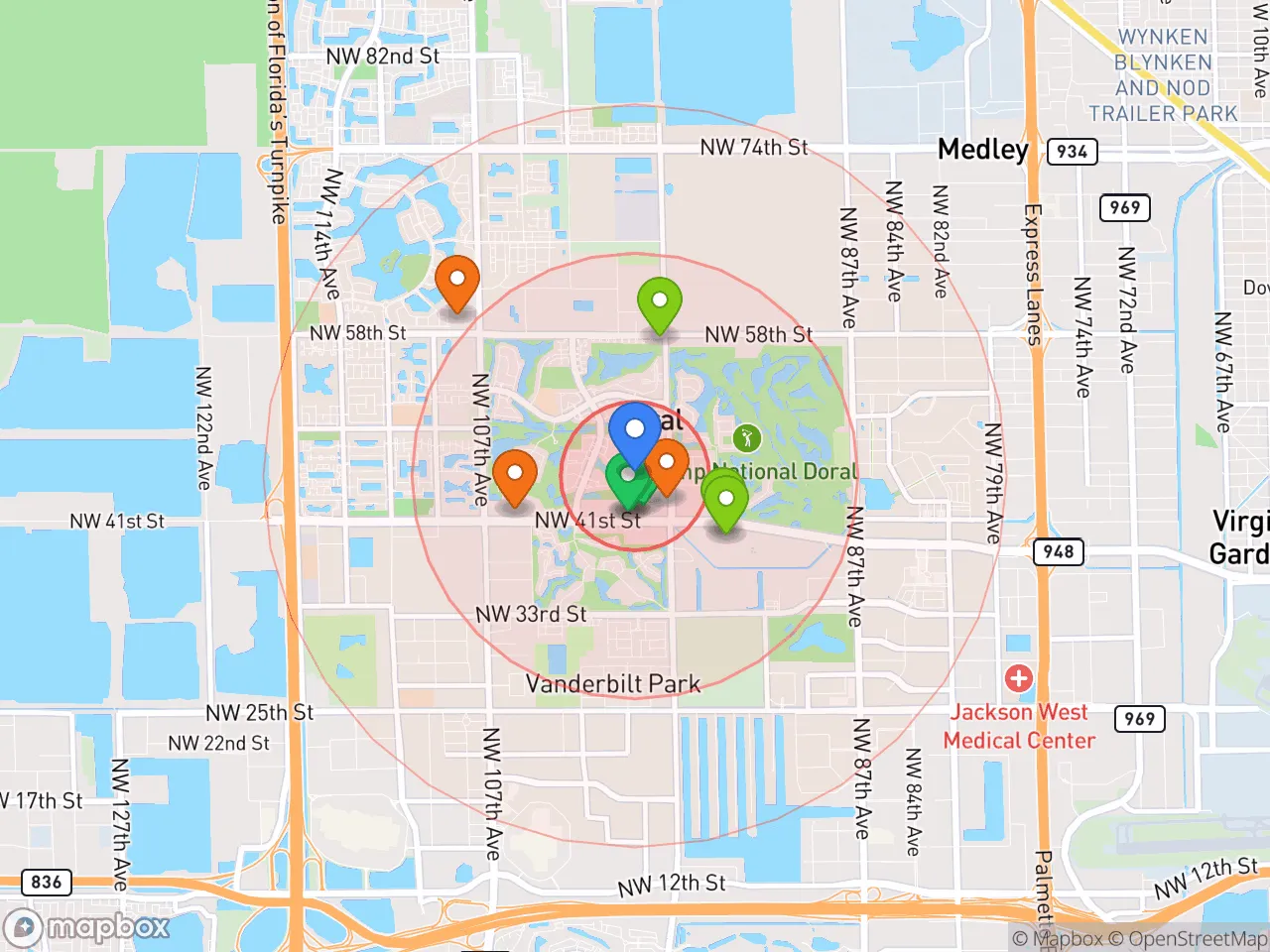
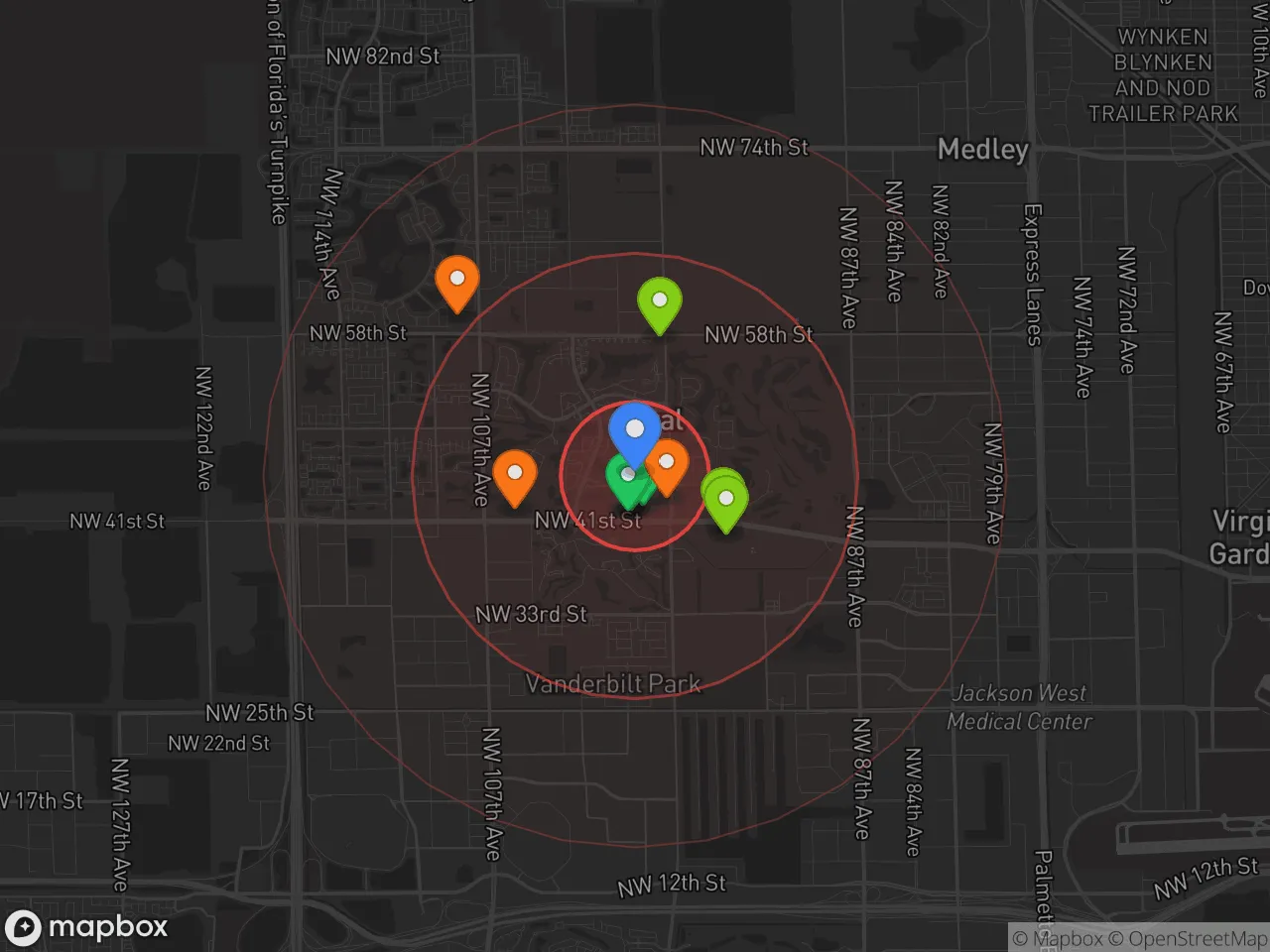
Explore the areaGroceries
6 within 10 miles
Gas
20 within 10 miles
Hospital
20 within 20 miles
Airport
MIA — Miami International
Post Office
USPS — Doral, FL
Critical Amenities
Quality-of-Life Analysis
Doral, Florida, is an affluent, fast-growing suburb of Miami that has become a magnet for young professionals, families, and international investors, particularly those from Latin America. With a cost-of-living index of 203—more than double the U.S. average—the city offers a high standard of living defined by modern master-planned communities, top-rated schools, and a robust job market anchored by its role as the "Gateway to the Americas." The city's population of roughly 75,000 is notably diverse, with a large Venezuelan, Colombian, and Cuban diaspora, creating a bilingual, business-forward culture that blends suburban comfort with urban energy.
Cost of living, housing prices, and how Doral compares to nearby areas
Doral's cost of living is significantly higher than both the national average and many neighboring Miami-Dade suburbs, driven primarily by housing. The median home value stands at $514,600, while the median rent is $2,510 per month—figures that are roughly 30% above the Miami metro average and nearly double the national median. Compared to nearby Kendall or Hialeah, Doral commands a premium for its newer housing stock, gated communities, and proximity to Miami International Airport. However, it remains more affordable than Coral Gables or Brickell, where single-family homes often exceed $800,000. The average commute time of 25 minutes is notably shorter than the Miami metro average of 30+ minutes, a key advantage for workers employed at the many corporate headquarters and logistics firms clustered along the Dolphin Expressway (SR 836) and the Palmetto Expressway (SR 826). While the high cost can be a barrier for entry-level workers, the city's strong job market—led by Carnival Corporation, Univision, and dozens of freight-forwarding companies—helps justify the expense for dual-income households.
What daily life is like for families: amenities, schools, and recreation
Daily life in Doral revolves around its master-planned neighborhoods, such as Doral Park, Downtown Doral, and the gated communities of Doral Estates. The city is known for its high concentration of A-rated public schools, including Ronald W. Reagan/Doral Senior High School and Dr. Rolando Espinosa K-8, which consistently rank among the top in Miami-Dade County. For recreation, the 300-acre Doral Glades Park offers sports fields, a dog park, and a nature trail, while the Donald J. Trump National Doral Miami golf resort provides upscale leisure options. The pedestrian-friendly Downtown Doral district features a mix of restaurants, retail, and a weekly farmers' market, giving the suburb a rare walkable core. Families also benefit from the city's low violent crime rate—roughly 60% lower than the Miami city average—and a robust network of private schools, including the Doral Academy charter system. Traffic on NW 36th Street and NW 87th Avenue can be heavy during peak hours, but the overall pace is more relaxed than in central Miami, with a strong emphasis on community events like the Doral Food & Wine Festival and holiday parades.
Doral is best suited for professionals and families who prioritize high-quality schools, modern housing, and a short commute to Miami's airport and business corridors over lower housing costs. The city's bilingual, international atmosphere makes it particularly appealing to Spanish-speaking professionals and entrepreneurs who value a tight-knit, suburban feel within easy reach of Miami's cultural and economic hubs. Those on a tighter budget or seeking a more bohemian, walkable urban lifestyle may find better value in neighborhoods like Little Havana or parts of Broward County. For the right demographic, however, Doral offers a compelling blend of safety, convenience, and upward mobility that justifies its premium price tag.

Crime in Doral, FL
Generally safer than 73% of comparable U.S. locations.
Violent CrimeViolent Crime Analysis
Property CrimeProperty Crime Analysis
Crime Analysis
Doral, Florida, presents a mixed safety profile for prospective residents. The city’s violent crime rate of 166.8 incidents per 100,000 people is notably lower than both the Florida state average and the national median, suggesting a relatively low risk of serious personal offenses. However, the property crime rate of 735.6 per 100,000 is a more significant concern, sitting above national averages and indicating that theft, burglary, and vehicle-related crimes are more common. This combination of low violent crime but elevated property crime is typical of many fast-growing suburban hubs near major metropolitan areas.
Crime in context
When compared to broader benchmarks, Doral’s violent crime rate is roughly 55% lower than the national average, a statistic that often reassures families and professionals. The property crime rate, however, is approximately 25% higher than the national average, placing it in a more concerning bracket. This disparity is critical: while a resident is statistically unlikely to be a victim of assault or robbery, they face a notably higher risk of having a car broken into or a package stolen. The city’s location within Miami-Dade County, a large metro area, means it is subject to the policies of a county-wide justice system. Like many large, progressive-leaning metro areas, Miami-Dade has seen district attorneys and judges adopt policies focused on reducing incarceration and diverting offenders from jail. While intended to address systemic issues, these progressive approaches can result in more criminals returning to the streets sooner, which directly undermines public safety and justice for victims. This ideological environment is a negative factor that residents should weigh carefully, as it can embolden property crime and reduce the deterrent effect of prosecution.
What residents experience
Daily life in Doral for most residents involves a heightened awareness of property security. Car burglaries and theft from construction sites are recurring issues, particularly in commercial and mixed-use areas. The city has invested in a robust network of surveillance cameras and a dedicated police force, but the sheer volume of daily commuters and transient visitors creates opportunities for crime. The presence of a large, transient workforce tied to the hospitality and logistics sectors also contributes to a fluid population that can be harder to police effectively. For families, the low violent crime rate is a genuine positive, allowing for relatively safe use of parks and public spaces during the day. However, the underlying property crime problem, exacerbated by a lenient prosecutorial environment common to the region, means that vigilance—such as never leaving valuables in a car and using secure package delivery lockers—is a necessary part of life in Doral.
Neighborhood-level variation is significant. Gated communities like Doral Isles and the newer developments near Downtown Doral generally report lower crime rates due to private security and controlled access. In contrast, areas with higher-density apartment complexes and those adjacent to major commercial corridors like NW 36th Street and the Dolphin Expressway see more frequent property incidents. Prospective residents should prioritize properties with secure parking and consider the immediate block’s lighting and foot traffic patterns. While Doral is not a high-violence city, its property crime challenge, set against the backdrop of a progressive metro-area justice system, makes it a location where proactive personal security measures are not optional but essential.
* Values derived from national, state, county, city and local statistics and may differ in a specific area. Last updated: 2026-04-30T05:16:42.000Z
Narrative content on this page is AI-generated and may contain mistakes. Verify any details that matter before acting on them.
ReloMaps may earn a commission from affiliate links at no extra cost to you.

