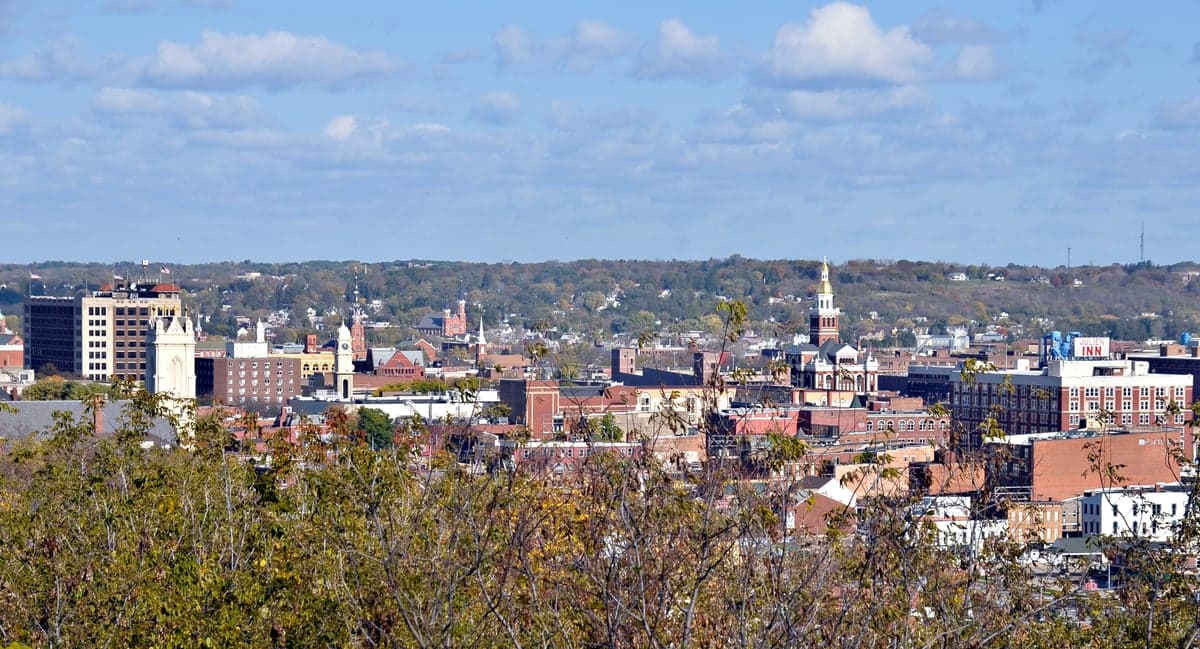
Photo: Wikipedia
Find The Best Places To Live
in Dubuque
PRO TIP! You can paste a Zillow or Redfin link to get info on that property.
What It's Like Living in Dubuque, IA
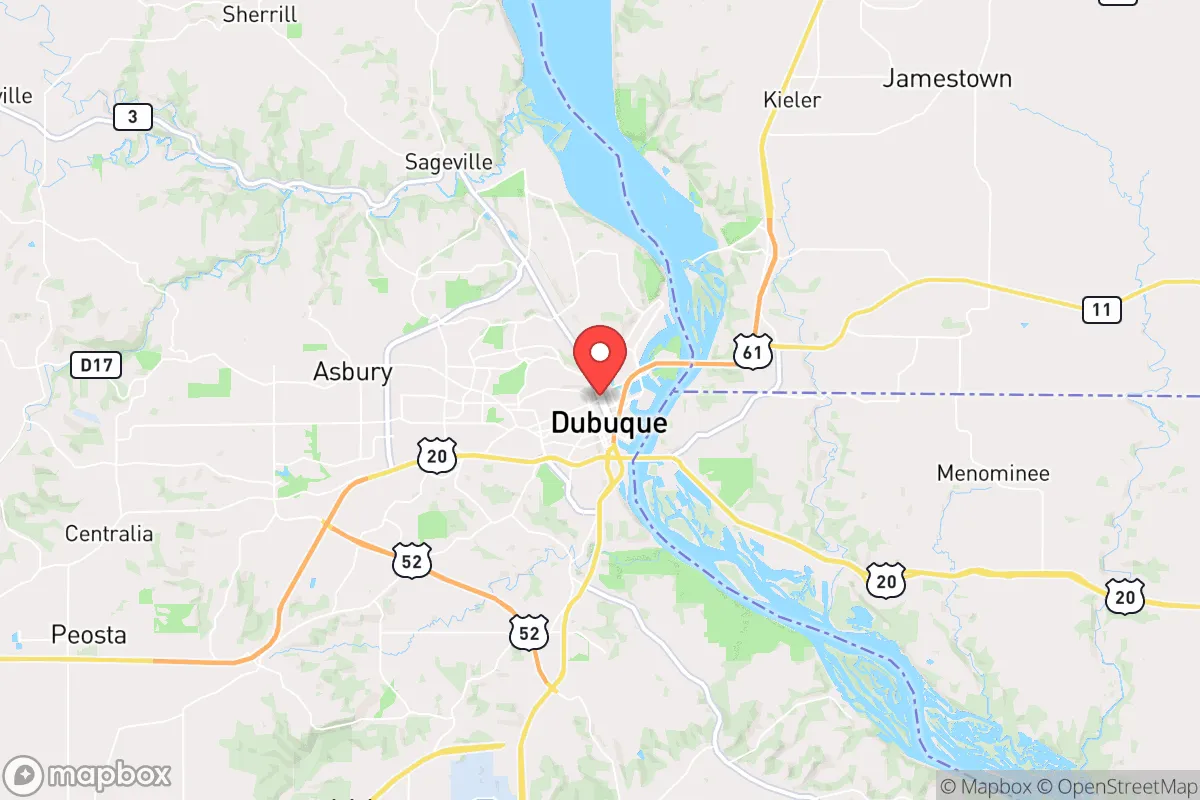
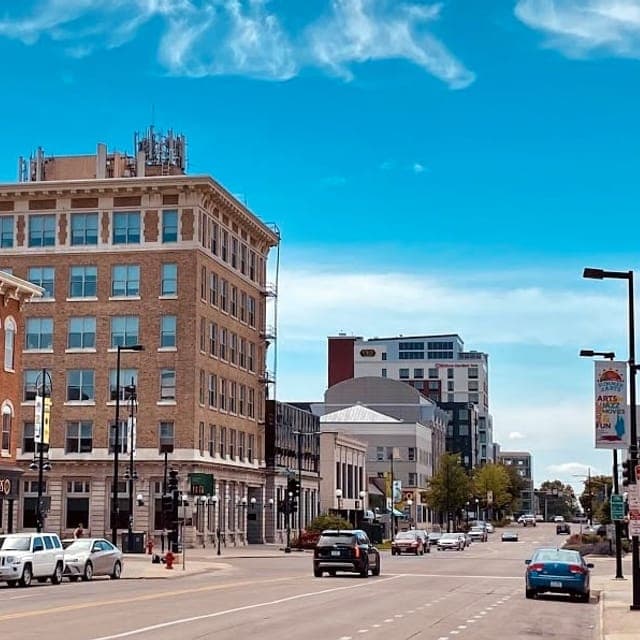
Dubuque feels like a place that knows exactly what it is: a sturdy, old-school Mississippi River town where people still wave from pickup trucks and the high school football game is the main event on a Friday night. With about 59,000 residents, it’s big enough to have a decent hospital and a mall, but small enough that you’ll run into someone you know at the Hy-Vee. The vibe is blue-collar with a growing white-collar edge—think John Deere engineers, nurses, and remote workers who traded a Chicago commute for a 15-minute drive along the river bluffs.
The Daily Rhythm: Slow Mornings, Early Nights
Life here moves at a pace that surprises newcomers. The average commute clocks in at just under 15 minutes, which means most people are home by 5:30 with time to grill or hit the trails. Weekends often start at the Dubuque Farmers Market (April through October) on Main Street, where you’ll find sweet corn, Amish baked goods, and local honey. For groceries, it’s Hy-Vee or Fareway—both are community anchors, with the Hy-Vee on Dodge Street doubling as a social hub where you’ll see neighbors grabbing coffee or a quick dinner from the salad bar. Dinner out tends toward no-frills spots like the Breitbach’s Country Dining (a 30-minute drive west in Balltown, but worth it for the fried chicken and pie) or L.May Eatery downtown for something a bit fancier. The median household income here is about $65,000, and with a cost of living index of 76—well below the national average—that money stretches. A family can afford a solid three-bedroom home in the $190,000 range, which feels almost impossible in larger Midwest cities.
Sports, Schools, and Saturday Night Lights
High school sports are a genuine religion here. Dubuque Senior High and Wahlert Catholic (the private school) pack bleachers for football and basketball, and the city-wide rivalry games draw crowds that rival small colleges. The University of Dubuque (a private Presbyterian school) and Loras College (Catholic) both field competitive Division III teams—Loras basketball games at the Lillis Athletic Center are a cheap, lively night out. For pro sports, most locals drive 90 minutes to see the Chicago Cubs in Des Moines or the Brewers in Milwaukee, but the Dubuque Fighting Saints (USHL junior hockey) are the real hometown heroes. Games at Mystique Community Ice Center are loud, affordable, and packed with families—think $10 tickets and $3 hot dogs. The schools themselves are a mixed bag: public districts like Dubuque Community Schools are well-regarded for special education and STEM programs, but some parents grumble about class sizes. About 34% of adults hold a college degree, which tracks with the presence of three colleges in town—it gives the place a slightly more educated feel than the surrounding farm counties.
What There Is to Do (and What There Isn’t)
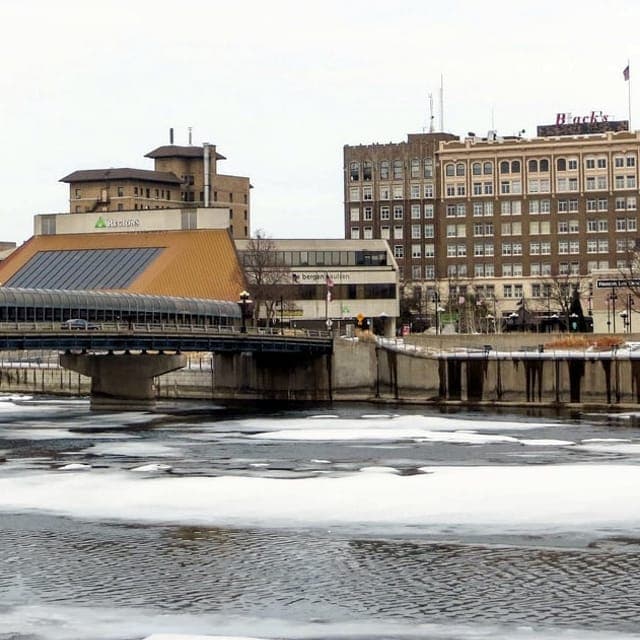
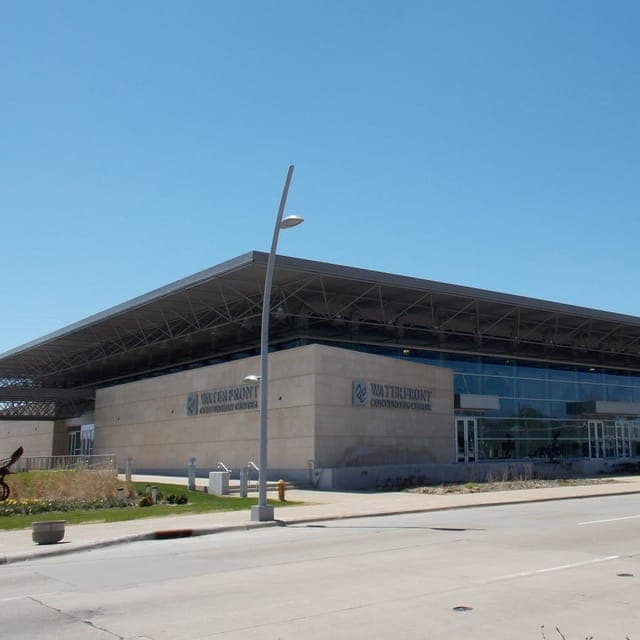
Outdoor life is the main draw. The Mississippi Riverwalk along the riverfront is a paved path that runs past the historic Fenelon Place Elevator (a funicular railway that’s been hauling people up the bluff since 1882). Eagle Point Park, perched on a bluff, offers views of three states and is a favorite for sunset picnics. For a bigger hike, the Mines of Spain Recreation Area has 15 miles of trails through woods and limestone bluffs. Entertainment leans toward the low-key: the Five Flags Center hosts concerts and minor-league hockey, and the Galena, Illinois day trip (20 minutes east) is a staple—tourists go for the antique shops and wineries, but locals go for the fried cheese curds at the Galena Brewing Company. Festivals are a big deal: America’s River Festival in June brings country acts to the riverfront, and DubuqueFest in July is a week-long block party with carnival rides and a parade. The honest downside? Nightlife is thin. If you’re under 30 and single, the bar scene is mostly college kids at the Busted Lift or older crowds at the Dubuque Yacht Club. There’s no real music venue for touring indie bands—you’ll drive to Madison or Cedar Rapids for that.
Pros and Cons of Living Here
- Pro: Affordability. A median home value under $200,000 means first-time buyers can actually get in the game. Rent for a one-bedroom averages $750–$900.
- Pro: Safety (mostly). The violent crime rate is 399.5 per 100,000—higher than the national average, but the vast majority is concentrated in a few blocks near the downtown core. Most neighborhoods feel safe for kids to bike around.
- Pro: Community feel. People know their neighbors. The “Dubuque nice” stereotype is real—strangers will help you jump-start your car in a parking lot.
- Con: Winter. Snow from November through March, with temps often below 20°F. The city does a decent job plowing, but you’ll need a good coat and a car with all-wheel drive.
- Con: Limited jobs. The big employers are John Deere, the University of Dubuque, and MercyOne Medical Center. If you’re not in manufacturing, healthcare, or education, you may struggle to find work above $50K.
- Con: Isolation. The nearest major city (Madison, WI) is 90 minutes away. Chicago is 3 hours. If you crave big-city amenities—concerts, ethnic food, late-night anything—you’ll feel it.
The median age here is 38.3, which skews a bit older than the national average, but that’s because young families and retirees both find it appealing. The kind of person who fits in Dubuque is someone who values stability over excitement, who doesn’t mind driving 20 minutes to a good restaurant, and who wants a house with a yard and a garage for under $200K. It’s not a place for night owls or career climbers in tech. But for a parent who wants their kid to play in the yard without worrying, or a single person who prefers a quiet evening on the porch to a crowded bar, it’s a solid, unpretentious choice.

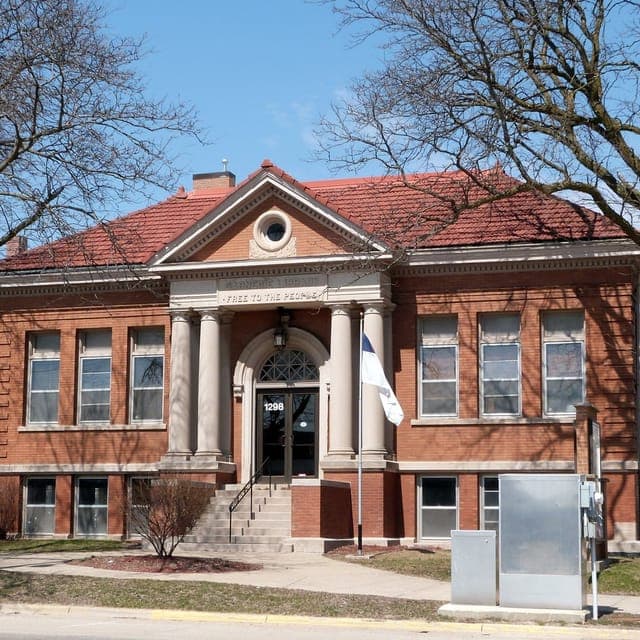
Similar small cities to Dubuque

* Values derived from national, state, county, city and local statistics and may differ in a specific area. Last updated: 2026-04-19T08:38:11.000Z
Narrative content on this page is AI-generated and may contain mistakes. Verify any details that matter before acting on them.
ReloMaps may earn a commission from affiliate links at no extra cost to you.

