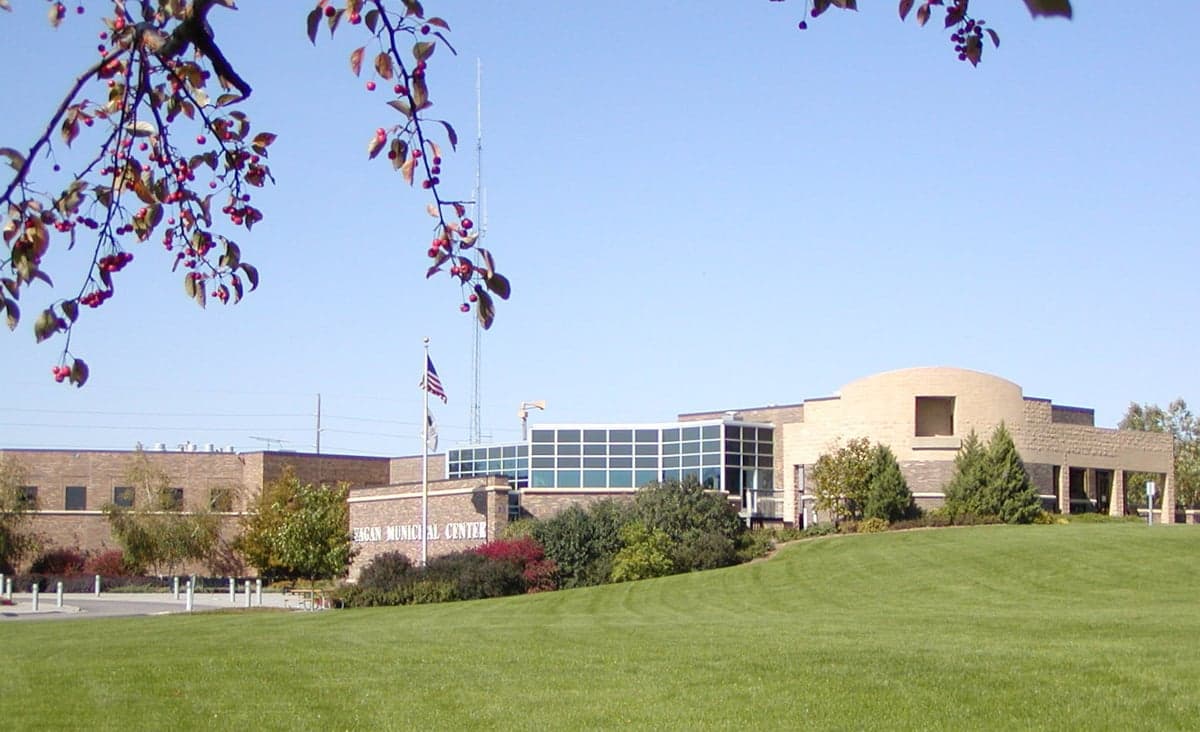
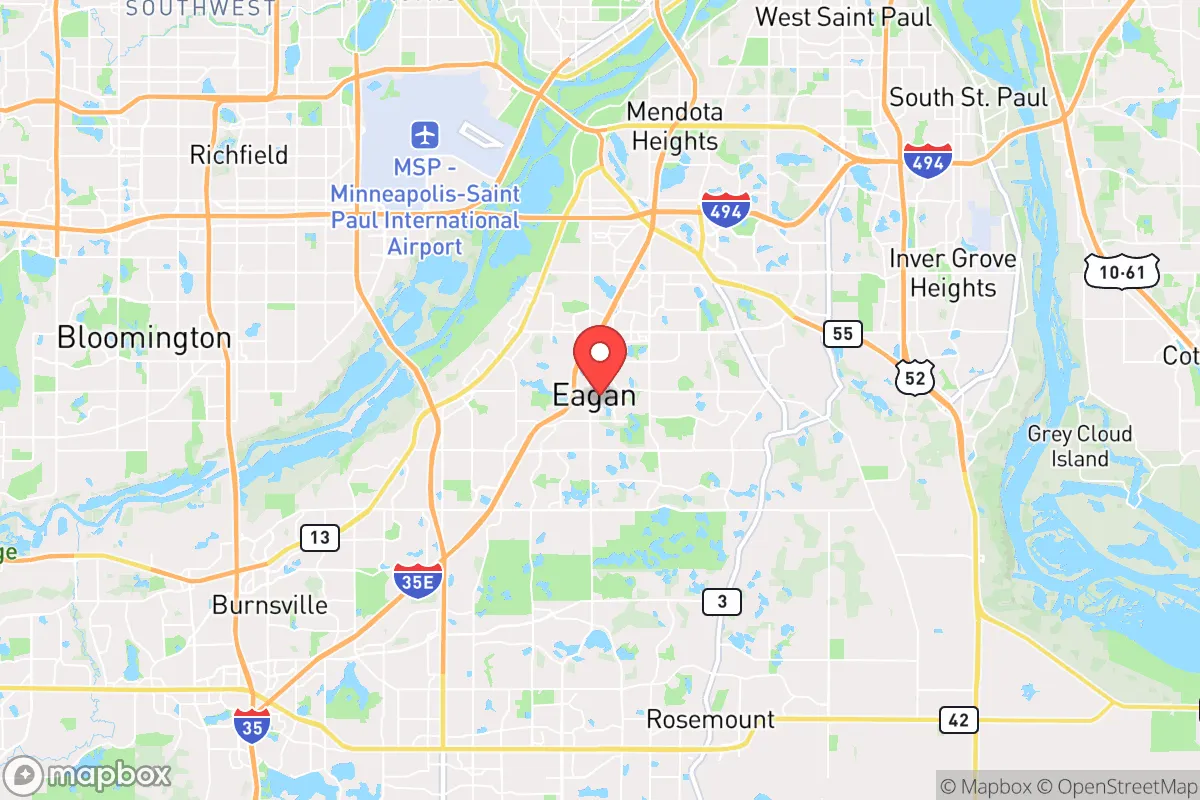
Photo: Wikipedia
Quality of Life in Eagan, MN
A high quality of life with strong walkability, manageable living costs, healthy neighborhood signals, and solid amenity access.
What does Quality of Life tell us?
Quality of Life blends cost of living, nearby amenities, socioeconomic signals, and neighborhood character. City-level scores represent the whole municipality; individual neighborhoods can differ.
What does this tell us?
Quality of Life blends cost of living, nearby amenities, socioeconomic signals, and neighborhood character. City-level scores represent the whole municipality; individual neighborhoods can differ.
Cost of Living
37% above national average
The Real Cost of Living in Eagan, MN for 2026
| Tier | Individual | Family (4) |
|---|---|---|
| Survival | $26k | $48k |
| Comfortable | $74k | $109k |
| Luxury | $174k+ | $270k+ |
| Elite (Top 5%) | $205k+ | $318k+ |
99%
The Area Signal
A metric tracking the socioeconomic signals of the area.
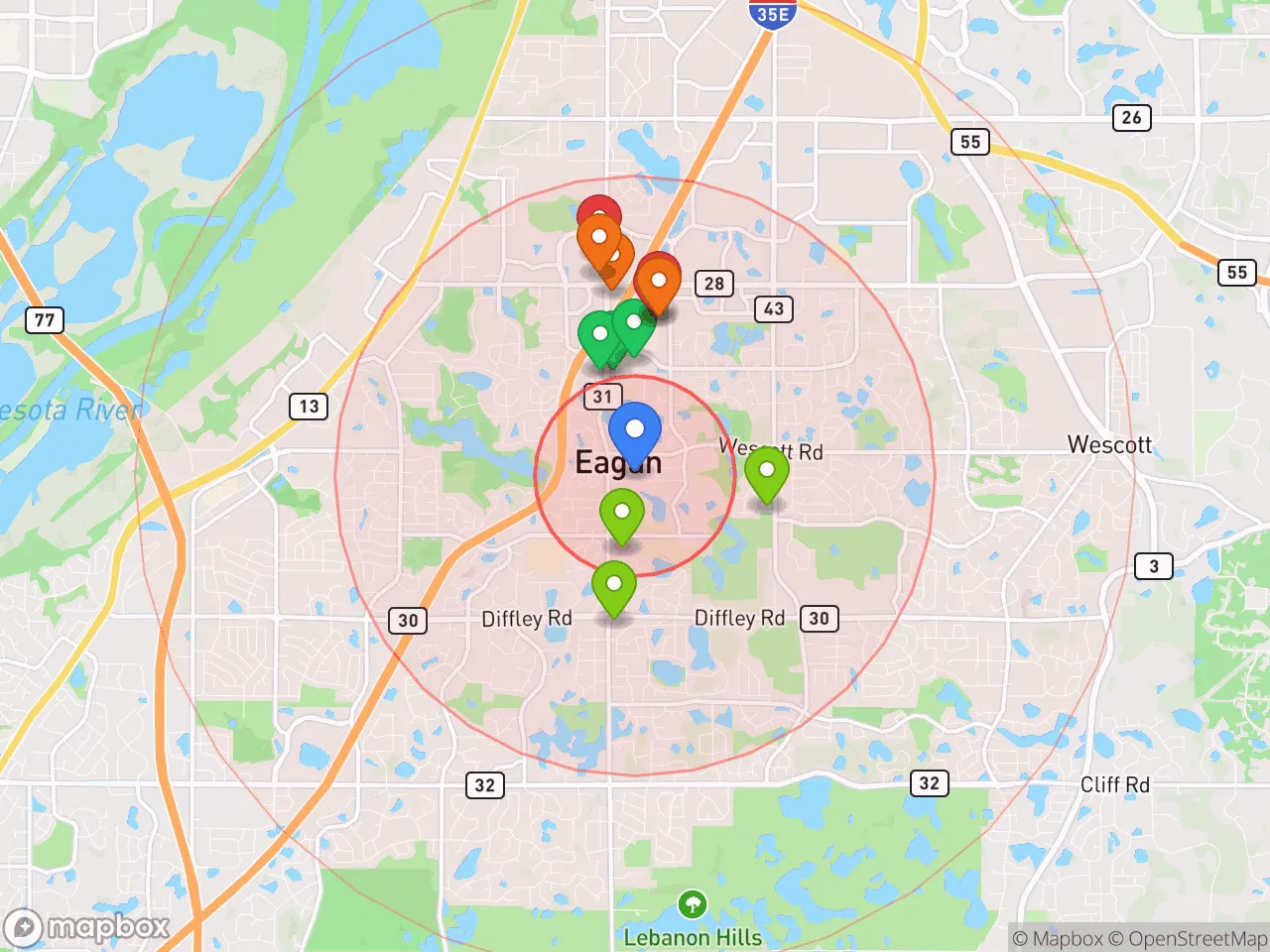
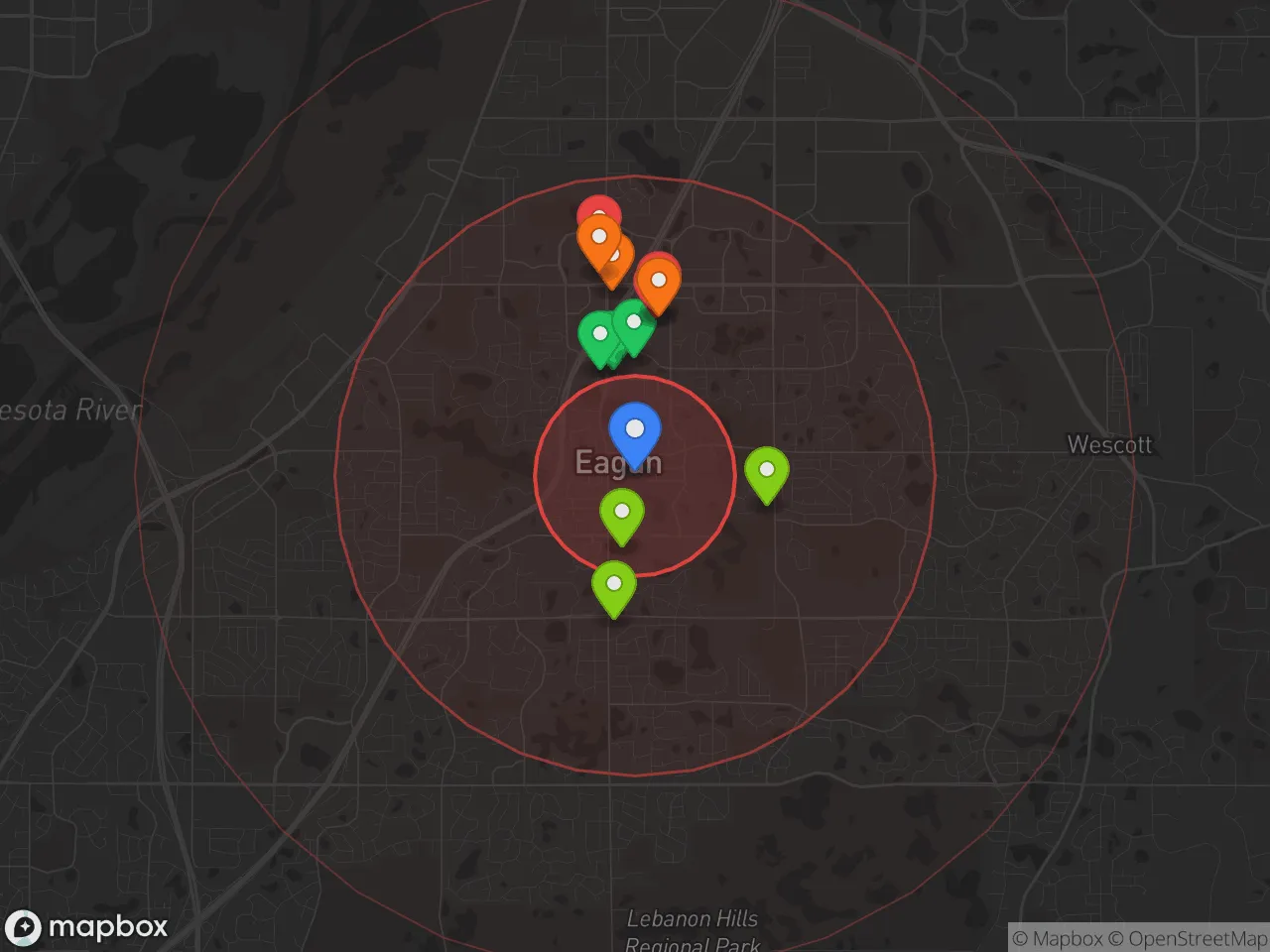
Hobbies
Explore the areaGroceries
7 within 10 miles
Gas
20 within 10 miles
Hospital
20 within 20 miles
Airport
JFK — John F. Kennedy Memorial
Post Office
USPS — Eagan, MN
Critical Amenities
Quality-of-Life Analysis
Eagan, Minnesota, is an affluent southern suburb of the Twin Cities where the cost of living index sits at 137 (37% above the U.S. average), attracting a mix of upwardly mobile professionals, established families, and corporate transplants. The city’s population of roughly 66,000 skews toward college-educated homeowners, with a median household income well above the state median. Daily life here is defined by a balance of suburban stability and proximity to Minneapolis-St. Paul’s job centers, making it a deliberate choice for those who prioritize strong schools, low crime, and predictable commutes over urban grit or rural space.
Cost of living, housing affordability, and how Eagan compares to nearby suburbs
Eagan’s housing market is the primary driver of its above-average cost of living. The median home value sits at $380,800, roughly 15% higher than the Minneapolis metro median and significantly above national figures, though still below pricier inner-ring suburbs like Edina or Wayzata. Median rent is $1,604, which is competitive for the southwest metro but about $200–$300 more per month than in neighboring Burnsville or Apple Valley. Property taxes in Dakota County are moderate for the region, averaging around 1.1% of assessed value, and the city offers a handful of first-time homebuyer assistance programs through the Dakota County Community Development Agency. For renters, the trade-off is clear: higher monthly costs for access to Eagan’s top-rated school district and lower crime rates compared to more affordable nearby options. The average one-way commute is 21.7 minutes, shorter than the metro average of 26 minutes, thanks to direct highway access via I-35E and I-494, which connect to downtown St. Paul (15 minutes) and Minneapolis (25 minutes).
What daily life is like for families: schools, parks, and local amenities
Eagan’s quality of life is anchored by the Independent School District 196, which consistently ranks among Minnesota’s top 10% for test scores and college readiness, with schools like Thomas Lake Elementary and Eagan High School earning National Blue Ribbon recognition. The city maintains over 50 parks, including the 500-acre Lebanon Hills Regional Park, which offers hiking, fishing, and mountain biking trails that rival state park experiences. For daily errands and dining, the Eagan Promenade and Cedar Grove shopping centers provide a mix of national chains and local spots like the Eagan Arms Public House. The city’s crime rate is roughly 60% lower than the national average, with property crime being the most common incident, though violent crime is rare. Traffic congestion is manageable outside of peak hours, and the Minnesota Valley Transit Authority provides express bus service to downtown Minneapolis and St. Paul, reducing the need for a second car for some commuters. Cultural amenities are limited within city limits, but the Mall of America in Bloomington is a 10-minute drive, and the Minnesota Zoo is adjacent to Eagan’s eastern border.
Eagan is best suited for families and professionals who value top-tier public schools, short commutes, and a low-crime environment over urban nightlife or walkable density. Singles and young couples may find the social scene subdued compared to Minneapolis neighborhoods like Uptown or Northeast, but the city’s corporate base—including headquarters for Thomson Reuters, Blue Cross Blue Shield of Minnesota, and Northwest Airlines’ former operations—provides stable white-collar employment. Retirees are drawn to the accessible healthcare via nearby Mayo Clinic facilities and the active senior programming at the Eagan Community Center. For anyone seeking a predictable, family-oriented suburb with strong public services and direct highway access to both downtowns, Eagan delivers a premium experience that justifies its higher cost of living.

Crime in Eagan, MN
Lower crime rates than 83% of comparable U.S. locations.
Violent CrimeViolent Crime Analysis
Property CrimeProperty Crime Analysis
Crime Analysis
Eagan, Minnesota, consistently ranks as one of the safest suburbs in the Twin Cities metro area, with violent crime rates far below both state and national averages. However, the city's property crime rate, while moderate, is a more significant concern for residents. The broader context of the Twin Cities' progressive criminal justice policies, including those in neighboring Ramsey and Hennepin counties, creates a regional environment where property crime can be more persistent than in conservative-leaning suburbs.
Crime in context
Eagan's violent crime rate of 128.6 incidents per 100,000 residents is roughly one-third the national average and well below the Minnesota state average. This makes it one of the safest large suburbs in the metro for violent offenses like assault, robbery, and homicide. Property crime, however, occurs at a rate of 1,329.4 per 100,000, which is slightly below the national average but above the state average. The most common property crimes are theft from vehicles and package theft, typical of an affluent, car-dependent suburb. The city's location in Dakota County, which has a more moderate prosecutorial approach compared to the progressive policies of neighboring Ramsey County (St. Paul) and Hennepin County (Minneapolis), helps keep overall crime lower than in the core cities.
What residents experience
Most residents report feeling very safe in their neighborhoods and at local amenities like the Eagan Community Center and Central Park. The Eagan Police Department maintains a strong community presence and a proactive crime prevention unit. However, the influence of progressive criminal justice reforms in the wider metro area is a tangible concern. Prosecutors in Ramsey and Hennepin counties have adopted policies that reduce bail, decline to prosecute certain low-level thefts, and emphasize diversion over incarceration. This creates a "spillover" effect: property criminals from St. Paul and Minneapolis, facing few consequences, often target affluent suburbs like Eagan where the reward is higher and the risk of prosecution remains relatively low in the broader regional context. Residents should be aware that while Eagan's own police are effective, the regional justice system's leniency can embolden repeat offenders.
Neighborhood-level variation
Crime is not evenly distributed across Eagan. The highest concentration of property crime, particularly theft from vehicles and shoplifting, occurs near the Eagan Promenade and Cedar Grove commercial corridors, especially around the Twin Cities Premium Outlets and the large retail centers off I-35E. Residential areas in the northern and western parts of the city, closer to the Minnesota River, tend to have the lowest crime rates. The neighborhoods surrounding Thomas Lake and the newer developments near the Eagan High School area are considered the safest. As with any suburb near a progressive metro hub, residents should take standard precautions—locking car doors, securing packages, and using home security systems—to mitigate the risks created by a regional justice system that often prioritizes offender rehabilitation over public safety.
* Values derived from national, state, county, city and local statistics and may differ in a specific area. Last updated: 2026-04-24T05:51:11.000Z
Narrative content on this page is AI-generated and may contain mistakes. Verify any details that matter before acting on them.
ReloMaps may earn a commission from affiliate links at no extra cost to you.

