 Popular
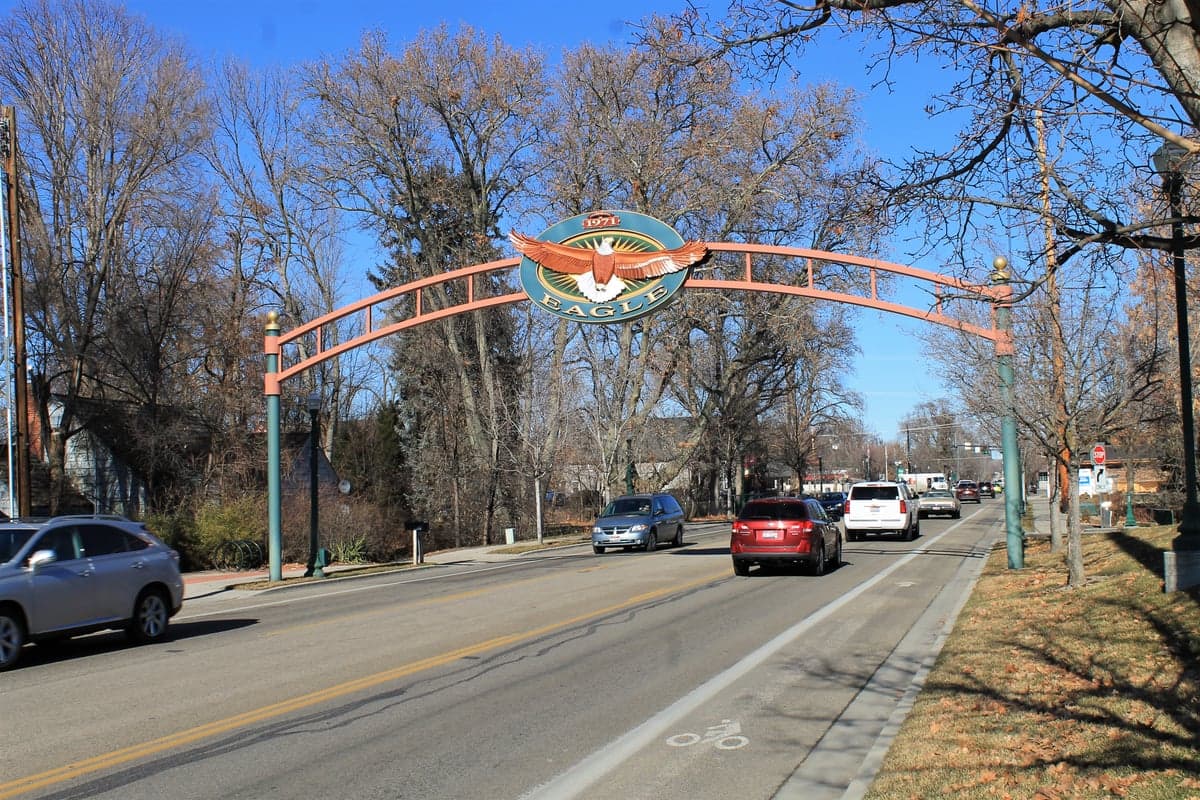
Photo: Wikipedia
Quality of Life in Eagle, ID
A high quality of life with strong walkability, manageable living costs, healthy neighborhood signals, and solid amenity access.
What does Quality of Life tell us?
Quality of Life blends cost of living, nearby amenities, socioeconomic signals, and neighborhood character. City-level scores represent the whole municipality; individual neighborhoods can differ.
What does this tell us?
Quality of Life blends cost of living, nearby amenities, socioeconomic signals, and neighborhood character. City-level scores represent the whole municipality; individual neighborhoods can differ.
Cost of Living
91% above national average
The Real Cost of Living in Eagle, ID for 2026
| Tier | Individual | Family (4) |
|---|---|---|
| Survival | $28k | $53k |
| Comfortable | $138k | $203k |
| Luxury | $213k+ | $331k+ |
| Elite (Top 5%) | $280k+ | $433k+ |
58%
The Area Signal
A metric tracking the socioeconomic signals of the area.
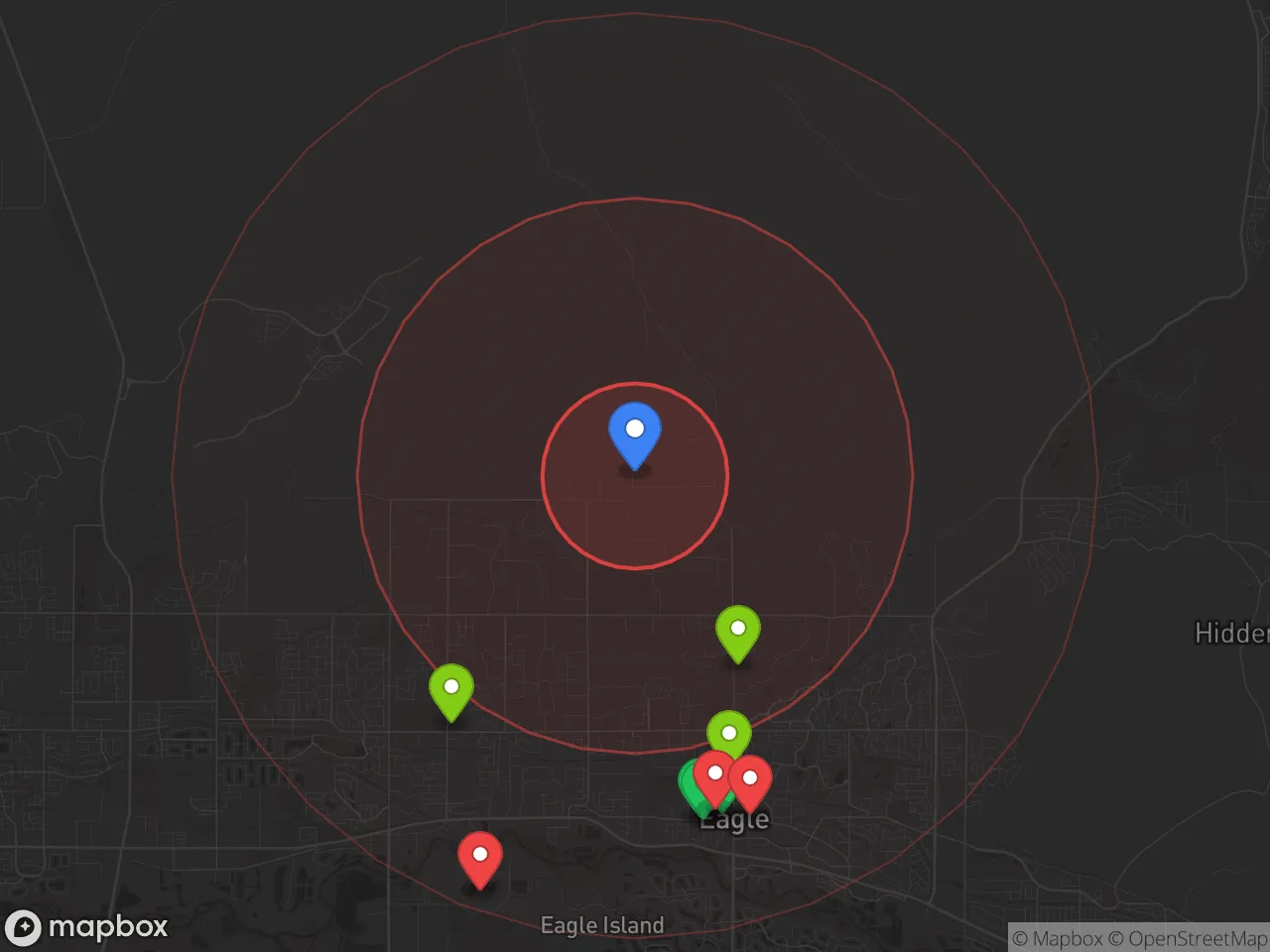
Hobbies
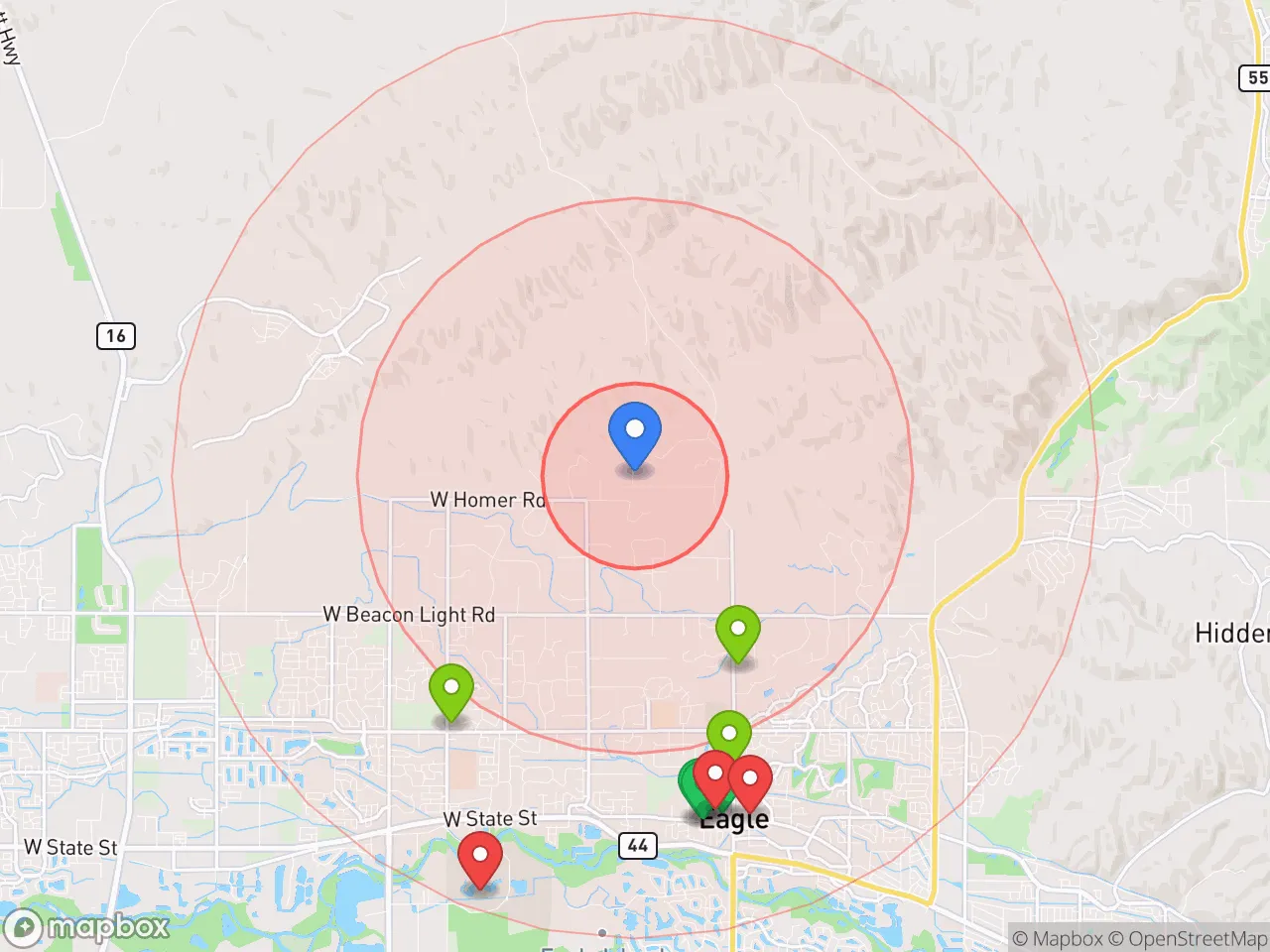
Explore the areaGroceries
6 within 10 miles
Gas
20 within 10 miles
Hospital
17 within 20 miles
Airport
SLC — Salt Lake City International
Post Office
USPS — Eagle, ID
Critical Amenities
Quality-of-Life Analysis
Eagle, Idaho, is one of the most affluent suburbs in the Boise metropolitan area, with a cost of living index of 191—nearly double the U.S. average—reflecting a community of established professionals, executives, and families drawn to its blend of rural charm and high-end suburban convenience. The city’s median home value of $711,500 and median rent of $1,753 position it as a premium enclave where residents prioritize space, schools, and a slower pace over urban proximity. This wealth profile shapes daily life, with a population that skews toward homeowners, long-term residents, and those seeking a low-crime, amenity-rich environment within a 24-minute average commute to downtown Boise.
Cost of living, housing affordability, and how Eagle compares to nearby cities
Eagle’s cost of living index of 191 is the highest in the Treasure Valley, significantly outpacing Boise (index ~110) and Meridian (index ~115). The median home value of $711,500 is roughly double the Boise metro average of $450,000, placing Eagle among Idaho’s most expensive housing markets. Renters face a median rent of $1,753, which is about 30% higher than in neighboring Meridian ($1,350) but still below the national average for similarly affluent suburbs. The average commute of 23.7 minutes is slightly longer than Meridian’s 20-minute average but shorter than Boise’s 25-minute figure, reflecting Eagle’s position as a bedroom community with direct access to State Highway 55 and Interstate 84. For buyers, the trade-off is clear: Eagle offers larger lots, newer construction, and lower crime rates than more affordable nearby cities, but the entry price excludes most first-time buyers and renters without high household incomes.
Schools, amenities, and what daily life is like for families
Daily life in Eagle revolves around its highly rated West Ada School District, which includes Eagle High School (ranked in Idaho’s top 10 for test scores) and several elementary schools with strong parent-teacher associations. The city’s amenities center on the Boise River Greenbelt, which runs through Eagle’s downtown, offering walking trails, fishing access, and the popular Eagle River Nature Center. The downtown core features boutique shops, farm-to-table restaurants like Bardenay, and the Eagle Farmers Market (May–October), which draws residents from across the valley. For recreation, Eagle Hills Golf Course and the nearby Ridgecrest Golf Club provide year-round play, while the Eagle Sports Complex hosts youth soccer and baseball leagues. The city’s low crime rate—roughly 60% below the national average—and its 10+ public parks (including the 40-acre Eagle Island State Park) make it a magnet for families with children. However, the lack of major employers within city limits means most adults commute to Boise or Meridian, and nightlife options are limited to a handful of wine bars and breweries.
Eagle is best suited for upper-middle-class families, retirees, and remote workers who value space, safety, and access to outdoor recreation over urban energy. The high cost of living and limited rental inventory make it a poor fit for young renters or budget-conscious buyers, but for those who can afford the premium, the city delivers a quiet, well-maintained lifestyle with strong schools and a tight-knit community feel. Professionals commuting to Boise’s tech and healthcare sectors will find the 23-minute drive manageable, while outdoor enthusiasts will appreciate immediate access to the Boise River, foothills, and nearby ski resorts like Bogus Basin. In short, Eagle is a deliberate choice for those prioritizing quality of life over affordability.

Crime in Eagle, ID
Lower crime rates than 76% of comparable U.S. locations.
Violent CrimeViolent Crime Analysis
Property CrimeProperty Crime Analysis
Crime Analysis
Eagle, Idaho, is a notably safe suburb of Boise, with violent and property crime rates that fall well below both state and national averages. The city recorded a violent crime rate of 215.5 per 100,000 residents and a property crime rate of 601.6 per 100,000, figures that reflect a community where serious offenses remain uncommon. However, as a small city adjacent to a large, growing metro area, Eagle is not immune to the broader criminal justice trends of Ada County, which merit close attention from prospective residents.
Crime in context
Eagle’s violent crime rate of 215.5 per 100,000 is roughly 40% lower than the national average of about 380 per 100,000, and significantly below Idaho’s state average of approximately 250 per 100,000. Property crime in Eagle, at 601.6 per 100,000, is also well under the national figure of roughly 1,950 per 100,000 and below Idaho’s average of about 1,400 per 100,000. These numbers place Eagle among the safest municipalities in the Boise metropolitan area, which includes Ada and Canyon counties. The city benefits from a relatively low population density and a strong community-oriented policing presence, factors that help keep crime in check compared to more urbanized parts of the region.
What residents experience
In practice, Eagle residents report feeling safe walking their neighborhoods and using local parks, even in the evening. The most common property crimes are theft from vehicles and minor vandalism, typically concentrated near commercial corridors like State Street and Eagle Road. Violent crime is rare and usually domestic in nature, with few incidents of stranger-on-stranger violence. That said, the broader Ada County justice system operates within a state that has seen increasing progressive influence in its district attorney’s offices and courts. Ada County’s elected prosecutor has adopted diversion programs and reduced sentencing for certain nonviolent offenses, a philosophy that, while intended to reduce recidivism, can result in repeat offenders cycling back into communities like Eagle. Residents should be aware that this prosecutorial leniency may embolden property crime rings operating across the metro area, even if Eagle itself remains a low-crime enclave.
Neighborhood-level variation is modest but worth noting. The older, established areas near the Boise River and Eagle Hills generally see the lowest crime rates, while newer subdivisions along the city’s northern and western edges occasionally report higher rates of package theft and vehicle break-ins, likely due to construction traffic and less established neighborhood watch networks. Gated communities and homes with active HOA security measures report near-zero incidents. For those considering a move, homes on streets with limited access or cul-de-sacs tend to offer the greatest safety, while properties directly on major arterial roads may see slightly more opportunistic crime. Overall, Eagle’s crime profile is excellent by national standards, but the progressive judicial trends in Ada County mean that residents should remain vigilant and engaged with local law enforcement and policy decisions.
* Values derived from national, state, county, city and local statistics and may differ in a specific area. Last updated: 2026-04-21T18:23:50.000Z
Narrative content on this page is AI-generated and may contain mistakes. Verify any details that matter before acting on them.
ReloMaps may earn a commission from affiliate links at no extra cost to you.

