 Popular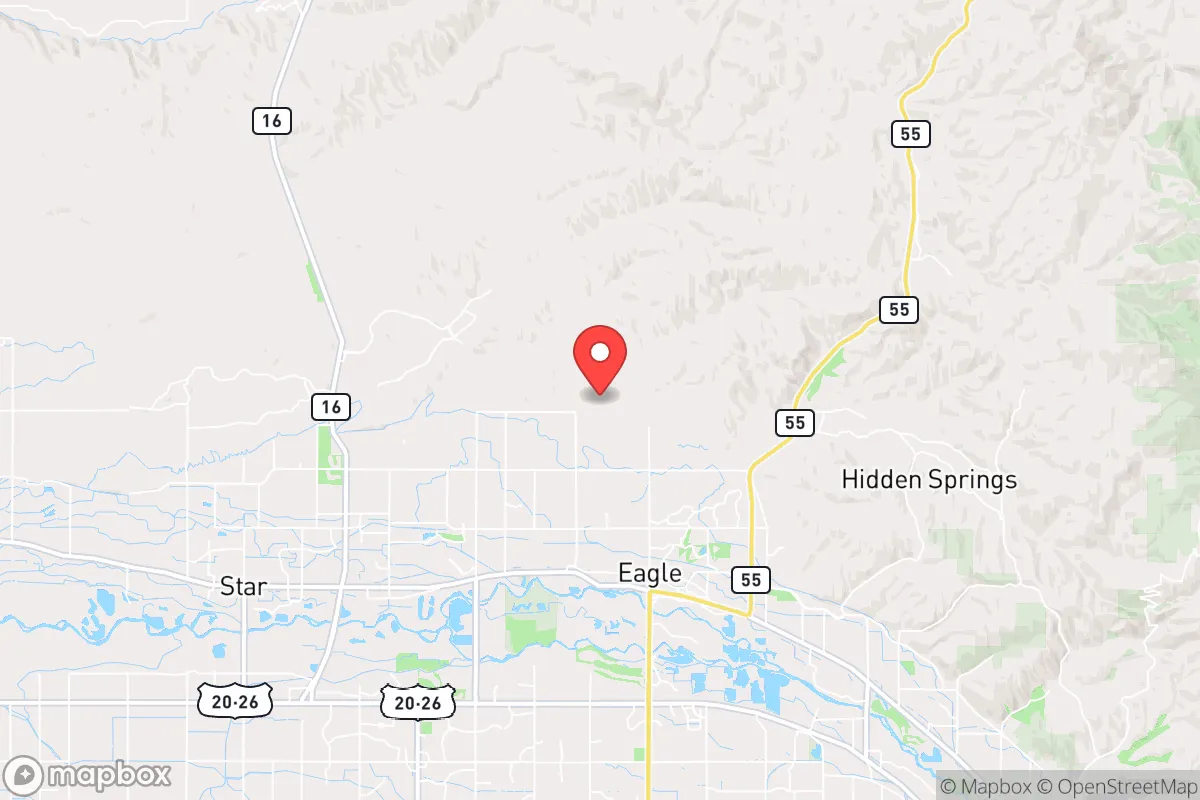
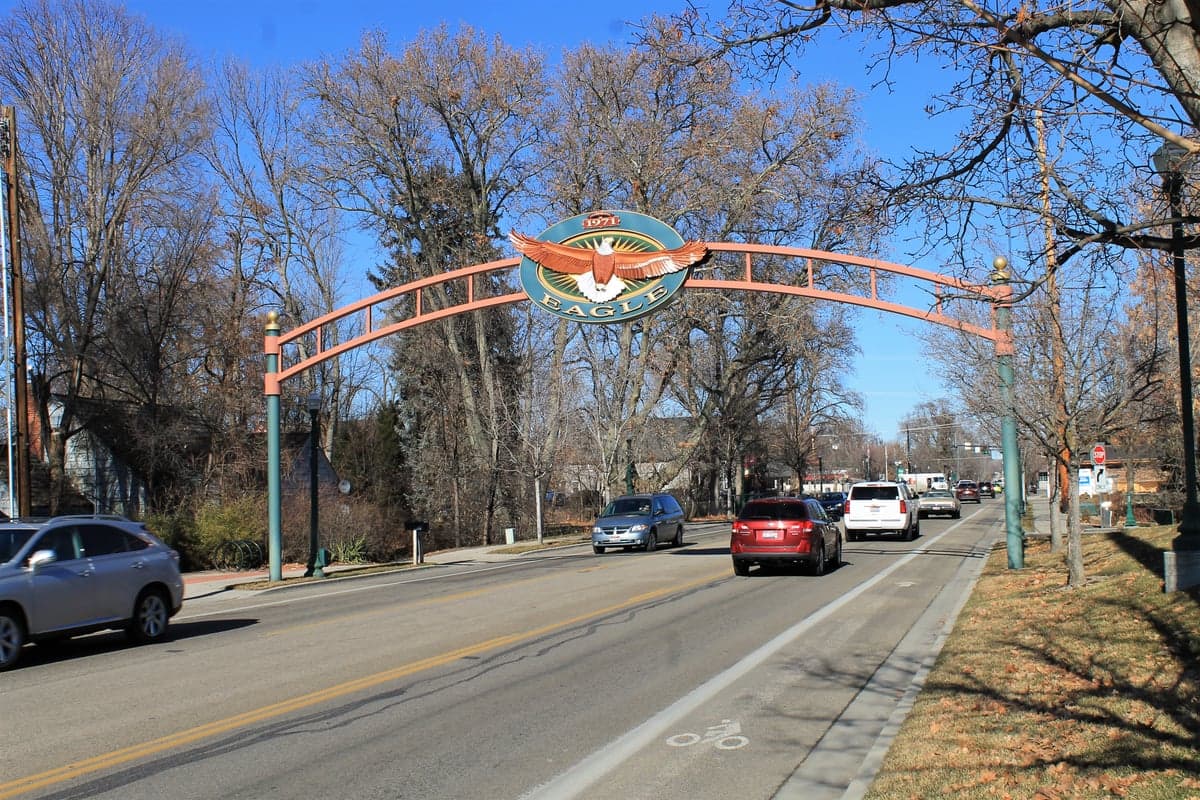
Photo: Wikipedia
Political ClimatePolitical Climate in Eagle, ID
District shown is the primary district for this city’s centroid. Cities may span multiple districts.
Local Political AnalysisPolitical Analysis of Eagle, ID
Eagle, Idaho, has long been one of the most reliably conservative communities in the Treasure Valley, and that hasn’t changed much. The area carries a Cook PVI of R+22, which puts it in the same league as some of the reddest suburbs in the country. If you look at the voting patterns over the last decade, Eagle consistently turns out for conservative candidates, often by margins that make the statewide results look moderate by comparison. But I’ve lived here long enough to notice a subtle shift—not in the voting booth, necessarily, but in the conversations you hear at the grocery store or the coffee shop. There’s a growing unease about how much the county and state are willing to accommodate outside pressure, especially from Boise and Ada County’s more progressive elements. The old guard still holds the line, but you can feel the tension building.
How it compares
Drive ten minutes east into Boise, and you’re in a completely different world politically. Boise has been trending blue for years, with its city council and mayor pushing policies that feel a lot like Portland-lite—density mandates, bike lane expansions that choke traffic, and a general willingness to experiment with progressive social programs. Eagle, by contrast, has resisted most of that. The city council here is still dominated by fiscal conservatives and property rights advocates. Compare Eagle to Meridian, which is also conservative but has grown so fast that it’s starting to see some of the same growing pains—more rental housing, more transient populations, and a city staff that sometimes seems more interested in grant money than in local control. Eagle has kept its slower pace, and that’s helped preserve the political culture. The surrounding unincorporated areas of Ada County lean even further right, especially out toward Star and Middleton, where you’ll find fewer HOAs and a lot more “keep your government hands off my land” sentiment.
What this means for residents
For the people who live here, the political climate translates into a pretty straightforward daily reality: fewer regulations, lower taxes, and a general sense that local government is still accountable to the neighbors, not to some distant party apparatus. Property taxes in Eagle are among the lowest in Ada County for the value you get, and the city has been aggressive about pushing back against state-level mandates that would override local zoning or land-use decisions. That’s a big deal if you value the right to do what you want with your own property. The school board elections here are still won by candidates who emphasize parental rights and curriculum transparency, which is becoming less common in the region. But there’s a concern that as Eagle grows—and it is growing, with new subdivisions popping up along Highway 44—the political balance could tip. More people moving in from California or Washington bring different expectations, and some of them don’t understand why we don’t want a light rail stop or a higher minimum wage. So far, the old-timers and the newer conservative transplants have held the line, but it’s something to watch.
Culturally, Eagle still feels like a place where the Second Amendment is a given, not a debate. You don’t see “Black Lives Matter” signs in yards here, and the local churches are full on Sunday mornings. The city has also been a leader in pushing back against what some see as federal overreach—things like land-use restrictions on the Boise River frontage or EPA mandates that would limit development. There’s a strong libertarian streak underneath the mainstream conservatism, a sense that the best government is the one that stays out of your way. If you’re looking for a place where your vote actually counts and your voice still matters at city hall, Eagle is it. But if the progressive wave that’s washing over Boise keeps creeping east, I’d say we’ve got maybe another decade before the real fights start.

State Political ClimatePolitical Climate in Idaho
State Political AnalysisPolitical Environment in the State
Idaho has long been one of the most reliably Republican states in the nation, with a partisan lean that has only deepened over the past two decades. The state voted for Donald Trump by over 30 points in both 2020 and 2024, and Republicans hold every statewide office, supermajorities in both legislative chambers, and all four congressional seats. But the real story is the shift: Idaho was already red in the 2000s, but the last 10-15 years have seen a dramatic acceleration, driven by an influx of conservative transplants from California, Washington, and Oregon who are fleeing progressive policies in their home states. This has pushed the state’s politics further right, particularly in the fast-growing Treasure Valley and northern Idaho, while the rural southeast and central mountains remain deeply conservative strongholds.
Urban vs. rural divide
The political map of Idaho is starkly divided between its few urban centers and the vast rural expanse. Boise, the state’s capital and largest city, is the only significant blue-leaning area, with Ada County voting for Joe Biden in 2020 by a narrow margin and trending slightly more Democratic in recent cycles due to an influx of younger, more moderate professionals. However, even Boise is not a progressive stronghold—it’s a purple island in a sea of red. The surrounding suburbs like Meridian, Eagle, and Nampa are deeply conservative, with many new arrivals specifically choosing these areas for their lower taxes, gun-friendly culture, and school choice options. Coeur d’Alene and Post Falls in the north have seen explosive growth from California and Washington transplants, shifting Kootenai County from a traditional Republican base to a hotbed of libertarian-leaning, anti-government sentiment. Meanwhile, rural counties like Lemhi, Custer, and Clark routinely vote 80-90% Republican, driven by agriculture, mining, and a deep distrust of federal land management. The divide isn’t just urban vs. rural—it’s also a cultural clash between long-time residents and newcomers, with the latter often pushing for even more aggressive conservative policies on taxes, guns, and education.
Policy environment
Idaho’s policy environment is a model of limited government, with a flat income tax rate of 5.8% (down from 6.5% in 2023), no corporate income tax on pass-through entities, and a strict constitutional limit on property tax increases. The state has no sales tax on groceries, and the overall tax burden is among the lowest in the nation. On education, Idaho has embraced school choice through charter schools, open enrollment, and the Idaho Education Savings Account program (HB 93, 2023), which allows parents to use state funds for private school tuition, homeschooling materials, or tutoring. Healthcare policy is minimal—Idaho did not expand Medicaid until 2020 via ballot initiative, and the legislature has since tried to impose work requirements. The state’s election laws are among the most secure in the country: voter ID is required, same-day registration is not allowed, and absentee ballots require a notarized signature or witness. There is no early voting in the traditional sense, though mail-in ballots are available with an excuse. The legislature has also passed laws banning ranked-choice voting and prohibiting private funding of election administration, both aimed at preventing the kind of election integrity controversies seen in other states.
Trajectory & freedom
Idaho is becoming more free, not less, and the trajectory is accelerating. In 2023, the legislature passed the Idaho Firearms Freedom Act, which exempts firearms and accessories made and kept in Idaho from federal regulation—a direct challenge to federal overreach. The same year, the Parental Rights in Education Act (HB 261) was signed, requiring schools to notify parents of any curriculum related to sexual orientation or gender identity and prohibiting instruction on these topics in K-3. The Medical Freedom Act (SB 1137, 2023) prohibits employers and government entities from mandating COVID-19 vaccines, and the Health Care Conscience Rights Act protects medical professionals from being forced to participate in procedures they object to. On property rights, the Private Property Protection Act (HB 220, 2024) limits the use of eminent domain for economic development. The only area where freedom has contracted is on abortion: a near-total ban (HB 242, 2020) went into effect after the Dobbs decision, with exceptions only for rape, incest, and the life of the mother. For conservatives, this is a feature, not a bug. The overall trend is clear: Idaho is aggressively pushing back against federal overreach and progressive cultural mandates, making it a magnet for those seeking to live under minimal government interference.
Civil unrest & political movements
Idaho has seen its share of political flashpoints, but they are mostly on the right. The Idaho Freedom Foundation, a powerful conservative think tank, has successfully pushed for tax cuts, school choice, and anti-vaccine mandates, often clashing with more moderate Republicans. In 2020, the state saw large protests against COVID-19 lockdowns, particularly in Boise and Coeur d’Alene, where demonstrators gathered at the Statehouse to demand the reopening of businesses and churches. The People’s Rights organization, founded by Ammon Bundy, has a strong presence in the state, particularly in rural areas, and has organized protests against mask mandates, vaccine passports, and child protective services. On the left, the Idaho Women’s March and Indivisible Boise have held rallies for abortion access and LGBTQ rights, but these are small and largely confined to the capital. Immigration politics are relatively quiet, though the legislature passed a bill in 2024 requiring local law enforcement to cooperate with federal immigration authorities. There is no sanctuary city movement of note. Election integrity has been a hot topic, with the legislature passing laws to ban ballot drop boxes and require hand-counting of ballots in some counties, though no major controversies have erupted. The overall atmosphere is one of active, engaged conservatism, with a strong libertarian streak that distrusts both state and federal power.
Projection
Over the next 5-10 years, Idaho will likely become even more conservative, driven by continued in-migration from blue states. The Treasure Valley is expected to add another 300,000 residents by 2035, with most settling in Meridian, Kuna, and Star—all deeply red suburbs. Northern Idaho, particularly Bonner County and Boundary County, will see similar growth from Washington and Oregon refugees. This influx will push the state further right on taxes, education, and gun rights, but may also create tensions between libertarian-leaning newcomers and the more traditional, religious conservatives who have long dominated the state. The biggest wildcard is the growing influence of the Idaho Freedom Caucus, which is pushing for even more aggressive policies like a full repeal of the state income tax, a constitutional convention of states, and nullification of federal gun laws. If this faction gains more power, Idaho could become a test case for maximum devolution of power to the state level. For a new resident, the state will look very similar to today, only more so: lower taxes, more school choice, fewer regulations, and a culture that prizes individual liberty over collective action.
For someone moving to Idaho, the bottom line is this: you are choosing a state that is actively fighting to preserve and expand personal freedom, particularly in the areas of gun rights, parental rights, and economic liberty. The political climate is overwhelmingly conservative, with a strong libertarian streak that distrusts government overreach at every level. You will find a welcoming community of like-minded individuals in the suburbs and rural areas, but you should be prepared for a culture that values self-reliance and limited government above all else. If you are fleeing high taxes, heavy regulations, or progressive social policies, Idaho is one of the best places in the country to land. Just be ready for the winters—and the fact that your new neighbors will probably own more guns than you do.
* Values derived from national, state, county, city and local statistics and may differ in a specific area. Last updated: 2026-04-21T18:23:50.000Z
Narrative content on this page is AI-generated and may contain mistakes. Verify any details that matter before acting on them.
ReloMaps may earn a commission from affiliate links at no extra cost to you.

