
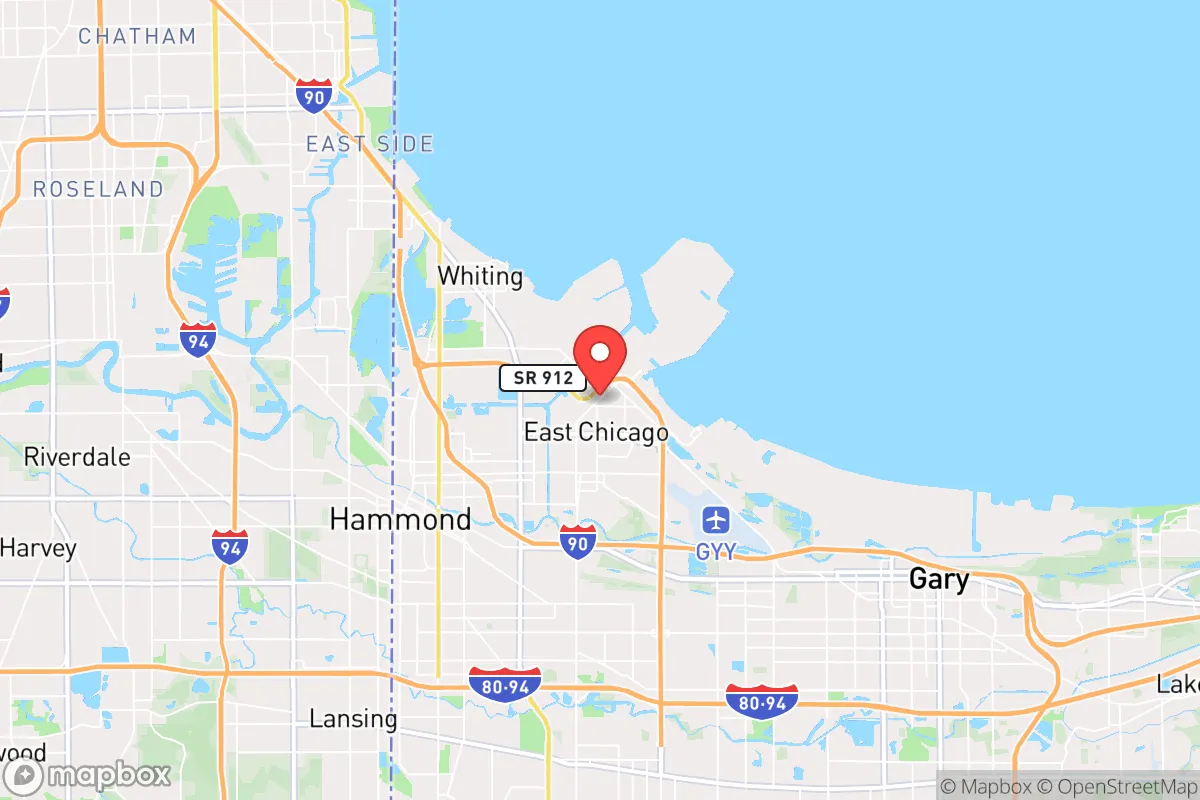
Photo: Wikipedia
Quality of Life in East Chicago, IN
A high quality of life with strong walkability, manageable living costs, healthy neighborhood signals, and solid amenity access.
What does Quality of Life tell us?
Quality of Life blends cost of living, nearby amenities, socioeconomic signals, and neighborhood character. City-level scores represent the whole municipality; individual neighborhoods can differ.
What does this tell us?
Quality of Life blends cost of living, nearby amenities, socioeconomic signals, and neighborhood character. City-level scores represent the whole municipality; individual neighborhoods can differ.
Cost of Living
45% below national average
The Real Cost of Living in East Chicago, IN for 2026
| Tier | Individual | Family (4) |
|---|---|---|
| Survival | $13k | $25k |
| Comfortable | $22k | $32k |
| Luxury | $74k+ | $115k+ |
| Elite (Top 5%) | $99k+ | $153k+ |
127%
The Area Signal
A metric tracking the socioeconomic signals of the area.
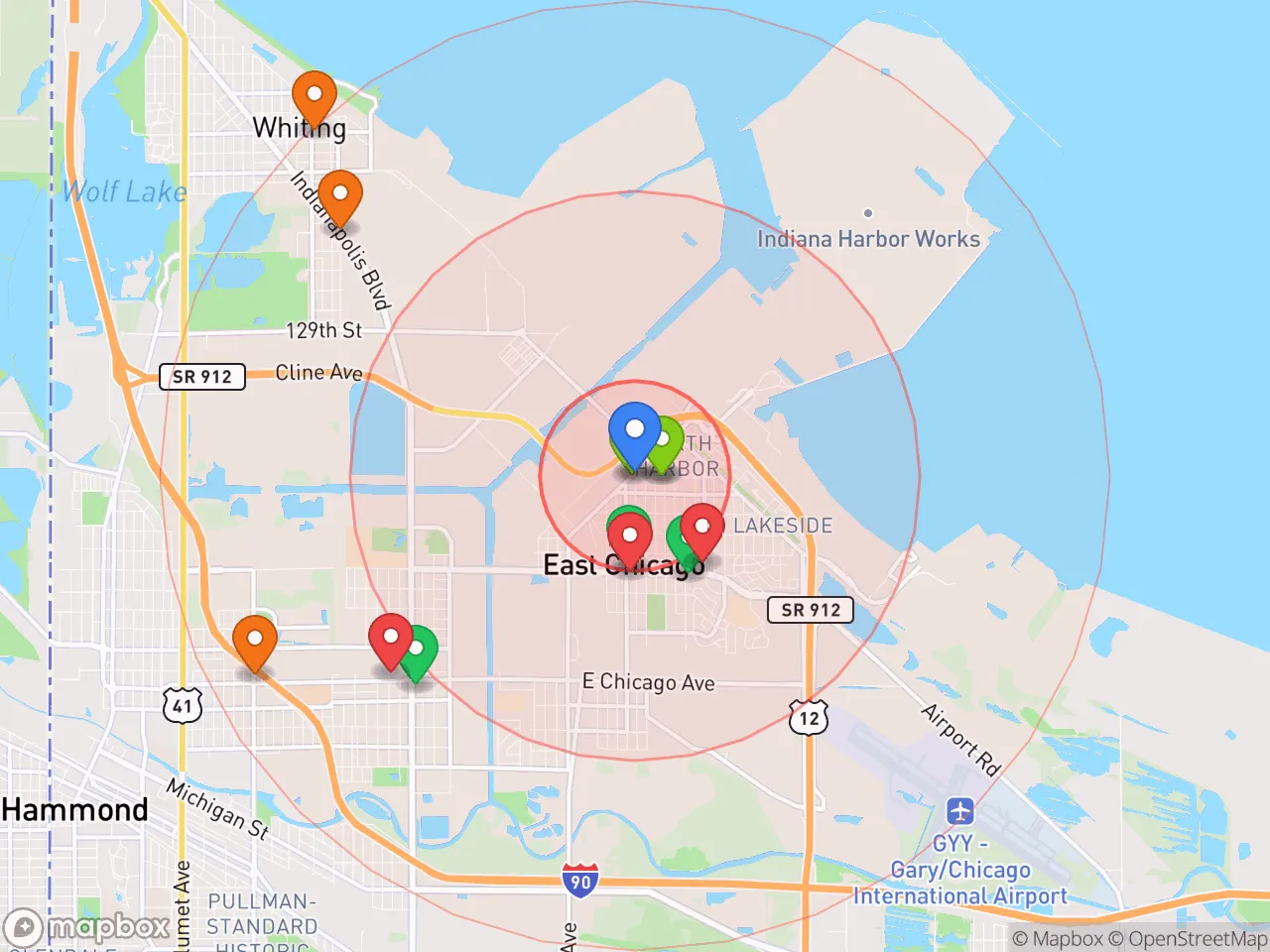
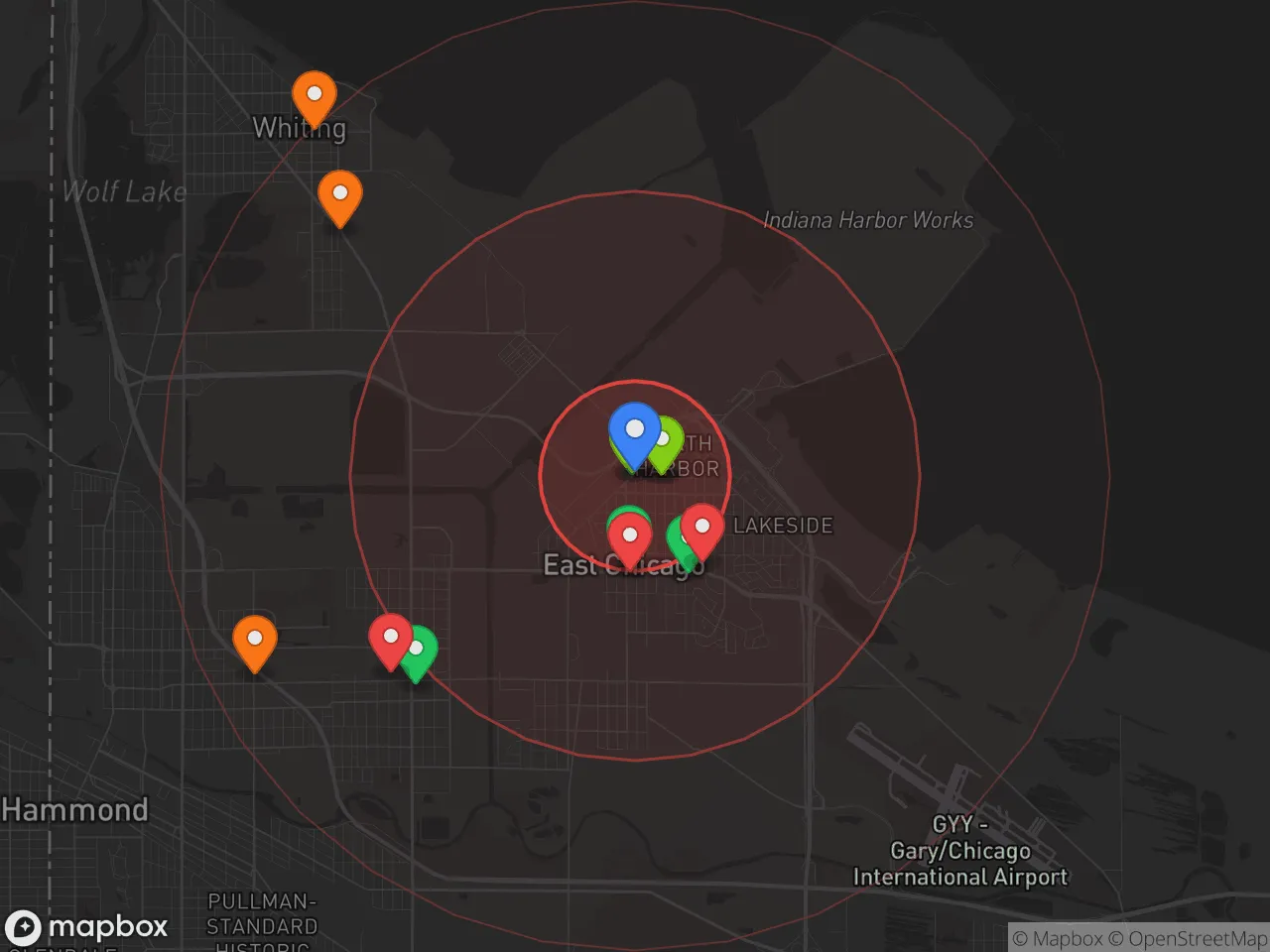
Hobbies
Explore the areaGroceries
6 within 10 miles
Gas
20 within 10 miles
Hospital
20 within 20 miles
Airport
MDW — Midway International
Post Office
USPS — East Chicago, IN
Critical Amenities
Quality-of-Life Analysis
East Chicago, Indiana, presents a distinctly working-class urban environment where the cost of living index sits at 55—well below the national average of 100—making it one of the most affordable communities in the Chicago metropolitan area. The population is predominantly blue-collar and diverse, with a strong Hispanic and African American heritage, and many residents work in nearby industrial sectors such as steel manufacturing, logistics, and healthcare. While the city does not rank among affluent suburbs, its low housing costs and proximity to Chicago attract budget-conscious families, retirees on fixed incomes, and young workers seeking an entry point into the regional job market.
Cost of living, housing affordability, and how East Chicago compares to nearby areas
East Chicago’s cost of living is dramatically lower than the U.S. average, with a composite index of 55. The median home value is $92,400, compared to the national median of roughly $350,000, and the median rent is $820 per month—about half the typical rent in Chicago proper. This affordability gap is even starker when measured against neighboring Lake County suburbs like Munster or Schererville, where median home values often exceed $250,000. The average commute time of 21.9 minutes is shorter than the national average of 26 minutes, largely because many residents work at local industrial plants, warehouses, or within the city itself. However, property taxes in Lake County are relatively high (often 2–3% of assessed value), which can offset some of the housing savings for homeowners. For renters, the low monthly costs make East Chicago one of the most accessible options in Northwest Indiana for those earning near the median household income of roughly $35,000.
What daily life is like for families: schools, amenities, and local rhythm
Daily life in East Chicago revolves around a compact, walkable urban core with limited but essential amenities. The East Chicago Public Library, the city’s parks along the Lake Michigan shoreline (including the popular Jeorse Park Beach), and the Ameristar Casino provide recreation and entertainment. The School City of East Chicago district serves most families, though many residents opt for nearby charter schools or commute to higher-rated districts in Hammond or Whiting. Grocery access is adequate, with several national chains and local markets, but the city lacks the boutique retail and dining found in pricier suburbs. The rhythm of life is slower than downtown Chicago but faster than rural Indiana, with a strong sense of community events like the annual East Chicago Summer Festival. Public safety remains a concern—violent crime rates are above state averages—but neighborhood watch groups and community policing initiatives are active. For families, the trade-off is clear: lower housing costs and a short commute versus fewer high-end schools and amenities.
East Chicago is best suited for cost-conscious individuals and families who prioritize affordability and proximity to Chicago over suburban amenities or high-performing public schools. Workers in manufacturing, logistics, or healthcare will find the short commute and low rent especially appealing, while retirees on limited budgets can stretch their savings further here than in most Lake County communities. Those seeking top-tier schools, low crime rates, or upscale shopping should look to neighboring Munster or Crown Point, but for anyone willing to trade some polish for financial breathing room, East Chicago offers a viable, grounded urban lifestyle.

Crime in East Chicago, IN
Generally safer than 71% of comparable U.S. locations.
Violent CrimeViolent Crime Analysis
Property CrimeProperty Crime Analysis
Crime Analysis
East Chicago, Indiana, faces a crime landscape that demands careful consideration from potential residents. The city’s violent crime rate stands at 191.2 incidents per 100,000 residents, while property crime occurs at a rate of 362.9 per 100,000. These figures place East Chicago in a challenging position relative to national averages, and the broader context of its location within a large metropolitan area with progressive judicial policies adds a layer of concern for public safety.
Crime in context
When compared to national benchmarks, East Chicago’s violent crime rate of 191.2 per 100,000 is notably lower than the U.S. average of roughly 380 per 100,000, which may appear reassuring at first glance. However, this statistic must be weighed against the city’s property crime rate of 362.9 per 100,000, which is below the national property crime average of approximately 1,950 per 100,000. While these numbers suggest East Chicago is safer than many American cities on paper, the reality is complicated by its position within the Chicago metropolitan area. Lake County, where East Chicago is situated, has seen a trend toward progressive prosecutorial policies in recent years. District attorneys and judges who prioritize rehabilitation over incarceration, while well-intentioned, can result in shorter sentences and more offenders returning to the streets sooner, directly impacting community safety and victim justice. This judicial philosophy is a significant negative factor for those evaluating long-term safety in the area.
What residents experience
Daily life in East Chicago involves navigating a mix of neighborhood conditions. Property crimes like theft, burglary, and vehicle break-ins are the most common incidents residents report, though the rate is lower than in many comparable Rust Belt cities. Violent crime, while less frequent, tends to be concentrated in specific areas and often involves disputes among individuals known to one another. Random violent attacks against residents or visitors are relatively rare, but the presence of a justice system that may be lenient on repeat offenders creates an underlying unease. Residents frequently express concerns about the effectiveness of policing and the speed at which known criminals cycle back into the community, a direct consequence of the progressive legal environment in Lake County.
Neighborhood-level variation
Safety in East Chicago is not uniform across the city. The northern and western neighborhoods, particularly those closer to the lakefront and newer residential developments, tend to experience lower crime rates than the older, more industrial southern and eastern sections. Areas near major thoroughfares like Indianapolis Boulevard and Cline Avenue see higher foot traffic and associated property crime. For anyone considering a move, it is essential to research specific blocks and talk to current residents, as the difference between a quiet street and a higher-risk corridor can be stark. The overarching judicial climate, however, remains a citywide concern that affects all neighborhoods, making proactive community engagement and home security measures a wise investment for any new resident.
* Values derived from national, state, county, city and local statistics and may differ in a specific area. Last updated: 2026-04-22T08:55:24.000Z
Narrative content on this page is AI-generated and may contain mistakes. Verify any details that matter before acting on them.
ReloMaps may earn a commission from affiliate links at no extra cost to you.

