Photo: Wikipedia
Demographics of East Hampton, NY
Affluence Level in East Hampton, NY
An elite concentration of wealth — high incomes, strong home values, advanced degrees, and minimal poverty signal a top-tier socioeconomic profile.
People of East Hampton, NY
East Hampton, New York, is a small village of 1,277 residents that remains overwhelmingly white (77.1%) and highly educated (68.5% college degree holders), with a notable Hispanic minority (16.7%) and a very small Black population (3.3%). The village’s character is defined by its historic wealth, seasonal tourism economy, and strict preservationist ethos, creating a community that is both exclusive and culturally insular. Foreign-born residents make up 9.9% of the population, a figure that reflects limited recent immigration compared to other parts of Long Island. For a conservative-leaning audience, East Hampton represents a place where traditional property rights, local control, and community stability are fiercely defended, though demographic change is slowly arriving.
How the city was settled and grew
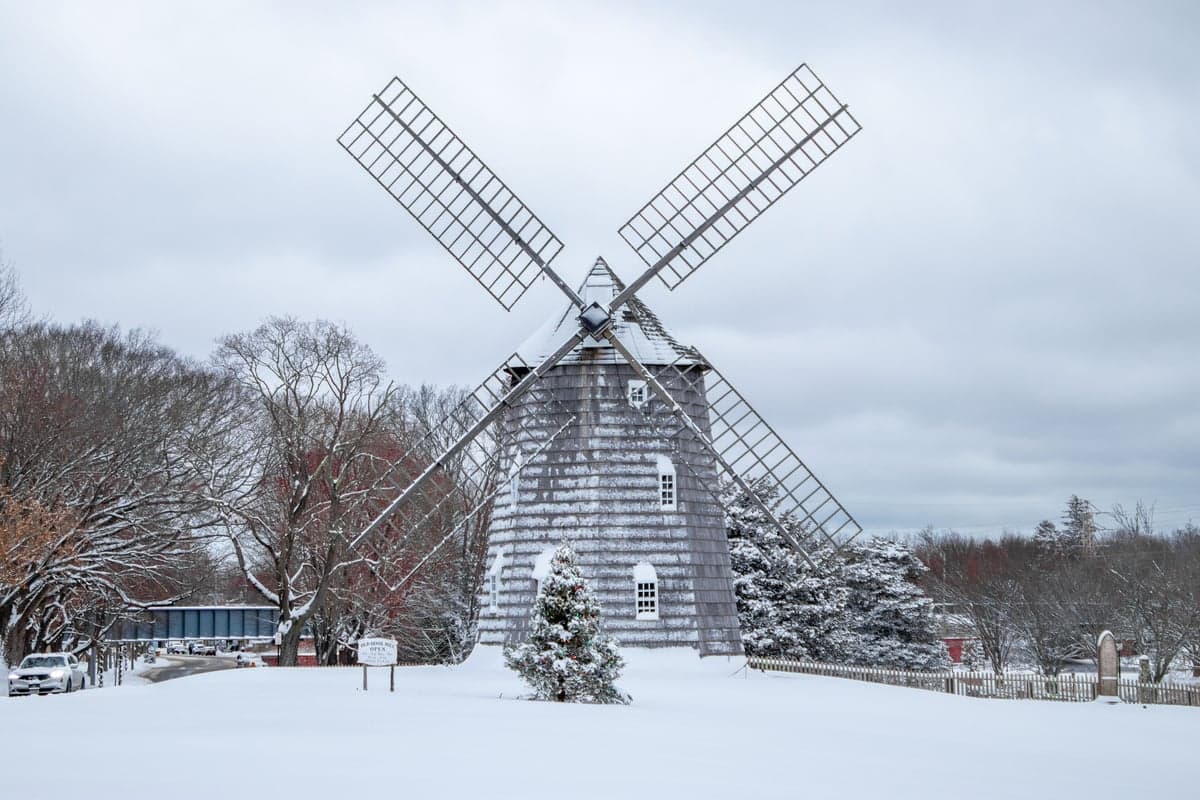
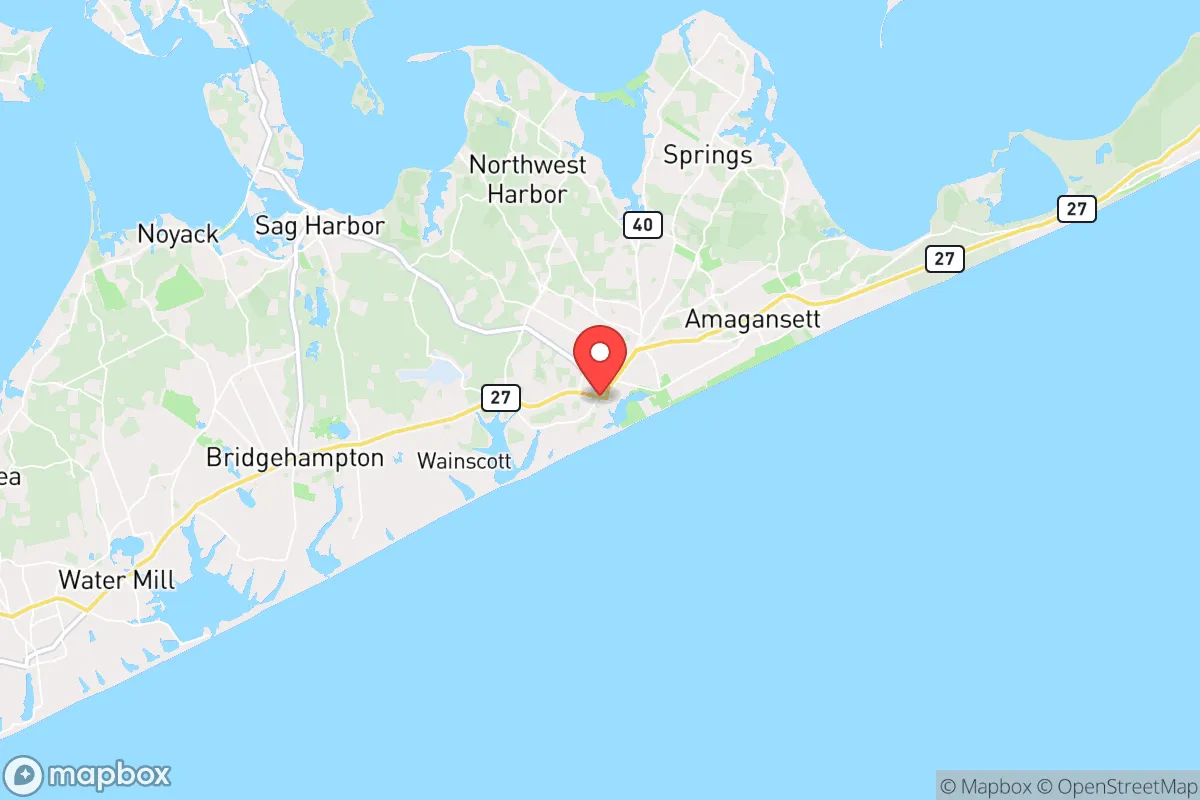
East Hampton’s original population was English Puritan settlers from the Massachusetts Bay Colony, who arrived in 1648 under a land grant from the Connecticut Colony. These families—the Gardiners, Mulfords, and Hedges—established a farming and whaling economy, with the village center forming around what is now Main Street and the historic Hook Mill area. The Montaukett Native American tribe, who had used the area for seasonal fishing and hunting, were gradually displaced through land purchases and treaties, most notably the 1660 agreement that ceded most of the South Fork. By the 18th century, the village had a stable, homogeneous population of English-descended farmers and mariners, with the Amagansett hamlet (east of the village proper) developing as a separate fishing and farming community. The 19th century brought little demographic change; the population remained small, white, and Protestant, with the Northwest Woods area remaining largely undeveloped forest and farmland. The first significant non-English influx came in the late 1800s with Irish and German laborers who built the railroad and worked in the new resort hotels, settling in modest homes along Three Mile Harbor Road and the Springs area, which became a working-class enclave.
Modern era (post-1965)
The post-1965 era transformed East Hampton from a quiet farming village into a high-end summer colony for wealthy New York City families. The 1960s and 1970s saw the arrival of artists, writers, and professionals—many from the city’s creative and financial sectors—who bought up former farmhouses and shingled cottages in Georgica and Wainscott, driving property values sharply upward. The Hispanic population began growing in the 1980s and 1990s, primarily Mexican and Central American immigrants who came to work in landscaping, construction, and domestic service for the wealthy seasonal residents. These workers concentrated in the Springs area and along Montauk Highway near the village line, often in rental apartments and shared houses that remain largely invisible to the summer crowd. The Asian population (East/Southeast Asian) is negligible at 0.3%, and the Indian-subcontinent population is zero, reflecting the village’s lack of the tech-sector employment that drives Asian immigration elsewhere on Long Island. The Black population (3.3%) is small and historically rooted, with a few families tracing their presence to the 19th-century whaling era, but no distinct Black neighborhood exists today. The white population, while still dominant, has aged significantly; many year-round residents are retirees or second-home owners who spend only part of the year in the village.
The future
East Hampton’s population is likely to continue its slow decline in year-round residents, as rising property taxes and housing costs push out middle-class families and workers. The Hispanic share (16.7%) is expected to grow modestly as service-sector demand persists, but strict zoning laws and limited rental housing will prevent the kind of rapid ethnic change seen in other Long Island communities. The white population will likely remain dominant but will become even more seasonal and older, with fewer young families able to afford the village’s median home price (well over $2 million). The village is not homogenizing; rather, it is tribalizing into two distinct groups: wealthy, mostly white seasonal residents who control local politics and preservation, and a smaller, more diverse year-round workforce concentrated in the Springs and along the highway corridors. The next 10-20 years will likely see continued tension between preservationists who want to freeze the village’s character and the practical need for workforce housing, but no major demographic upheaval is expected.
For someone moving in now, East Hampton offers a stable, highly educated, and politically conservative community where property values are secure and the pace of life is slow—provided you can afford it. The village is becoming a place of stark economic stratification, with the wealthy white majority living in historic homes and the Hispanic workforce living in the margins. It is not a place of rapid demographic change or cultural fusion, but rather a carefully preserved enclave where tradition and exclusivity remain the defining values.

* Values derived from national, state, county, city and local statistics and may differ in a specific area. Last updated: 2026-04-24T01:45:50.000Z
Narrative content on this page is AI-generated and may contain mistakes. Verify any details that matter before acting on them.
ReloMaps may earn a commission from affiliate links at no extra cost to you.

