
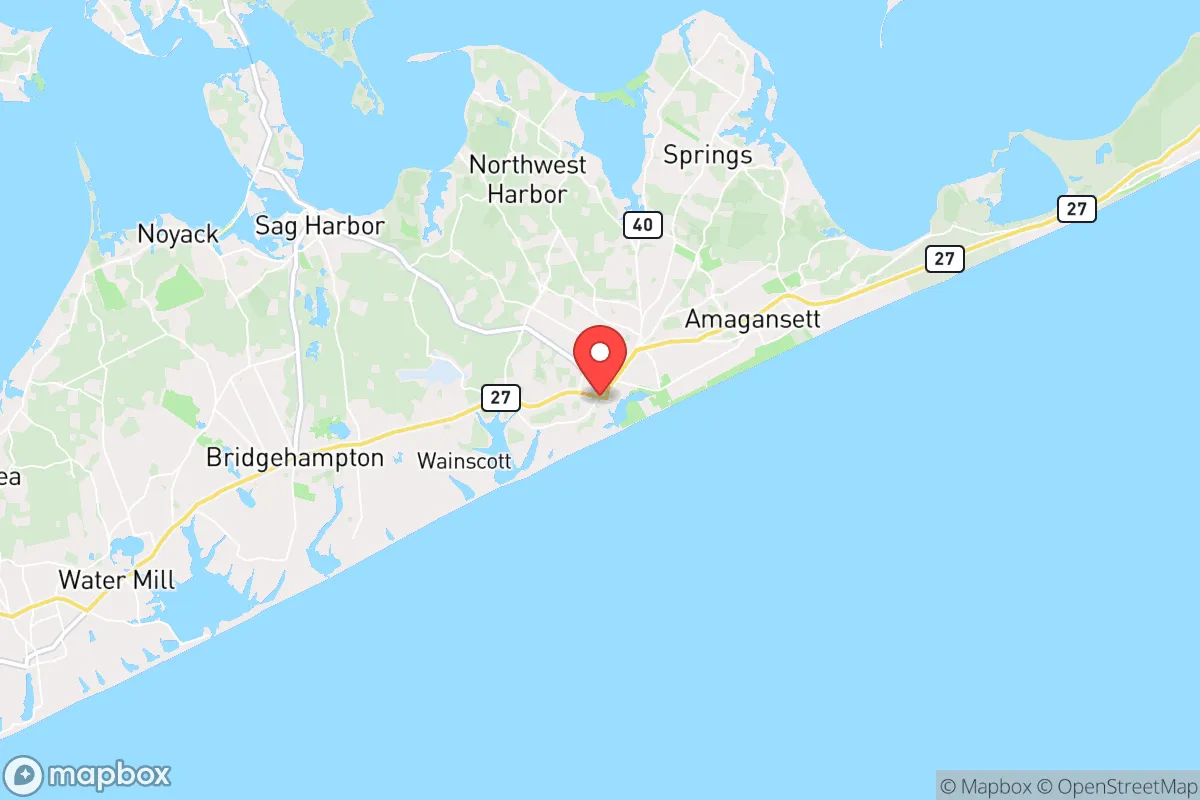
Photo: Wikipedia
Quality of Life in East Hampton, NY
A high quality of life with strong walkability, manageable living costs, healthy neighborhood signals, and solid amenity access.
What does Quality of Life tell us?
Quality of Life blends cost of living, nearby amenities, socioeconomic signals, and neighborhood character. City-level scores represent the whole municipality; individual neighborhoods can differ.
What does this tell us?
Quality of Life blends cost of living, nearby amenities, socioeconomic signals, and neighborhood character. City-level scores represent the whole municipality; individual neighborhoods can differ.
Cost of Living
313% above national average
The Real Cost of Living in East Hampton, NY for 2026
| Tier | Individual | Family (4) |
|---|---|---|
| Survival | $40k | $75k |
| Comfortable | $341k | $501k |
| Luxury | $352k+ | $546k+ |
| Elite (Top 5%) | $587k+ | $910k+ |
23%
The Area Signal
A metric tracking the socioeconomic signals of the area.
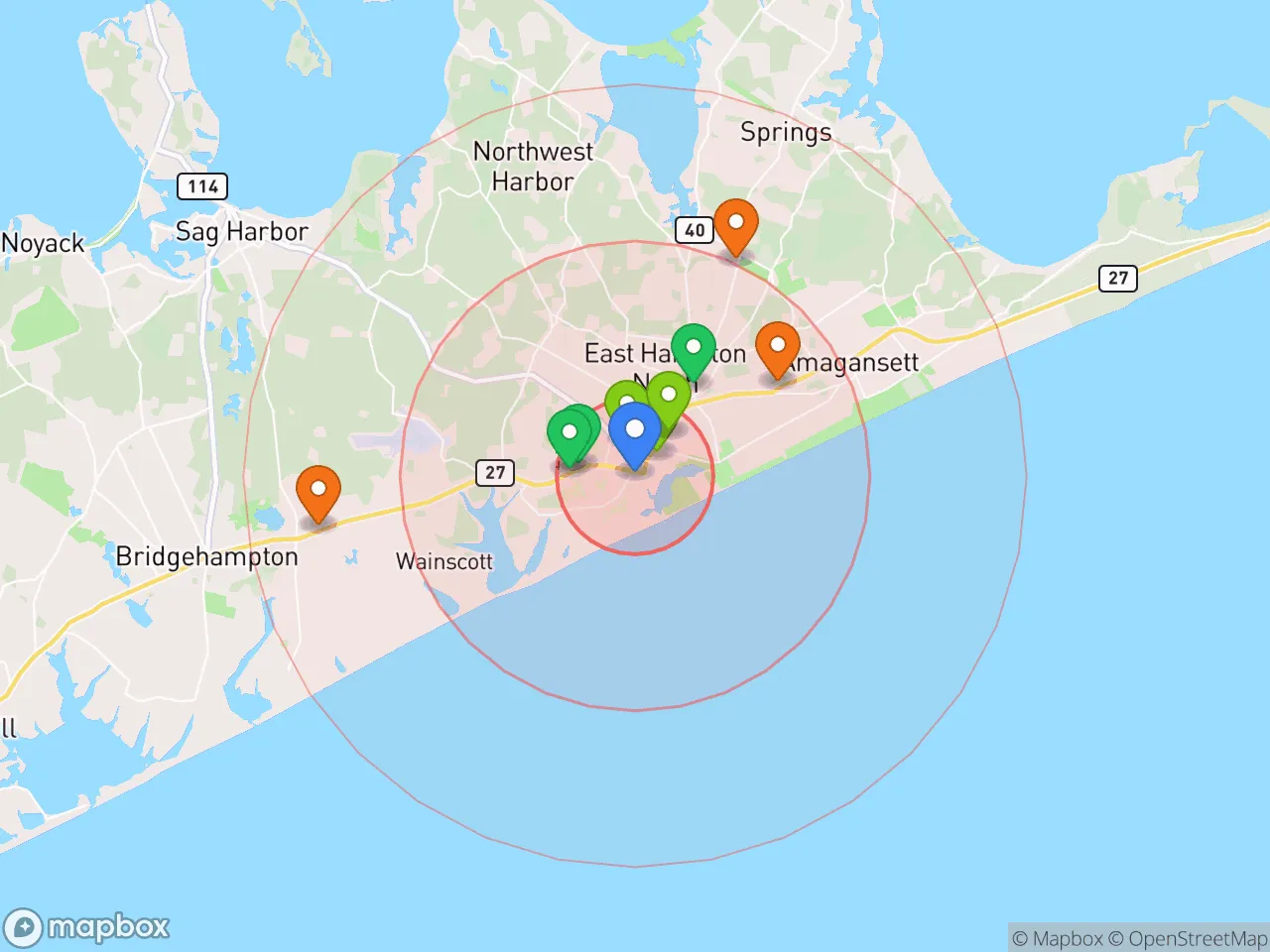
Hobbies
Explore the areaGroceries
3 within 10 miles
Gas
7 within 10 miles
Hospital
2 within 20 miles
Airport
JFK — John F. Kennedy International
Post Office
USPS — East Hampton, NY
Critical Amenities
Quality-of-Life Analysis
East Hampton, New York, is one of the most affluent communities in the United States, defined by a quality of life that blends coastal luxury with a distinct seasonal rhythm. The population is a mix of ultra-high-net-worth year-round residents, second-home owners, and a workforce that supports the town’s hospitality and service sectors. With a cost of living index of 413 (more than four times the national average), daily life here is financially inaccessible to most, yet those who can afford it enjoy pristine beaches, top-tier cultural amenities, and a famously low-key pace outside the summer crush.
Cost of living, housing, and affordability compared to the Hamptons corridor
East Hampton’s cost of living is the highest in Suffolk County and among the highest in New York State, driven almost entirely by housing. The median home value sits at $2,000,001, a figure that places it well above nearby Southampton (median ~$1.5 million) and far above Riverhead (median ~$550,000). Renting offers little relief: the median rent is $2,500, though that figure masks a market where seasonal rentals (June through August) can exceed $50,000 for a modest three-bedroom house. For context, a one-bedroom apartment in a year-round rental building typically runs $2,800–$3,500 per month. The average commute of 22.4 minutes is deceptively low because many residents work locally in retail, landscaping, or hospitality; those commuting to Manhattan face a 2.5-hour train ride or a 90-minute drive in off-peak hours. Property taxes are high — roughly 1.5% of assessed value — but the town offers no local income tax, and the school tax is partially offset by STAR exemptions for primary residents.
What daily life is like for families and year-round residents
Year-round life in East Hampton revolves around the village’s walkable Main Street, the East Hampton Library, and the town’s extensive park system, which includes 11 ocean and bay beaches. The East Hampton Union Free School District consistently ranks among New York’s top 10%, with John M. Marshall Elementary and East Hampton High School both earning Blue Ribbon recognition. The school’s student-teacher ratio is roughly 10:1, and the district offers robust arts and AP programs. Amenities are concentrated: residents have access to the Guild Hall performing arts center, the Pollock-Krasner House museum, and dozens of farm stands and seafood markets along Montauk Highway. The social calendar is dominated by summer charity galas and fall harvest festivals, but the off-season (November–April) is markedly quiet, with many restaurants and shops closing or reducing hours. Healthcare is served by Stony Brook Southampton Hospital, a 30-minute drive, and urgent care is available in East Hampton village.
This quality of life is best suited for high-income families, retirees, or remote professionals who value natural beauty, privacy, and a tight-knit community over urban convenience. Those who thrive here are typically comfortable with seasonal isolation, high property costs, and a culture that prizes understated luxury. For middle-income workers — teachers, nurses, service staff — the quality of life is strained by long commutes from more affordable towns like Riverhead or Hampton Bays, where the cost of living index drops to 150–180. East Hampton offers an unmatched coastal lifestyle, but it is a lifestyle reserved for those with significant financial resources or a willingness to trade space and savings for proximity to the Atlantic.

Crime in East Hampton, NY
Generally safer than 56% of comparable U.S. locations.
Violent CrimeViolent Crime Analysis
Property CrimeProperty Crime Analysis
Crime Analysis
East Hampton, New York, presents a complex safety picture where property crime rates significantly exceed national averages, while violent crime remains somewhat elevated compared to the rest of Suffolk County. The village and surrounding town, a wealthy summer destination on the South Fork of Long Island, experiences a pronounced seasonal crime surge tied to its tourist economy. With a violent crime rate of 331.5 per 100,000 residents and a property crime rate of 1,323.4 per 100,000, the area demands careful consideration from potential residents, particularly regarding property security and the broader regional justice environment.
Crime in context
East Hampton's violent crime rate is roughly on par with the national average but is notably higher than the New York State average, which sits around 350 per 100,000 for violent offenses. The property crime rate, however, is a more significant concern, exceeding the national average by approximately 10-15% and the state average by a wider margin. These figures are heavily influenced by the summer months, when the population swells and high-value homes, vehicles, and personal property become targets. The presence of Suffolk County's progressive district attorney's office, which has implemented policies emphasizing diversion and reduced incarceration for non-violent offenders, is a factor that residents should weigh. Critics argue that such an approach, while intended to reduce recidivism, can lead to a revolving door for property criminals, undermining deterrence and public confidence in the justice system.
What residents experience
For year-round residents, the primary safety concern is property crime, including burglaries, larcenies from vehicles, and package thefts. These incidents are concentrated in the densely developed village center and in the more secluded, high-value waterfront neighborhoods. Violent crime is less common but does occur, often linked to domestic disputes or incidents involving transient populations. The East Hampton Town Police Department maintains a visible presence, but the sheer volume of seasonal visitors strains resources. The local justice system's ideological lean—prioritizing rehabilitation over punishment for many property crimes—means that repeat offenders are frequently released quickly, a pattern that frustrates many homeowners and business owners who feel the system prioritizes offender welfare over victim restitution and public safety.
Neighborhood-level variation is significant. The incorporated Village of East Hampton, with its own police force, generally reports lower crime rates than the more rural and less patrolled areas of the town, such as Springs, Amagansett, and Montauk. Gated communities and private roads offer an additional layer of security. Conversely, areas near the Montauk Highway corridor and commercial districts see higher rates of opportunistic theft. Prospective residents should research specific hamlet crime maps and consider that the overall county trend—driven by progressive prosecutorial policies—suggests a permissive environment for property crime that may not align with the expectations of those relocating from jurisdictions with stricter enforcement.
* Values derived from national, state, county, city and local statistics and may differ in a specific area. Last updated: 2026-04-24T01:45:50.000Z
Narrative content on this page is AI-generated and may contain mistakes. Verify any details that matter before acting on them.
ReloMaps may earn a commission from affiliate links at no extra cost to you.

