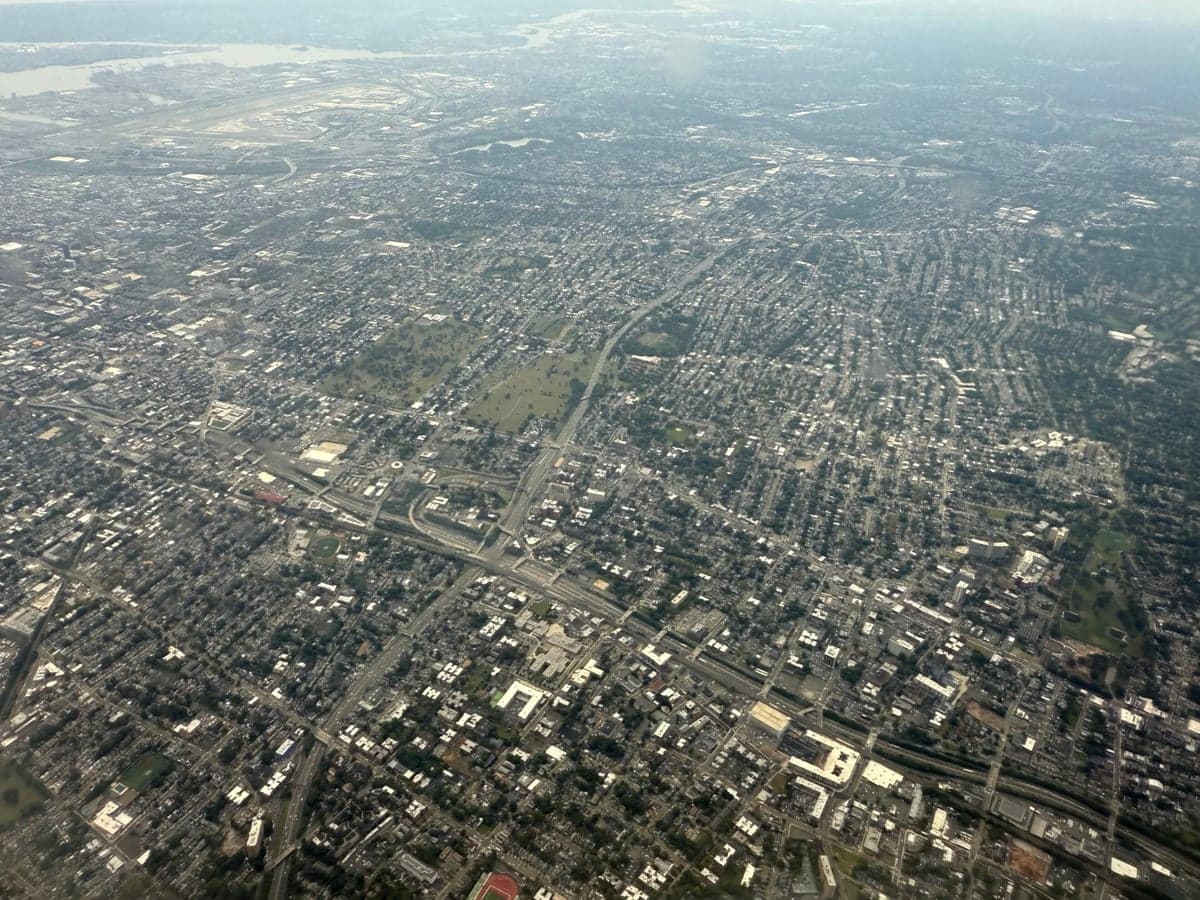
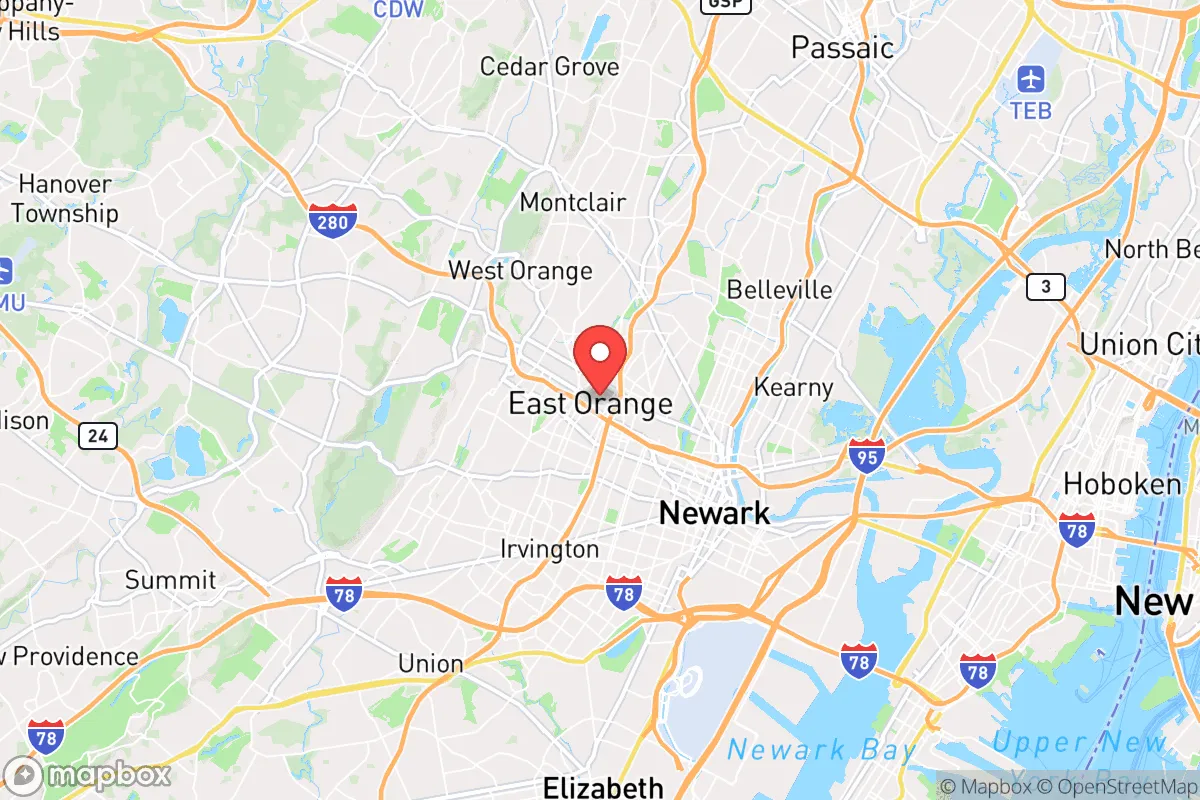
Photo: Wikipedia
Quality of Life in East Orange, NJ
Above-average quality of iife. The area offers a reasonable cost of living, decent mobility, and a mix of neighborhood amenities.
What does Quality of Life tell us?
Quality of Life blends cost of living, nearby amenities, socioeconomic signals, and neighborhood character. City-level scores represent the whole municipality; individual neighborhoods can differ.
What does this tell us?
Quality of Life blends cost of living, nearby amenities, socioeconomic signals, and neighborhood character. City-level scores represent the whole municipality; individual neighborhoods can differ.
Cost of Living
16% above national average
The Real Cost of Living in East Orange, NJ for 2026
| Tier | Individual | Family (4) |
|---|---|---|
| Survival | $22k | $41k |
| Comfortable | $61k | $90k |
| Luxury | $103k+ | $160k+ |
| Elite (Top 5%) | $121k+ | $188k+ |
66%
The Area Signal
A metric tracking the socioeconomic signals of the area.
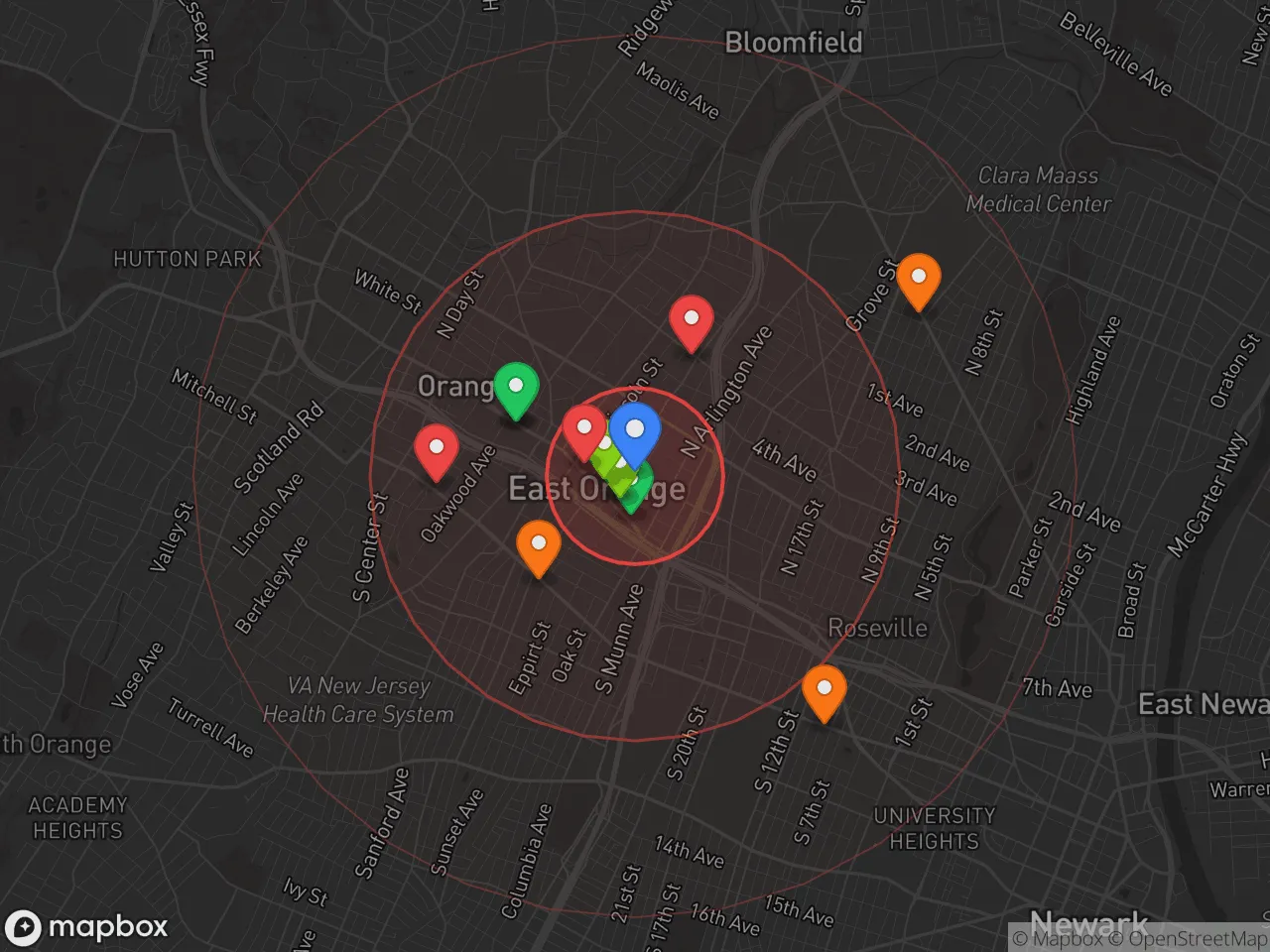
Hobbies
Explore the areaGroceries
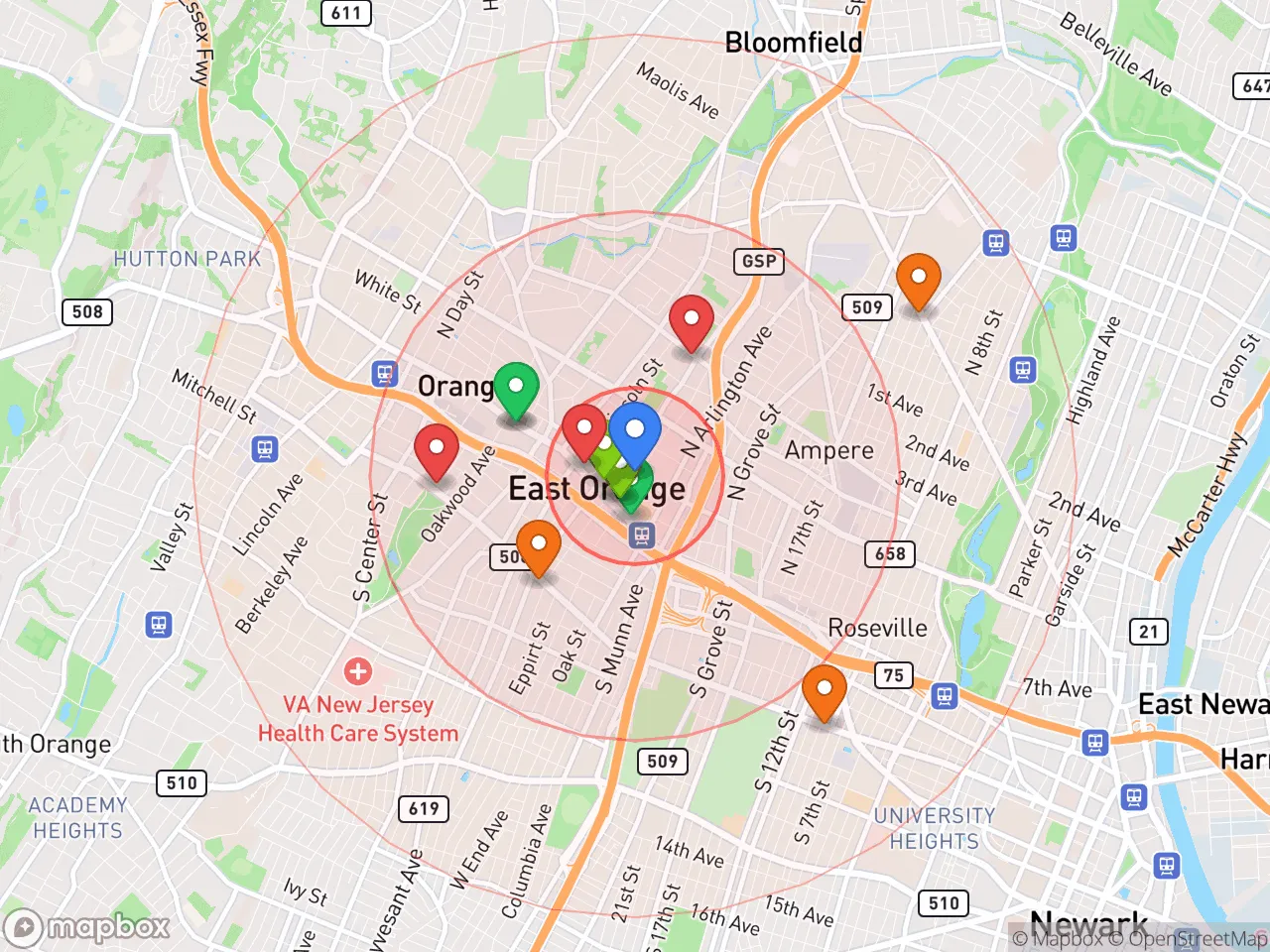
6 within 10 miles
Gas
20 within 10 miles
Hospital
20 within 20 miles
Airport
EWR — Newark Liberty International
Post Office
USPS — East Orange, NJ
Critical Amenities
Quality-of-Life Analysis
East Orange, New Jersey, presents a quality-of-life profile that is distinctly more affordable than its immediate neighbors while still offering direct access to the New York City metro area. With a cost-of-living index of 116 (where 100 equals the U.S. average), the city sits well below the stratospheric costs of nearby Montclair ($170+) or Manhattan ($250+), making it a practical choice for middle-income professionals, commuters, and families who prioritize urban proximity over suburban exclusivity. The population is predominantly working- and middle-class, with a strong African American and Hispanic community fabric, and the city’s density and transit orientation attract renters and first-time homebuyers who might otherwise be priced out of Essex County.
Cost of living, housing affordability, and how East Orange compares to nearby towns
East Orange’s cost-of-living index of 116 is roughly 16% above the national average, but this figure masks a significant affordability advantage relative to surrounding communities. The median home value of $315,500 is less than half the median in Montclair ($650,000+) and roughly one-third of the median in South Orange ($900,000+). Median rent sits at $1,372, which undercuts the Essex County median of roughly $1,600 and is dramatically lower than the $2,500+ typical in Hoboken or Jersey City. However, property taxes in New Jersey are among the highest in the nation, and East Orange’s effective tax rate hovers around 3.5% of assessed value, meaning a $315,500 home carries annual taxes near $11,000 — a real cost that buyers must factor into their budget. For renters, the trade-off is clear: lower monthly payments than most of the region, but a housing stock that skews older (many pre-war multi-family units) and fewer luxury amenities than newer developments in Newark or Harrison.
Daily life, local amenities, schools, and the commute reality
Daily life in East Orange is shaped by its role as a commuter hub. The average commute time of 35.5 minutes is slightly above the national average (26 minutes) but well below the 45-60 minute slog many suburban Essex County residents endure. The city is served by NJ Transit’s Morris & Essex Line at the East Orange and Brick Church stations, offering direct 25-minute trains to New York Penn Station. Local amenities include the East Orange General Hospital (now part of RWJBarnabas Health), a walkable Main Street corridor with bodegas, Caribbean restaurants, and chain retailers, and the 22-acre East Orange Campus of Essex County College. The East Orange School District operates 11 elementary schools, two middle schools, and East Orange Campus High School, with a graduation rate near 80% — below the state average but improving. For families, the city lacks the high-end private schools and sprawling parks of Montclair or Maplewood, but it offers three public libraries, the East Orange Recreation Department with youth sports leagues, and proximity to Branch Brook Park (home to the nation’s largest cherry blossom collection) just across the border in Newark.
Who thrives in East Orange? The city works best for budget-conscious commuters who work in Manhattan or Newark and want a sub-40-minute door-to-door trip without paying Hoboken or Jersey City rents. It also suits first-time homebuyers willing to invest in an older housing stock for the sake of equity-building in a transit-rich location. Families should weigh the school district’s challenges against the savings on housing — many opt for charter schools or the district’s magnet programs. Retirees on fixed incomes may find the property tax burden steep, but renters over 62 can access the city’s senior tax freeze program. Ultimately, East Orange offers a realistic middle-ground between urban energy and suburban cost, but it demands a tolerance for density, older infrastructure, and a slower pace of gentrification than its more affluent neighbors.

Crime in East Orange, NJ
Higher crime rates than 66% of comparable U.S. locations.
Violent CrimeViolent Crime Analysis
Property CrimeProperty Crime Analysis
Crime Analysis
East Orange, New Jersey, presents a significant public safety concern for prospective residents, with crime rates that substantially exceed both state and national averages. The city's violent crime rate stands at 425.5 incidents per 100,000 residents, while property crime occurs at a rate of 1,936.7 per 100,000. These figures place East Orange in a higher-risk category compared to many surrounding communities in Essex County, a dynamic shaped in part by the broader criminal justice policies of the region.
Crime in context
East Orange's violent crime rate is roughly 20% higher than the national average and significantly above the New Jersey state average, which is typically lower than the national figure due to the state's dense suburban and rural areas. The property crime rate, while less extreme in comparison, still exceeds the national benchmark. These statistics are consistent with patterns seen in many small cities adjacent to major metro areas like Newark and New York City, where higher population density and socioeconomic pressures converge. A critical factor for readers to weigh is the prevailing progressive judicial philosophy in Essex County. District attorneys and judges in this jurisdiction often prioritize diversion programs, reduced bail, and sentencing alternatives over incarceration. While intended to reduce recidivism, this approach can result in a higher number of repeat offenders remaining on the street, directly undermining public safety and diminishing the sense of justice for victims.
What residents experience
For those living in East Orange, the daily reality involves a heightened vigilance against both violent and property crimes. The violent crime category includes elevated rates of aggravated assault and robbery, with incidents often concentrated in specific corridors and during evening hours. Property crime, particularly theft from vehicles and burglary, is a persistent nuisance that affects a broader swath of the community. Residents frequently report concerns about car break-ins and package thefts, which are exacerbated by the city's dense, urban layout. The progressive justice policies in place mean that individuals arrested for these offenses may face minimal consequences, creating a cycle where property crime feels low-risk for offenders and high-cost for victims. This environment can erode trust in the legal system and increase the appeal of private security measures, such as surveillance cameras and neighborhood watch programs.
Neighborhood-level variation
Safety is not uniform across East Orange. The western sections of the city, closer to the border with Orange and South Orange, tend to experience lower crime rates, particularly in areas with more single-family homes and active block associations. Conversely, the eastern side near the Newark border and along major commercial arteries like Central Avenue and Springdale Avenue sees a higher concentration of incidents. Prospective renters or buyers should research specific blocks and speak with local precinct commanders, as a difference of just a few streets can significantly alter one's daily risk profile. Given the regional prosecutorial climate, choosing a residence in a quieter, well-lit pocket of the city is a practical step toward mitigating the broader systemic risks.
* Values derived from national, state, county, city and local statistics and may differ in a specific area. Last updated: 2026-10-10T16:27:20.000Z
Narrative content on this page is AI-generated and may contain mistakes. Verify any details that matter before acting on them.
ReloMaps may earn a commission from affiliate links at no extra cost to you.

