Photo: Wikipedia
Quality of Life in Emporia, KS
Above-average quality of iife. The area offers a reasonable cost of living, decent mobility, and a mix of neighborhood amenities.
What does Quality of Life tell us?
Quality of Life blends cost of living, nearby amenities, socioeconomic signals, and neighborhood character. City-level scores represent the whole municipality; individual neighborhoods can differ.
What does this tell us?
Quality of Life blends cost of living, nearby amenities, socioeconomic signals, and neighborhood character. City-level scores represent the whole municipality; individual neighborhoods can differ.
Cost of Living
41% below national average
The Real Cost of Living in Emporia, KS for 2026
| Tier | Individual | Family (4) |
|---|---|---|
| Survival | $13k | $24k |
| Comfortable | $25k | $36k |
| Luxury | $77k+ | $119k+ |
| Elite (Top 5%) | $90k+ | $140k+ |
145%
The Area Signal
A metric tracking the socioeconomic signals of the area.
Hobbies
Explore the areaGroceries
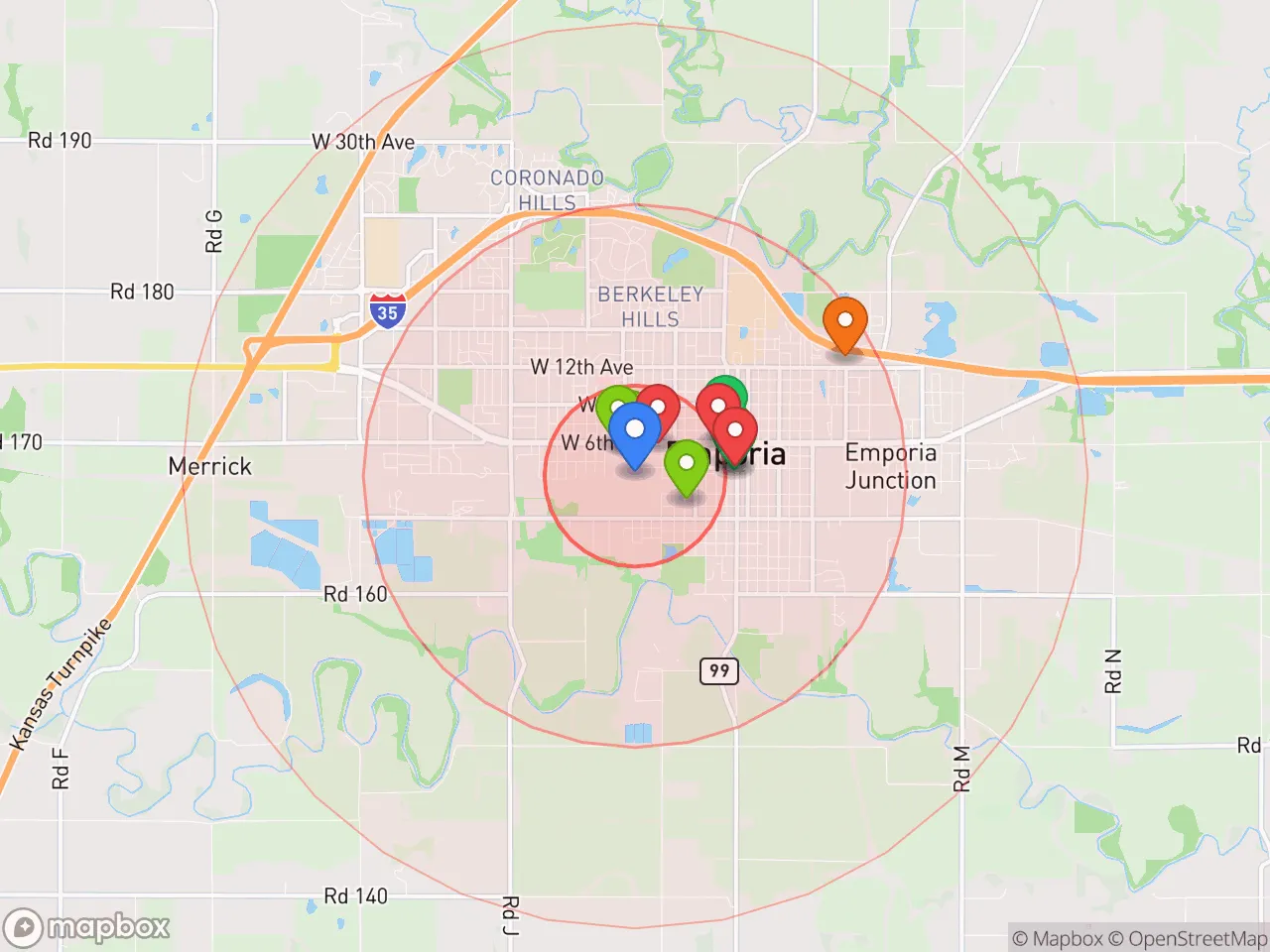
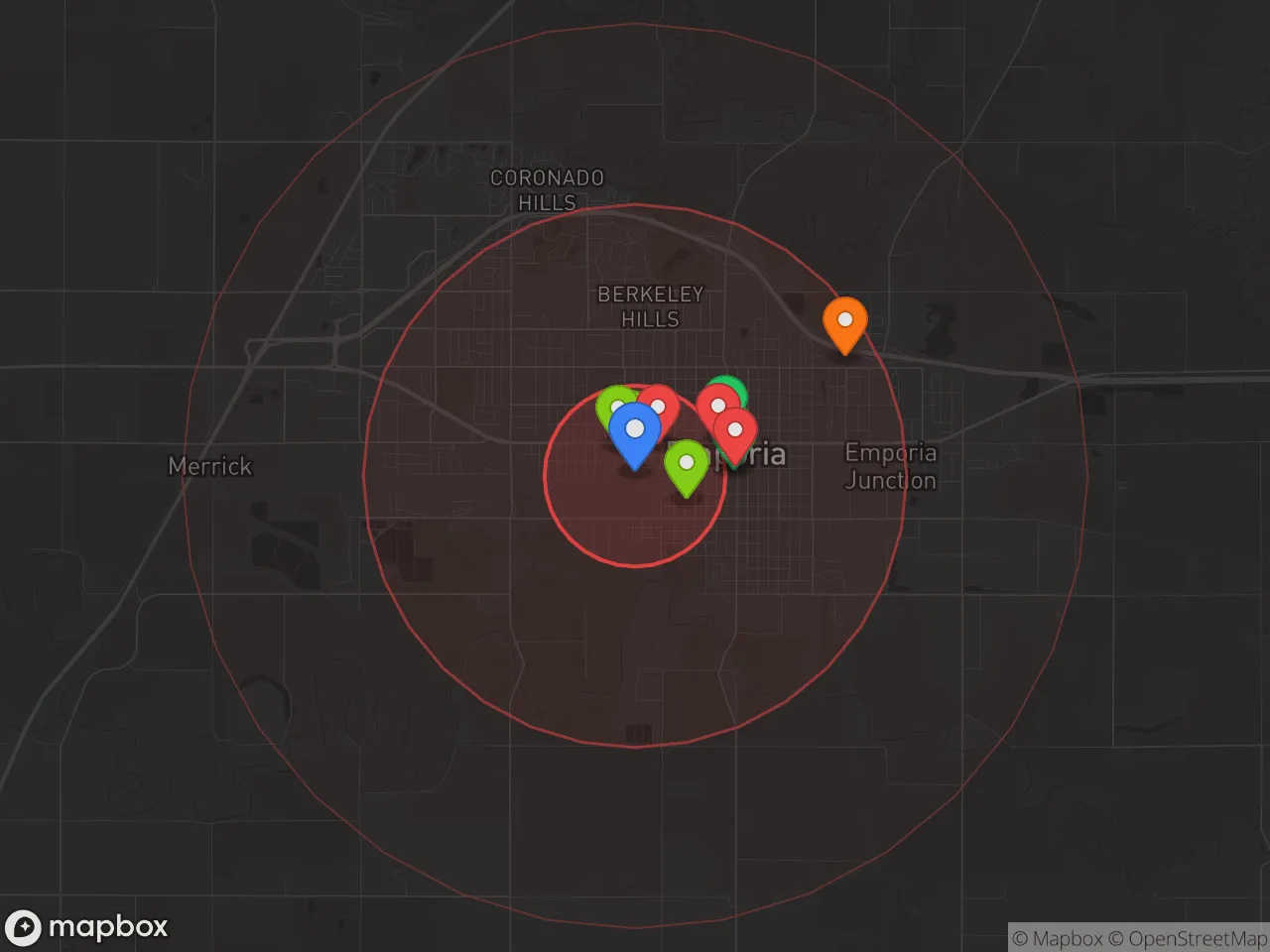
3 within 10 miles
Gas
11 within 10 miles
Hospital
1 within 20 miles
Airport
MCI — Kansas City International
Post Office
USPS — Emporia, KS
Critical Amenities
Quality-of-Life Analysis
Emporia, Kansas, offers a quality of life defined by exceptional affordability and a strong sense of community, attracting a mix of families, college students, and professionals seeking a low-stress, cost-effective lifestyle. With a cost of living index of 59 (well below the U.S. average of 100), the city provides a financial cushion that allows residents to prioritize homeownership, savings, or leisure over high housing costs. The population is notably diverse for a small Midwestern town, anchored by Emporia State University and a growing immigrant community, which contributes to a more varied cultural and economic fabric than many similarly sized towns.
How affordable is Emporia compared to nearby cities like Topeka or Lawrence?
Emporia’s affordability is a standout feature, with a median home value of $127,500 and a median rent of $793, making it significantly cheaper than both Topeka (median home value ~$140,000) and Lawrence (median home value ~$220,000). The average commute time of just 12.4 minutes is among the shortest in Kansas, reducing transportation costs and freeing up time for family, hobbies, or work. For renters, the typical monthly payment is roughly $200 less than in Topeka and $400 less than in Lawrence, while homebuyers can often secure a three-bedroom house for under $150,000. This low barrier to entry makes Emporia particularly attractive for first-time buyers, young families, and retirees on fixed incomes who want to avoid the housing pressure of larger metro areas.
What are the best schools, parks, and daily-life amenities in Emporia?
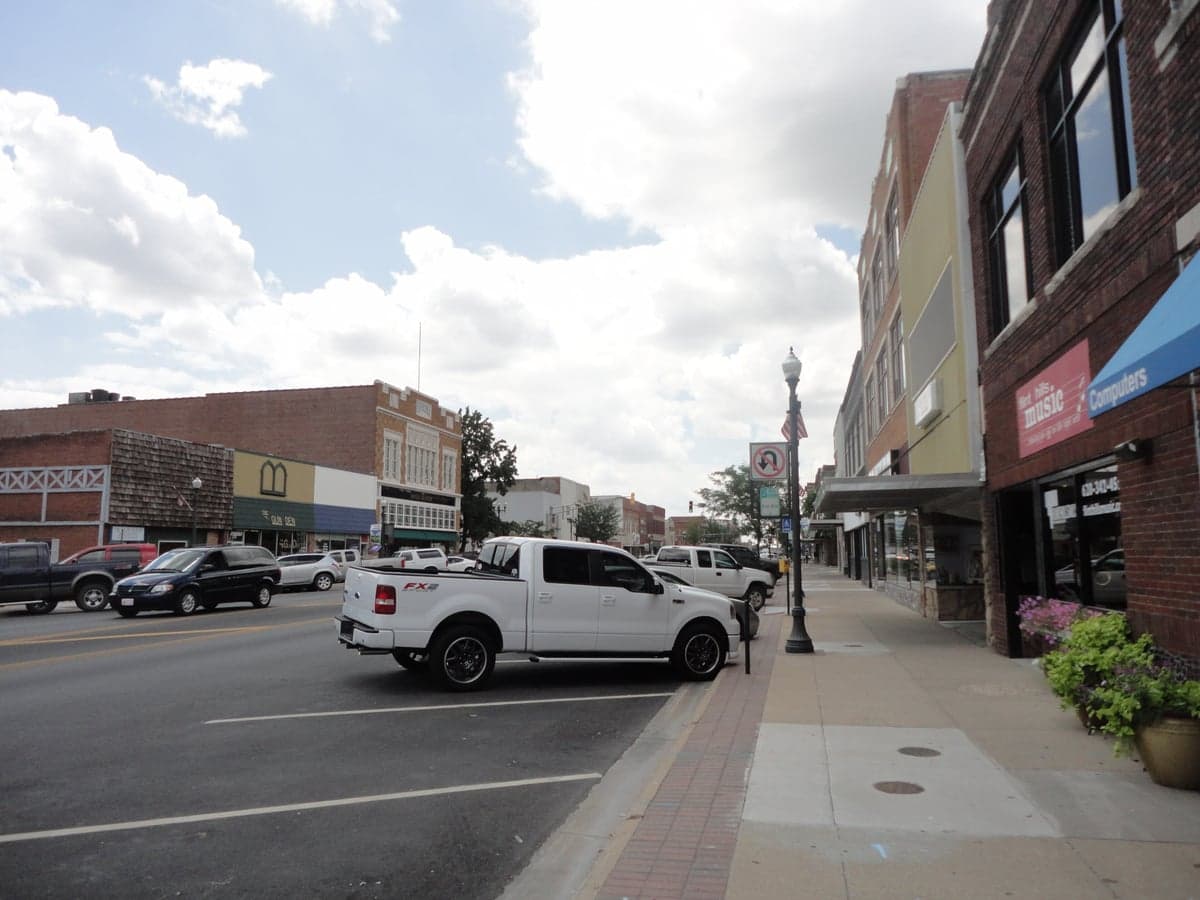
Daily life in Emporia revolves around a walkable downtown, a robust public school system, and ample outdoor recreation. The Emporia Public Schools (USD 253) include Emporia High School and several elementary schools with strong parental involvement, while Emporia State University adds a youthful energy and access to cultural events like the annual Emporia Arts Center exhibits and university theater productions. The city’s David Traylor Zoo and the expansive Flint Hills Trail (a 117-mile rail-trail) provide free or low-cost recreation, and the nearby Tallgrass Prairie National Preserve offers hiking and history. For daily errands, the commercial corridors along US-50 and Industrial Road host major retailers, grocery stores, and local restaurants like the beloved Bruff’s BBQ and Radius Brewing Company. The rhythm is unhurried—residents often know their neighbors, and community events like the Emporia Cinco de Mayo Festival and the Unbound Gravel cycling race draw visitors and foster local pride.
Emporia is best suited for those who value financial breathing room, a slower pace, and a tight-knit community over urban nightlife or high-end shopping. It appeals strongly to remote workers, educators, healthcare professionals (the Newman Regional Health system is a major employer), and retirees who want to stretch their dollars. Families will appreciate the low crime rates relative to national averages and the short commutes, while outdoor enthusiasts can leverage the Flint Hills trails and prairie landscapes. However, those seeking a vibrant arts scene, diverse dining, or rapid career growth in specialized fields may find the options limited. For anyone prioritizing affordability, safety, and a genuine small-town feel with a college-town twist, Emporia delivers a high quality of life at a fraction of the cost of most U.S. cities.

Crime in Emporia, KS
Generally safer than 66% of comparable U.S. locations.
Violent CrimeViolent Crime Analysis
Property CrimeProperty Crime Analysis
Crime Analysis
Emporia, Kansas, presents a mixed safety profile for prospective residents. The city’s violent crime rate of 167.9 incidents per 100,000 people is notably lower than both the Kansas state average and the national median, suggesting a relatively low risk of serious personal offenses. However, the property crime rate of 1,253.1 per 100,000 exceeds the national average, indicating that theft, burglary, and vehicle-related crimes are more prevalent concerns for those living in or moving to the area.
Crime in context
When compared to broader benchmarks, Emporia’s violent crime rate is roughly half the national average, placing it in a safer tier for offenses like homicide, robbery, and aggravated assault. The property crime rate, however, is about 15% higher than the U.S. average and slightly above the Kansas state figure. This divergence means that while residents are less likely to experience a violent confrontation, they face a heightened risk of property-related incidents. The city’s location along the I-35 corridor, a major transportation route, may contribute to transient property crime, as does its role as a regional hub for Lyon County.
What residents experience
Daily life in Emporia involves a tangible awareness of property crime. Residents commonly report theft from vehicles, package theft, and occasional burglaries, particularly in areas near the downtown core and along major commercial strips like West 6th Avenue. Violent crime is less a part of everyday conversation, with most incidents occurring in specific, often isolated circumstances rather than as random public threats. The local police department maintains a visible presence and publishes regular crime maps, which many residents use to track neighborhood trends. It is important to note that the broader judicial philosophy in Kansas, including Lyon County, tends toward moderate-to-conservative sentencing practices, which can provide a measure of reassurance for those concerned about progressive criminal justice policies that may prioritize offender rehabilitation over public safety. This contrasts with some large metro areas where more lenient approaches have been linked to increased recidivism and street-level crime.
Neighborhood-level variation is significant in Emporia. The historic College Hill area and newer subdivisions on the city’s south and west sides generally report lower crime rates, while older rental-heavy blocks near the Flint Hills Technical College campus and the industrial zones along the Cottonwood River see higher property crime numbers. The area around the Emporia State University campus is patrolled by both city police and campus security, resulting in a relatively safe environment for students, though petty theft remains a common issue. Prospective residents are advised to consult the city’s online crime mapping tool and speak with local real estate agents to identify specific blocks with lower incident rates, as safety can vary sharply from one street to the next.
* Values derived from national, state, county, city and local statistics and may differ in a specific area. Last updated: 2026-05-01T01:51:47.000Z
Narrative content on this page is AI-generated and may contain mistakes. Verify any details that matter before acting on them.
ReloMaps may earn a commission from affiliate links at no extra cost to you.

