Photo: Wikipedia
Strategic Assessment of Evans, CO
Meaningful friction. Expect exposure to either population pressure, blast zones, or natural disaster risk. Consider buying a retreat property.
What does the Strategic Assessment tell us?
Our Strategic Assessment grades tactical survivability of an area. Major population centers, military targets, fallout zones, natural disasters, and border exposure all drive risk — lower exposure means a more defensible position in a crisis.
This is heavily inspired by Joel Skousen's Strategic Relocation book. Highly recommended you checkout the book ($)What does this tell us?
Our Strategic Assessment grades tactical survivability of an area. Major population centers, military targets, fallout zones, natural disasters, and border exposure all drive risk — lower exposure means a more defensible position in a crisis.
This is heavily inspired by Joel Skousen's Strategic Relocation book. Highly recommended you checkout the book ($)Strategic Pillars

Key Distances
Regional Safe Places
Below is our recommended "safe zones" in Colorado and the surrounding area based on our strategic heuristics. For most people, it's unrealistic to live in a “safe zone” full-time due to work, family or other personal reasons. They tend to be more rural. However, many of these areas are perfect for second homes and retreat properties that double as a vacation home or even a short-term rental.
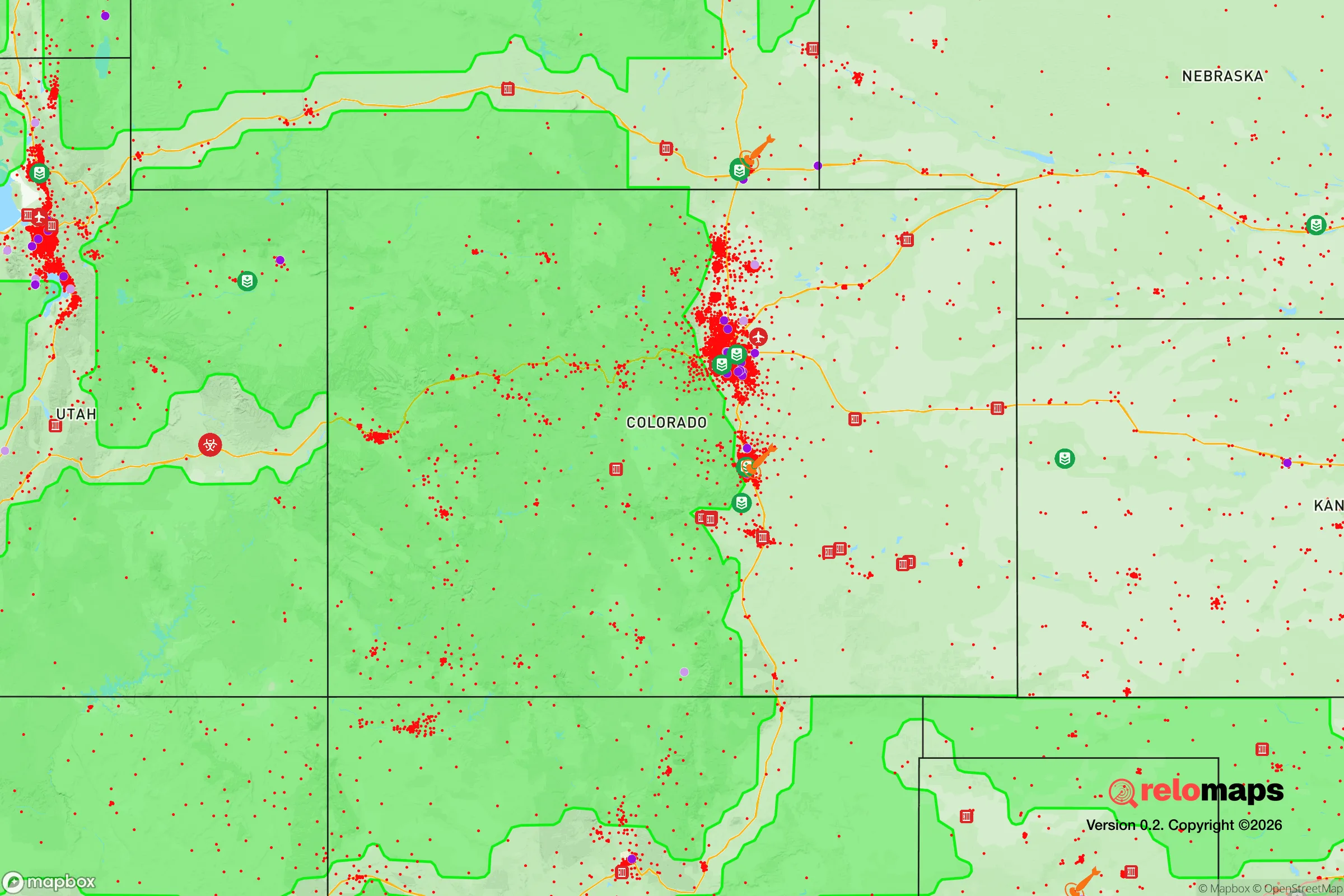
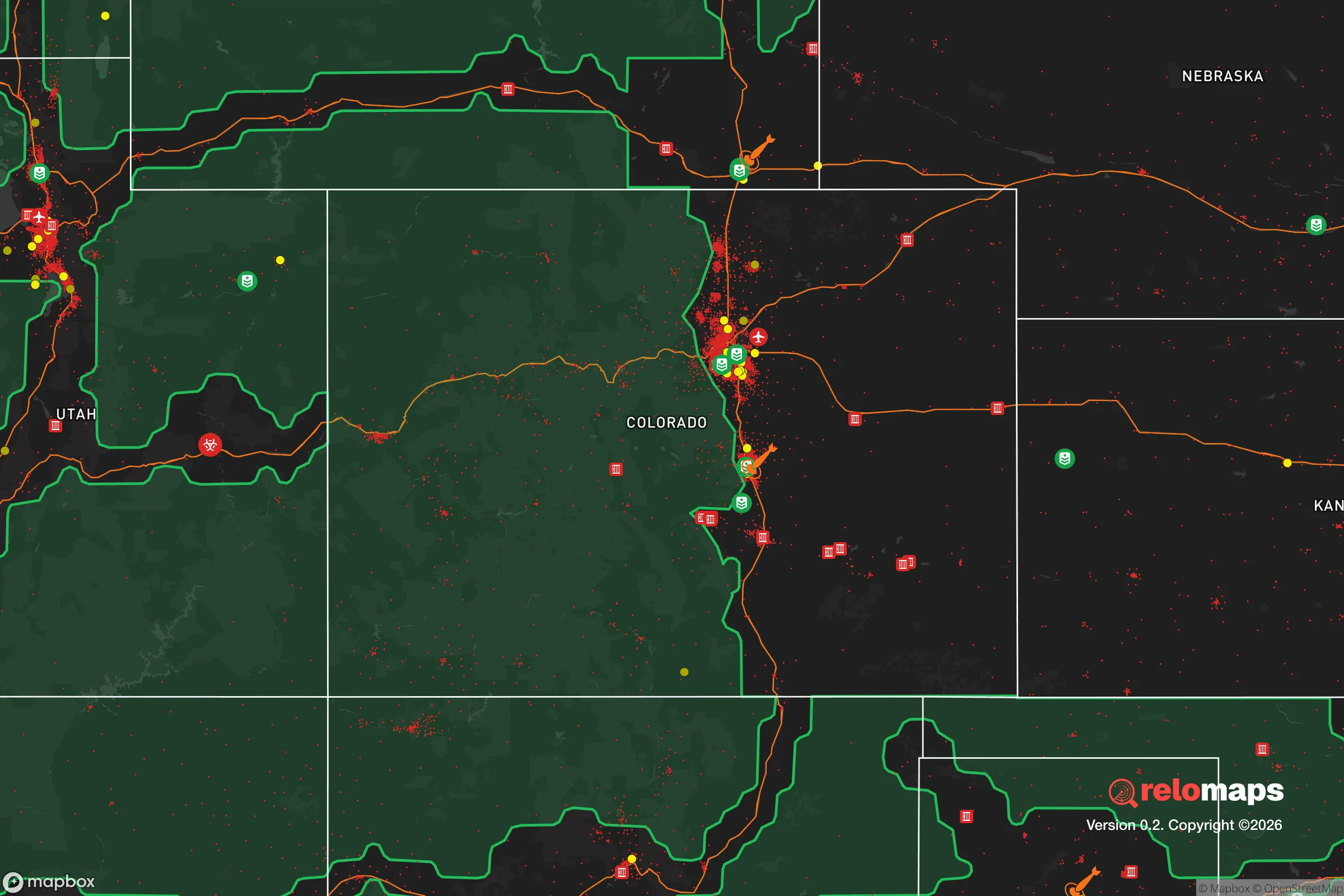


Important Note: For informational purposes only. This does not mean nothing bad ever happens in the green zones. Please use common sense. This is based on public data and modeled with AI. We tried to take a conservative approach but mistakes happen. We update this regularly as new information becomes available.
Solar Generator Recommendations
Backup power matters more here than in safer locations. We've picked three solar generators across budgets and capacity tiers — start with the budget unit if you only need a few essentials, or step up if you want to run a fridge and HVAC for days at a time.

Jackery Portable Power Station Explorer 300
Budget OptionPower on the Go: Weighing only 11 lbs, it's convenient to set up and store with book-sized foldable solar panels

BLUETTI Portable Power Station AC180
Designed for both indoor and outdoor scenarios, AC180 is highly capable as it has a robost capacity and continuous output power.

EF ECOFLOW DELTA Pro Ultra Power Station
Upgraded PickEcoFlow DELTA Pro Ultra is a whole-home energy system designed to grow with your family. Integrated with the Smart Home Panel 2, it scales to meet your evolving energy needs — keeping your home powered, intelligent, and secure through every stage of life.
We earn a commission, at no additional cost to you.
Strategic Assessment Analysis
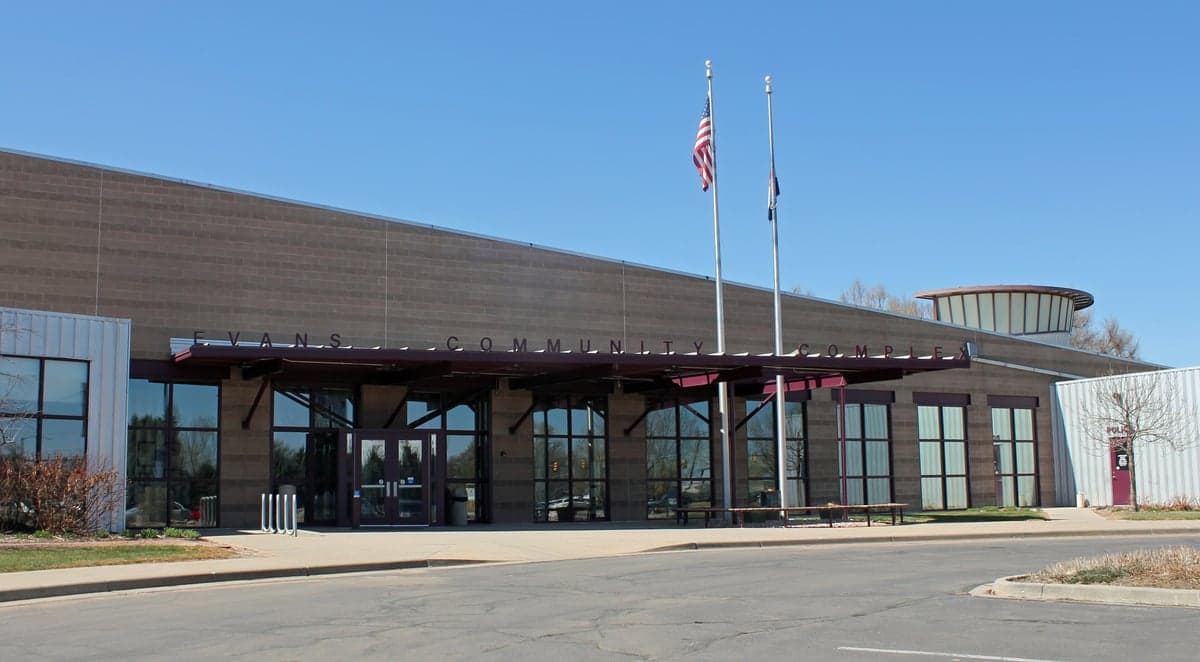
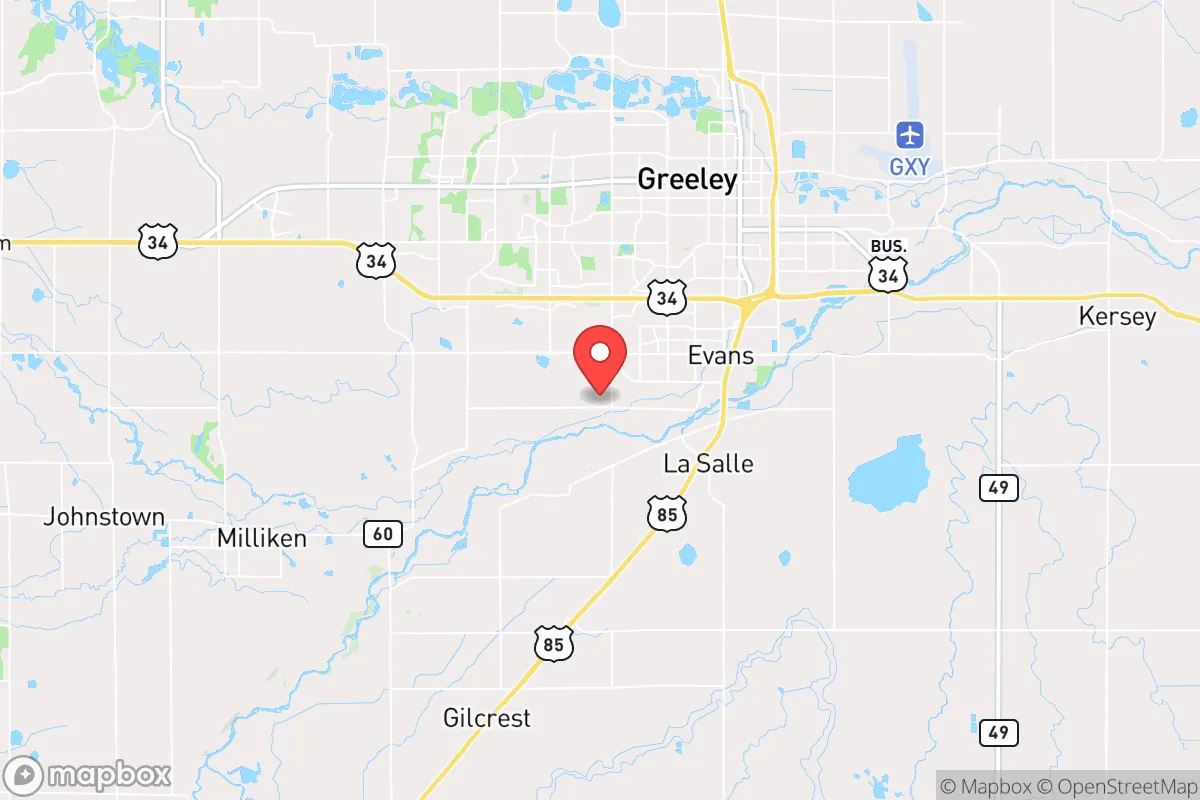
Evans, Colorado, sits in a strategic pocket of the northern Front Range that offers a blend of agricultural self-sufficiency and proximity to critical infrastructure, but its resilience is heavily dependent on how you manage its exposure to larger urban centers. Located just east of Greeley and roughly 50 miles north of Denver, this town of about 22,000 residents benefits from the South Platte River’s water resources and the region’s deep agricultural roots, which provide a buffer against some supply-chain disruptions. However, its position within the I-25 corridor means it’s also within striking distance of potential fallout zones, including Denver’s urban core and the Rocky Mountain Arsenal National Wildlife Refuge—a former chemical weapons manufacturing site that remains a Superfund site with ongoing groundwater remediation. For a relocator with a prepper mindset, Evans offers a mixed bag: decent natural advantages for long-term sustainability, but real risks tied to its proximity to high-value targets and population centers.
Geographic position and natural advantages for long-term sustainability
Evans sits on the eastern edge of the Colorado Piedmont, where the South Platte River provides a reliable surface water source—critical for both drinking water and irrigation in a semi-arid climate. The town’s elevation of roughly 4,600 feet means milder winters than the high Rockies, but you’re still dealing with occasional blizzards and hailstorms that can knock out power for days. The surrounding Weld County is one of the nation’s top agricultural producers, with extensive cattle operations, corn, and sugar beet fields that could serve as local food sources in a collapse scenario. The area’s aquifer, the Ogallala, is deep but depleting, so reliance on surface water from the South Platte is more sustainable long-term. For a prepper, the ability to tap into local farms for barter or direct purchase of meat and produce is a tangible advantage—unlike Denver suburbs where grocery store shelves empty fast. The flat terrain also makes Evans less defensible than a mountain redoubt, but it offers good line-of-sight for early warning of approaching threats, whether weather or human.
Risks, exposures, and proximity to fallout-relevant landmarks
The biggest strategic weakness of Evans is its location within the I-25 corridor, a primary north-south artery that would become a chokepoint during any mass evacuation or civil unrest. Denver, with its 2.9 million metro population, is a prime target for anything from a coordinated attack to a cascading infrastructure failure—and Evans is close enough that fallout, whether radioactive or societal, would reach you within hours. The Rocky Mountain Arsenal, just 40 miles south, still contains buried chemical agents and contaminated soil; while the EPA says it’s safe, a major earthquake or deliberate breach could release toxins into the South Platte watershed that feeds Evans’ water supply. Additionally, the town is within 20 miles of the Platteville gas storage facility and several major natural gas pipelines that run through Weld County—a rupture or sabotage event could create a firestorm or disrupt heating fuel for months. On the plus side, Evans is far enough from Denver’s urban core that you’re not in the immediate blast radius of a conventional or nuclear strike on the city, but you’re still in the “danger close” zone for fallout drift, especially with prevailing westerly winds. The nearby Greeley population of 110,000 adds another layer of risk: in a crisis, Evans would be a natural funnel point for refugees fleeing both Denver and Greeley, straining local resources and security.
Practical resilience for a relocator: food, water, energy, and defensibility
For a single individual or family serious about self-reliance, Evans has workable but not ideal conditions. Water is the strongest asset: the South Platte River runs through town, and while it’s heavily diverted for agriculture, a well-drilling operation (permitted through Weld County) can tap into shallow alluvial aquifers at depths of 50-150 feet. Rainwater catchment is legal in Colorado, but annual precipitation is only 12-14 inches, so it’s a supplement, not a primary source. Food-wise, you’re in a breadbasket: local farmers markets and direct-from-ranch beef are available, and the growing season (roughly May to September) allows for home gardens with cold-hardy crops like potatoes, carrots, and kale. Energy is a mixed bag: Xcel Energy provides grid power, but outages from wind and ice storms are common—solar panels with battery storage are a wise investment, as the area gets over 300 sunny days per year. Natural gas is widely available for heating, but that pipeline dependency is a vulnerability. Defensibility is the weak link: Evans is flat, with no natural chokepoints or high ground. Your best bet is a property on the town’s eastern edge, away from the I-25 corridor, with a fenced perimeter and a clear view of approach routes. The local police force is small (about 30 officers), so in a prolonged crisis, you’re largely on your own—which is why a network of like-minded neighbors is essential. The Weld County Sheriff’s Office has a strong presence, but response times in rural outskirts can stretch to 20 minutes or more.
Overall, Evans offers a strategic middle ground for the conservative prepper who wants agricultural self-sufficiency without total isolation, but it demands serious preparation to offset its exposure to urban risks. The town’s water access and local food production are genuine advantages that many Front Range suburbs lack, and its distance from Denver’s immediate blast zone buys you time. But the I-25 corridor, the Arsenal, and the gas infrastructure are ticking clocks—any major event in the Denver metro area will send waves of people and problems your way. If you’re willing to invest in off-grid water, solar power, and a solid security setup, Evans can work as a base for a decade or more. If you’re looking for a true bug-out location with natural barriers and zero urban proximity, you’ll want to look farther east into the plains or up into the foothills. For the relocator who wants to be prepared but still close enough to maintain a job or business in Greeley or Fort Collins, Evans is a calculated risk—one that requires constant awareness and a plan for when the corridor goes hot.

* Values derived from national, state, county, city and local statistics and may differ in a specific area. Last updated: 2026-05-01T04:23:36.000Z
Narrative content on this page is AI-generated and may contain mistakes. Verify any details that matter before acting on them.
ReloMaps may earn a commission from affiliate links at no extra cost to you.

