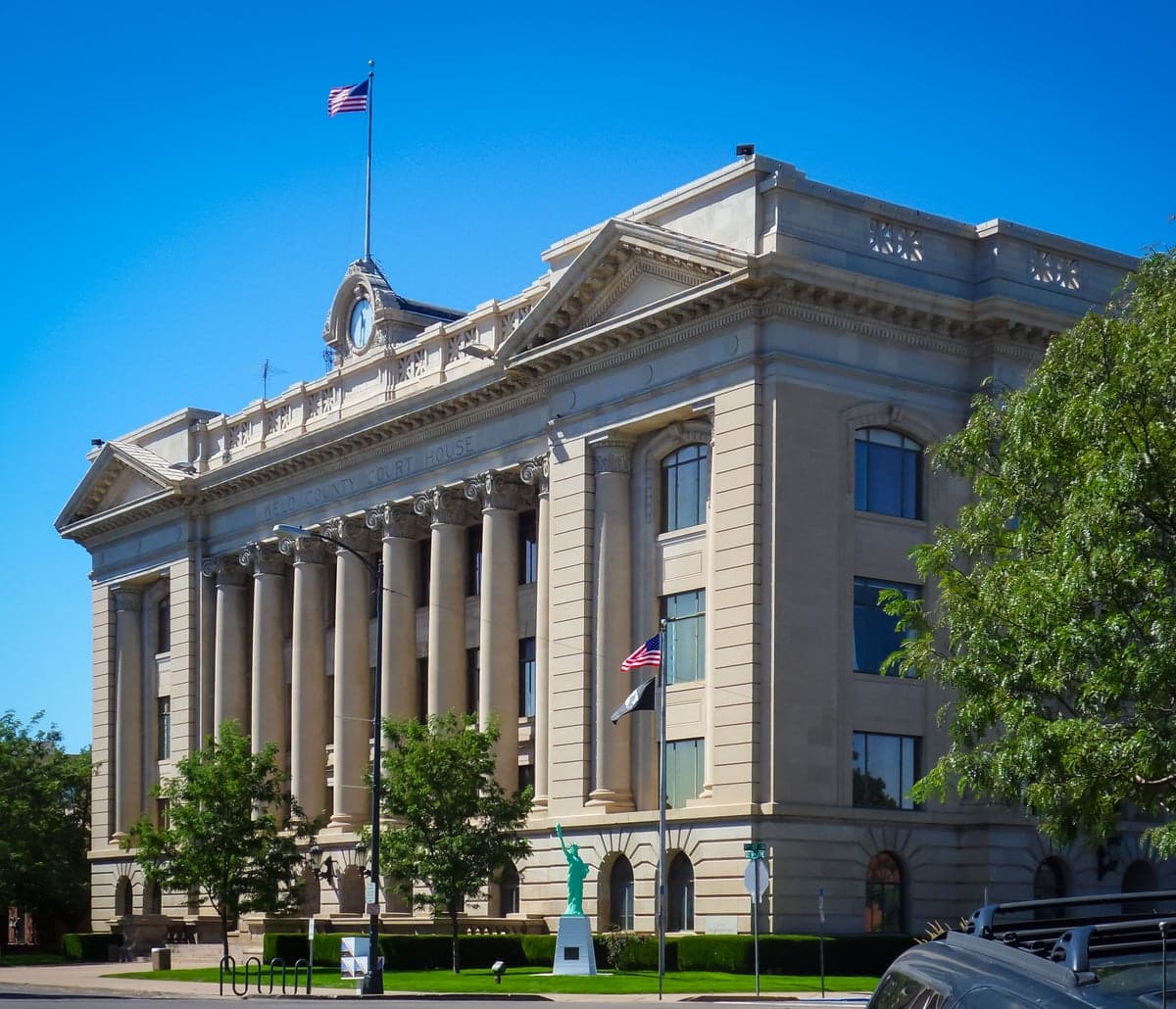
Photo: Wikipedia
Find The Best Places To Live
in Greeley
PRO TIP! You can paste a Zillow or Redfin link to get info on that property.
What It's Like Living in Greeley, CO
Greeley is one of those places that doesn’t try to impress you with flash, and that’s exactly why the people who live here tend to stay. It’s a working city with a strong agricultural backbone, a growing college presence, and a pace that feels more like a big small town than a suburb of Denver—even though Denver is only about an hour southwest. With a population of just over 109,000 and a median age of 32.5, it’s younger than the national average, but the vibe leans practical and family-oriented rather than trendy or transient.
The Daily Rhythm: Work, Family, and the 24-Minute Commute
Most mornings in Greeley start early. The city’s economy is still rooted in agriculture—JBS USA, the massive meatpacking plant, is the largest employer—but it’s also become a hub for health care (Banner Health), education (University of Northern Colorado), and energy (oil and gas firms have a noticeable presence). The average commute is roughly 24 minutes, which feels reasonable for a city this size; you’re not sitting in Denver-style gridlock, but you’re also not walking to work. People tend to drive, and the main arteries—U.S. 34 and 85—can get congested during rush hour, especially near the university or the plant.
Weekends here are low-key. You’ll see families at the Greeley Recreation Center, kids playing soccer at Bittersweet Park, or folks grabbing breakfast at Doug’s Day Diner. Shopping is practical: King Soopers and Walmart dominate, but there’s a growing number of local spots like the Greeley Farmers’ Market (May through October) and the Lincoln Park area downtown, which has seen a slow but steady revival. The kind of person who fits in here is someone who values affordability over prestige, doesn’t mind a bit of rural grit, and is probably raising kids or planning to. The median household income is $68,650, and with a cost of living index of 121 (21% above the national average), housing is the main squeeze—though still cheaper than Fort Collins or Boulder. The median home value sits around $369,600, which is steep for the region but manageable for a dual-income household.
Sports, Community, and the Greeley Stampede
Sports here are a big deal, but not in a pro-team, big-stadium way. The University of Northern Colorado Bears (Big Sky Conference) draw decent crowds for football and basketball, and the atmosphere is more “local pride” than “tailgate spectacle.” High school football is genuinely important—Greeley West and Greeley Central games on Friday nights pack bleachers with parents, alumni, and neighbors. There’s no major professional team in town, but the Colorado Eagles (AHL hockey) play in nearby Loveland, and plenty of residents make the 20-minute drive.
The crown jewel of Greeley’s calendar is the Greeley Stampede, a massive 10-day rodeo and music festival that runs around the Fourth of July. It draws over 250,000 visitors annually and features national country acts, a carnival, and the kind of small-town Americana that defines the city’s identity. If you don’t like crowds or country music, it can feel overwhelming—but for most locals, it’s the highlight of the year. Other notable events include the Greeley Blues Jam (a free summer blues festival) and the Oktoberfest celebration downtown, which leans more into beer and bratwurst than lederhosen.
What’s There to Do: Parks, Bars, and the Outdoors
Outdoor life is practical here. The Poudre River Trail runs through town and connects to a network of paths good for biking and walking. The nearby Pawnee National Grassland offers wide-open prairie hiking (think solitude, not mountain views). For serious mountain recreation—skiing, hiking, camping—you’re looking at a 90-minute drive to Rocky Mountain National Park or the ski resorts near Estes Park. That’s doable for a weekend trip but not an after-work activity.
Nightlife is modest. The bars that thrive are the ones with a clear identity: WeldWerks Brewing Co. is the standout—a nationally recognized craft brewery that draws beer tourists from Denver. The taproom is lively, family-friendly during the day, and packed on weekends. Other spots like The Tavern at Greeley (a sports bar) and Patrick’s (an Irish pub) cater to a slightly older, more settled crowd. There’s no club scene to speak of; if you want that, you’re heading to Denver or Fort Collins.
Restaurants are a mixed bag. You’ll find solid Mexican food (try Los Comales or Taqueria El Comal), decent steakhouses (The Greeley Chop House), and a handful of newer spots like The Cow, which does upscale comfort food. But the food scene isn’t a draw on its own—most locals cook at home or hit chains.
Pros and Cons of Living in Greeley
- Pro: Affordability relative to the Front Range. While not cheap, Greeley is still one of the more affordable cities in northern Colorado. You get more house for your money than in Fort Collins or Boulder.
- Pro: Strong sense of community. People know their neighbors. The schools (Greeley-Evans School District 6) are a central part of life, and parent involvement is high.
- Pro: Access to outdoor recreation. The mountains are close enough for day trips, and the prairie offers a different kind of beauty.
- Con: The smell. It’s the elephant in the room—the JBS plant and surrounding feedlots produce a manure odor that can be strong, especially in summer. Locals get used to it, but visitors notice immediately.
- Con: Limited nightlife and dining. If you want variety in restaurants, bars, or cultural events, you’ll be driving to Fort Collins or Denver regularly.
- Con: Crime concerns. The violent crime rate is 405.4 per 100,000, which is above the national average. Most crime is property-related and concentrated in certain areas, but it’s something to be aware of when choosing a neighborhood.
- Con: Weather extremes. Summers hit the 90s with dry heat; winters are cold and windy, with occasional blizzards. The growing season is short, and the wind can wear on you.
Greeley isn’t for everyone. It’s for people who value roots over flash, who don’t mind a little grit, and who want a place where you can still know your mail carrier by name. The college-educated population sits at 26.7%, which is lower than the state average, and that reflects a community that’s more about trades, agriculture, and service work than tech startups. If you’re single and looking for a vibrant dating scene or a walkable urban core, this probably isn’t it. But if you’re raising a family, starting a career in healthcare or education, or just want a lower-stress version of Colorado living—with the mountains in your rearview mirror and the prairie stretching out ahead—Greeley has a quiet, stubborn charm that grows on you.

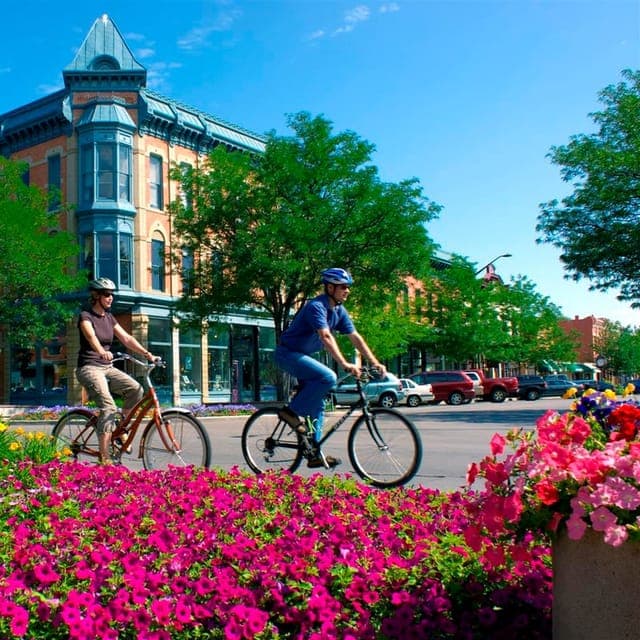
Similar small cities to Greeley
* Values derived from national, state, county, city and local statistics and may differ in a specific area. Last updated: 2026-04-23T02:52:33.000Z
Narrative content on this page is AI-generated and may contain mistakes. Verify any details that matter before acting on them.
ReloMaps may earn a commission from affiliate links at no extra cost to you.

