Photo: Wikipedia
Find The Best Places To Live
in Falls Church
PRO TIP! You can paste a Zillow or Redfin link to get info on that property.
What It's Like Living in Falls Church, VA
Falls Church feels less like a standalone city and more like a tightly-knit neighborhood that happens to have its own zip code, government, and fierce sense of identity. It’s a small, affluent enclave of about 14,593 people, tucked inside the Beltway, where the pace is deliberate, the schools are a major gravitational force, and nearly everyone you meet has a graduate degree and an opinion about the best pho spot on the Little Saigon strip. If you’re looking for a place where your neighbors know your dog’s name and the biggest weekly drama is whether the farmers market will have enough heirloom tomatoes, this might be your spot.
The Daily Rhythm: Work, Commute, and the Weekend Reset
Life here revolves around a long commute and a deliberate decompression. The average commute clocks in at just over 27 minutes, which is typical for the D.C. orbit, but what sets Falls Church apart is how people use that time. You’ll see folks reading on the Orange Line, biking the W&OD Trail into Rosslyn, or carpooling with neighbors they’ve known for years. The median household income sits at $154,734, and with 79.7% of adults holding a college degree, the workforce is heavily tilted toward government contracting, tech, law, and policy. Weekends are for recovery: Saturday mornings mean the Falls Church Farmers Market at City Hall (a legit social event), followed by a run on the Cross County Trail or a slow brunch at Northside Social, where the coffee is strong and the patio is always full. Sunday evenings often mean a walk through Cherry Hill Park or a quick trip to Lidl for groceries. The rhythm is predictable, but for most residents, that’s the point.
Sports, Community Pride, and Where People Actually Hang Out
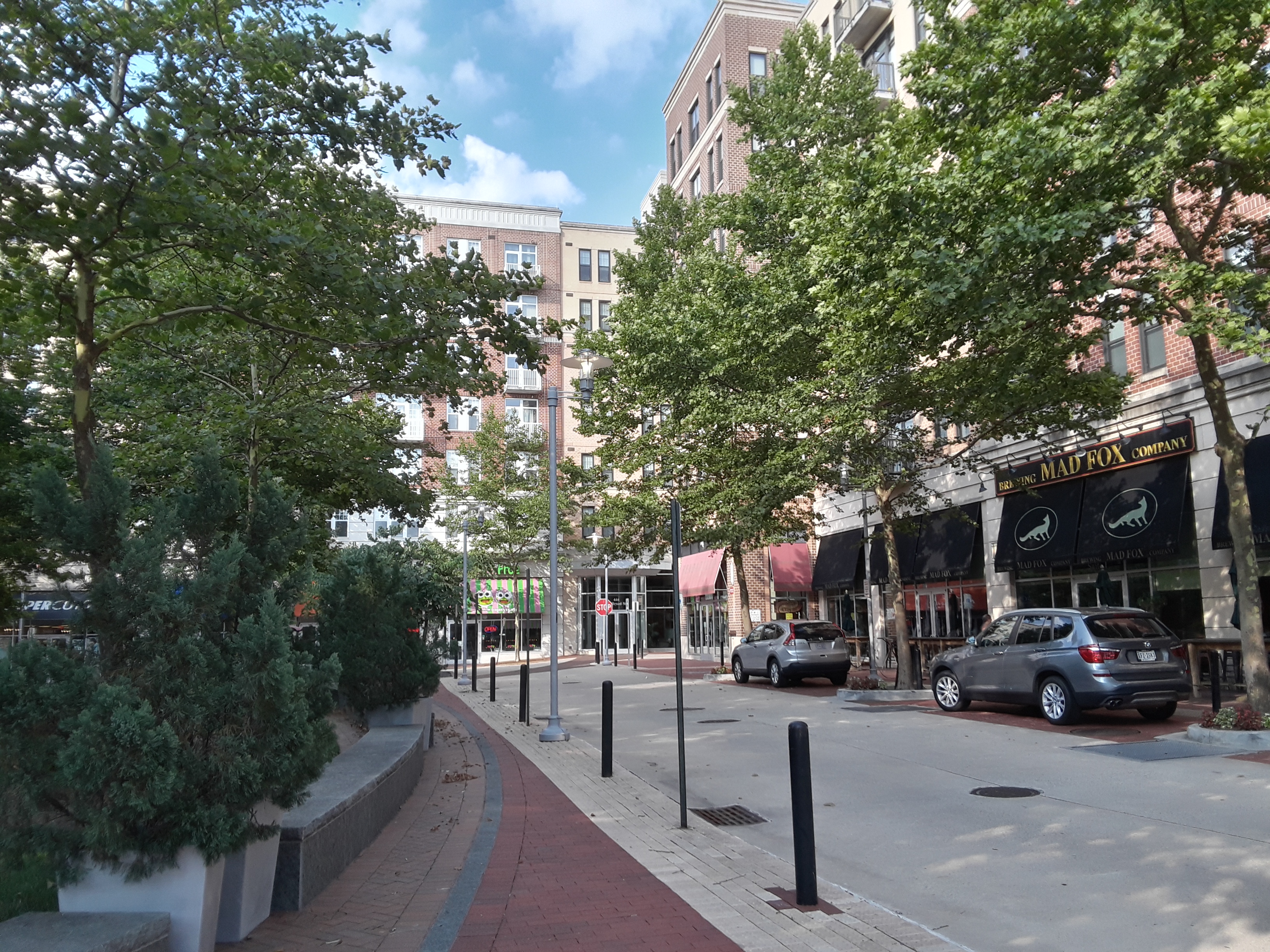
High school sports are a surprisingly big deal here. George Mason High School (now part of the new Meridian High School consolidation) draws real crowds for Friday night football and soccer, and the Mustangs’ rivalry with nearby Marshall is the kind of thing that gets talked about at the State Theatre bar after the game. For pro sports, you’re a 20-minute drive from D.C.’s teams, but most locals are casual fans of the Nationals and Commanders — the real passion is for the local kids. The social scene is less about nightclubs and more about low-key gathering spots. Mad Fox Brewing Company is the unofficial town hall, where you’ll see off-duty teachers, young parents with strollers, and retirees nursing a pint of Slobberknocker Stout. Dogwood Tavern is the go-to for trivia nights and burgers, while Pho 75 and Huong Viet anchor the Eden Center strip, a seven-acre Vietnamese commercial hub that feels like a different world from the rest of Falls Church. The annual Memorial Day Parade is the city’s biggest civic event, and the Falls Church Festival in June brings live music and carnival rides to the downtown core. It’s small-town Americana, but with a global food scene and a median home value of $1,005,400.
The Honest Trade-Offs: What You Gain and What You Give Up
The pros are substantial. The violent crime rate is 72.5 per 100,000 — roughly a third of the national average — and most residents genuinely feel safe walking alone at night. The schools (Falls Church City Public Schools) are a major draw, with a reputation for academic rigor and small class sizes that justifies a significant chunk of the housing premium. The walkable downtown core, with its independent bookstores, bakeries, and the historic Tinner Hill neighborhood, gives the city a character that suburban sprawl can’t replicate. The cons are equally real. The cost of living index sits at 256 (more than 2.5 times the national average), and that $1 million median home price means many families stretch thin or rent long-term. Traffic on Route 7 and 29 is genuinely frustrating during rush hour, and the proximity to D.C. means you’re never fully disconnected from the region’s intensity. Some longtime residents grumble that the city has become too expensive for the teachers and firefighters who make it run, and that the “small town” feel is increasingly reserved for those who can afford the entry fee. The weather is typical Mid-Atlantic: humid summers, mild winters with the occasional snow panic, and a glorious spring and fall that make the trade-offs feel worth it.
Who Fits In Here — and Who Might Not
Falls Church works best for professionals and families who value schools, safety, and community over square footage and nightlife. It’s a place where your social life might revolve around PTA meetings, a book club at Bards Alley, or a weekend hike at Great Falls Park (15 minutes away). Single people in their 20s often find it too quiet and too expensive for what it offers, though the proximity to Arlington and D.C. makes it a viable bedroom community. The median age is 39.4, which tracks with the family-and-career stage of most residents. The cultural identity is proudly independent — Falls Church is its own city, not a D.C. suburb, and locals will correct you if you call it “Northern Virginia” without specifying the city. There’s a quiet pride in the fact that it’s one of the few places in the region where you can still find a sense of place that isn’t defined by a highway exit or a shopping mall. If you can handle the cost and the commute, it’s a genuinely good place to put down roots.

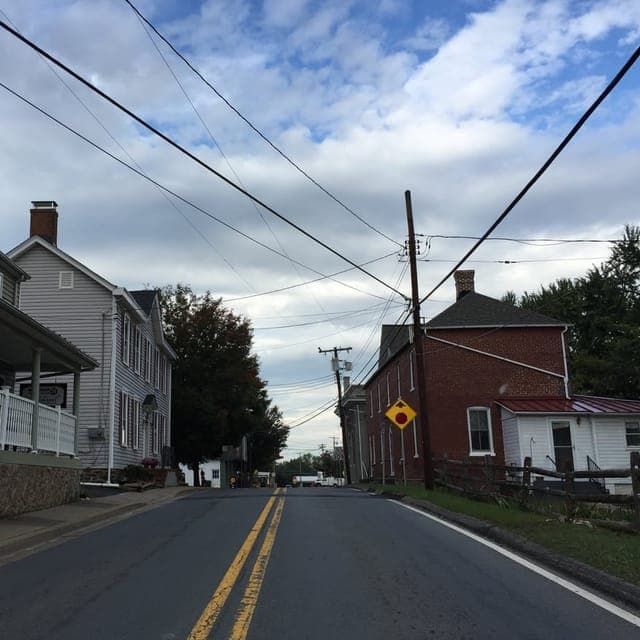
Similar towns to Falls Church
* Values derived from national, state, county, city and local statistics and may differ in a specific area. Last updated: 2026-04-24T01:52:41.000Z
Narrative content on this page is AI-generated and may contain mistakes. Verify any details that matter before acting on them.
ReloMaps may earn a commission from affiliate links at no extra cost to you.

