Photo: Wikipedia
Quality of Life in Falls Church, VA
A high quality of life with strong walkability, manageable living costs, healthy neighborhood signals, and solid amenity access.
What does Quality of Life tell us?
Quality of Life blends cost of living, nearby amenities, socioeconomic signals, and neighborhood character. City-level scores represent the whole municipality; individual neighborhoods can differ.
What does this tell us?
Quality of Life blends cost of living, nearby amenities, socioeconomic signals, and neighborhood character. City-level scores represent the whole municipality; individual neighborhoods can differ.
Cost of Living
156% above national average
The Real Cost of Living in Falls Church, VA for 2026
| Tier | Individual | Family (4) |
|---|---|---|
| Survival | $35k | $66k |
| Comfortable | $184k | $271k |
| Luxury | $270k+ | $419k+ |
| Elite (Top 5%) | $318k+ | $493k+ |
57%
The Area Signal
A metric tracking the socioeconomic signals of the area.
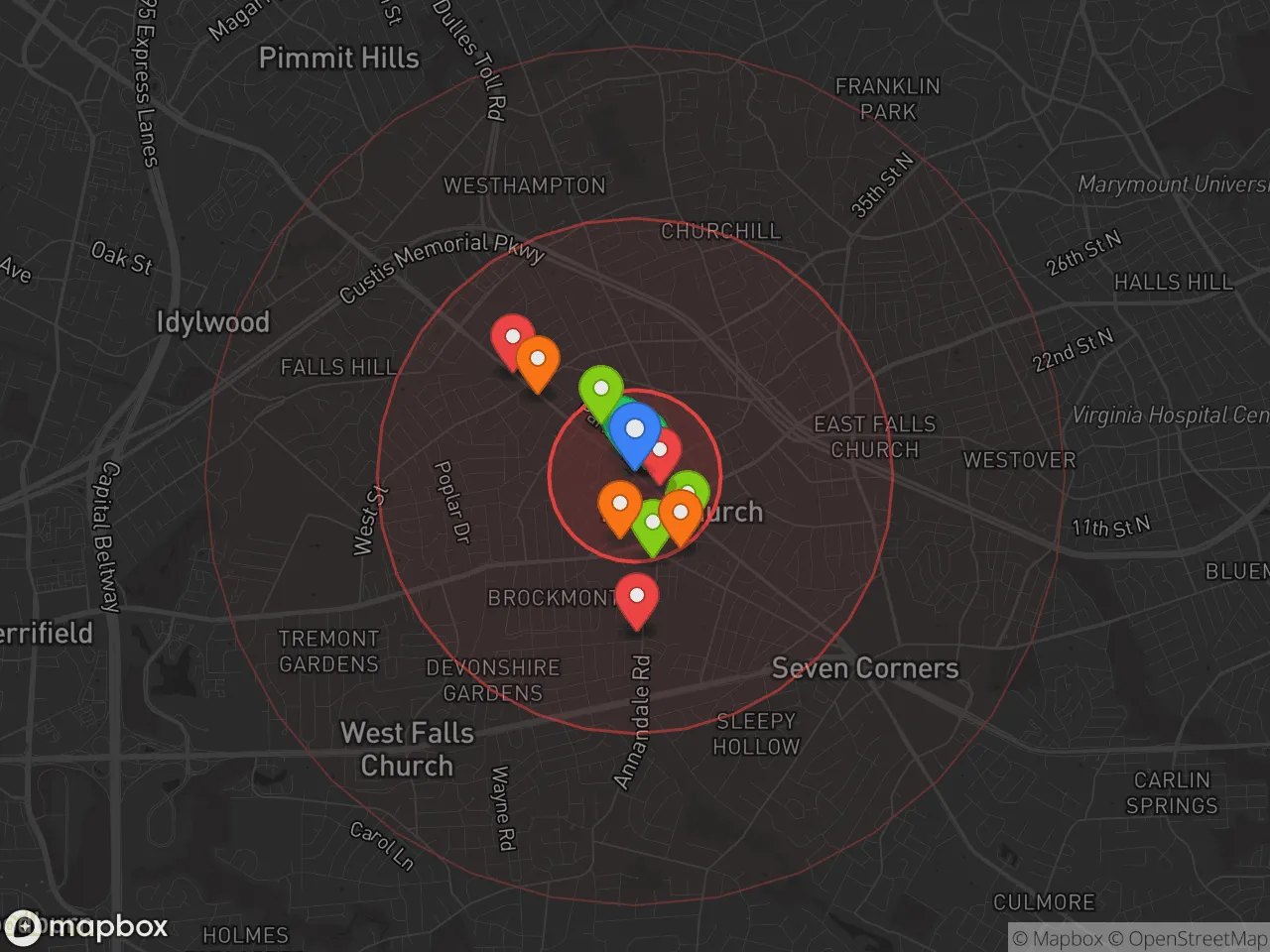
Hobbies
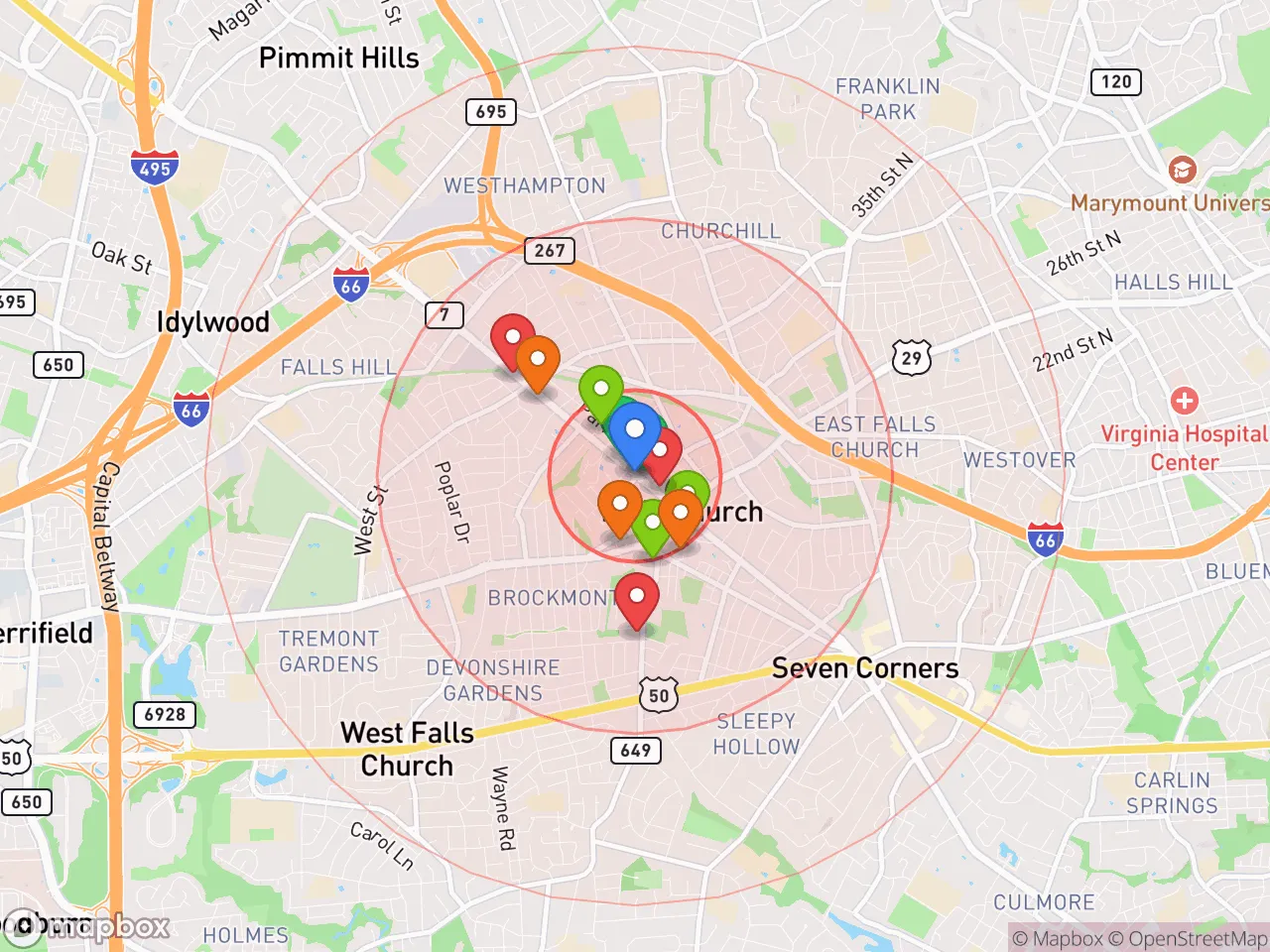
Explore the areaGroceries
7 within 10 miles
Gas
20 within 10 miles
Hospital
20 within 20 miles
Airport
DCA — Ronald Reagan Washington National
Post Office
USPS — Falls Church, VA
Critical Amenities
Quality-of-Life Analysis
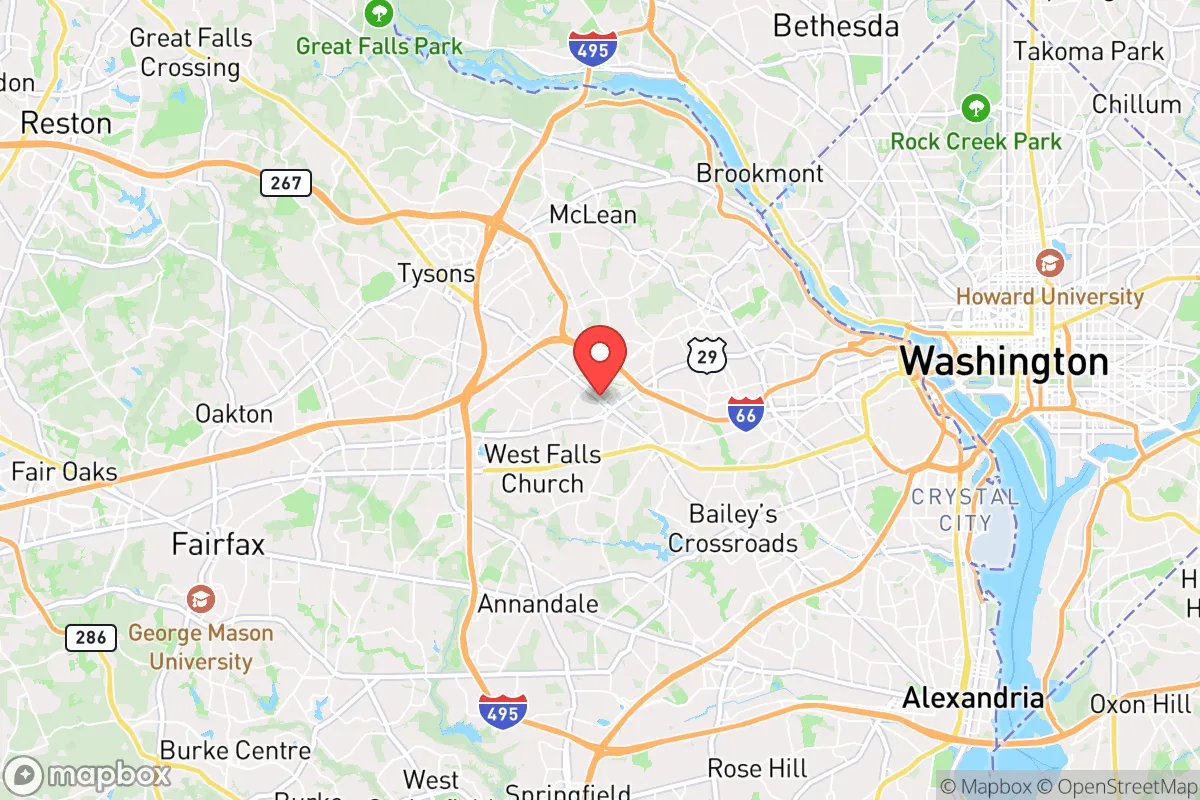
Falls Church, Virginia, is one of the most affluent and sought-after small cities in the Washington, D.C. metropolitan area, with a cost of living index of 256—more than two and a half times the national average. This enclave of roughly 15,000 residents draws a highly educated, professional population, many of whom work in federal government, technology, or consulting and are willing to pay a premium for walkable streets, top-tier public schools, and a tight-knit community feel just six miles from downtown D.C.
Cost of living, housing prices, and how Falls Church compares to Arlington and McLean
Falls Church’s cost of living index of 256 is significantly higher than the U.S. average of 100, driven almost entirely by housing. The median home value sits at $1,005,400, placing it in the same bracket as nearby McLean and Arlington’s priciest neighborhoods. For renters, the median monthly rent of $2,205 is steep but slightly below the $2,400–$2,600 range common in Arlington’s Ballston or Rosslyn corridors. Compared to Washington, D.C. proper, Falls Church offers more square footage per dollar and lower property tax rates (Virginia’s average effective rate is roughly 0.9% versus D.C.’s 0.85% but with higher assessed values). The trade-off is clear: residents pay a premium for a suburban setting with urban proximity, though the city’s small size means fewer multifamily units and a tight housing inventory that keeps prices elevated. The average commute of 27.5 minutes is slightly shorter than the regional average of 33 minutes, thanks to direct access to I-66, the Orange Line at East Falls Church Metro, and multiple bus routes.
What daily life is like: amenities, schools, and the local rhythm
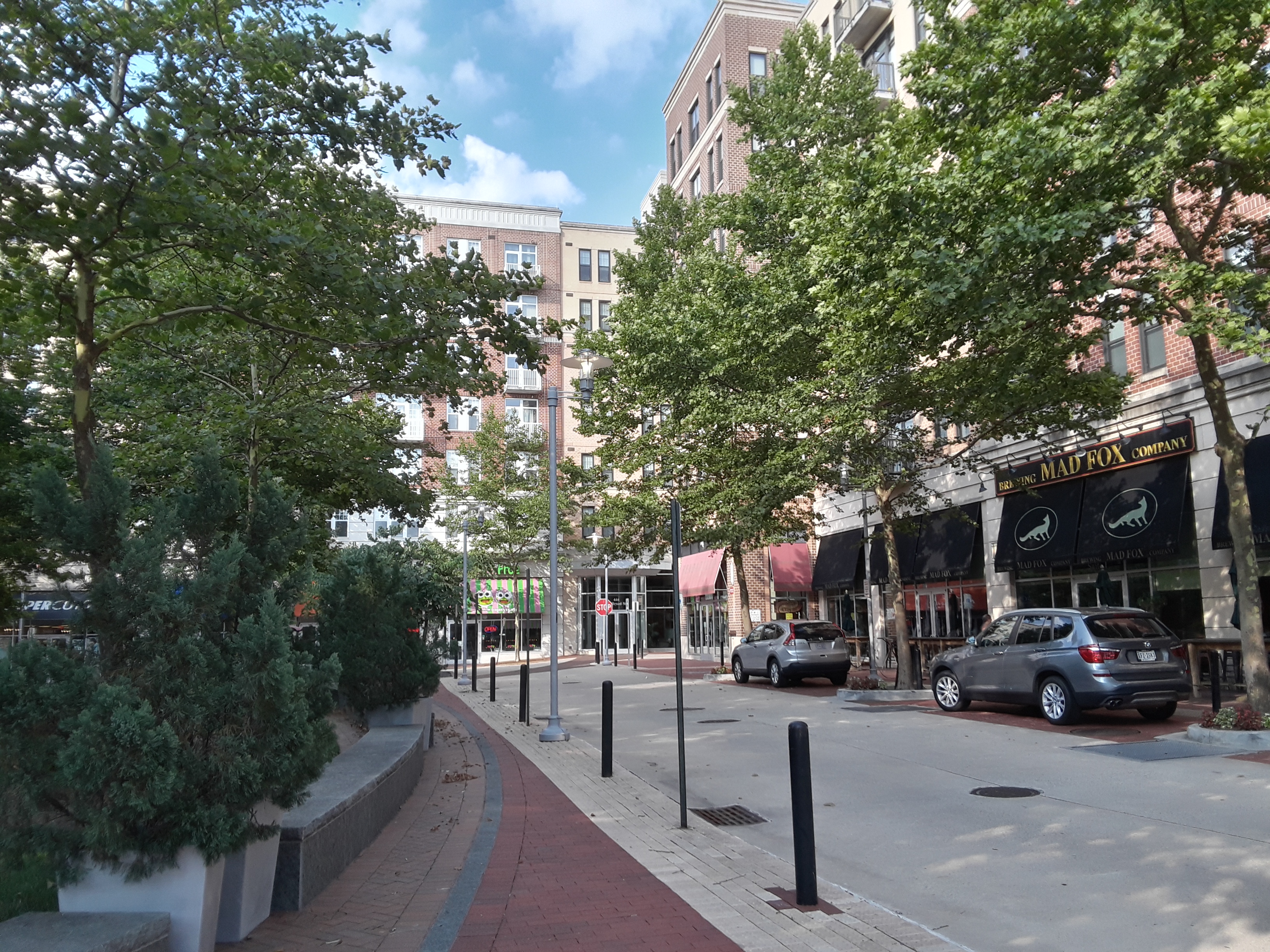
Daily life in Falls Church revolves around its walkable downtown core—a compact stretch of Washington Street lined with independent restaurants, coffee shops, and boutiques. The city’s public schools, part of Falls Church City Public Schools, consistently rank among Virginia’s best: George Mason High School (now Meridian High School) and Mary Ellen Henderson Middle School both hold top-10 state rankings for test scores and college readiness. The school system’s small size (roughly 2,700 students) allows for personalized attention and strong extracurricular programs. Parks like Cherry Hill Park and the W&OD Trail provide green space for runners, cyclists, and dog walkers, while the nearby State Theatre and Falls Church Farmers Market anchor weekend social life. The rhythm is distinctly suburban but not sleepy: residents walk to dinner, attend school events, and commute via Metro or car, with many choosing Falls Church specifically to avoid the high-rise density of Arlington while retaining quick access to D.C.’s cultural and employment hubs.
This combination of elite schools, a walkable village core, and a 27-minute average commute makes Falls Church ideal for families and professionals who prioritize education and community over square footage. Empty-nesters and downsizers also thrive here, drawn to the low-maintenance townhomes and condos near the Metro. However, the high cost of living and competitive housing market mean that single renters or young professionals on entry-level salaries may find better value in nearby Fairfax or Annandale. For those who can afford the premium, Falls Church offers a rare blend of small-town intimacy and metropolitan access that few D.C.-area suburbs can match.

Crime in Falls Church, VA
Lower crime rates than 81% of comparable U.S. locations.
Violent CrimeViolent Crime Analysis
Property CrimeProperty Crime Analysis
Crime Analysis
Falls Church, Virginia, reports a violent crime rate of 72.5 incidents per 100,000 residents and a property crime rate of 1,477 per 100,000, placing it well below national averages for both categories. However, as a small, affluent city embedded within the Washington, D.C. metropolitan area, its safety profile is shaped by regional crime trends and the broader criminal justice policies of Northern Virginia. While the raw numbers appear favorable, residents should be aware that the area’s progressive prosecutorial and judicial environment can influence how crime is managed and punished.
Crime in context
Falls Church’s violent crime rate is roughly 80% lower than the national average, and its property crime rate is about 25% lower than the U.S. median. These figures compare favorably to nearby jurisdictions like Arlington County (violent crime ~150 per 100K) and Alexandria (~200 per 100K). However, the city’s proximity to high-density transit corridors and the D.C. metro means it is not immune to regional property crime, particularly vehicle break-ins and package theft. The key concern for many residents is not the volume of crime but the leniency of the local justice system. Falls Church falls under the 19th Judicial Circuit of Virginia, which includes Fairfax County—a jurisdiction where progressive prosecutors have emphasized diversion programs, reduced cash bail, and alternative sentencing for non-violent offenses. Critics argue this approach results in repeat offenders cycling back into neighborhoods more quickly, undermining deterrence and public confidence.
What residents experience
Daily life in Falls Church feels safe, with most crime concentrated in commercial corridors like the Broad Street and Washington Street areas. Residents report that property crime—especially theft from unlocked vehicles and porch piracy—is the most common nuisance. Violent incidents are rare and typically involve domestic disputes or isolated altercations rather than random attacks. However, the progressive legal climate creates a tangible frustration: many property crimes are charged as misdemeanors, and offenders often receive suspended sentences or community service rather than jail time. This pattern, driven by Fairfax County’s Commonwealth’s Attorney office, means that even when suspects are caught, consequences are minimal. For families and homeowners, this translates into a persistent low-level risk of theft that the city’s low violent crime numbers do not fully capture.
Neighborhood-level variation is modest but noticeable. The area west of West Falls Church Metro (near the City of Falls Church boundary) tends to see fewer incidents, while the eastern edge closer to Seven Corners and Route 7 experiences higher property crime volumes. Gated communities and single-family-home enclaves report lower theft rates than apartment complexes near transit hubs. Overall, Falls Church remains statistically safe, but the combination of regional property crime and a justice system perceived as soft on offenders means residents must remain vigilant—especially with vehicle and package security—to avoid becoming a victim of the area’s most persistent crime problems.
* Values derived from national, state, county, city and local statistics and may differ in a specific area. Last updated: 2026-04-24T01:52:41.000Z
Narrative content on this page is AI-generated and may contain mistakes. Verify any details that matter before acting on them.
ReloMaps may earn a commission from affiliate links at no extra cost to you.

