 Popular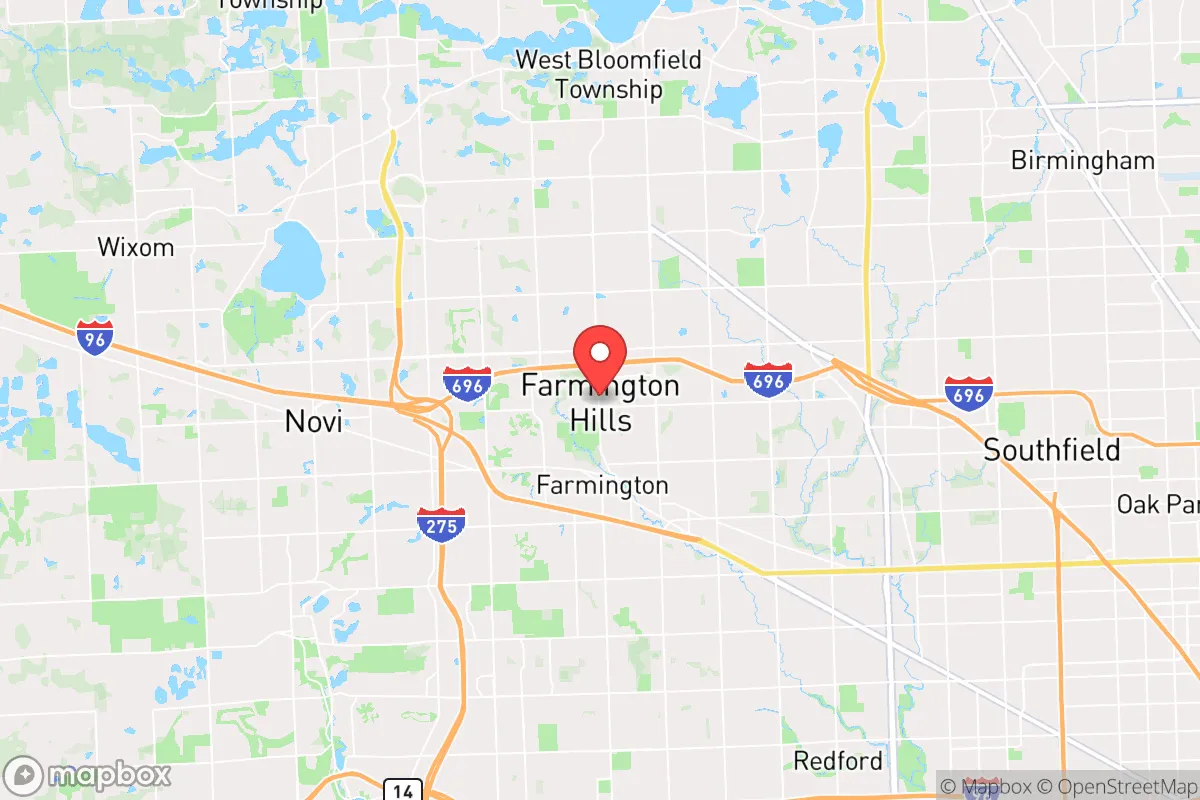
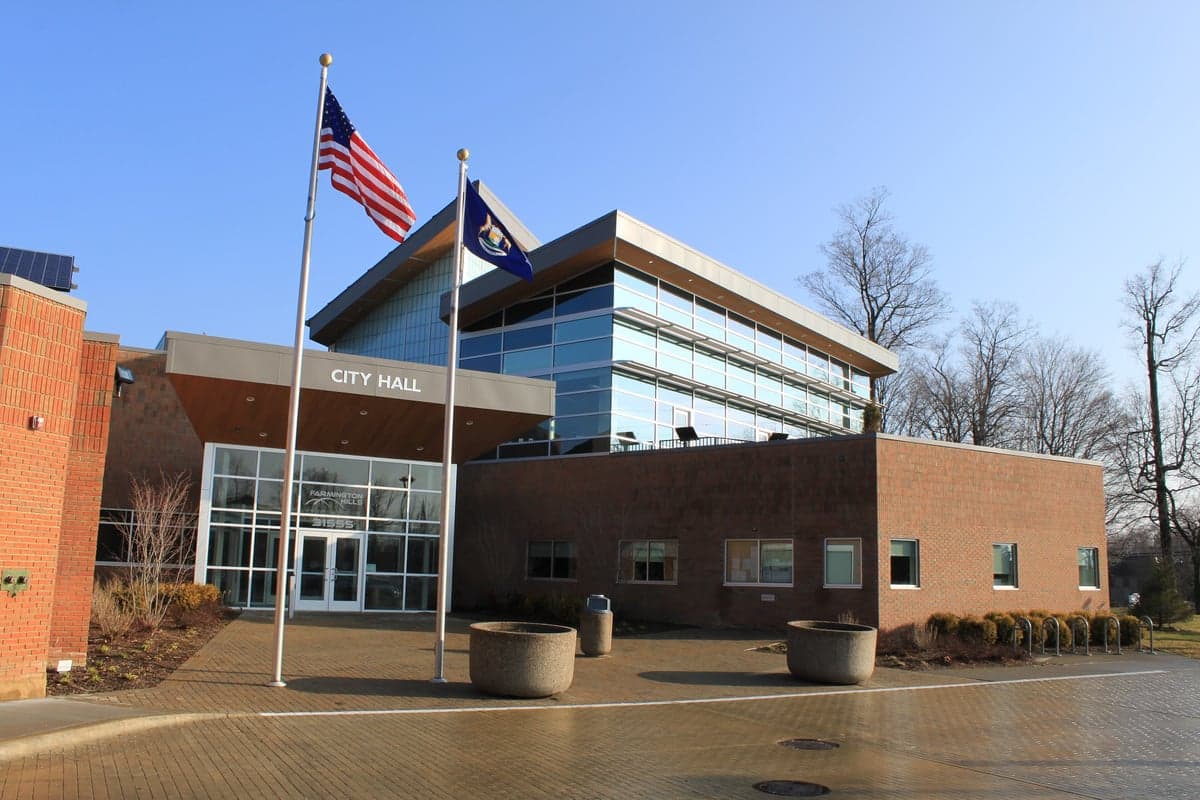
Photo: Wikipedia
Strategic Assessment of Farmington Hills, MI
Multiple tactical vulnerabilities. Population density, target proximity, or disaster risk are likely compounding. A retreat property and exit planning is required.
What does the Strategic Assessment tell us?
Our Strategic Assessment grades tactical survivability of an area. Major population centers, military targets, fallout zones, natural disasters, and border exposure all drive risk — lower exposure means a more defensible position in a crisis.
This is heavily inspired by Joel Skousen's Strategic Relocation book. Highly recommended you checkout the book ($)What does this tell us?
Our Strategic Assessment grades tactical survivability of an area. Major population centers, military targets, fallout zones, natural disasters, and border exposure all drive risk — lower exposure means a more defensible position in a crisis.
This is heavily inspired by Joel Skousen's Strategic Relocation book. Highly recommended you checkout the book ($)Strategic Pillars

Key Distances
Regional Safe Places
Below is our recommended "safe zones" in Michigan and the surrounding area based on our strategic heuristics. For most people, it's unrealistic to live in a “safe zone” full-time due to work, family or other personal reasons. They tend to be more rural. However, many of these areas are perfect for second homes and retreat properties that double as a vacation home or even a short-term rental.


Important Note: For informational purposes only. This does not mean nothing bad ever happens in the green zones. Please use common sense. This is based on public data and modeled with AI. We tried to take a conservative approach but mistakes happen. We update this regularly as new information becomes available.
Solar Generator Recommendations
Backup power matters more here than in safer locations. We've picked three solar generators across budgets and capacity tiers — start with the budget unit if you only need a few essentials, or step up if you want to run a fridge and HVAC for days at a time.

Jackery Portable Power Station Explorer 300
Budget OptionPower on the Go: Weighing only 11 lbs, it's convenient to set up and store with book-sized foldable solar panels

BLUETTI Portable Power Station AC180
Designed for both indoor and outdoor scenarios, AC180 is highly capable as it has a robost capacity and continuous output power.

EF ECOFLOW DELTA Pro Ultra Power Station
Upgraded PickEcoFlow DELTA Pro Ultra is a whole-home energy system designed to grow with your family. Integrated with the Smart Home Panel 2, it scales to meet your evolving energy needs — keeping your home powered, intelligent, and secure through every stage of life.
We earn a commission, at no additional cost to you.
Strategic Assessment Analysis
Farmington Hills, Michigan, sits in a precarious but potentially strategic position for those prioritizing resilience and preparedness. Located roughly 20 miles northwest of downtown Detroit, the city benefits from the economic and logistical infrastructure of a major metropolitan area while maintaining a suburban buffer that offers more space and lower population density than the urban core. For a relocator with a survivalist mindset, this balance is a double-edged sword: the area provides access to resources and supply chains, but its proximity to a major city—and the potential for civil unrest, mass casualty events, or fallout from a disaster—demands careful scrutiny. The city’s location along major highways like I-696 and I-275 offers evacuation routes, but those same arteries could become chokepoints in a crisis.
Geographic position and natural advantages for long-term survival
Farmington Hills is situated in Oakland County, part of the higher-elevation terrain of southeastern Michigan. The area sits atop the Huron River watershed, with several small lakes and wetlands—such as the 200-acre Shiawassee Park and the 40-acre Heritage Park—providing natural water sources. The region’s clay-heavy soil is less prone to flooding than areas closer to the Detroit River, and the rolling hills offer some natural defensibility against ground-level threats. The city’s 33 square miles include substantial tree cover, which could aid in concealment and provide raw materials for shelter or fuel. Winters are harsh, with average snowfall around 40 inches and temperatures often dropping below 20°F, which tests both infrastructure and personal preparedness. However, the cold also limits the viability of certain threats, such as insect-borne diseases or extended civil unrest, as outdoor gatherings become impractical. The area’s agricultural potential is limited by short growing seasons (roughly 150 frost-free days), but nearby rural counties like Lapeer and Livingston offer better soil for food production within a 45-minute drive.
Risks, exposures, and proximity to fallout-relevant landmarks
The most significant risk for Farmington Hills is its proximity to Detroit, a city with a history of economic instability, population decline, and civil unrest. In a scenario involving mass casualty events or societal breakdown, Detroit’s 630,000 residents could create a wave of outward migration, overwhelming suburban infrastructure. The city is also within 30 miles of the Detroit Metropolitan Wayne County Airport, a potential target for terrorism or logistical disruption. Additionally, the area lies near the Fermi 2 nuclear power plant in Newport, Michigan, roughly 40 miles south—within the 50-mile emergency planning zone. While the plant has a strong safety record, any incident could necessitate evacuation or sheltering. The region’s industrial base includes chemical plants and refineries along the Detroit River, such as the Marathon Petroleum refinery in Detroit, which could release hazardous materials in a disaster. On the positive side, Farmington Hills is far from major military installations or known nuclear weapon storage sites, reducing the risk of direct targeting. The city’s grid is interconnected with the broader DTE Energy system, meaning a regional blackout would affect it, but the presence of multiple substations offers some redundancy.
Practical resilience for a relocator: food, water, energy, and defensibility
For a relocator focused on self-sufficiency, Farmington Hills offers a mixed picture. The city’s water supply comes from the Detroit Water and Sewerage Department, which draws from the Detroit River. This centralized system is vulnerable to contamination or disruption, so a private well is not an option in most residential areas due to zoning and groundwater depth. Rainwater collection is legal in Michigan, but the state’s regulations require permits for systems over 1,000 gallons. A better bet is stockpiling water or investing in a high-quality filtration system like a Berkey or a reverse osmosis unit. Food security is more achievable: the city has several farmers’ markets, including the Farmington Farmers Market, and nearby rural areas offer opportunities for hunting (deer, turkey) and foraging (morels, berries). However, suburban zoning restricts livestock and large gardens, so a relocator would need to look to adjacent townships like Milford or Commerce for acreage. Energy resilience is a weak point—the grid is reliable day-to-day but prone to ice storm outages. Solar panels are permitted but face homeowner association restrictions in some neighborhoods; a backup generator is a near-necessity. Defensibility is moderate: the city’s layout is a mix of subdivisions and commercial corridors, with limited natural chokepoints. The police department is well-funded (Oakland County has one of the lowest crime rates in Michigan), but in a prolonged crisis, law enforcement could be stretched thin. A rural retreat within 30 minutes, such as in the Pinckney State Recreation Area, would provide a better fallback position.
Overall, Farmington Hills is a calculated compromise for the strategic relocator. It offers the logistical advantages of a suburban hub—access to medical facilities like Beaumont Hospital, multiple grocery stores, and a strong tax base—while maintaining enough distance from Detroit to avoid the worst of urban collapse scenarios. The city’s conservative-leaning politics (Oakland County voted +2 for Trump in 2024, though Farmington Hills itself leans slightly Democratic) suggest a community that values order and self-reliance, but the area’s diversity and density mean it’s not a prepper’s paradise. For a single individual or family willing to invest in backup systems and maintain a low profile, it’s a viable base of operations—but the smart money also secures a secondary location in the rural thumb of Michigan, where the population thins and the land offers true independence. In a world of increasing uncertainty, Farmington Hills is a solid foothold, not a final redoubt.

* Values derived from national, state, county, city and local statistics and may differ in a specific area. Last updated: 2026-05-03T04:20:59.000Z
Narrative content on this page is AI-generated and may contain mistakes. Verify any details that matter before acting on them.
ReloMaps may earn a commission from affiliate links at no extra cost to you.

