 Popular
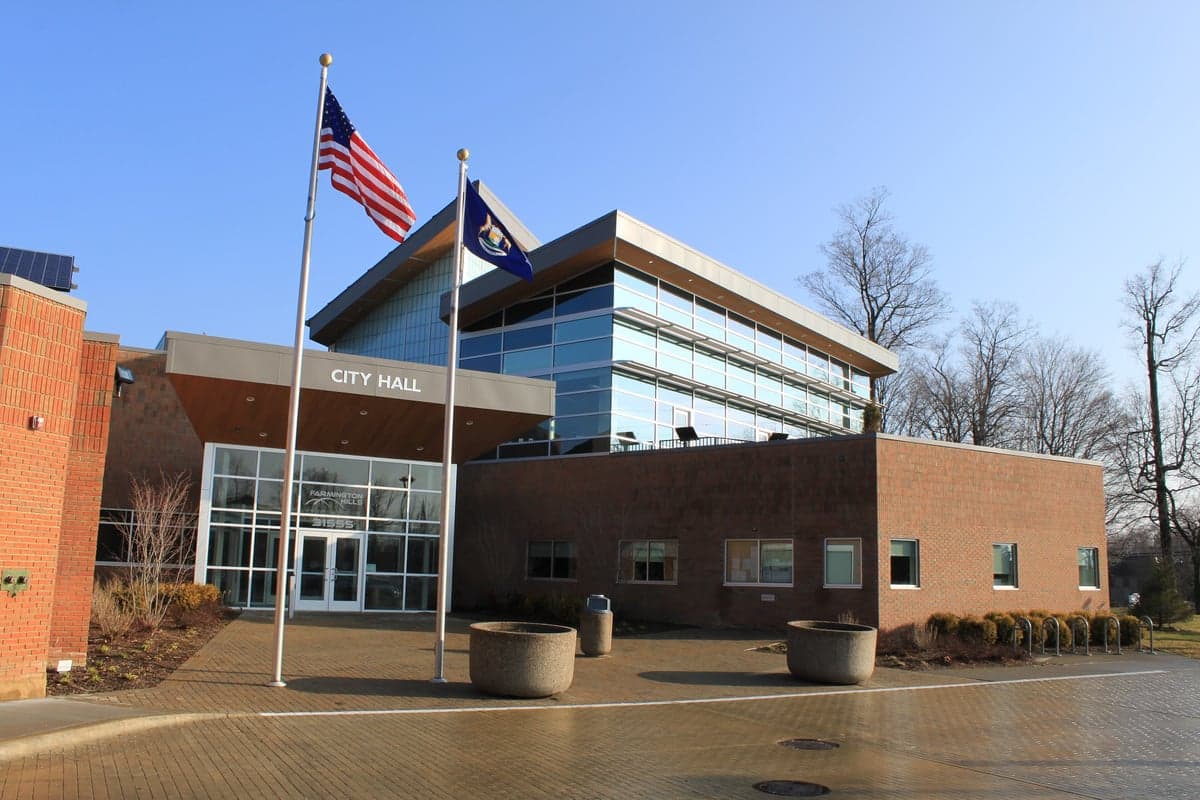
Photo: Wikipedia
Quality of Life in Farmington Hills, MI
A high quality of life with strong walkability, manageable living costs, healthy neighborhood signals, and solid amenity access.
What does Quality of Life tell us?
Quality of Life blends cost of living, nearby amenities, socioeconomic signals, and neighborhood character. City-level scores represent the whole municipality; individual neighborhoods can differ.
What does this tell us?
Quality of Life blends cost of living, nearby amenities, socioeconomic signals, and neighborhood character. City-level scores represent the whole municipality; individual neighborhoods can differ.
Cost of Living
23% above national average
The Real Cost of Living in Farmington Hills, MI for 2026
| Tier | Individual | Family (4) |
|---|---|---|
| Survival | $24k | $44k |
| Comfortable | $65k | $95k |
| Luxury | $163k+ | $252k+ |
| Elite (Top 5%) | $191k+ | $297k+ |
107%
The Area Signal
A metric tracking the socioeconomic signals of the area.
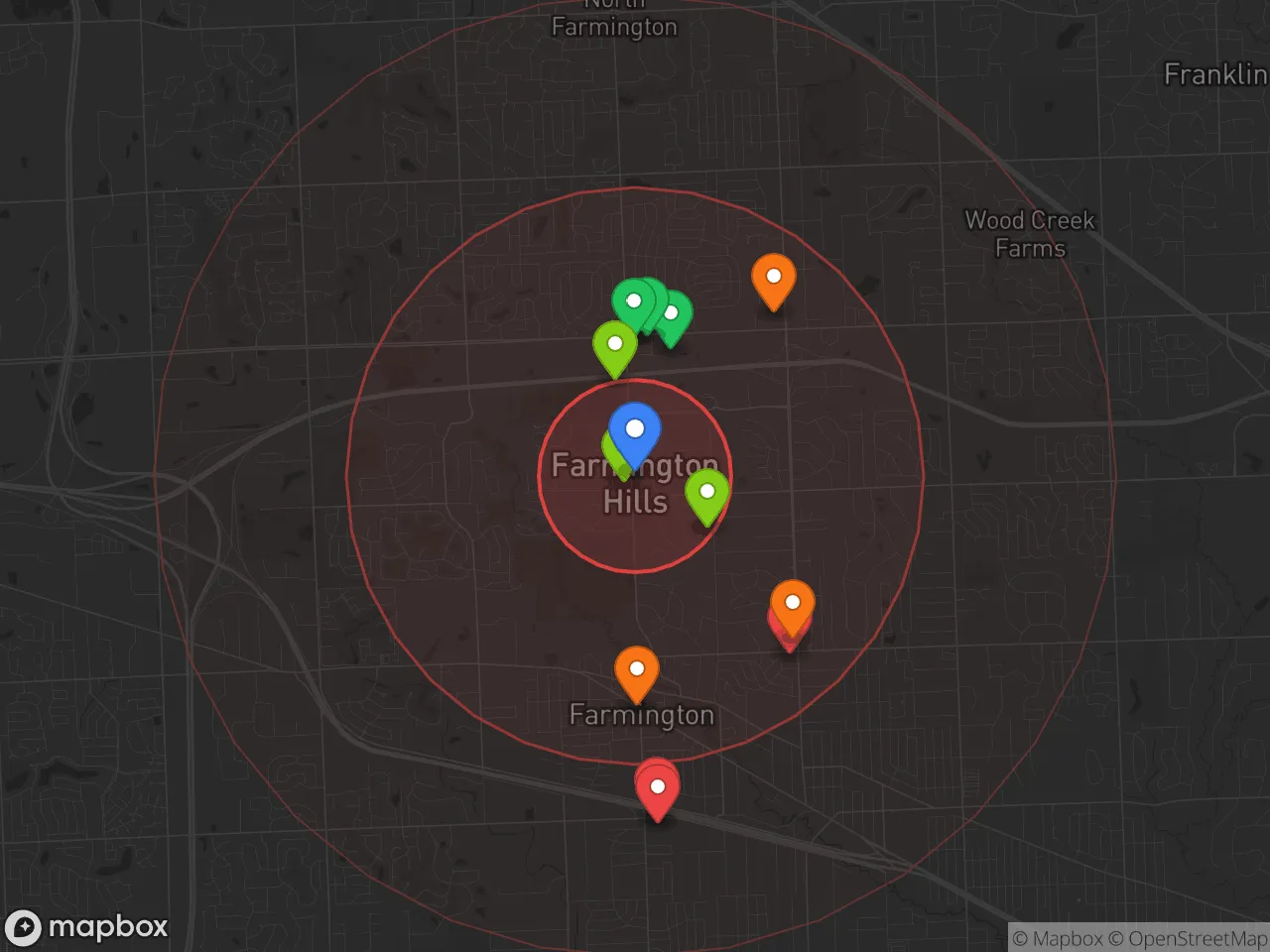
Hobbies
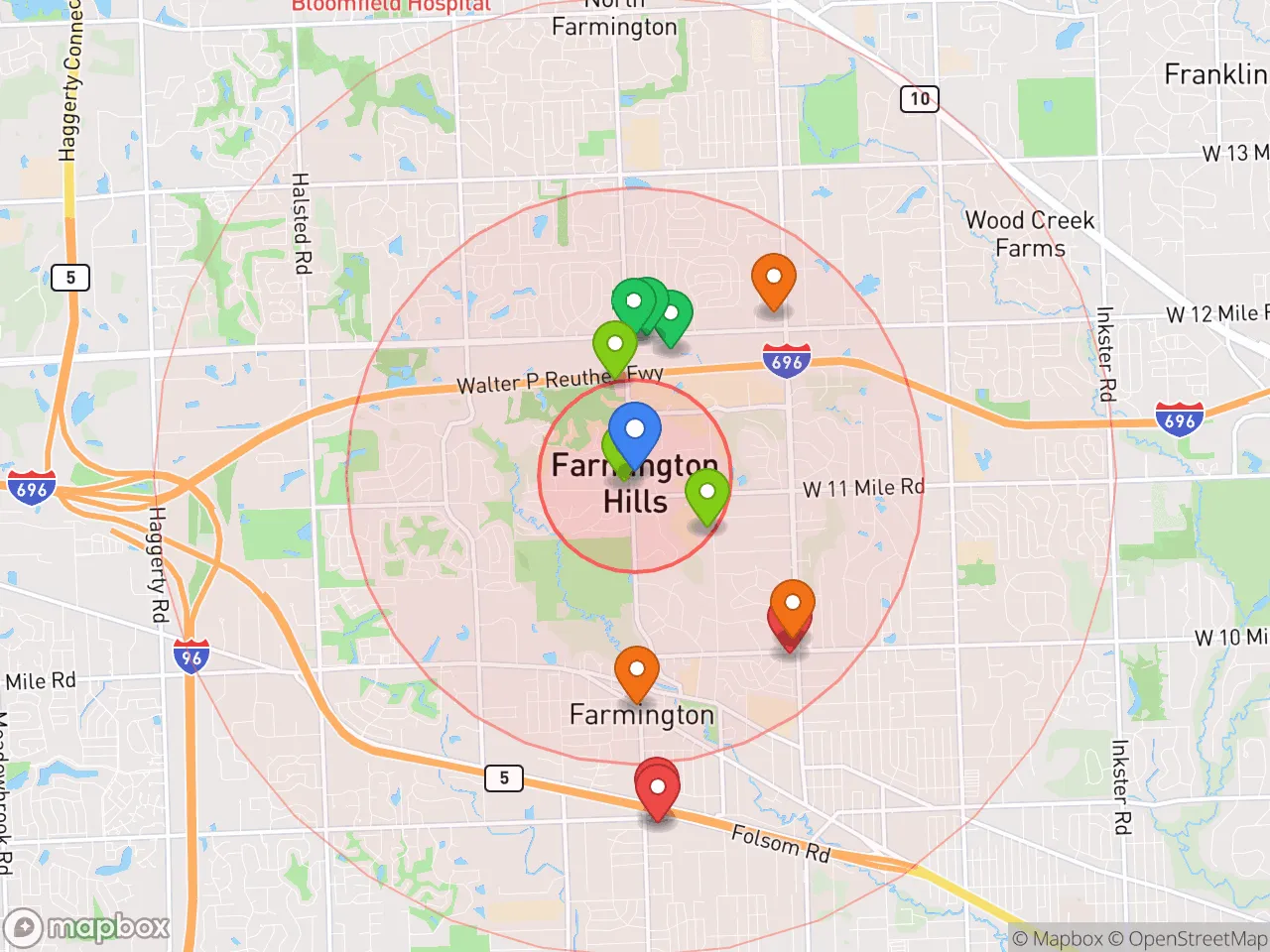
Explore the areaGroceries
6 within 10 miles
Gas
20 within 10 miles
Hospital
20 within 20 miles
Airport
DTW — Detroit Metropolitan Wayne County
Post Office
USPS — Farmington Hills, MI
Critical Amenities
Quality-of-Life Analysis
Farmington Hills, Michigan, is an affluent western suburb of Detroit where the cost of living index sits at 123 (23% above the national average), reflecting its reputation as a community of well-educated professionals and families. The city attracts a mix of corporate executives, healthcare workers, and tech professionals drawn to its top-rated schools and proximity to major employers like Bosch, Mercedes-Benz, and Beaumont Health. With a median household income significantly above the state average, Farmington Hills offers a suburban lifestyle that balances career opportunity with residential comfort, though the elevated cost of living means it is not the most budget-friendly option in Metro Detroit.
Cost of living, housing prices, and affordability compared to nearby suburbs
Housing is the primary driver of Farmington Hills' above-average cost of living. The median home value is $333,200, which is roughly 30% higher than the Michigan state median and competitive with neighboring communities like Novi and West Bloomfield. Renters face a median monthly rent of $1,475, placing it above the national average but below pricier suburbs such as Birmingham or Ann Arbor. For context, a one-bedroom apartment in Farmington Hills typically rents for $1,200–$1,400, while a three-bedroom unit can exceed $2,000. The average commute time of 24.5 minutes is shorter than the Detroit metro average, thanks to easy access to I-696, M-5, and I-275, which reduces transportation costs for workers heading to downtown Detroit or Oakland County office parks. Property taxes in Oakland County are among Michigan's highest, averaging around 2.5% of assessed value, which adds a significant recurring cost for homeowners. While not as expensive as the wealthiest enclaves, Farmington Hills demands a solid income—generally $80,000 or more for a family—to live comfortably without being house-poor.
What daily life is like: schools, parks, shopping, and community feel
Daily life in Farmington Hills centers on its highly regarded public schools, particularly those in the Farmington Public Schools district, which consistently earns A ratings from Niche and boasts strong test scores and Advanced Placement offerings. The city is home to over 30 parks, including the sprawling Heritage Park with its lake, trails, and sports facilities, and the Shiawassee Park nature area. Shopping and dining are anchored by the upscale Twelve Oaks Mall in nearby Novi and the Orchard Mall, while local favorites like the Farmington Farmers Market (just over the border in Farmington) provide seasonal community gathering spots. The population of roughly 82,000 is diverse, with significant Asian American and Middle Eastern communities, reflected in the variety of restaurants and cultural events. Commuters appreciate the 24.5-minute average drive time, which allows for a genuine suburban lifestyle—kids walk to school, neighbors know each other, and weekend errands are manageable. However, the city is car-dependent; public transit via SMART buses is limited, and walkable downtown districts are more characteristic of adjacent Farmington city than Farmington Hills itself.
Farmington Hills is best suited for families and professionals who prioritize strong schools, safe neighborhoods, and short commutes over low housing costs or urban energy. Young couples starting careers in Oakland County's tech or healthcare sectors will find a stable, amenity-rich environment, while empty-nesters appreciate the low crime rates and access to medical facilities like Beaumont Hospital. Budget-conscious renters or first-time buyers may find better value in nearby Wixom or Walled Lake, but for those who can afford the premium, Farmington Hills delivers a consistently high quality of life with few trade-offs.

Crime in Farmington Hills, MI
Lower crime rates than 84% of comparable U.S. locations.
Violent CrimeViolent Crime Analysis
Property CrimeProperty Crime Analysis
Crime Analysis
Farmington Hills, Michigan, is a relatively safe suburb of Detroit, but its crime landscape reflects a mix of low violent crime rates and property crime levels that demand attention. With a violent crime rate of 141.2 per 100,000 residents and a property crime rate of 782.1 per 100,000, the city offers a security profile that is notably better than the national average for violent offenses but slightly elevated for property-related incidents. However, as part of a large metro area with progressive judicial policies, residents should remain vigilant about how local justice system trends may impact long-term safety.
Crime in context
Farmington Hills’ violent crime rate is 62% lower than the national average of roughly 370 per 100,000, placing it among the safer suburbs in Oakland County. Property crime, however, runs about 10% above the national average of 710 per 100,000, driven largely by theft and vehicle break-ins. Compared to the state of Michigan, which reported a violent crime rate of approximately 480 per 100,000 in recent years, Farmington Hills is significantly safer for violent offenses. Yet the property crime figure is a concern, especially given that the broader Detroit metro area has seen progressive district attorneys and judges in nearby jurisdictions adopt policies that prioritize diversion and reduced sentencing for property offenders. This approach, while sympathetic to offenders, can lead to higher recidivism and more criminals on the street, directly impacting suburban communities like Farmington Hills that share regional law enforcement resources.
What residents experience
Daily life in Farmington Hills feels secure for most residents, with well-lit neighborhoods, active community policing, and a strong police presence. The city’s violent crime is rare—typically involving isolated incidents rather than random attacks—so the risk of being a victim of assault, robbery, or homicide is low. Property crime, however, is more tangible: residents commonly report stolen packages, unlocked car break-ins, and occasional home burglaries. The progressive judicial environment in Oakland County and surrounding areas means that even when suspects are caught, they often face lenient sentences or pre-trial release programs, which can erode deterrence. For families and professionals, this means taking proactive steps—like using security cameras, joining neighborhood watch groups, and locking vehicles—is essential to mitigate the effects of a justice system that may not fully prioritize public safety.
Neighborhood-level variation is notable. Areas near the 12 Mile Road corridor and commercial zones like Orchard Lake Road see higher property crime rates due to foot traffic and easy access. In contrast, the northern and western residential subdivisions—such as those near Drake Road and 14 Mile—report fewer incidents, benefiting from lower density and stronger community cohesion. Overall, Farmington Hills remains a safe choice for those who value suburban tranquility, but the regional trend toward progressive criminal justice policies means residents must stay engaged and advocate for accountability to keep their streets secure.
* Values derived from national, state, county, city and local statistics and may differ in a specific area. Last updated: 2026-05-03T04:20:59.000Z
Narrative content on this page is AI-generated and may contain mistakes. Verify any details that matter before acting on them.
ReloMaps may earn a commission from affiliate links at no extra cost to you.

