 Popular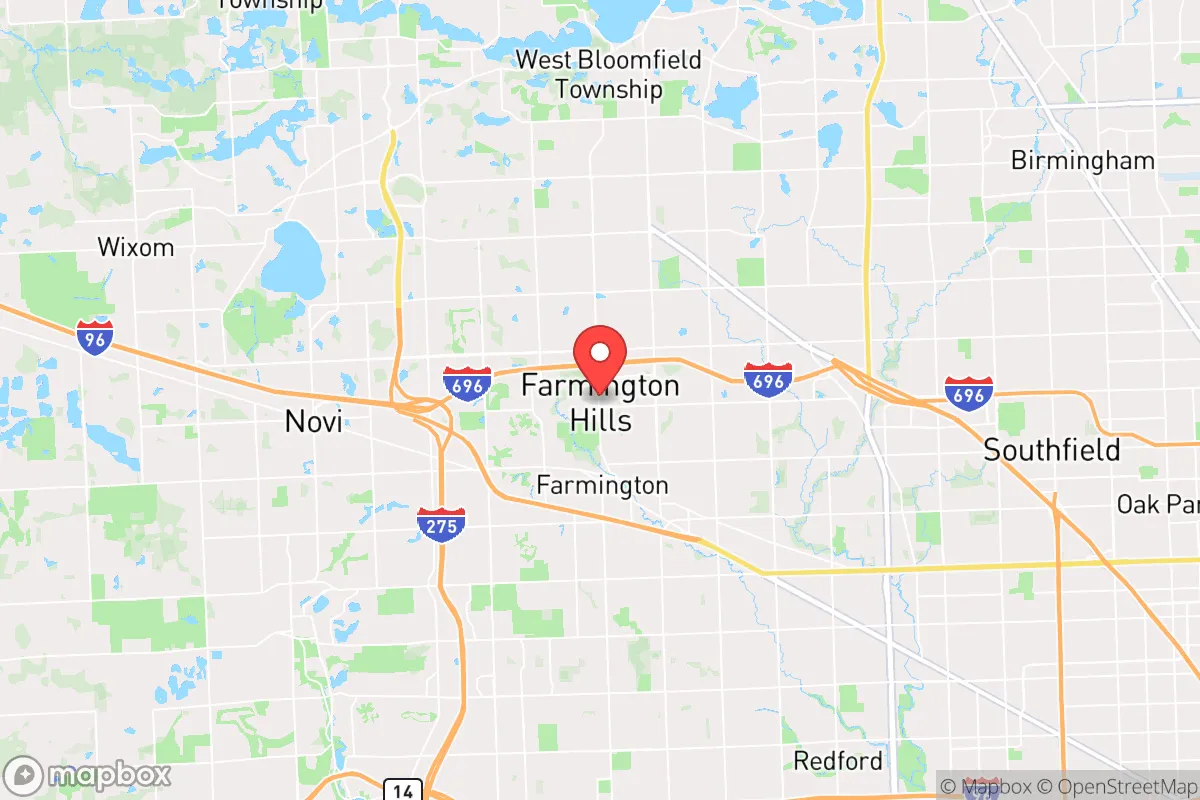
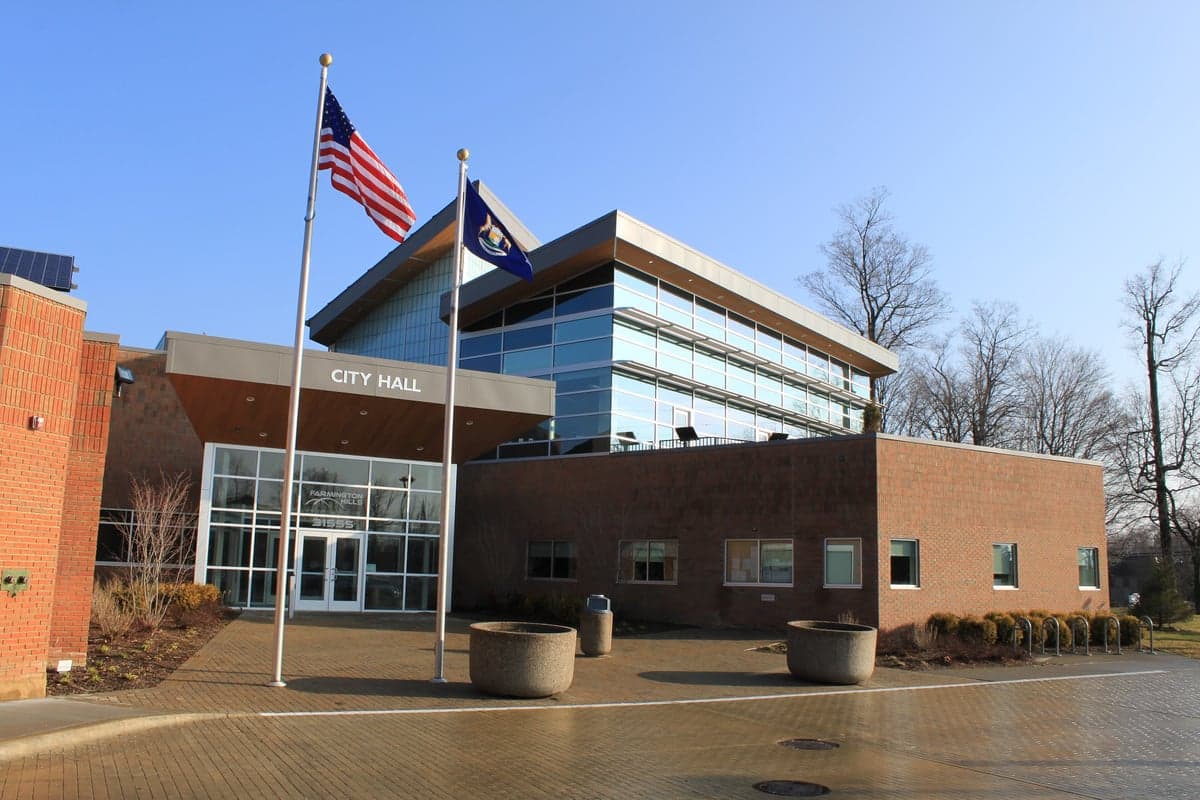
Photo: Wikipedia
Political ClimatePolitical Climate in Farmington Hills, MI
District shown is the primary district for this city’s centroid. Cities may span multiple districts.
Local Political AnalysisPolitical Analysis of Farmington Hills, MI
Farmington Hills has been trending steadily blue for years, and the numbers back it up—the Cook PVI sits at D+9, meaning this area votes about nine points more Democratic than the national average. If you’ve lived here as long as I have, you’ve watched the shift happen in real time. It wasn’t always this way; back in the 80s and 90s, you’d see a healthy mix of conservative and moderate voices at city council meetings and neighborhood cookouts. Now, the political energy is overwhelmingly progressive, and that’s changed not just how people vote, but how the city operates day to day.
How it compares
Drive ten minutes west to Novi or Northville, and you’ll feel a different political vibe—those communities still lean more purple, with a stronger conservative presence in local elections and school boards. Head east into Southfield or Oak Park, and you’re in deep-blue territory, even more so than Farmington Hills. The contrast is sharpest when you look at Livonia, just south of us, which has held onto a more balanced, sometimes conservative-leaning council despite the region’s leftward drift. Here in Farmington Hills, the local government has embraced a lot of the progressive playbook—expanded social programs, zoning changes that prioritize dense development over single-family neighborhoods, and a police oversight board that some feel goes too far in second-guessing officers. It’s a far cry from the “live and let live” attitude that used to define this place.
What this means for residents
For folks who value personal freedom and limited government, the trend is concerning. You’re seeing more ordinances that touch on everyday life—like restrictions on short-term rentals, tighter noise and property maintenance codes, and a push for “equity” policies that can feel like social engineering. The school district, Farmington Public Schools, has also leaned into progressive curriculum changes and DEI initiatives that some parents worry prioritize ideology over academics. Property taxes are on the higher side for Oakland County, and while services are good, there’s a sense that the city is spending more on programs that don’t directly benefit everyone. If you’re a small business owner or a homeowner who just wants to be left alone, the growing regulatory appetite can feel like a slow creep of government into your backyard.
One thing that hasn’t changed much is the cultural makeup—Farmington Hills is still a diverse, family-oriented suburb with good parks and a strong sense of community. But the political direction is unmistakable. In the near term, expect more of the same: tighter rules, higher spending, and a local government that’s less interested in hearing from conservative voices. Long term, if the trend continues, you might see more families and retirees heading west to places like Brighton or Howell where the political climate is more aligned with traditional values. For now, if you’re considering a move here, just know what you’re signing up for—it’s a comfortable place to live, but the political winds are blowing hard in one direction, and they’re not likely to shift back anytime soon.

State Political ClimatePolitical Climate in Michigan
State Political AnalysisPolitical Environment in the State
Michigan has long been considered a classic battleground state, but over the last decade, it has shifted from a reliably blue state in presidential elections to a true toss-up, with a slight lean toward Democrats in statewide races. The state’s political climate is defined by a stark urban-rural split, with the heavily populated southeast (Detroit, Ann Arbor, and Grand Rapids) driving Democratic wins, while the rest of the state—especially the Upper Peninsula and northern Lower Peninsula—votes solidly Republican. Over the past 20 years, the state has trended left on social issues and election administration, but a strong conservative base in the exurbs and rural areas has kept the state competitive. For a conservative considering a move, the key question is whether the state’s policy trajectory is accelerating away from personal freedom or if there are still pockets where liberty and common sense prevail.
Urban vs. rural divide
The political map of Michigan is a tale of two states. The Democratic stronghold is the southeastern corner, anchored by Detroit and its inner-ring suburbs like Southfield and Ferndale, which vote 70-80% Democratic. Ann Arbor, home to the University of Michigan, is a deep-blue island that pushes the state left on social and environmental policy. Grand Rapids, once a conservative bastion, has shifted purple in recent cycles as its downtown gentrifies and attracts younger, left-leaning professionals. Meanwhile, the rural and exurban counties—like Ottawa County (west of Grand Rapids), Livingston County (northwest of Detroit), and Macomb County (a working-class swing county that flipped from Obama to Trump)—are where Republicans dominate. The Upper Peninsula, including Marquette and Escanaba, is culturally conservative but economically populist, often splitting tickets. The 2020 election saw Macomb County vote for Trump by 8 points, while Oakland County (a wealthy Detroit suburb) went for Biden by 14 points—a 22-point gap that encapsulates the state’s divide.
Policy environment
Michigan’s policy environment has become increasingly progressive under Democratic control of the governor’s office and legislature since 2023. The state has a flat income tax of 4.25%, but a 2023 law repealed the retirement tax exemption, effectively raising taxes on seniors. Property taxes are moderate, but the state’s Headlee Amendment caps annual increases, which has kept them from exploding. On education, Michigan has a universal school choice program through charter schools and inter-district open enrollment, but the state also passed a controversial repeal of the 1931 abortion ban and codified abortion rights via Proposal 3 in 2022, which conservatives view as an overreach. Election laws have shifted dramatically: the 2022 Proposal 2 expanded early voting, no-excuse absentee ballots, and ballot drop boxes, which critics argue weakens election integrity. The state also passed a red flag law in 2023, allowing courts to temporarily seize firearms from individuals deemed a threat, which gun rights advocates see as a violation of due process. For a conservative, the regulatory posture is mixed—business-friendly in some areas (no state-level minimum wage preemption, but local control is limited), but increasingly hostile on social and Second Amendment issues.
Trajectory & freedom
Michigan is clearly trending toward less personal freedom, particularly on gun rights, parental rights, and medical autonomy. The 2023 red flag law (HB 4146) and the universal background check requirement for all firearm purchases (HB 4138) represent the most significant expansion of gun control in state history. On parental rights, the state’s sex education standards were updated in 2023 to include LGBTQ+ topics in K-12 curriculum, with no opt-out provision for parents—a flashpoint for conservative families. Medical autonomy took a hit with the 2023 repeal of the 1931 abortion ban, which removed all restrictions on abortion up to viability, and the state now mandates insurance coverage for abortion. On the positive side for freedom, Michigan has no state income tax on Social Security benefits, and the Right to Farm Act protects agricultural property rights from nuisance lawsuits. However, the trend is clear: the state government is centralizing power in Lansing, eroding local control on everything from zoning to school curriculum. A new resident should expect that the state’s trajectory over the next 5 years will continue to favor progressive policy priorities, especially if Democrats hold the governorship.
Civil unrest & political movements
Michigan has been a hotbed of political activism on both sides. The Wolverine Watchmen militia group was involved in the 2020 plot to kidnap Governor Gretchen Whitmer, which highlighted the deep distrust between rural conservatives and the state government. The Operation Gridlock protests in April 2020, where thousands of armed protesters gathered at the state capitol to oppose COVID-19 lockdowns, were a defining moment for the state’s conservative movement. On the left, the Michigan Democratic Party has been energized by the 2022 ballot initiatives, and groups like Michigan United push for sanctuary policies and criminal justice reform. Immigration politics are less visible than in border states, but Detroit and Ann Arbor have declared themselves sanctuary cities, refusing to cooperate with ICE. Election integrity remains a sore spot: the 2020 election saw widespread use of absentee ballots, and while no widespread fraud was proven, the Michigan Senate Oversight Committee report in 2021 documented numerous administrative irregularities. The Antrim County voting machine error in 2020, which initially showed a 6,000-vote swing due to a software glitch, remains a rallying cry for election skeptics. A new resident will notice the political tension is palpable, especially in rural areas where “Fuck Whitmer” flags still fly.
Projection
Over the next 5-10 years, Michigan is likely to become more polarized and more progressive at the state level. Demographic trends favor Democrats: the Detroit metro area is growing slowly, but the Grand Rapids area is attracting young professionals from blue states, while rural counties are aging and losing population. The 2024 election will be a key test—if Democrats hold the governorship and legislature, expect further gun control (magazine limits, assault weapon bans), expansion of mail-in voting, and more state control over local land use. If Republicans retake the legislature, they could slow the trend but are unlikely to reverse it due to gubernatorial vetoes. The Michigan Supreme Court currently has a 4-3 Democratic majority, which will shape rulings on redistricting and election laws for the next decade. For a conservative, the best bet is to move to a red county like Livingston or Ottawa, where local school boards and sheriff’s offices still push back against Lansing. But the state as a whole is on a trajectory toward California-lite policy, especially on guns and education.
For a conservative moving to Michigan, the bottom line is this: you can find a community that aligns with your values, especially in the western and northern parts of the state, but you will be fighting an uphill battle against a state government that is increasingly hostile to gun rights, parental choice, and local control. The tax burden is manageable, but the regulatory creep is real. If you value strong Second Amendment protections and local autonomy, look at Ottawa County or the Upper Peninsula. If you want to be in a purple area with some conservative influence, Macomb County is a battleground worth watching. But don’t expect the state to swing back to the right anytime soon—the demographic and policy trends are clear, and the freedom index is dropping. Choose your county carefully, and be prepared to engage in local politics to protect your way of life.
* Values derived from national, state, county, city and local statistics and may differ in a specific area. Last updated: 2026-05-03T04:20:59.000Z
Narrative content on this page is AI-generated and may contain mistakes. Verify any details that matter before acting on them.
ReloMaps may earn a commission from affiliate links at no extra cost to you.

