Photo: Wikipedia
Quality of Life in Fitchburg, MA
Above-average quality of iife. The area offers a reasonable cost of living, decent mobility, and a mix of neighborhood amenities.
What does Quality of Life tell us?
Quality of Life blends cost of living, nearby amenities, socioeconomic signals, and neighborhood character. City-level scores represent the whole municipality; individual neighborhoods can differ.
What does this tell us?
Quality of Life blends cost of living, nearby amenities, socioeconomic signals, and neighborhood character. City-level scores represent the whole municipality; individual neighborhoods can differ.
Cost of Living
The Real Cost of Living in Fitchburg, MA for 2026
| Tier | Individual | Family (4) |
|---|---|---|
| Survival | $18k | $34k |
| Comfortable | $57k | $84k |
| Luxury | $118k+ | $183k+ |
| Elite (Top 5%) | $139k+ | $215k+ |
84%
The Area Signal
A metric tracking the socioeconomic signals of the area.
Hobbies
Explore the areaGroceries
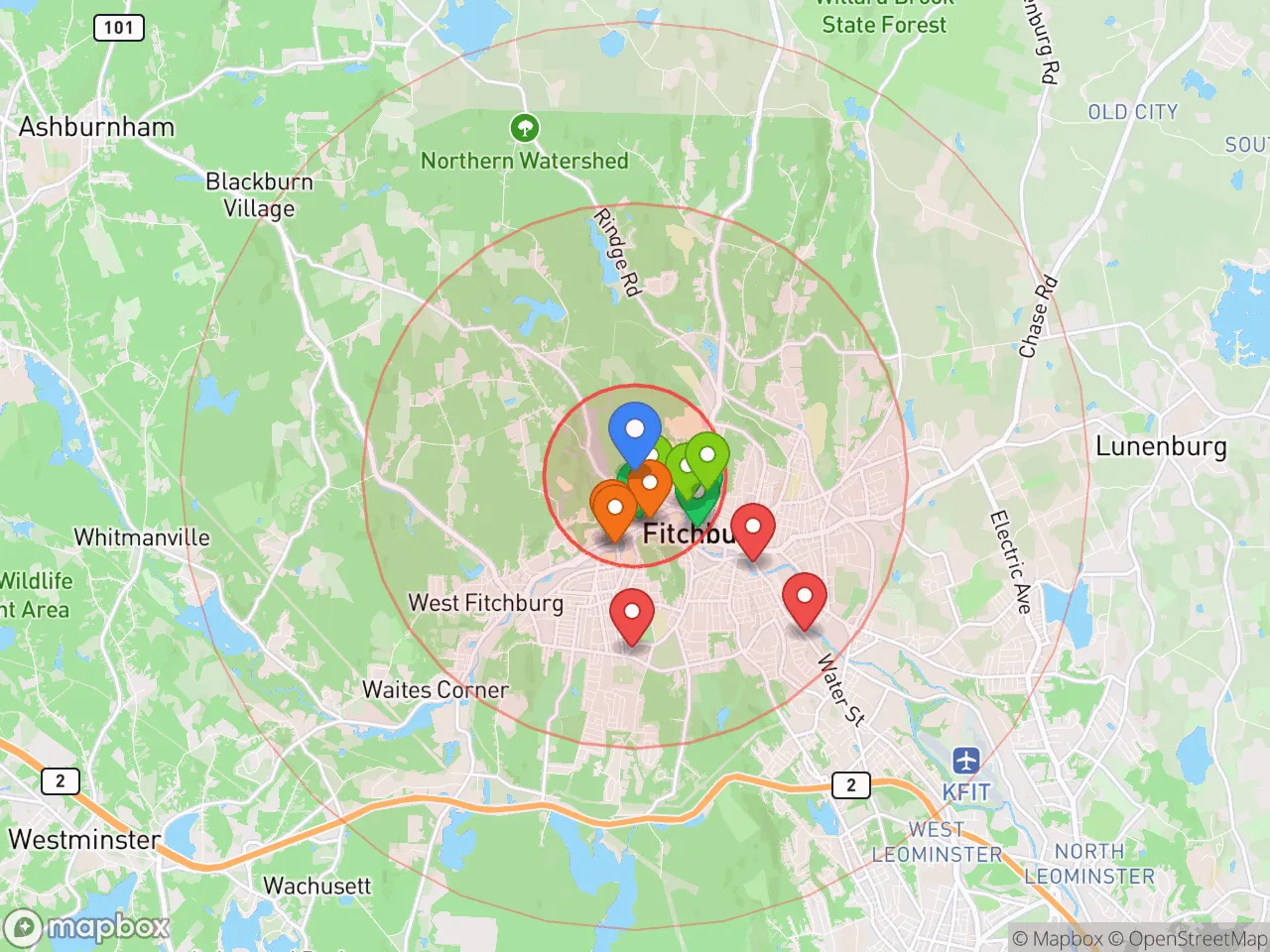
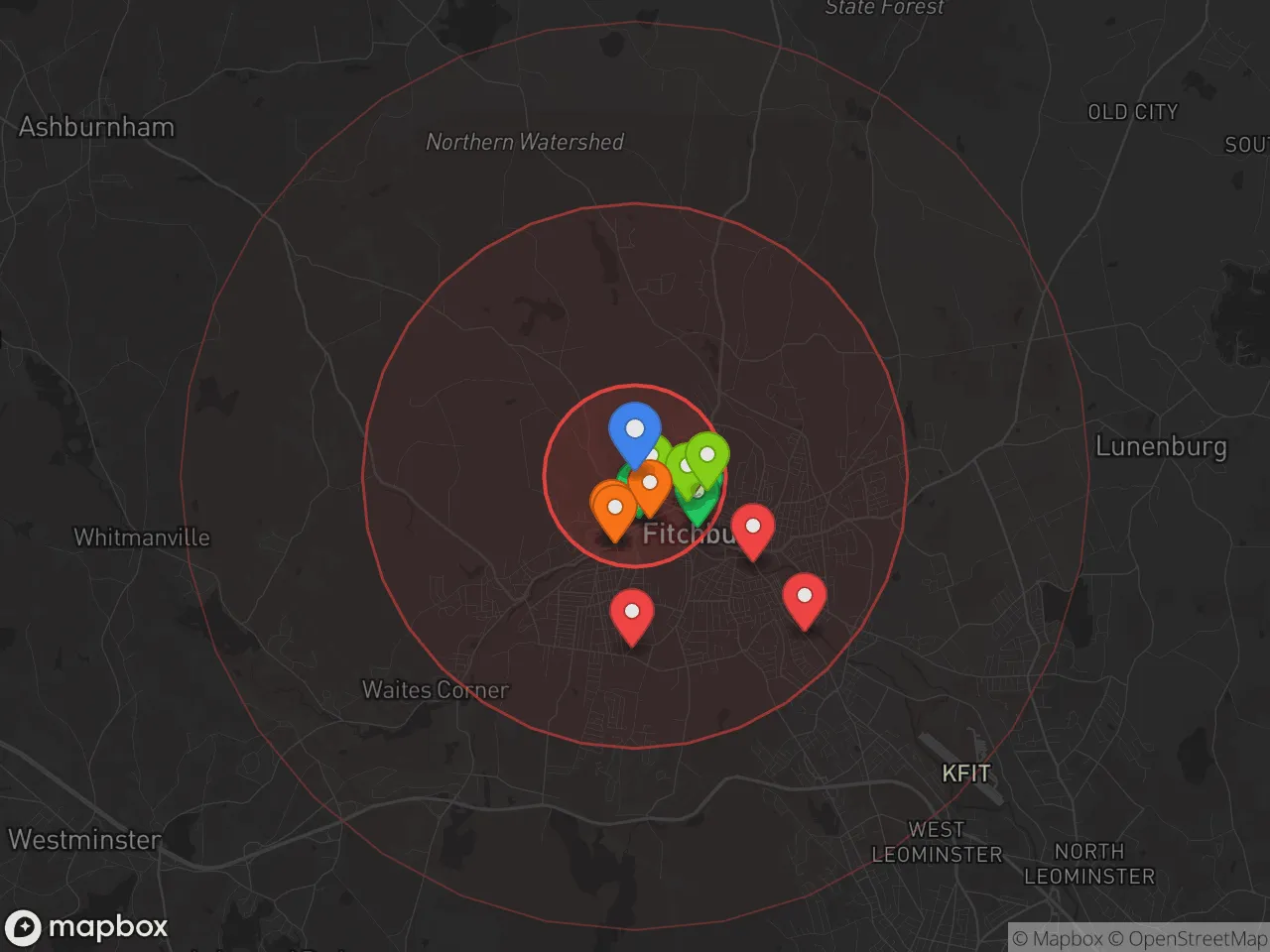
6 within 10 miles
Gas
20 within 10 miles
Hospital
8 within 20 miles
Airport
PDX — Portland International Jetport
Post Office
USPS — 477 Main Street, Fitchburg
Critical Amenities
Quality-of-Life Analysis
Fitchburg, Massachusetts, offers a quality of life defined by its status as one of the more affordable communities in the Greater Boston region, attracting a mix of first-time homebuyers, working families, and commuters seeking lower housing costs. With a cost of living index at exactly 100 (on par with the U.S. average), the city provides a financial foothold that is increasingly rare in eastern Massachusetts. The population is diverse and includes a significant number of residents employed in manufacturing, healthcare, and education, alongside those who commute to Worcester or Boston for higher-paying jobs.
Housing costs and affordability compared to nearby areas
Fitchburg’s housing market is a primary draw, with a median home value of $295,500—roughly half the median in neighboring Leominster and less than a third of the median in many Boston suburbs. The median rent of $1,131 is also well below the state average, making the city one of the most accessible rental markets in Worcester County. However, this affordability comes with trade-offs: the city’s housing stock is older, with many properties built before 1940, and property taxes in Fitchburg are relatively high, averaging around 1.8% of assessed value. For context, a typical mortgage payment on a median-priced home here is about $1,800 per month (including taxes and insurance), compared to over $3,000 in towns like Acton or Concord. The average commute of 27 minutes is manageable for those working locally or in Worcester, but commuters to Boston should expect 60–90 minutes each way via Route 2 or the MBTA Fitchburg Line, which adds significant transportation costs.
Schools, amenities, and what daily life feels like
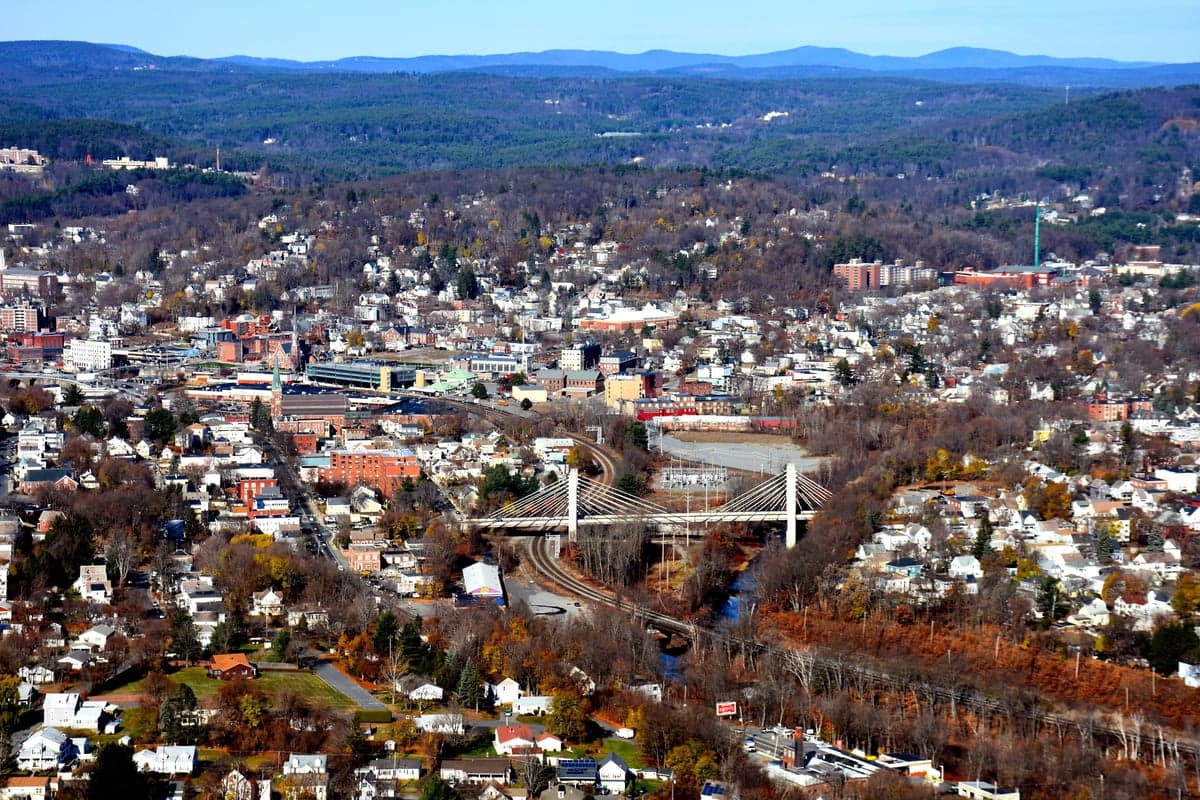
Daily life in Fitchburg centers on a blend of urban convenience and small-town practicality. The Fitchburg Public Schools system serves roughly 4,000 students, with Fitchburg High School offering several STEM and early college pathways through partnerships with Fitchburg State University. For families, the city’s parks—including the 4,300-acre Fitchburg State Forest and Coggshall Park—provide ample outdoor recreation. The downtown area has seen revitalization efforts, with the Fitchburg Art Museum and the Stratton Players community theater anchoring a modest cultural scene. Groceries, retail, and dining options are concentrated along John Fitch Highway, though residents often drive to Leominster for larger chains and big-box stores. The city’s walkability is low, and most errands require a car. Healthcare access is solid, with UMass Memorial HealthAlliance Hospital located within city limits. The overall rhythm is quieter than a major city but busier than a rural town, with a noticeable industrial heritage still visible in the mill buildings along the Nashua River.
Fitchburg is best suited for budget-conscious buyers and renters who prioritize affordability over prestige school districts or a vibrant nightlife. First-time homebuyers, tradespeople, and remote workers with flexible schedules will find the housing costs freeing, while families should weigh the school system’s improving but still below-state-average test scores against the financial savings. Commuters willing to tolerate a longer drive to Boston or Worcester can unlock significant equity-building potential. The city’s ongoing downtown reinvestment and proximity to natural amenities make it a pragmatic choice for those who value space and value over suburban polish.

Crime in Fitchburg, MA
Generally safer than 63% of comparable U.S. locations.
Violent CrimeViolent Crime Analysis
Property CrimeProperty Crime Analysis
Crime Analysis
Fitchburg, Massachusetts, reports a violent crime rate of 481.6 incidents per 100,000 residents and a property crime rate of 1,288.2 per 100,000, placing it among the higher-risk communities in Worcester County. These figures reflect a city that faces significant public safety challenges, particularly when compared to state and national averages. The city’s proximity to the Boston metro area and its status as a regional economic hub mean that crime patterns are influenced by both local conditions and broader metropolitan trends.
Crime in context
Fitchburg’s violent crime rate is roughly 1.3 times the national average and significantly exceeds the Massachusetts state average of approximately 300 per 100,000. Property crime in Fitchburg is also elevated, running about 1.2 times the national rate. These numbers place Fitchburg in the upper tier of crime rates among cities of similar size in the state. The city’s location within a large metro area with liberal and progressive judicial leadership is a contributing factor; such jurisdictions often prioritize offender rehabilitation over incarceration, which can result in higher recidivism and more criminals on the street. This systemic approach, while sympathetic to offenders, directly undermines public safety and justice for victims.
What residents experience
Residents report that property crimes—including burglary, larceny, and motor vehicle theft—are the most common safety concerns, with many incidents occurring in residential neighborhoods and near downtown commercial corridors. Violent crime, while less frequent, includes aggravated assault and robbery, with a notable concentration in areas with higher poverty and housing instability. The presence of progressive district attorneys in the region means that many offenders face reduced charges or diversion programs, which can lead to repeat offenses and a diminished sense of security for law-abiding citizens. Daily life for many Fitchburg residents involves taking precautions such as securing vehicles, avoiding certain streets after dark, and investing in home security systems.
Neighborhood-level variation
Safety conditions vary considerably across Fitchburg’s neighborhoods. The Cleghorn and South Fitchburg areas tend to report higher crime densities, while the Westminster Hill and Upper Common districts are generally quieter. Neighborhoods near the Fitchburg State University campus benefit from campus police patrols and community watch programs, offering a relative buffer. However, the overall crime landscape is shaped by the metro area’s lenient judicial environment, which reduces the deterrent effect of prosecution and leaves residents in all neighborhoods more exposed to repeat offenders. Prospective movers should research block-level crime maps and consider visiting at different times of day to assess local conditions firsthand.
* Values derived from national, state, county, city and local statistics and may differ in a specific area. Last updated: 2026-05-01T11:11:37.000Z
Narrative content on this page is AI-generated and may contain mistakes. Verify any details that matter before acting on them.
ReloMaps may earn a commission from affiliate links at no extra cost to you.

