Photo: Wikipedia
Find The Best Places To Live
in Worcester
PRO TIP! You can paste a Zillow or Redfin link to get info on that property.
What It's Like Living in Worcester, MA
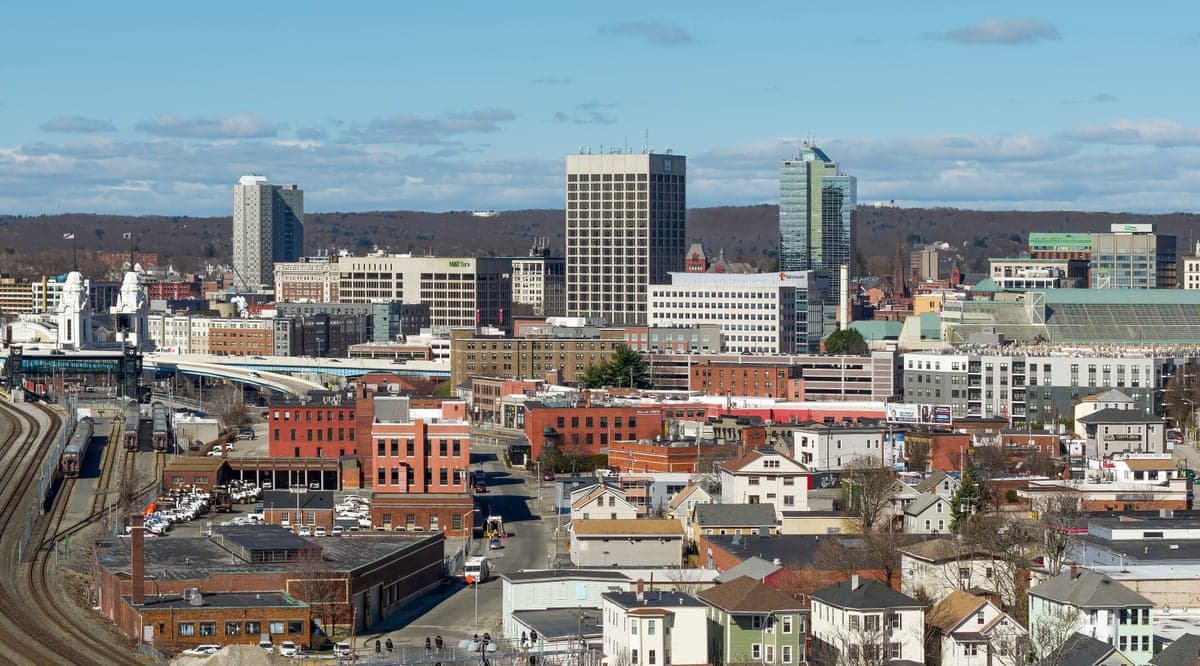
Worcester is the kind of place that grows on you. It’s not a postcard New England town, and it doesn’t try to be. Instead, it’s a gritty, hardworking city of about 205,000 people that feels more like a big town than a small city — a place where the local diner owner knows your order, but you can still catch a world-class orchestra at Mechanics Hall. The vibe is unpretentious and practical, with a strong sense of local pride that comes from surviving the post-industrial era and reinventing itself as a hub for healthcare, education, and biotechnology.
The Daily Rhythm: Work, Commute, and the Neighborhood Feel
Most people here work in the city’s dominant sectors: healthcare (UMass Memorial Medical Center and St. Vincent Hospital are the largest employers), education (Worcester Polytechnic Institute, Clark University, and UMass Chan Medical School are major anchors), or biotech. The median household income sits around $67,544, which is below the state average but stretches further here thanks to a cost of living index of 121 (100 is the US average). That’s higher than the national norm, but it’s a bargain compared to Boston, where the index is closer to 150. The average commute is about 25 minutes — a realistic, manageable drive that doesn’t eat your morning. Traffic on I-290 and Route 9 can get snarled during rush hour, but it’s nothing like the parking lot that is the Mass Pike west of I-495.
Weekends are for errands at the Price Chopper or Market Basket, a hike at the nearby Broad Meadow Brook Wildlife Sanctuary, or grabbing a table at a local spot like The Fix Burger Bar or the divey but beloved Ralph’s Rock Diner. The median age is 34.1, and about 34.1% of adults hold a college degree. That skews the city toward young professionals and early-stage families — people who want city amenities without Boston prices. You’ll see a lot of Subarus and used Hondas in the parking lots, not Teslas. This is a place where people are more likely to talk about their kid’s soccer game than their stock portfolio.
Sports, Community, and the Local Identity
Sports are a big deal here, but not in the way you might expect. The Worcester Red Sox (the “WooSox”), the Triple-A affiliate of the Boston Red Sox, play at Polar Park in the Canal District — a beautiful, intimate ballpark that opened in 2021 and has become the city’s living room. On a summer night, you’ll see families, college kids, and retirees all cheering for the home team. High school sports are also a serious matter: St. John’s High School and Holy Name are perennial football powers, and the city’s public schools have passionate followings. College sports are less dominant, but Holy Cross basketball games at the Hart Center draw a loyal crowd.
The city’s identity is shaped by its immigrant waves — Irish, Italian, Polish, and more recently, Vietnamese and Puerto Rican communities. That shows up in the food: you can get a proper pierogi at the Polish American Club, a banh mi at Da Lat, or a cannoli at the Italian bakery on Shrewsbury Street. The annual Worcester St. Patrick’s Day Parade is one of the largest in New England, and the Latin American Festival in September draws thousands to the Common. There’s a no-nonsense, blue-collar ethos here — people work hard, they’re direct, and they don’t have much patience for pretension.
What’s There to Do: Entertainment, Parks, and Nightlife
For a city its size, Worcester punches above its weight in culture. The Worcester Art Museum has a solid collection (including a room of French Impressionists), and the Mechanics Hall is a stunning 1857 concert venue that hosts everything from classical to indie rock. The Palladium is the go-to for metal and punk shows — it’s grungy, loud, and beloved. Outdoor options include Green Hill Park (with a zoo and golf course) and Lake Quinsigamond, where you can kayak or row. The Canal District is the nightlife hub, with breweries like Wormtown Brewery and Greater Good Imperial Brewing Company drawing crowds. For a quieter night, the BirchTree Bread Company is a favorite for coffee and pastries.
The honest pros and cons are straightforward. What locals love: the affordability (median home value is $339,500 — still within reach for a dual-income household), the lack of Boston traffic, the strong sense of community, and the fact that you can actually get a reservation at a nice restaurant on a Friday night. What frustrates them: the city’s reputation (it’s still fighting the “Wormtown” label, though that’s fading), the sometimes rough edges in certain neighborhoods (the violent crime rate is 235.8 per 100,000 — higher than the national average but concentrated in specific areas), and the winter weather. Winters are long, gray, and snowy — expect to shovel from December through March. The schools are a mixed bag; the public system has some strong elementary schools, but many families opt for private or parochial options.
The cultural quirks are part of the charm. People here say “bubbler” instead of “water fountain.” They’re fiercely loyal to local institutions like the Worcester Public Market and the Diner on the Hill. And there’s a running joke that everyone in Worcester knows someone who went to Holy Cross or WPI. It’s a city that doesn’t try to impress you — but if you give it a chance, it becomes home.

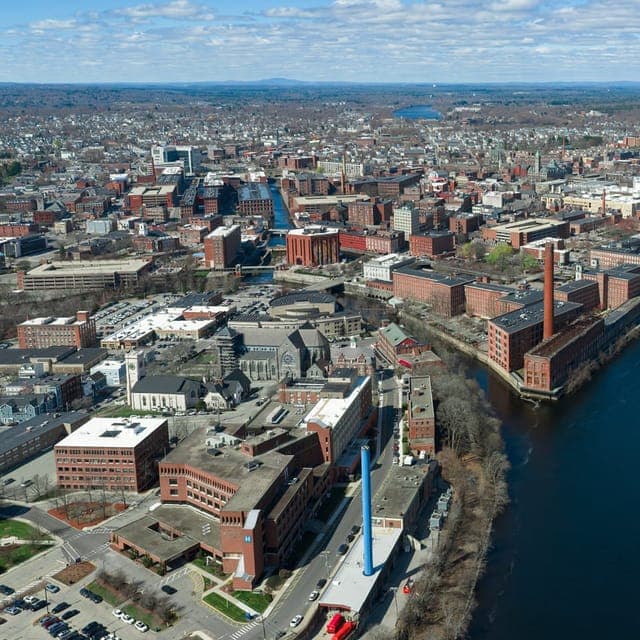
Similar small cities to Worcester
* Values derived from national, state, county, city and local statistics and may differ in a specific area. Last updated: 2026-05-01T21:34:17.000Z
Narrative content on this page is AI-generated and may contain mistakes. Verify any details that matter before acting on them.
ReloMaps may earn a commission from affiliate links at no extra cost to you.

