 Popular
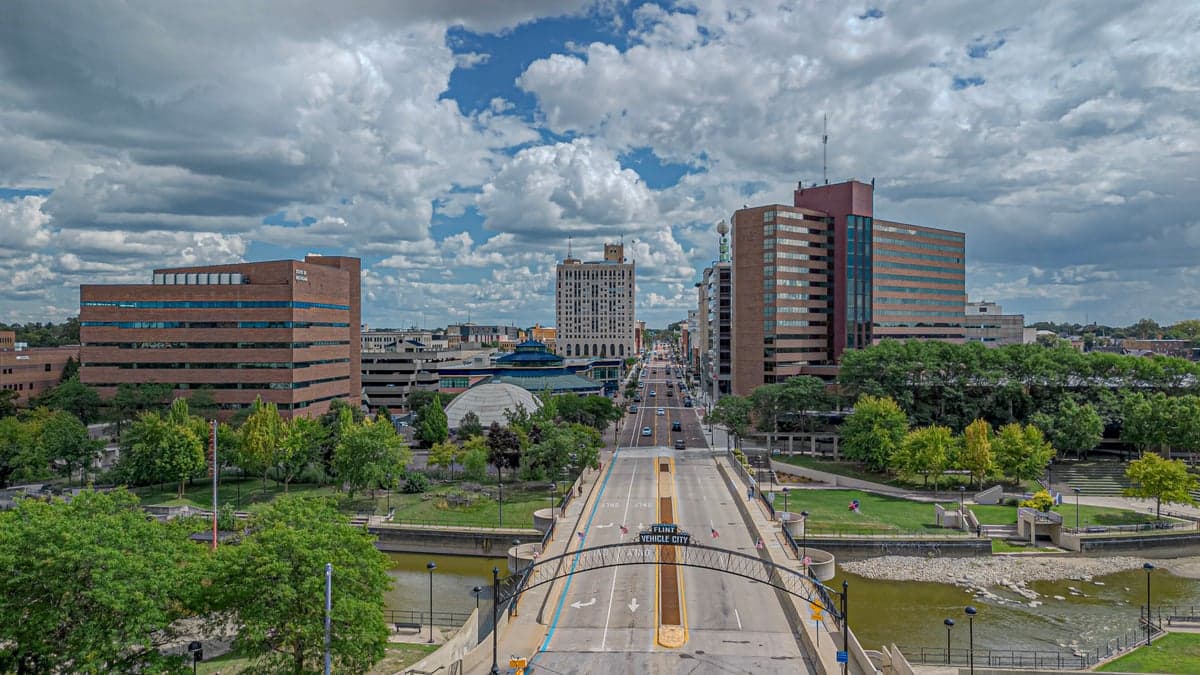
Photo: Wikipedia
Quality of Life in Flint, MI
Above-average quality of iife. The area offers a reasonable cost of living, decent mobility, and a mix of neighborhood amenities.
What does Quality of Life tell us?
Quality of Life blends cost of living, nearby amenities, socioeconomic signals, and neighborhood character. City-level scores represent the whole municipality; individual neighborhoods can differ.
What does this tell us?
Quality of Life blends cost of living, nearby amenities, socioeconomic signals, and neighborhood character. City-level scores represent the whole municipality; individual neighborhoods can differ.
Cost of Living
49% below national average
The Real Cost of Living in Flint, MI for 2026
| Tier | Individual | Family (4) |
|---|---|---|
| Survival | $14k | $26k |
| Comfortable | $22k | $32k |
| Luxury | $65k+ | $101k+ |
| Elite (Top 5%) | $78k+ | $120k+ |
114%
The Area Signal
A metric tracking the socioeconomic signals of the area.
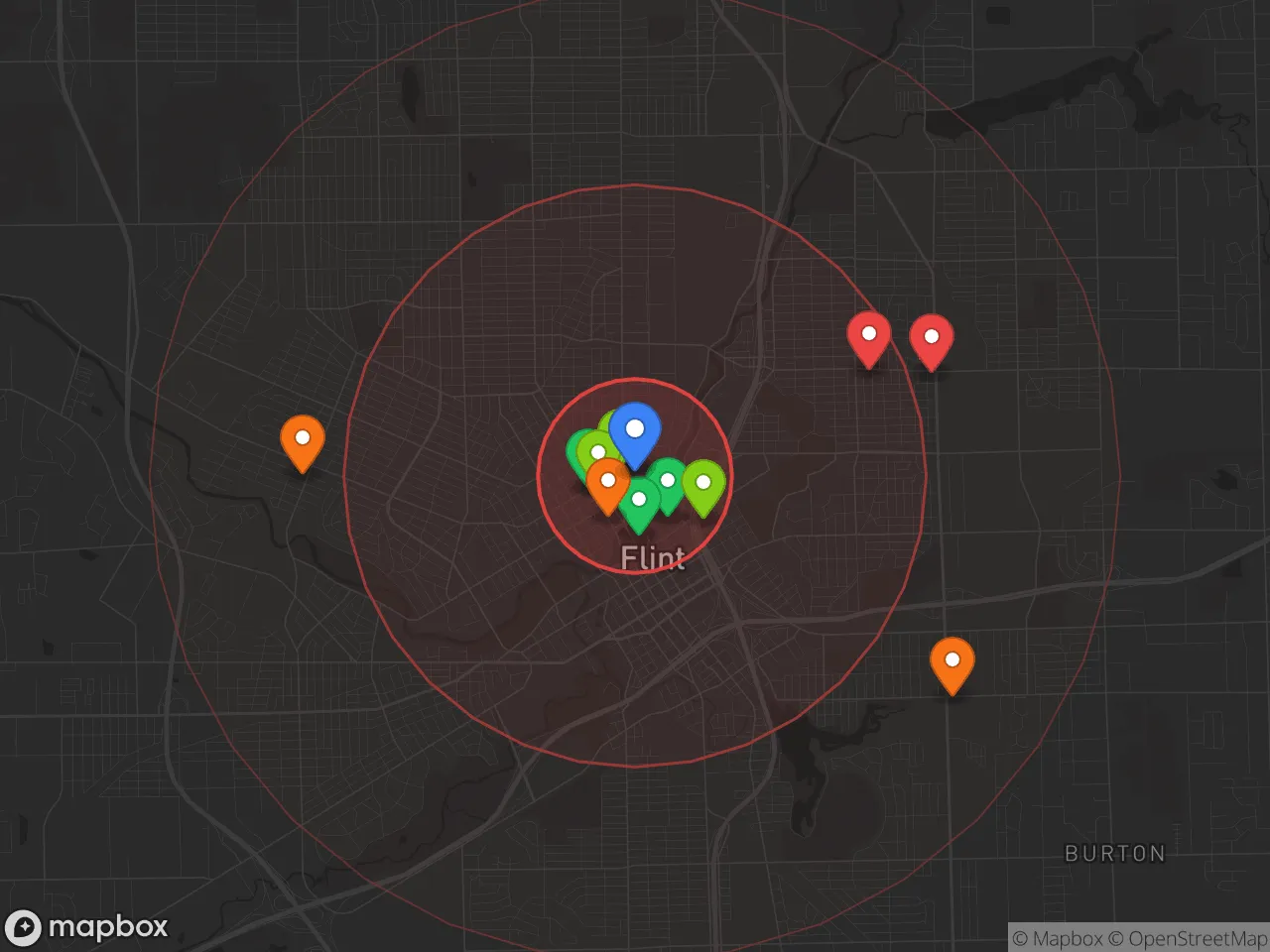
Hobbies
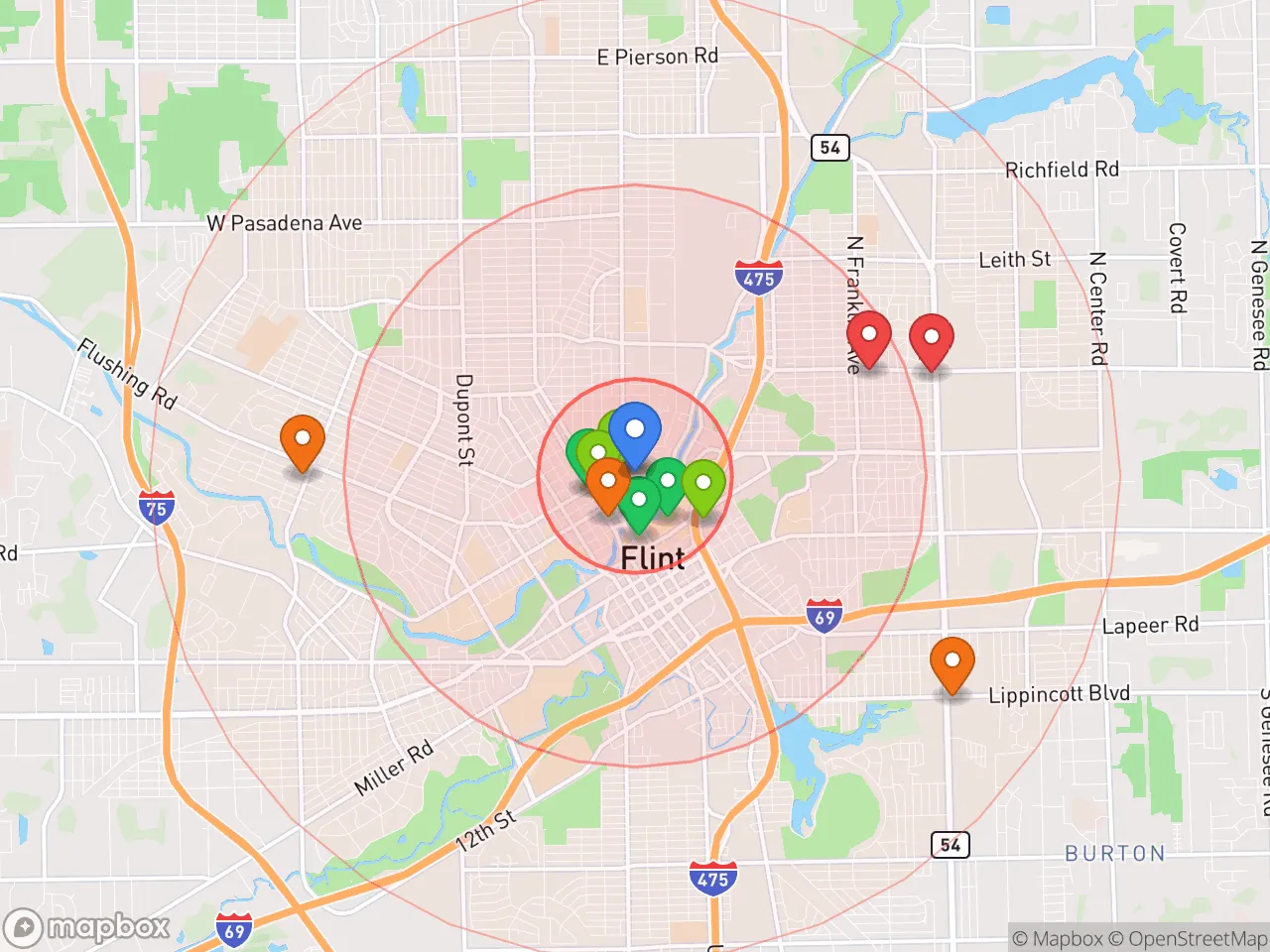
Explore the areaGroceries
6 within 10 miles
Gas
20 within 10 miles
Hospital
4 within 20 miles
Airport
DTW — Detroit Metropolitan Wayne County
Post Office
USPS — Flint, MI
Critical Amenities
Quality-of-Life Analysis
Flint, Michigan, presents a quality of life defined by stark contrasts: it is one of the most affordable cities in the United States, yet it also grapples with deep-seated economic and infrastructural challenges. The city’s population, which has declined from nearly 200,000 in 1960 to roughly 80,000 today, is predominantly working-class and African American, with a median household income around $30,000—well below the national average. Flint is not an affluent area; rather, it is a place where residents prioritize low cost of living and community resilience over high-end amenities, attracting those who can work remotely, are tied to local manufacturing or healthcare jobs, or seek a low-barrier entry into homeownership.
Cost of living, housing affordability, and how Flint compares to nearby cities
Flint’s cost of living index of 51 (100 is the U.S. average) makes it roughly half as expensive as the typical American city, and significantly cheaper than nearby Ann Arbor (index ~100) or Detroit (index ~85). The median home value of $47,600 is among the lowest in the nation—a stark contrast to the Michigan state median of $200,000—meaning a buyer with a modest down payment can own a home outright for less than the cost of a new car. Median rent sits at $859, which is about 30% lower than the state average, though rental quality varies widely by neighborhood. The average commute of 22.9 minutes is shorter than the national average (26 minutes), reflecting the city’s compact layout and relatively light traffic, though public transit via the Flint Mass Transportation Authority (MTA) is limited compared to larger metro areas. For those comparing options, Flint offers extreme affordability but with trade-offs: property taxes are moderate, but home insurance rates can be elevated due to historical vacancy and crime concerns.
What daily life is like for families: schools, amenities, and neighborhood rhythm
Daily life in Flint is shaped by a mix of urban grit and community-driven revitalization. The Flint Community Schools district has faced chronic underfunding and enrollment declines, with many families opting for charter schools (e.g., Flint Cultural Center Academy) or nearby suburban districts like Carman-Ainsworth or Grand Blanc, which consistently outperform city schools on state tests. Amenities are concentrated in the downtown and Cultural Center corridor, including the Flint Institute of Arts, the Sloan Museum, and the historic Capitol Theatre—all within a walkable core. The Flint Farmers’ Market operates year-round and is a genuine hub for local produce and prepared foods, drawing visitors from across Genesee County. Grocery access is uneven: while there are national chains like Meijer and Kroger on the city’s edges, several neighborhoods remain food deserts, requiring a car or reliance on MTA buses. The neighborhood rhythm is quieter than in Detroit or Lansing, with many blocks of century-old homes interspersed with vacant lots—a visible reminder of the post-industrial decline. Parks like Mott Park and Kearsley Park offer green space, but recreational programming is limited compared to wealthier suburbs.
Flint is best suited for individuals and families who are financially pragmatic, value low housing costs above all else, and are comfortable navigating a city with visible economic scars. Remote workers, retirees on fixed incomes, and those employed in healthcare (Genesys, McLaren Flint hospitals) or manufacturing (GM’s Flint Assembly plant) will find the affordability compelling. However, those seeking top-tier public schools, vibrant nightlife, or low-crime neighborhoods should look to nearby suburbs like Grand Blanc or Fenton. Flint rewards patience and community engagement—it is a place where a $50,000 home can be a launchpad for financial stability, but only for those prepared for the realities of a city still rebuilding from the water crisis and decades of disinvestment.

Crime in Flint, MI
Higher crime rates than 63% of comparable U.S. locations.
Violent CrimeViolent Crime Analysis
Property CrimeProperty Crime Analysis
Crime Analysis
Flint, Michigan, faces significant public safety challenges, with violent and property crime rates that substantially exceed both state and national averages. The city's overall safety picture is shaped by a combination of economic hardship, population decline, and a local justice system influenced by progressive prosecutorial policies that prioritize offender rehabilitation over incarceration, a factor that directly contributes to higher recidivism and more criminals remaining on the street.
Crime in context
Flint's violent crime rate stands at 968.6 incidents per 100,000 residents, more than double the Michigan average of roughly 450 per 100,000 and nearly three times the national rate. Property crime, at 1,017.7 per 100,000, also exceeds state and national benchmarks, though the gap is narrower than for violent offenses. These figures place Flint among the most dangerous cities in Michigan, comparable to Saginaw and Detroit. The elevated rates are compounded by a justice system in Genesee County where progressive district attorneys and judges have implemented policies such as reduced cash bail, diversion programs for repeat offenders, and lenient sentencing guidelines. While intended to address systemic inequities, these approaches have resulted in more offenders cycling back onto Flint's streets, undermining deterrence and victim confidence in the justice system.
What residents experience
For Flint residents, the high crime rate translates into daily realities of property theft, vehicle break-ins, and a pervasive fear of violent encounters, particularly after dark. Aggravated assault accounts for the majority of violent crimes, but homicides and robberies remain persistent concerns. The city's population loss—down from 124,943 in 1960 to roughly 80,000 today—has left many blocks with vacant homes and reduced street-level surveillance, creating conditions that embolden criminal activity. Residents often report feeling unsafe walking alone at night or leaving vehicles unattended. The local police department, while working to rebuild community trust, operates with limited resources and faces challenges in responding to all calls promptly, a situation worsened by the revolving-door effect of progressive court policies that release repeat property and drug offenders without meaningful consequences.
Neighborhood-level variation
Safety conditions vary markedly across Flint's neighborhoods. The East Side and areas near the University of Michigan–Flint campus experience higher concentrations of violent crime, while the more residential West Side and the College Cultural neighborhood report comparatively lower rates, though still above national norms. The downtown core has seen some investment and increased police presence, resulting in a modestly safer environment during business hours. However, no area of Flint is immune from the broader crime trends driven by the city's economic distress and a justice system that, in practice, prioritizes the rights of offenders over the safety of law-abiding residents. Prospective movers should research specific blocks and consult local crime mapping tools, as conditions can shift dramatically within a few streets.
* Values derived from national, state, county, city and local statistics and may differ in a specific area. Last updated: 2026-04-29T22:44:12.000Z
Narrative content on this page is AI-generated and may contain mistakes. Verify any details that matter before acting on them.
ReloMaps may earn a commission from affiliate links at no extra cost to you.

