Photo: Wikipedia
Find The Best Places To Live in Charlotte County
PRO TIP! You can paste a Zillow or Redfin link to get info on that property.
Best Places to Live in Charlotte County
Cities & Towns in Charlotte County
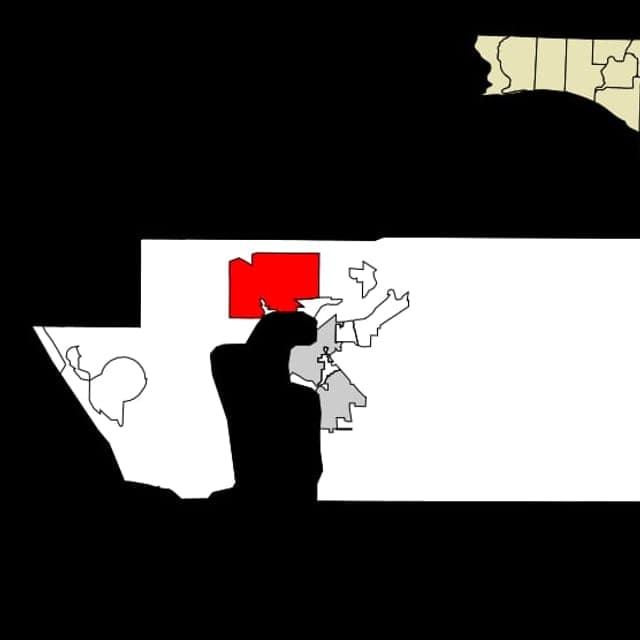
Cities in Charlotte County
What It's Like Living in Charlotte County, FL
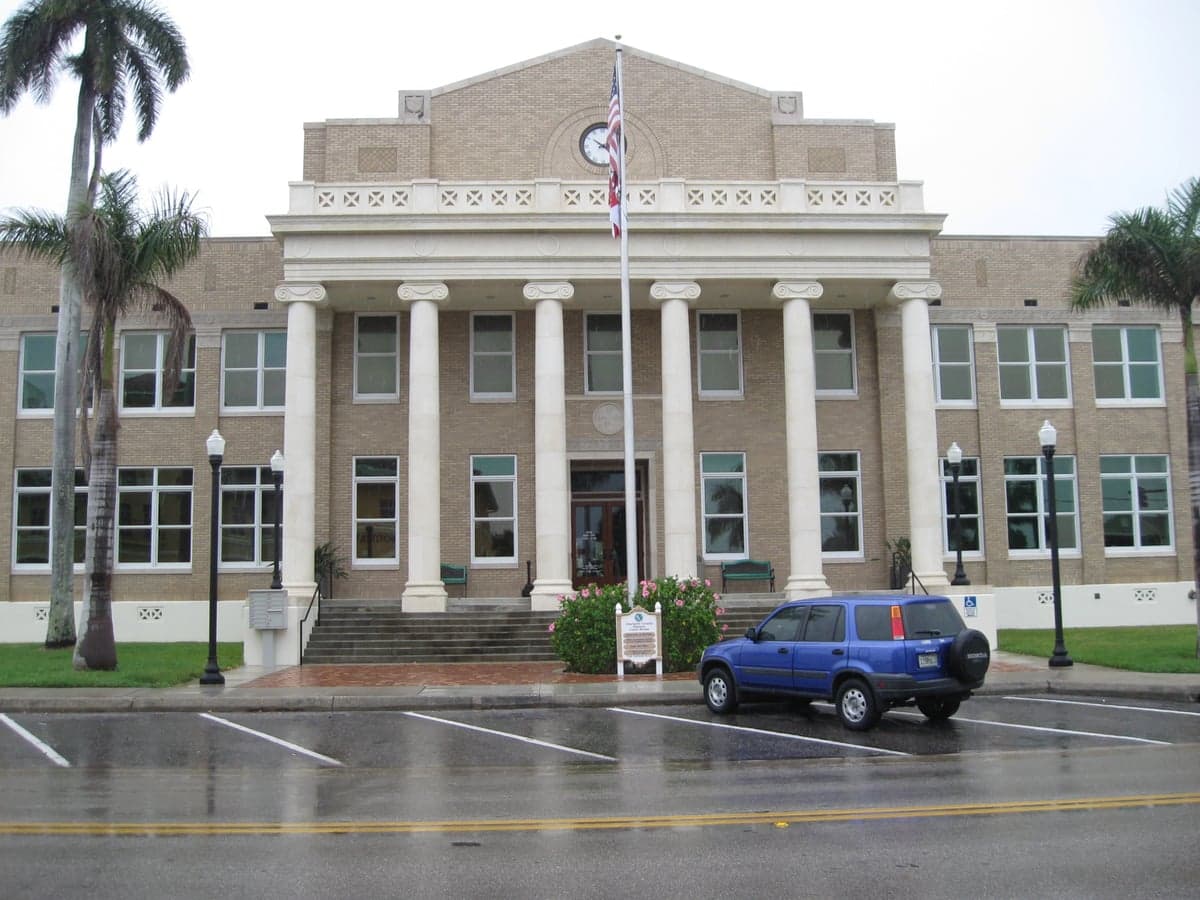
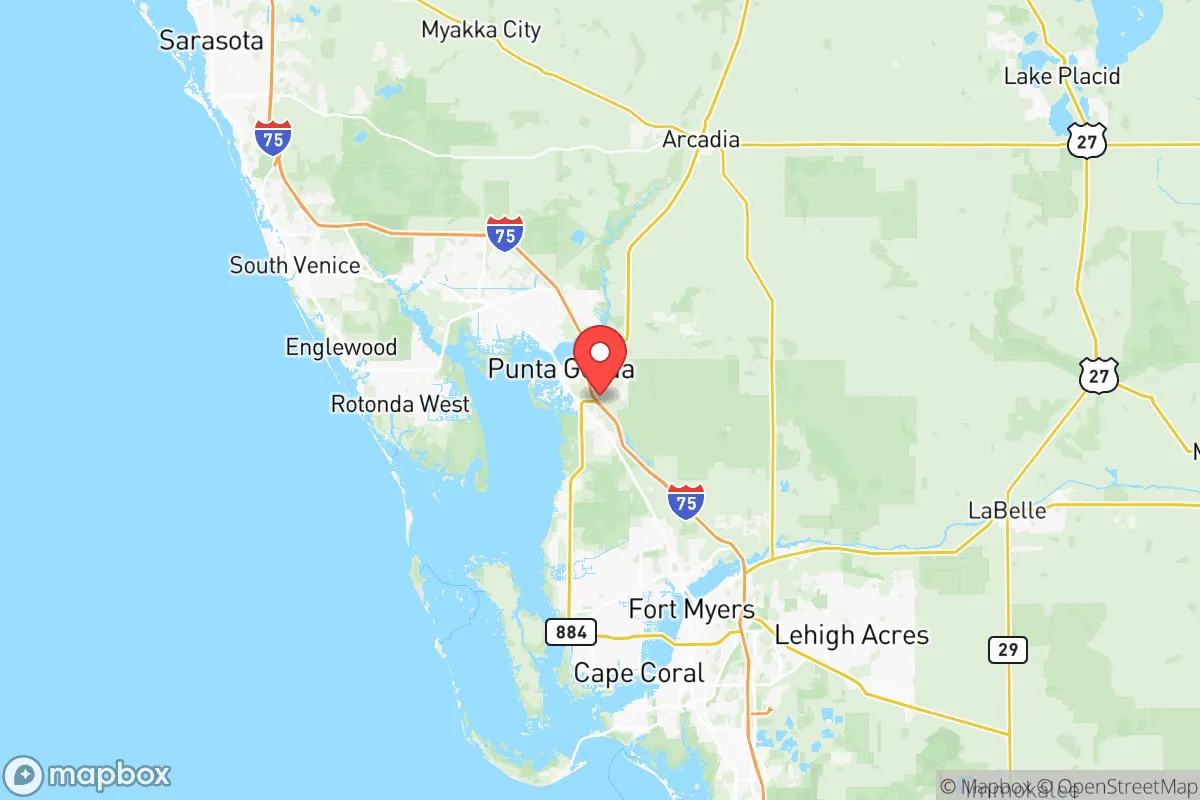
Living in Charlotte County, Florida, means trading the frantic pace of a big metro for a quieter, sun-soaked rhythm defined by the Gulf Coast’s natural beauty and a deeply rooted sense of community. With a population of just over 195,000 spread from the waterfront city of Punta Gorda to the inland ranchlands of Arcadia’s edge, this is a place where the median age of 60 years old isn’t a statistic—it’s a visible reality, shaping everything from the pace of traffic to the dinner specials at local seafood joints. You’ll find a mix of retirees who moved here for the fishing and families who came for the affordable homes, all sharing a laid-back lifestyle that feels a world away from the theme parks further east.
Daily Rhythm: From the Harbor to the Ranchlands
A typical day in Charlotte County starts early, often with a walk along the Punta Gorda Harborwalk or a kayak launch into the Peace River. In Punta Gorda, the historic district buzzes with people grabbing coffee at The Perfect Caper or browsing the boutiques on Marion Avenue, while in the unincorporated community of Port Charlotte, the morning commute is a manageable 27-minute average drive—a stark contrast to the gridlock of Tampa or Fort Myers. For families, the day often revolves around the Charlotte County Public Schools system, which serves as a community hub in towns like Murdock and Deep Creek, hosting weekend soccer games and school board meetings that draw real crowds. After work, you’ll find locals at Fishermen’s Village in Punta Gorda, a waterfront shopping center where the biggest decision is whether to order grouper sandwiches or peel-and-eat shrimp at one of the open-air bars.
The seasonal rhythm is dictated by two things: snowbirds and the heat. From November through April, the population swells as seasonal residents fill the mobile home parks and golf course communities in places like Rotonda West and Englewood. The summer months are quieter, with locals hunkering down during the humid afternoons and emerging for evening boat rides or a cold beer at Village Brewhouse in Punta Gorda. The cost of living index sits at 108, slightly above the national average, but that’s largely driven by housing—the median home value of $291,000 still feels like a steal compared to coastal Sarasota or Naples, especially for a single person or family looking for a three-bedroom with a yard.
Sports, Community, and the Local Identity
Sports in Charlotte County are less about pro teams and more about high school rivalries and the great outdoors. Friday nights in the fall are dominated by Charlotte High School Tarpons football in Punta Gorda, a tradition that packs the stands and unites the county in a way that few other events can. For baseball fans, the Charlotte Stone Crabs (a minor league affiliate) play at Charlotte Sports Park in Port Charlotte, offering affordable family entertainment under the lights. But the real local obsession is on the water: fishing tournaments, boat parades, and the annual Punta Gorda Boat Parade during the holidays are the events that locals mark on their calendars. The Peace River and the Myakka River are the county’s true backyard, with kayak rentals and fishing charters forming the backbone of weekend plans for both retirees and young families.
The kind of person who fits in here is someone who values peace and quiet over nightlife, and who doesn’t mind driving 20 minutes to get to a good grocery store. The median household income of $66,154 supports a comfortable but not lavish lifestyle, and the 25.3% college-educated population reflects a community that’s practical rather than pretentious. You’ll find a strong conservative streak in local politics, with residents in places like Rotonda West and the rural areas east of I-75 tending to favor limited government and low taxes—a sentiment that shapes everything from zoning debates to school funding. The cultural quirk that stands out most is the fierce pride in local history, particularly the legacy of the Calusa Indians and the area’s pioneer ranching roots, celebrated at the Charlotte County Historical Center in Punta Gorda.
What’s There to Do: Parks, Festivals, and Honest Trade-Offs
Outdoor recreation is the main draw, and the county delivers with over 40 parks and preserves. Don Pedro Island State Park is a favorite for shelling and swimming, accessible only by boat, while Babcock Ranch Preserve offers hiking and wildlife spotting in a restored ecosystem. For festivals, the Punta Gorda Wine & Jazz Festival draws crowds each spring, and the Charlotte County Fair in Port Charlotte is a classic small-town affair with midway rides and 4-H livestock shows. The entertainment scene is modest—think live music at The Celtic Ray in Punta Gorda rather than concert venues—but the trade-off is a violent crime rate of 207.9 per 100,000, which is notably lower than the national average and a key reason families feel safe letting their kids ride bikes to the local park.
That said, there are real frustrations. The lack of major shopping and dining options means a trip to University Town Center in Sarasota or Gulf Coast Town Center in Fort Myers is a 45-minute drive for a mall or a Cheesecake Factory. Traffic on US-41 and Tamiami Trail can bottleneck during snowbird season, and the summer heat and humidity from May through October can be oppressive, limiting outdoor activities to early mornings or late evenings. For singles under 50, the dating scene is thin, and the social calendar can feel dominated by retiree-oriented events like early-bird specials and golf tournaments. But for those who value space, safety, and a slower pace—whether they’re raising kids in Port Charlotte or retiring to a waterfront home in Punta Gorda—Charlotte County offers a genuine, unpolished slice of Florida life that’s increasingly hard to find.

* Values derived from national, state, county, city and local statistics and may differ in a specific area. Last updated: 2026-07-31T18:28:42.000Z
Narrative content on this page is AI-generated and may contain mistakes. Verify any details that matter before acting on them.
ReloMaps may earn a commission from affiliate links at no extra cost to you.

