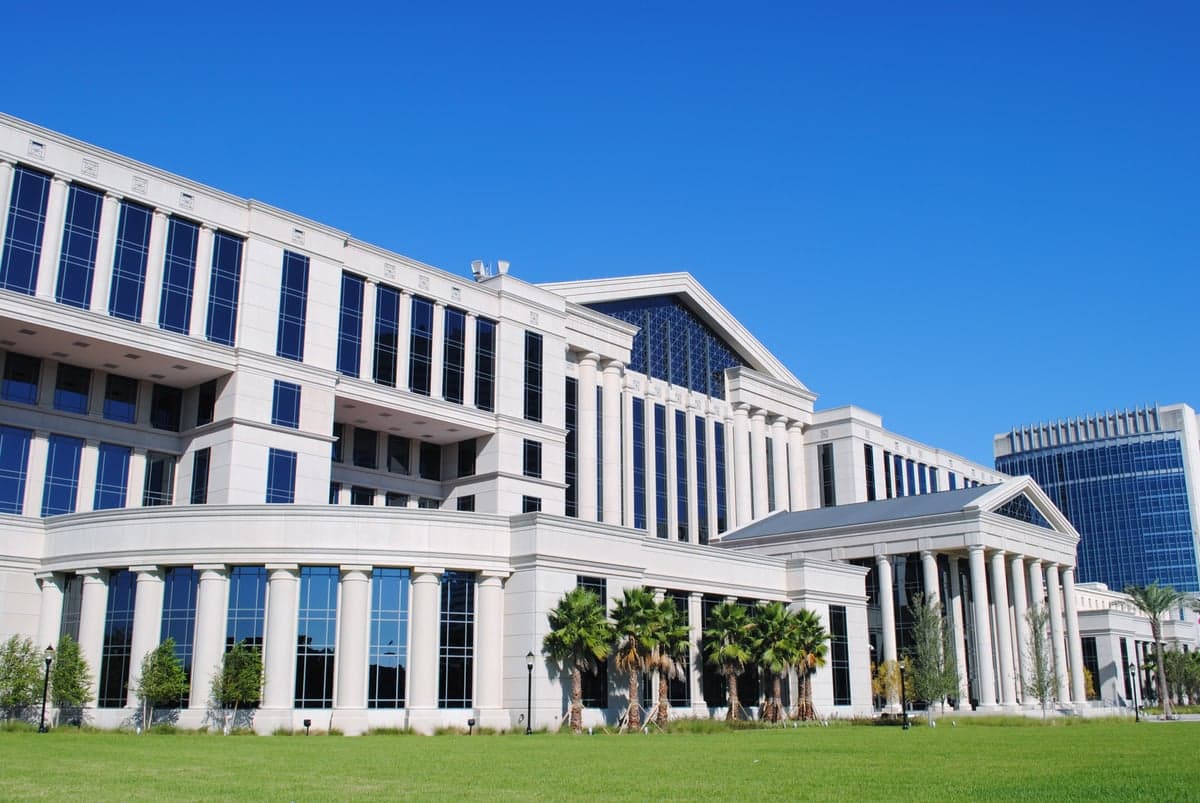
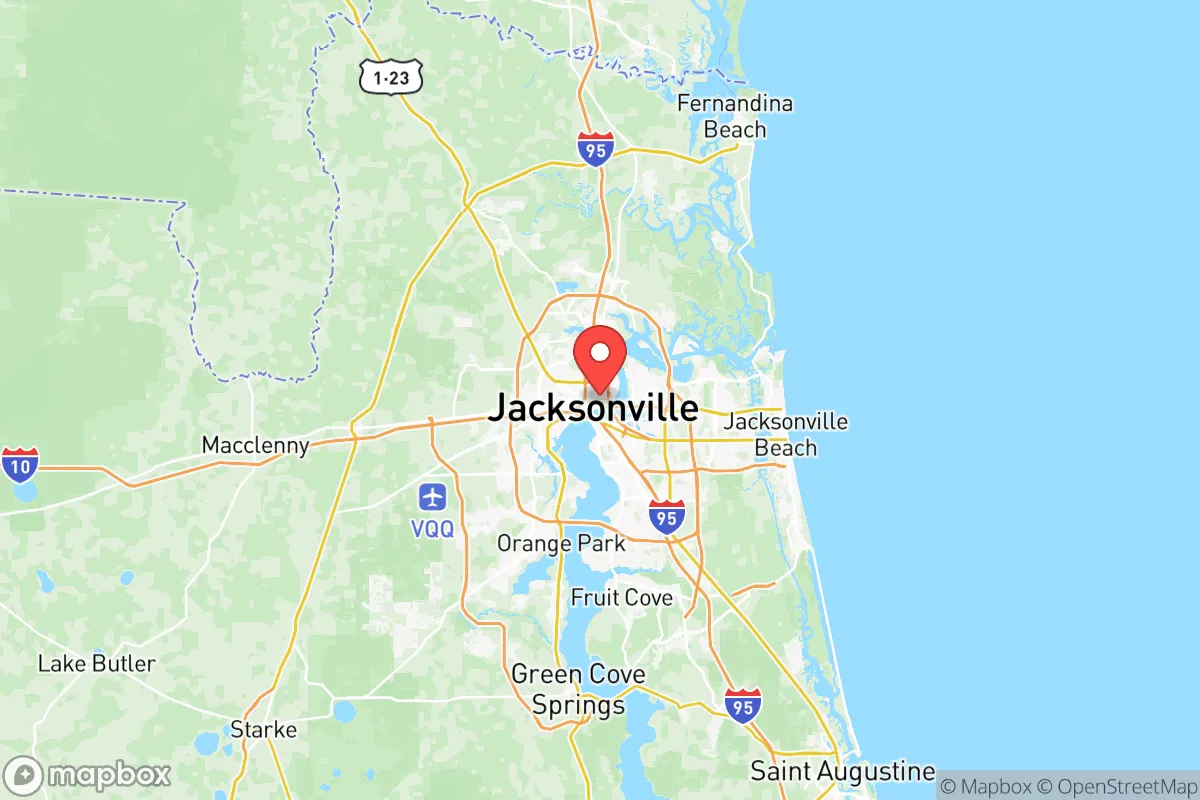
Photo: Wikipedia
Find The Best Places To Live in Duval County
PRO TIP! You can paste a Zillow or Redfin link to get info on that property.
Best Places to Live in Duval County
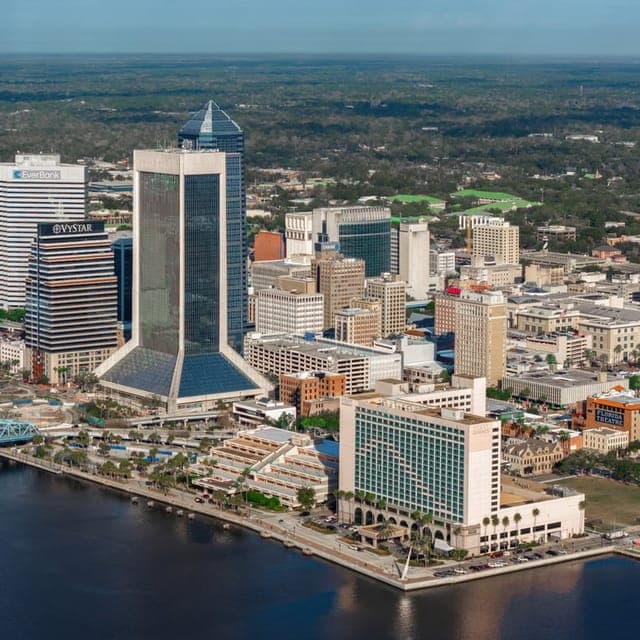
Cities & Towns in Duval County
Cities in Duval County
What It's Like Living in Duval County, FL
Living in Duval County means being part of a sprawling, self-contained world where the Atlantic Ocean meets the St. Johns River, and where the urban energy of Jacksonville gives way to the quieter, more rural pockets of Baldwin, Atlantic Beach, and Neptune Beach. It’s a place where you can spend a Saturday morning surfing at Hanna Park, grab lunch at a food truck in Riverside, and end the evening watching a high school football game under the lights in Mandarin—all without leaving the county. For the slightly conservative-leaning crowd, Duval offers a blend of Southern hospitality, military pride, and a no-nonsense attitude that values community and tradition.
The Daily Rhythm: From Beachside Mornings to Suburban Evenings
For most residents, the day starts early, often with a commute that averages around 24 minutes—manageable by Florida standards. The county’s layout means you’ll likely drive to get anywhere, but the traffic is rarely soul-crushing outside of the I-95 and J. Turner Butler Boulevard corridors. Families in Mandarin and Fleming Island (technically Clay County, but a stone’s throw away) tend to cluster around top-rated schools like Mandarin High School, while singles and young couples gravitate toward the historic bungalows of Riverside and Avondale, where you can walk to local coffee shops like Bold Bean or grab a craft beer at Aardwolf Brewing Company. The beach communities—Atlantic Beach, Neptune Beach, and Jacksonville Beach—have their own distinct rhythm, with surf shops, seafood joints, and a slower pace that feels a world away from the downtown high-rises.
Weekends are often spent outdoors. The county boasts over 80,000 acres of parks, including the massive Hanna Park with its freshwater lake and camping sites, and the Timucuan Ecological and Historic Preserve, where you can hike through salt marshes and see historic plantations. Shopping is a mix of big-box stores along the Southside and local boutiques in the historic districts. The St. Johns Town Center is the region’s retail hub, but many locals prefer the independent shops in San Marco for a less corporate feel.
Sports, Community, and the Military Presence
Sports are a big deal here, but not in the way you might expect. The Jacksonville Jaguars of the NFL are the marquee name, and while they’ve had their ups and downs, game days at TIAA Bank Field still draw a loyal, tailgating crowd. But the real heartbeat of local sports is high school football. On any given Friday night in the fall, you’ll find packed bleachers at Bolles School or Mandarin High School, where the community rallies around its young athletes. The Jacksonville Jumbo Shrimp (minor league baseball) offer a more laid-back, family-friendly alternative at 121 Financial Ballpark. The military is a huge part of the county’s identity, with Naval Air Station Jacksonville and Mayport Naval Station anchoring thousands of active-duty families. This gives the area a patriotic, transient feel—people come and go, but they leave a mark on the community through volunteer work and local business support.
The cultural quirks are subtle but real. There’s a fierce pride in being from “Duval” (often shouted at concerts), and a general disdain for anything that feels too “South Florida.” The weather dictates the rhythm: summers are hot and humid, with afternoon thunderstorms that roll in like clockwork, while winters are mild enough to keep the golf courses and boat ramps busy year-round. Hurricane season (June through November) is a fact of life, and locals know the drill—stock up on water, fill the gas tank, and keep an eye on the cone.
What’s There to Do: Festivals, Food, and the Outdoors
Entertainment here is more about experiences than flashy venues. The Riverside Arts Market under the Fuller Warren Bridge is a Saturday staple, with local artists, farmers, and food vendors. The Florida-Georgia Football Game (the World’s Largest Outdoor Cocktail Party) is a massive annual event that brings the city to a standstill, drawing fans from both states for a weekend of revelry. For music, the Daily’s Place amphitheater hosts national acts, while smaller venues like Jack Rabbits in San Marco cater to indie bands. Food-wise, you’ll find everything from Southern soul food at Maple Street Biscuit Company to fresh seafood at Safe Harbor Seafood in Mayport. The county’s Brewery District in Riverside has become a destination, with spots like Intuition Ale Works and Bold City Brewery drawing crowds for live music and trivia nights.
Outdoor lovers have plenty to explore. The St. Johns River is a major artery for boating, fishing, and kayaking, and the Guana Tolomato Matanzas National Estuarine Research Reserve offers pristine hiking trails just north of the county line. The beaches are wide and uncrowded compared to those in South Florida, and the Jacksonville Beach Pier is a popular spot for sunset strolls.
Pros and Cons of Living Here
- Pros: The cost of living is reasonable for a coastal metro—median home values around $275,000 and a cost of living index of 110 mean you get more space for your money than in Tampa or Orlando. The job market is diverse, with strong sectors in logistics (CSX headquarters), healthcare (Baptist Health, Mayo Clinic), and finance (Fidelity, Bank of America). The beach access is world-class, and the schools in suburbs like Atlantic Beach and Mandarin are well-regarded. The conservative-leaning culture is a draw for those who value lower taxes (no state income tax) and a slower pace of growth compared to Central Florida.
- Cons: The violent crime rate of 208.5 per 100,000 is above the national average, and while it’s concentrated in certain areas, it’s a concern for families. The summer heat and humidity can be oppressive, and the threat of hurricanes is real. Public transportation is nearly nonexistent, so a car is a must. The median income of $68,447 is decent, but wages haven’t kept pace with rising home prices in desirable neighborhoods. Some longtime residents complain that the city’s growth has led to more traffic and a loss of that “small-town” feel in areas like Riverside.
Overall, Duval County is a place where you can find your niche—whether that’s a quiet life in Baldwin with its rural charm, a beachside routine in Neptune Beach, or a bustling urban existence in downtown Jacksonville. It’s not perfect, but for those who value community, outdoor access, and a no-frills lifestyle, it’s hard to beat.

* Values derived from national, state, county, city and local statistics and may differ in a specific area. Last updated: 2026-08-19T21:21:33.000Z
Narrative content on this page is AI-generated and may contain mistakes. Verify any details that matter before acting on them.
ReloMaps may earn a commission from affiliate links at no extra cost to you.

