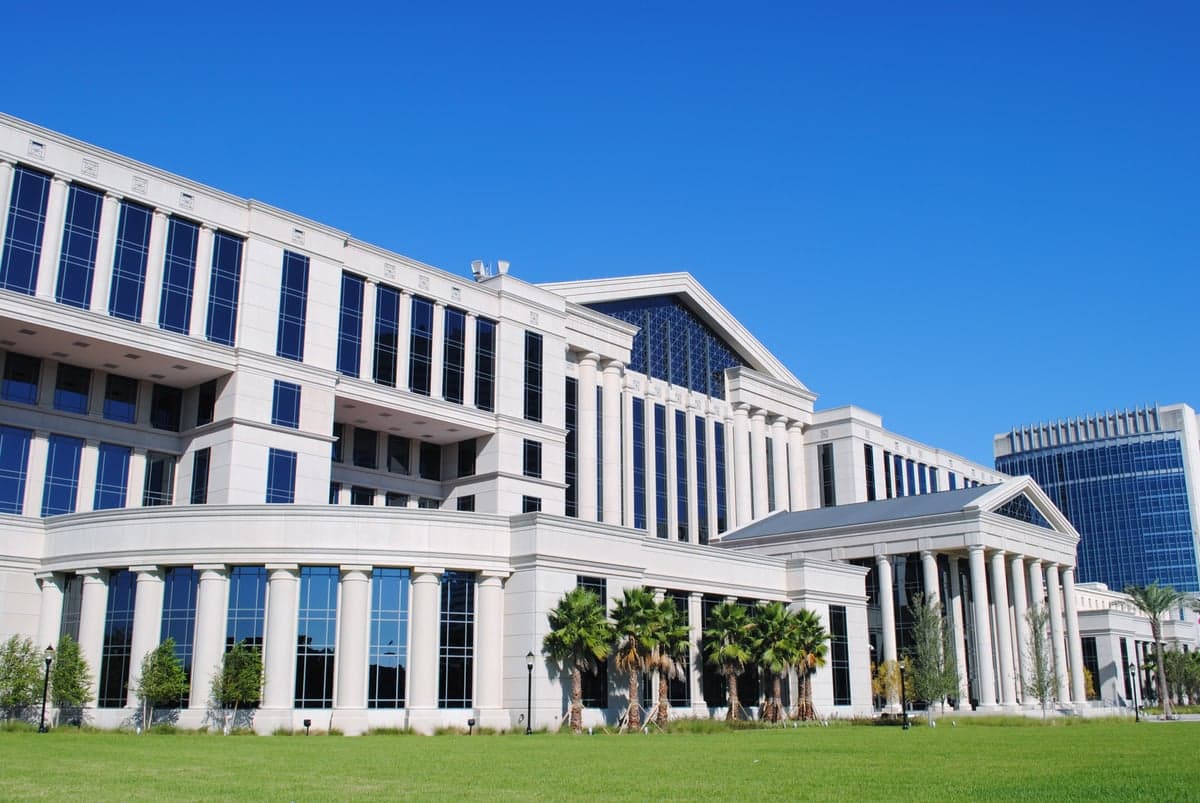
Photo: Wikipedia
Quality of Life in Duval County
A livable area that tracks near national norms for affordability, walkability, and neighborhood health.
What does Quality of Life tell us?
Quality of Life measures an area by evaluating factors like cost of living, nearby amenities, country club access, airport proximity, socioeconomic signals and neighborhood character. For large states, this is a general average — quality of life can vary dramatically between metro areas, suburbs, and rural communities within the same state.
What does this tell us?
Quality of Life measures an area by evaluating factors like cost of living, nearby amenities, country club access, airport proximity, socioeconomic signals and neighborhood character. For large states, this is a general average — quality of life can vary dramatically between metro areas, suburbs, and rural communities within the same state.
Cost of Living
10% above national average
87%
The Real Cost of Living in Duval County for 2026
| Tier | Individual | Family (4) |
|---|---|---|
| Survival | $22k | $42k |
| Comfortable | $53k | $79k |
| Luxury | $124k+ | $192k+ |
| Elite (Top 5%) | $153k+ | $237k+ |
Quality-of-Life Analysis
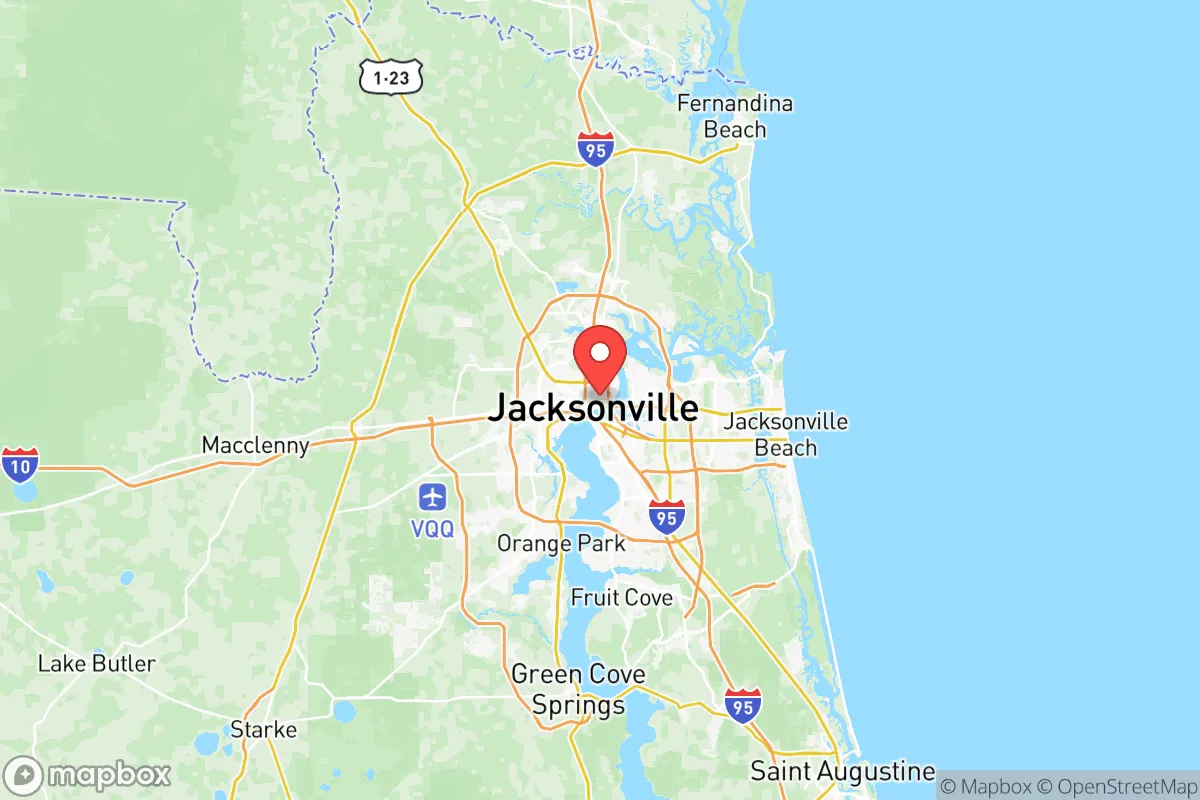
Duval County, Florida, presents a broad spectrum of quality-of-life options, from the dense urban core of Jacksonville to the quiet, unincorporated rural stretches near the Nassau County line. The county is effectively synonymous with the city of Jacksonville, a consolidated city-county government that blends high-rise downtown living with sprawling suburban subdivisions and isolated agricultural pockets. This range attracts a diverse population: young professionals and students drawn to the urban energy of Riverside and Brooklyn, families seeking affordable suburban homes in Mandarin and Bartram Park, and long-time residents or hobby farmers looking for space and lower density in areas like Baldwin or the remote stretches of the Westside.
Largest town(s) & population centers
Jacksonville is the overwhelming population center, and within it, distinct neighborhoods offer vastly different daily experiences. Downtown and the nearby Riverside/Avondale historic district provide a walkable, urban lifestyle with a concentration of breweries, independent restaurants, and cultural venues like the Florida Theatre and the Cummer Museum. Daily life here often involves apartment or condo living, with commutes averaging 24 minutes — shorter than many comparably sized metros. Further south, the Mandarin and Bartram Park areas are dominated by master-planned subdivisions, strip malls, and top-rated schools like Mandarin High School, catering to families who prioritize space and chain retail over urban grit. The Southside and Town Center area, near the St. Johns Town Center mall, is a hub for corporate offices (e.g., Fidelity Investments, Bank of America) and offers a more modern, car-dependent suburban lifestyle with abundant apartments and townhomes.
Smaller towns & rural pockets
Despite the city-county consolidation, Duval retains several distinct smaller communities. Atlantic Beach, Neptune Beach, and Jacksonville Beach are independent beach towns within the county, each with a laid-back, coastal vibe. Atlantic Beach is quieter and more residential, while Jacksonville Beach has a lively commercial strip with surf shops and seafood restaurants. Inland, the town of Baldwin (population roughly 1,400) sits in the far western part of the county and feels like a separate rural hamlet, with a historic downtown and a strong sense of isolation from the Jacksonville sprawl. Unincorporated areas like Oceanway (north) and Argyle Forest (west) offer a mix of newer subdivisions and older ranch-style homes on larger lots, often bordering pine forests and wetlands. These pockets provide a quieter, more nature-oriented lifestyle while still being within a 30-minute drive of downtown.
Cost & lifestyle range
The cost of living in Duval County sits at 110 (100 = US average), slightly above the national baseline but significantly cheaper than other Florida coastal metros like Miami or Tampa. The median home value is $274,900, and median rent is $1,385, making homeownership attainable for many middle-income households. The lifestyle range is wide: at the high end, the historic San Marco and Avondale neighborhoods feature restored bungalows and Tudor-style homes with price tags often exceeding $500,000, paired with walkable access to boutique shopping and fine dining. At the lower end, the Northside and parts of Westside (e.g., the 32209 and 32210 zip codes) offer older, smaller homes and apartments with median values closer to $150,000–$200,000, though these areas often have fewer amenities and higher crime rates. The Beaches area commands a premium, with oceanfront condos and single-family homes frequently topping $600,000. For those seeking the most affordable rural lifestyle, the Baldwin area and far western unincorporated tracts offer land and older homes for under $200,000, but with limited shopping and longer commutes to employment centers.
Duval County is best suited for people who want the economic and cultural opportunities of a major Florida city without the extreme costs of Miami or Orlando. Young professionals and families who can navigate the neighborhood-by-neighborhood differences — choosing between urban walkability, suburban schools, or rural space — will find a place that fits their budget and lifestyle. The county’s consolidated government means that even the most remote rural resident pays the same city tax rate as a downtown condo dweller, a trade-off that appeals to those who value simplicity over hyper-local control. Those who thrive here are pragmatic, value-oriented, and comfortable with a county that is simultaneously a bustling city and a collection of distinct, sometimes contradictory, communities.

Crime in Duval County
Generally safer than 68% of comparable U.S. locations.
Violent CrimeViolent Crime Analysis
Property CrimeProperty Crime Analysis
Crime Analysis
Duval County, Florida, which is consolidated with the city of Jacksonville, presents a mixed safety picture. The county's violent crime rate of 208.5 incidents per 100,000 residents is notably lower than the national average, but its property crime rate of 904.6 per 100,000 is significantly higher, creating a distinct risk profile for residents and newcomers. While violent crime is not as pervasive as in many peer Florida counties, property crime—particularly theft and vehicle break-ins—is a persistent concern that demands attention from those relocating to the area.
Crime in context
Duval County's violent crime rate of 208.5 per 100,000 sits well below the Florida state average of approximately 380 per 100,000 and the U.S. national average of roughly 380 per 100,000. This places Jacksonville in a relatively safer tier for violent offenses like homicide, robbery, and aggravated assault compared to other large Florida metros such as Miami-Dade or Orlando. However, the property crime rate of 904.6 per 100,000 is nearly double the national average of about 500 per 100,000 and exceeds the Florida state average of roughly 800 per 100,000. This means residents face a substantially elevated risk of burglary, larceny, and motor vehicle theft. The divergence between low violent crime and high property crime is a defining characteristic of the county's safety landscape.
What residents experience
Daily life in Duval County involves navigating a reality where property crime is the primary safety concern. Residents in neighborhoods like Riverside, Avondale, and San Marco report frequent vehicle break-ins and package thefts, even in otherwise desirable areas. The Jacksonville Sheriff's Office (JSO) has implemented targeted patrols and community watch programs, but property crime remains stubbornly high. Violent crime, while less common, is concentrated in specific corridors, particularly in North Jacksonville and parts of Downtown near the Moncrief and Grand Park areas. The progressive policies of the State Attorney's Office for the 4th Judicial Circuit, which covers Duval County, have drawn criticism for prioritizing diversion and reduced sentencing for property and drug offenses. Critics argue this approach, while sympathetic to offenders, has contributed to a revolving-door justice system that emboldens repeat property criminals and undermines public safety. Residents in suburban areas like Mandarin and Fleming Island (technically in Clay County but closely tied to Duval) generally experience lower crime rates, but even these areas are not immune to property crime trends.
Neighborhood-level variation
Safety in Duval County varies dramatically by neighborhood. The safest areas are typically the suburban and coastal communities: Atlantic Beach, Neptune Beach, and Jacksonville Beach on the barrier islands report violent crime rates below 100 per 100,000 and property crime rates near the national average. Inland, Mandarin and Bartram Park in the south offer relatively low crime, especially in newer subdivisions. Conversely, the urban core and northern sections of Jacksonville—including Northside, New Town, and Eastside—experience violent crime rates two to three times the county average. The Downtown area, while improving, still sees elevated property crime due to transient populations and limited foot traffic. For newcomers, choosing a neighborhood with strong homeowners' associations, active neighborhood watches, and proximity to JSO substations is a practical strategy to mitigate risk. The county's progressive judicial philosophy, while well-intentioned, has created a climate where property crime is often treated as a low-priority offense, meaning residents must take personal security measures—such as security cameras, alarm systems, and locking vehicles—seriously.
* Values derived from national, state, county, city and local statistics and may differ in a specific area. Last updated: 2026-08-19T21:21:33.000Z
Narrative content on this page is AI-generated and may contain mistakes. Verify any details that matter before acting on them.
ReloMaps may earn a commission from affiliate links at no extra cost to you.

