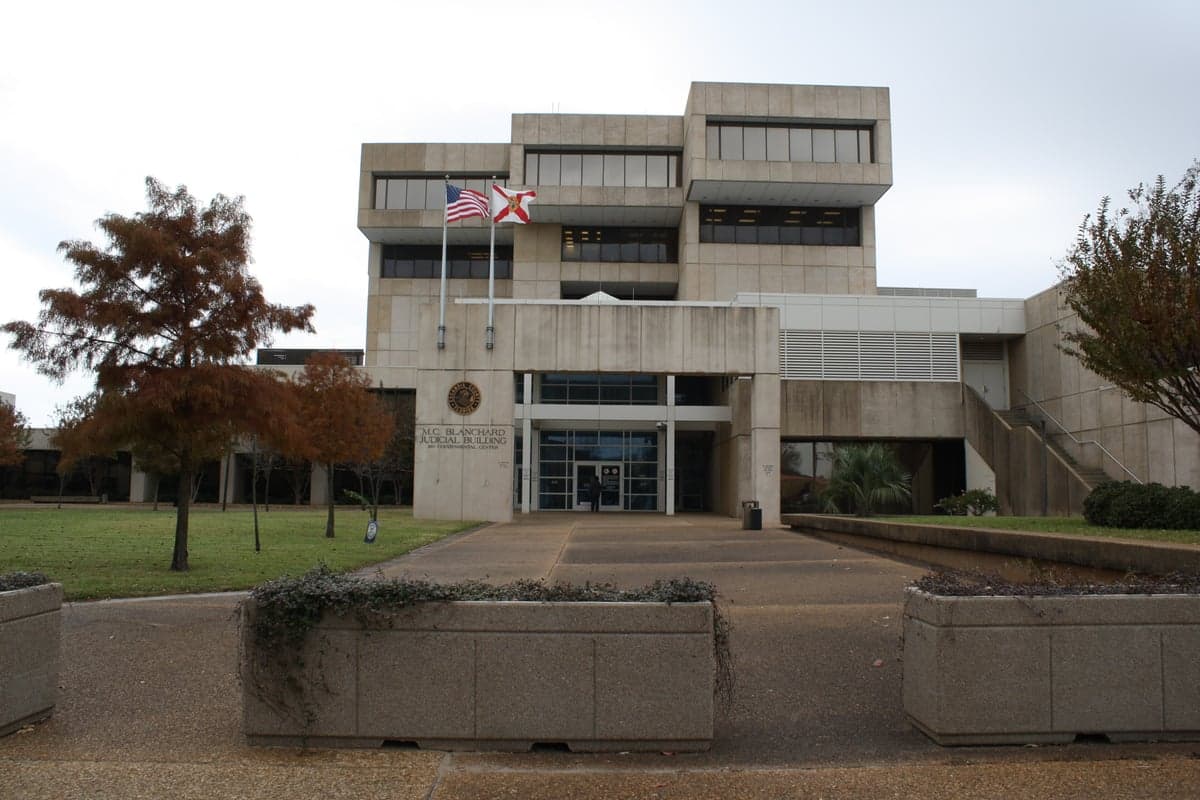
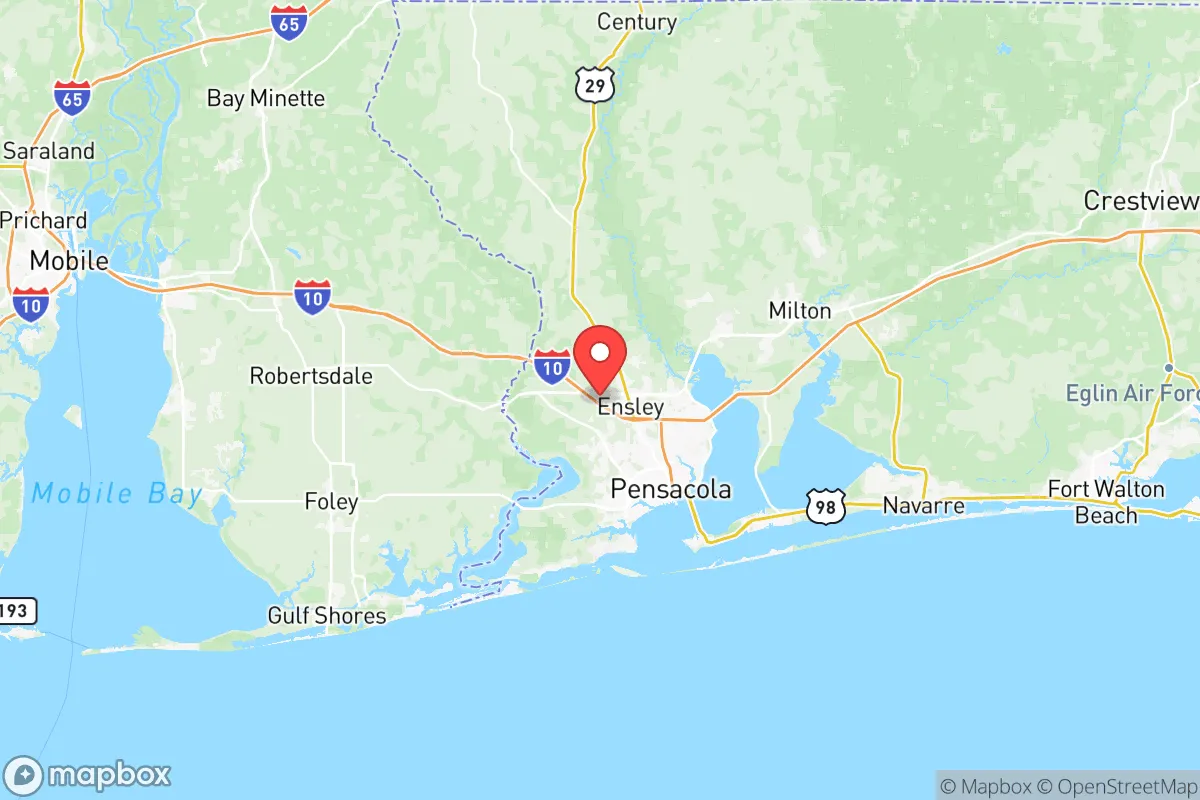
Photo: Wikipedia
Find The Best Places To Live in Escambia County
PRO TIP! You can paste a Zillow or Redfin link to get info on that property.
Best Places to Live in Escambia County
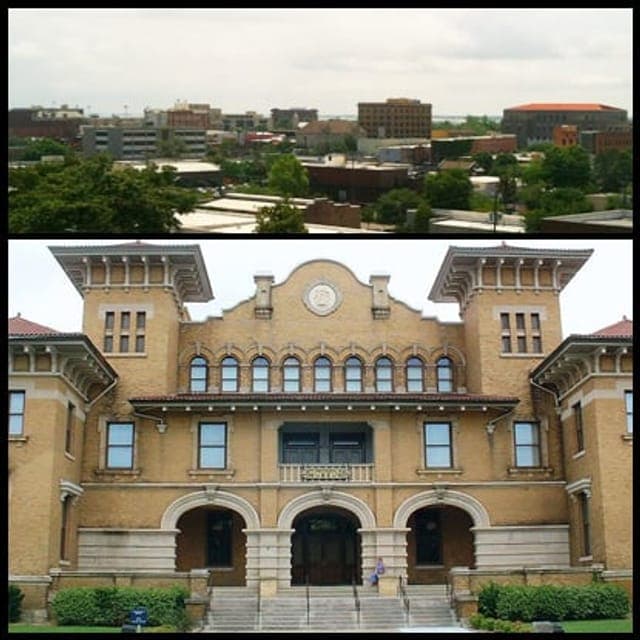
Cities & Towns in Escambia County
Cities in Escambia County
What It's Like Living in Escambia County, FL
Living in Escambia County means waking up to the smell of salt air from Pensacola Bay, grabbing a coffee at a local shop in downtown Pensacola, and knowing you’re never more than 20 minutes from a sugar-white beach. This is the westernmost county in Florida, where the Panhandle meets Alabama, and the vibe is a blend of deep-rooted military tradition, Southern hospitality, and a growing creative scene. Whether you’re stationed at Naval Air Station Pensacola, raising a family in the quieter suburbs of Cantonment, or looking for a slower pace in the rural stretches near Century, the county offers a distinct mix of coastal living and small-town practicality.
Daily Rhythm: From Navy Bases to Friday Night Lights
For most residents, the day starts early. The military presence is impossible to miss—Naval Air Station Pensacola and Whiting Field are the county’s largest employers, and the Blue Angels practicing overhead is a routine sight. Commutes are manageable, with the average drive clocking in at just under 24 minutes, though traffic on the Pensacola Bay Bridge can slow things down during tourist season. Families tend to settle in neighborhoods like those in Pace or the more affordable outskirts of Molino, where yards are bigger and schools like Pace High School anchor the community. Friday nights in the fall mean high school football, and it’s a genuine event—expect packed bleachers, booster club bake sales, and a sense of pride that cuts across generations.
Grocery shopping is a mix of Publix and local seafood markets, and weekend mornings often involve a trip to the Palafox Market in downtown Pensacola, where farmers sell fresh produce and local honey. The median age here is 38.1, and the median household income sits at $65,715, which supports a comfortable but not extravagant lifestyle. Many residents work in healthcare, education, or the service industry, and the cost of living index of 97 (just below the national average) means your dollar stretches a little further than in coastal cities like Tampa or Miami.
What’s There to Do: Beaches, Festivals, and a Surprising Food Scene
Outdoor life is the main draw. Pensacola Beach and Perdido Key offer some of the clearest water in Florida, and locals know to hit the sand early before the summer crowds arrive. The Gulf Islands National Seashore is a favorite for quiet walks and birdwatching. But Escambia County isn’t just a beach town—it has a legitimate cultural side. The Pensacola Blue Wahoos, the Double-A affiliate of the Miami Marlins, play at a stunning waterfront stadium downtown, and games are a low-key, family-friendly evening out. The University of West Florida, located in the county, brings a college-town energy with its athletics and arts programs, though it doesn’t dominate the way a big state school might.
Festivals are a big deal here. The Pensacola Seafood Festival and the Blue Angels Homecoming Air Show draw thousands, and the annual Fiesta of Five Flags celebrates the city’s Spanish colonial history with parades and pageantry. For food, you’ll find everything from fried shrimp po’boys at The Flora-Bama (technically on the line with Alabama) to upscale dining at The District in downtown Pensacola. The county’s cultural quirks include a strong sense of local identity—people here are proud of their “Redneck Riviera” roots, but they’re also quick to point out the growing arts scene and craft breweries like Pensacola Bay Brewery.
Pros and Cons of Living Here
Let’s be honest about the upsides and downsides. On the positive side, the cost of living is a real advantage. With a median home value of $234,200, you can buy a solid three-bedroom house in Cantonment or even a fixer-upper near downtown Pensacola for well under the national average. The beaches are world-class, and the weather is mild from October through April, though summers are hot and humid. The military presence brings stability and a sense of purpose, and the community is generally welcoming to newcomers.
On the flip side, the violent crime rate of 207.9 per 100,000 is slightly above the national average, and some neighborhoods in central Pensacola have higher property crime. The job market is heavily tied to the military and tourism, so opportunities in tech or high-level corporate roles are limited. About 28.9% of adults hold a bachelor’s degree or higher, which is below the national average, and that can affect the types of professional networks available. Traffic on the main corridors—especially during spring break and summer—can test your patience, and hurricane season from June to November requires real preparation. Still, for the person who values a slower pace, affordable coastal living, and a community that rallies around its schools and its military, Escambia County offers a lifestyle that’s hard to replicate elsewhere.

* Values derived from national, state, county, city and local statistics and may differ in a specific area. Last updated: 2026-08-02T10:22:54.000Z
Narrative content on this page is AI-generated and may contain mistakes. Verify any details that matter before acting on them.
ReloMaps may earn a commission from affiliate links at no extra cost to you.

