Photo: Wikipedia
Find The Best Places To Live
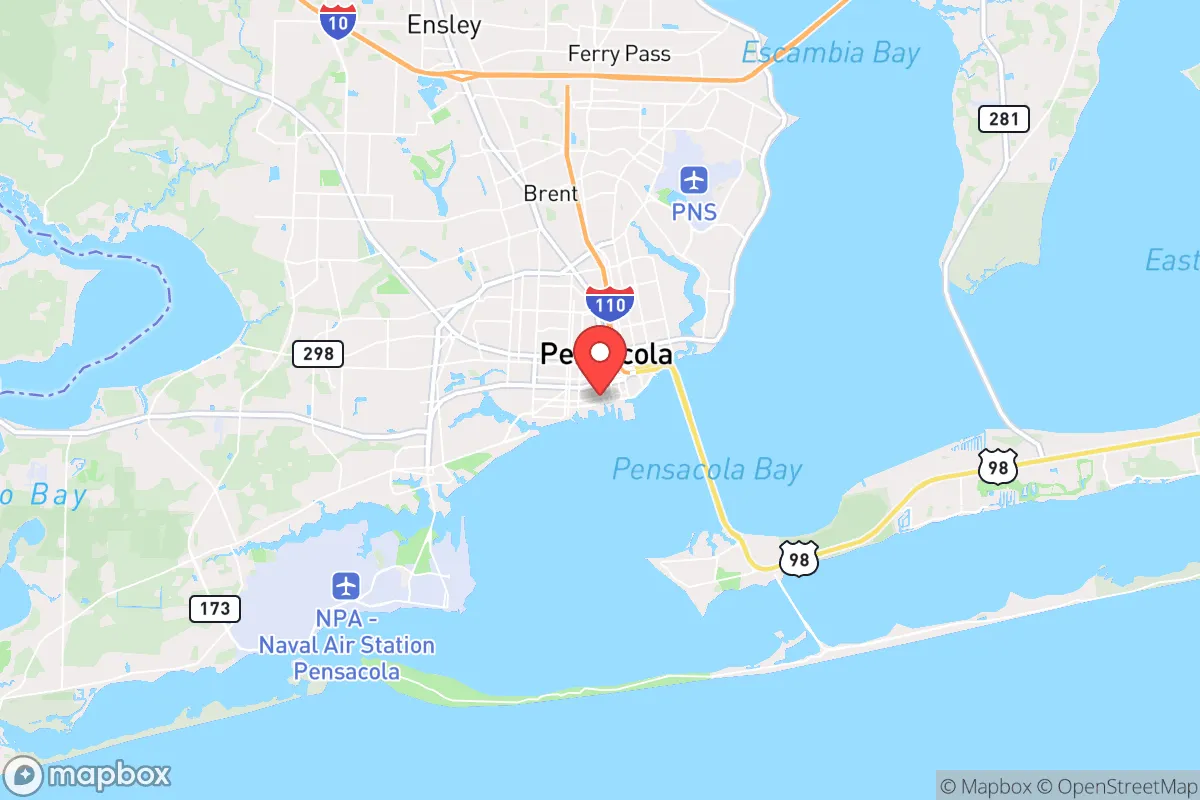
in Pensacola
PRO TIP! You can paste a Zillow or Redfin link to get info on that property.
What It's Like Living in Pensacola, FL
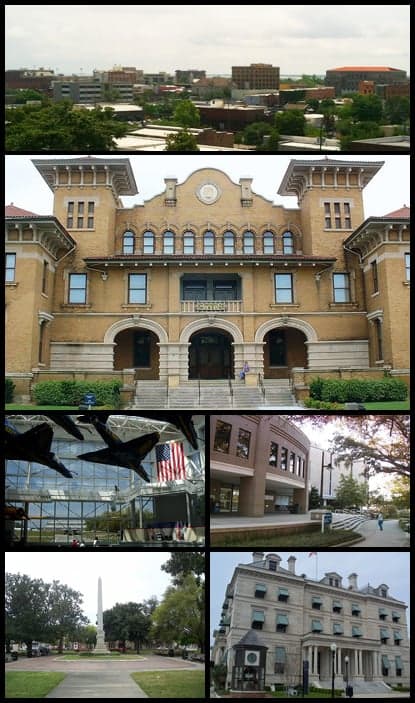
Living in Pensacola feels like being in a small, salty town that happens to have a big military base, a historic downtown, and some of the best sugar-white sand on the Gulf Coast. It’s not a tourist trap like Destin or Panama City Beach — it’s a working city where people actually raise families, retire from the Navy, and spend their weekends fishing or watching the Blue Angels scream across the sky. The vibe is laid-back, patriotic, and stubbornly local, with a pace that slows down in the summer heat and picks up only for football season or a hurricane watch.
The Daily Rhythm: What People Actually Do
Most mornings start with coffee at a local spot like End of the Line Cafe or Bodacious Brew, then a commute that averages just over 21 minutes — short enough that you don’t mind driving across town. The biggest employers are Naval Air Station Pensacola, the local school district, and the growing healthcare sector (Baptist Health Care and Ascension Sacred Heart). A lot of residents work in the service industry, the base, or remotely for companies in other time zones. After work, you’ll find people at the Pensacola Bay Brewery or grabbing oysters at Joe Patti’s Seafood, a legendary market that’s part fish counter, part local institution. Weekends are for the beach — Pensacola Beach is a 15-minute drive from downtown — or for hitting the Palafox Street Market on Saturday mornings. The median household income here is about $72,700, which goes further than you’d expect because the cost of living is right at the national average (index of 102). That means a family can afford a decent 3-bedroom home (median value $276,500) and still have room for a boat payment.
Sports, Tradition, and the Blue Angels Factor
Sports here are a big deal, but not in the way you’d expect from a city this size. There’s no major pro team, but University of West Florida football draws a loyal crowd, and Pensacola State College athletics have a following among locals. The real obsession is high school football — games at Pine Forest, Escambia, and West Florida High pack bleachers on Friday nights. But the city’s most famous “team” is the Blue Angels, the Navy’s flight demonstration squadron based at NAS Pensacola. Their practice sessions are free and open to the public, and you’ll see people pull over on the side of the road to watch them fly over the bay. The Pensacola Ice Flyers (minor league hockey) are a surprisingly fun night out at the Pensacola Bay Center, and the Pensacola Blue Wahoos (Double-A baseball) have a beautiful waterfront stadium where tickets are cheap and the view of the bay is the real draw.
What’s There to Do (Besides the Beach)
Outdoor life is the backbone of Pensacola. Beyond the beach, there’s Big Lagoon State Park for kayaking, Naval Live Oaks Reservation for hiking, and the Pensacola Bay Fishing Bridge for a cheap afternoon of fishing. The Pensacola Museum of Art and the National Naval Aviation Museum (free admission) are solid rainy-day options. Festivals are a big part of the rhythm: Pensacola Seafood Festival in September, Bands on the Beach every Tuesday in summer, and the Pensacola Crawfish Festival in spring. The bar scene is concentrated on Palafox Street and in the East Hill neighborhood — places like The Azalea Lounge (a dive bar with a loyal following) and The Kennedy (a craft cocktail spot) show the range. For families, the Pensacola Children’s Museum and the Sam’s Fun City amusement park are popular, and the Escambia County School District is a central part of community life — school events, fundraisers, and sports are where many parents build their social circles.
Pros and Cons of Living Here
The honest upsides: the beaches are world-class and rarely crowded, the cost of living is reasonable for a coastal city, and the community is genuinely friendly — people wave, hold doors, and know their neighbors. The military presence gives the city a sense of purpose and stability, and the Blue Angels are a source of pride that never gets old. The downsides: summer humidity is brutal from June through September, and hurricane season (June 1 to November 30) requires real preparation. The violent crime rate is low at 59.5 per 100,000, but property crime can be an issue in certain neighborhoods — it’s worth checking specific areas like East Hill or Cordova Park versus parts of the west side. Traffic is manageable except during spring break or Blue Angels homecoming shows, when the beach bridge turns into a parking lot. The median age of 40.8 means it’s not a young party town — it’s a place for people who want a slower, more grounded life. If you’re looking for nightclubs and a fast pace, this isn’t it. But if you want a place where you can own a home, walk your dog on the beach, and watch fighter jets fly over your backyard, Pensacola is hard to beat.

Similar small cities to Pensacola
* Values derived from national, state, county, city and local statistics and may differ in a specific area. Last updated: 2026-04-19T06:57:09.000Z
Narrative content on this page is AI-generated and may contain mistakes. Verify any details that matter before acting on them.
ReloMaps may earn a commission from affiliate links at no extra cost to you.

