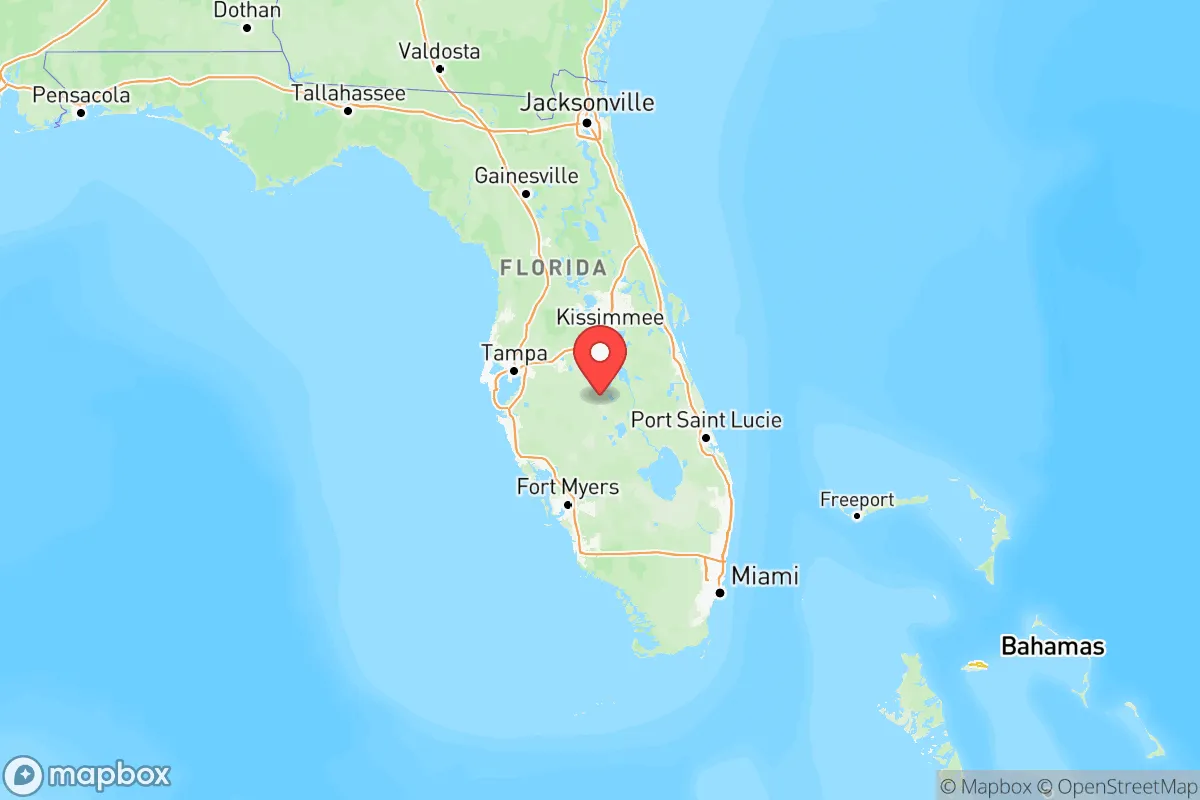
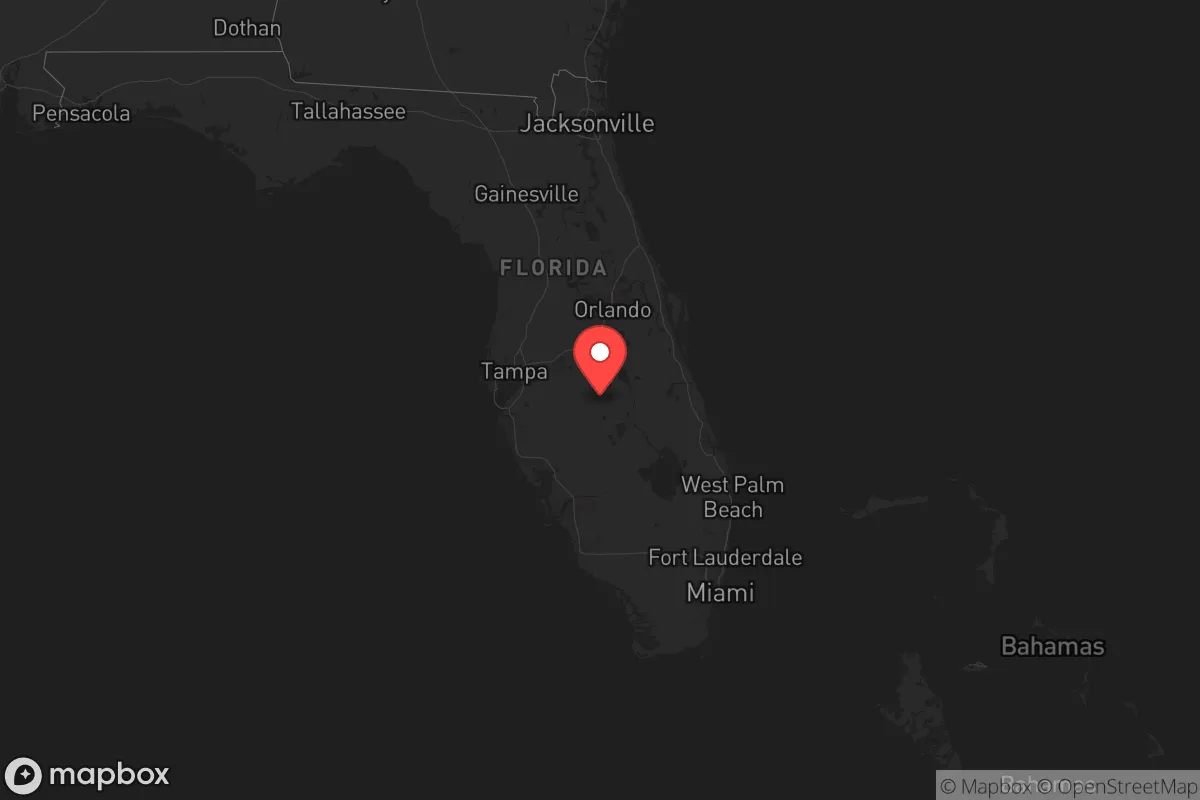
Photo: Wikipedia
Strategic Assessment of Florida
Meaningful friction. Expect exposure to either population pressure, blast zones, or natural disaster risk. Consider buying a retreat property.
What does the Strategic Assessment tell us?
Our Strategic Assessment grades tactical survivability of an area. Major population centers, military targets, fallout zones, natural disasters, and border exposure all drive risk — lower exposure means a more defensible position in a crisis.
This is heavily inspired by Joel Skousen's Strategic Relocation book. Highly recommended you checkout the book ($)What does this tell us?
Our Strategic Assessment grades tactical survivability of an area. Major population centers, military targets, fallout zones, natural disasters, and border exposure all drive risk — lower exposure means a more defensible position in a crisis.
This is heavily inspired by Joel Skousen's Strategic Relocation book. Highly recommended you checkout the book ($)Regional Safe Places
Below is our recommended "safe zones" in Florida and the surrounding area based on our strategic heuristics. For most people, it's unrealistic to live in a “safe zone” full-time due to work, family or other personal reasons. They tend to be more rural. However, many of these areas are perfect for second homes and retreat properties that double as a vacation home or even a short-term rental.

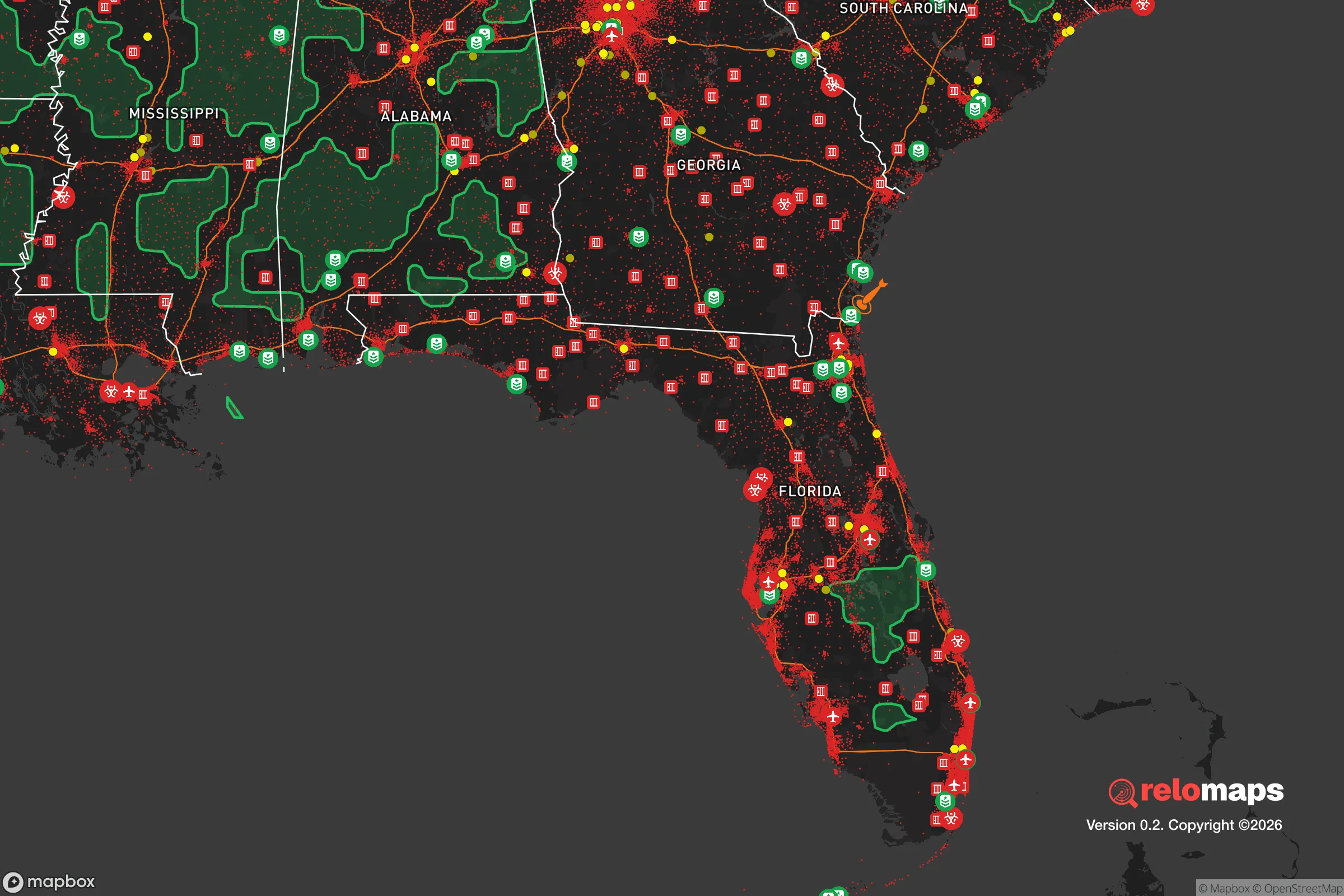


Important Note: For informational purposes only. This does not mean nothing bad ever happens in the green zones. Please use common sense. This is based on public data and modeled with AI. We tried to take a conservative approach but mistakes happen. We update this regularly as new information becomes available.
Solar Generator Recommendations
Backup power matters more here than in safer locations. We've picked three solar generators across budgets and capacity tiers — start with the budget unit if you only need a few essentials, or step up if you want to run a fridge and HVAC for days at a time.

Jackery Portable Power Station Explorer 300
Budget OptionPower on the Go: Weighing only 11 lbs, it's convenient to set up and store with book-sized foldable solar panels

BLUETTI Portable Power Station AC180
Designed for both indoor and outdoor scenarios, AC180 is highly capable as it has a robost capacity and continuous output power.

EF ECOFLOW DELTA Pro Ultra Power Station
Upgraded PickEcoFlow DELTA Pro Ultra is a whole-home energy system designed to grow with your family. Integrated with the Smart Home Panel 2, it scales to meet your evolving energy needs — keeping your home powered, intelligent, and secure through every stage of life.
We earn a commission, at no additional cost to you.
Strategic Assessment Analysis
Florida presents a complex strategic picture for the relocation-minded individual or family weighing disaster readiness and self-sufficiency. The state’s primary advantage is its geographic isolation as a peninsula, buffered by the Atlantic Ocean and the Gulf of Mexico, which inherently reduces exposure to many continental-scale threats like seismic activity, volcanic fallout, and large-scale industrial cascades from distant regions. However, this same geography creates unique vulnerabilities, particularly from tropical weather and sea-level rise, that require serious consideration. For a conservative-leaning audience prioritizing resilience, Florida offers a mix of strong local governance in many counties, a robust agricultural base, and a growing network of self-sufficient communities, but it demands a clear-eyed assessment of its natural and man-made risk profile.
Geographic position and natural advantages for long-term security
Florida’s peninsular shape provides a natural buffer against several types of large-scale disasters that affect the continental interior. The state is far removed from major seismic zones, with no active fault lines, and its distance from the nation’s nuclear power plant clusters—such as those in the Ohio River Valley and the Carolinas—reduces fallout risk from a distant event. The Florida Peninsula also benefits from a warm climate that supports year-round food production, with major agricultural hubs like Immokalee, Belle Glade, and the Homestead area providing significant local supplies of citrus, vegetables, and livestock. The state’s extensive coastline, including the Port of Tampa, PortMiami, and JAXPORT in Jacksonville, offers redundancy for supply chain access, though these same ports are potential targets in a conflict scenario. For a relocator, inland counties like Polk, Highlands, or Okeechobee offer a balance of agricultural self-sufficiency and reduced hurricane surge risk compared to coastal zones, while still being within reasonable distance of medical and logistical infrastructure.
Natural and man-made risks: hurricanes, storm surge, and critical infrastructure exposure
The most significant natural risk in Florida is the annual hurricane season, which runs from June through November. The state has experienced major landfalls in recent years, including Hurricane Ian (2022) and Hurricane Michael (2018), which caused widespread power outages, flooding, and infrastructure damage. Storm surge is the deadliest hazard, with low-lying coastal areas like the Florida Keys, Naples, and the Tampa Bay region being particularly vulnerable. Inland flooding is also a concern, especially in areas with poor drainage or near the St. Johns River. On the man-made side, Florida hosts several critical infrastructure sites that could be fallout-relevant in a conflict: the Port Canaveral area near Cape Canaveral Space Force Station, the Naval Air Station Jacksonville, and the MacDill Air Force Base in Tampa are all high-value military targets. Additionally, the state’s reliance on a few major fuel terminals, such as the Port of Tampa’s petroleum storage facilities, creates a single-point-of-failure risk for fuel supply during a crisis. Relocators should consider distance from these landmarks—counties like Levy, Gilchrist, or Union offer greater separation from major military and industrial zones while still being accessible to services.
Practical resilience for a relocator: food, water, energy, and defensibility
Florida’s practical resilience for a self-sufficient lifestyle is mixed but improving. The state has a strong agricultural sector, with the Suwannee River Valley and the Lake Okeechobee region providing ample opportunities for small-scale farming, livestock, and homesteading. Water availability is generally good due to the Floridan Aquifer, which supplies most of the state’s drinking water, though over-extraction and saltwater intrusion in coastal areas are growing concerns. For energy, Florida has a diverse grid with natural gas, nuclear (St. Lucie and Turkey Point plants), and a growing solar sector, but the grid is vulnerable to hurricane damage, and widespread outages lasting days to weeks are common after major storms. Defensibility is a mixed factor: rural counties like Lafayette, Dixie, or Liberty offer low population density and natural chokepoints via limited road networks, but the state’s flat terrain and extensive wetlands make it difficult to secure large properties. For a relocator, investing in off-grid solar, rainwater catchment, and a well is highly recommended, as is choosing a property with good drainage and elevation above the 10-foot contour line to mitigate flood risk.
Overall, Florida offers a viable but conditional strategic option for the resilience-minded relocator. Its geographic isolation, warm climate, and agricultural capacity are genuine advantages, but these are counterbalanced by the annual hurricane threat, vulnerability to storm surge, and proximity to high-value military and industrial targets along the coasts. The best strategic approach is to target inland counties in the central or northern part of the state—such as Sumter, Columbia, or Suwannee—where hurricane risk is lower, population density is sparse, and access to fresh water and farmland is strong. For a family or individual willing to invest in robust infrastructure and maintain a flexible evacuation plan, Florida can be a defensible and self-sufficient home base, but it is not a low-maintenance option and requires ongoing vigilance against natural and man-made disruptions.

Top 10 Cities by Strategic Assessment in Florida
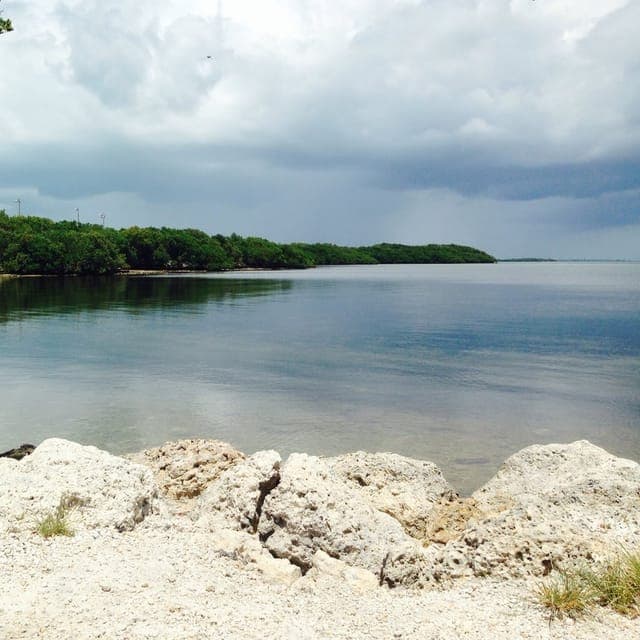
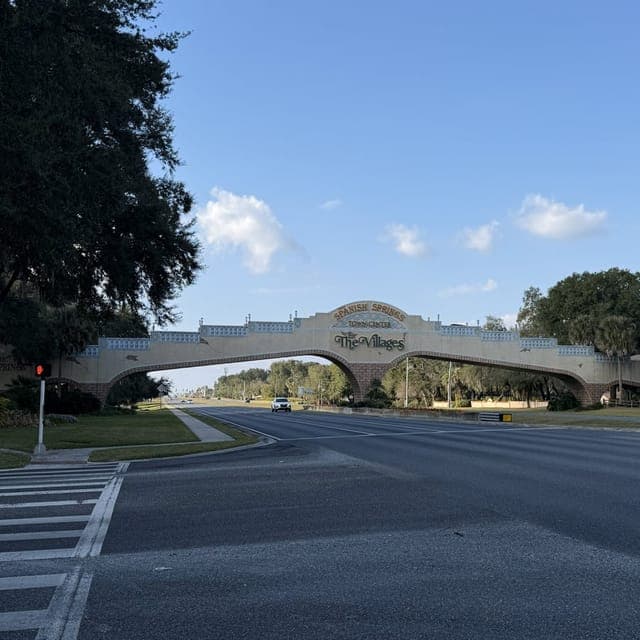
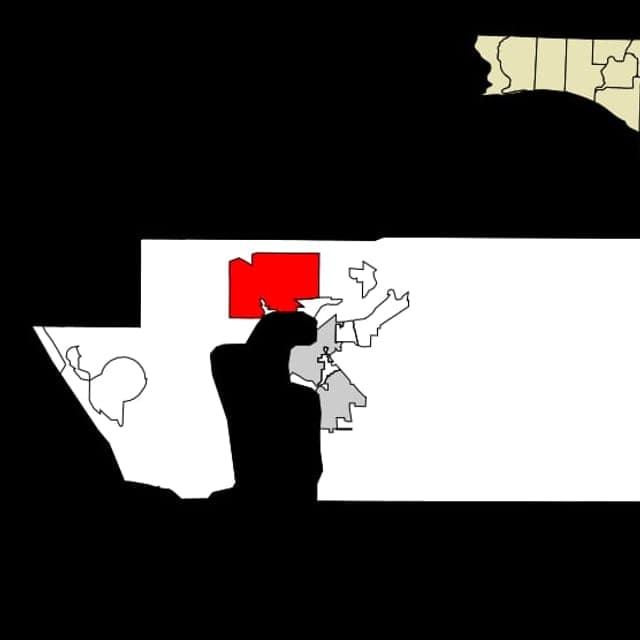
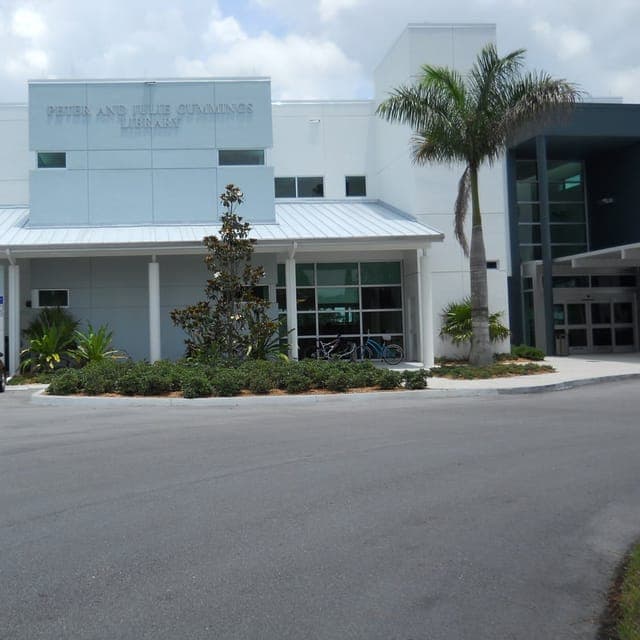
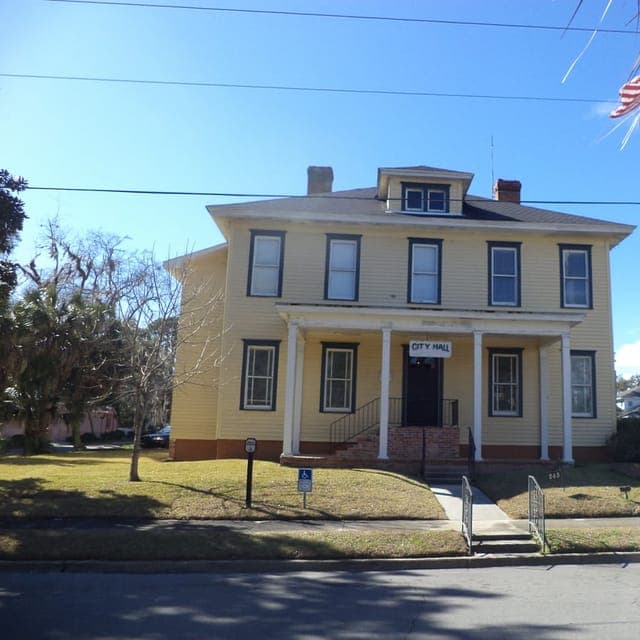
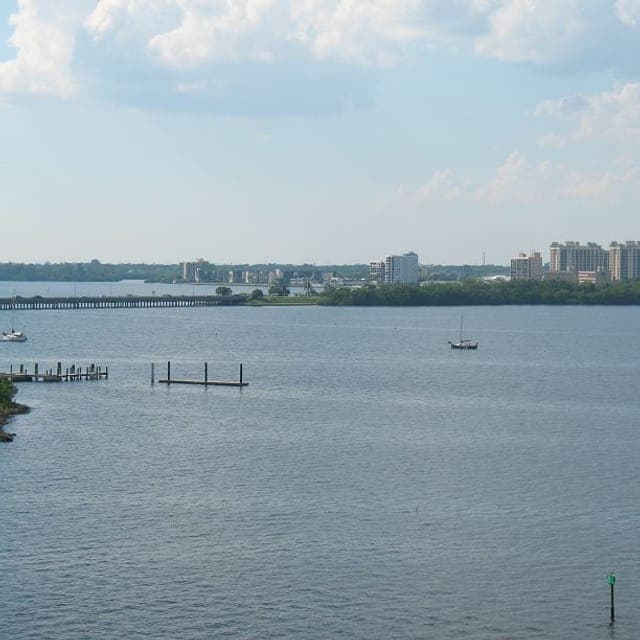
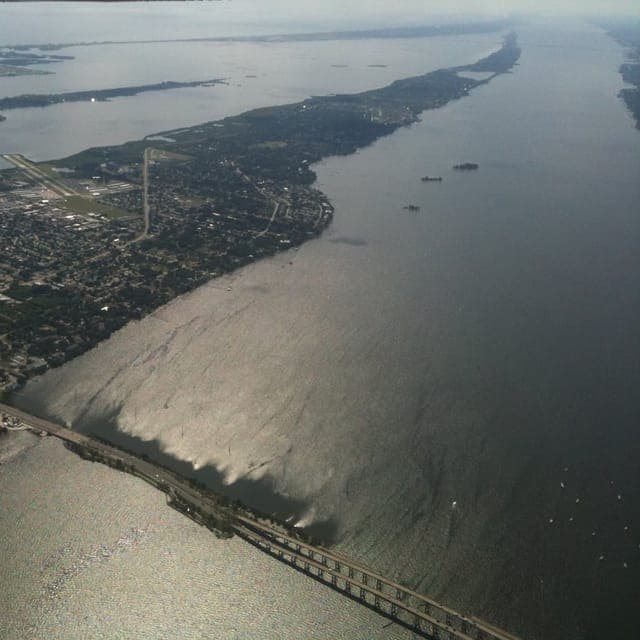

* Values derived from national, state, county, city and local statistics and may differ in a specific area. Last updated: 2026-08-02T10:22:55.000Z
Narrative content on this page is AI-generated and may contain mistakes. Verify any details that matter before acting on them.
ReloMaps may earn a commission from affiliate links at no extra cost to you.

