Photo: Wikipedia
Political ClimatePolitical Climate in Florida
Political Environment in the State
Florida has transformed from a quintessential swing state into a solidly Republican-leaning powerhouse over the past decade, driven by a massive influx of conservative-leaning transplants from the Northeast and Midwest. The state now consistently votes Republican in statewide elections, with Governor Ron DeSantis winning re-election by nearly 20 points in 2022, and the GOP holding supermajorities in both chambers of the legislature. This rightward shift is a dramatic reversal from the 2000s and early 2010s, when Florida was the ultimate battleground, decided by razor-thin margins in presidential races.
Urban vs. rural divide
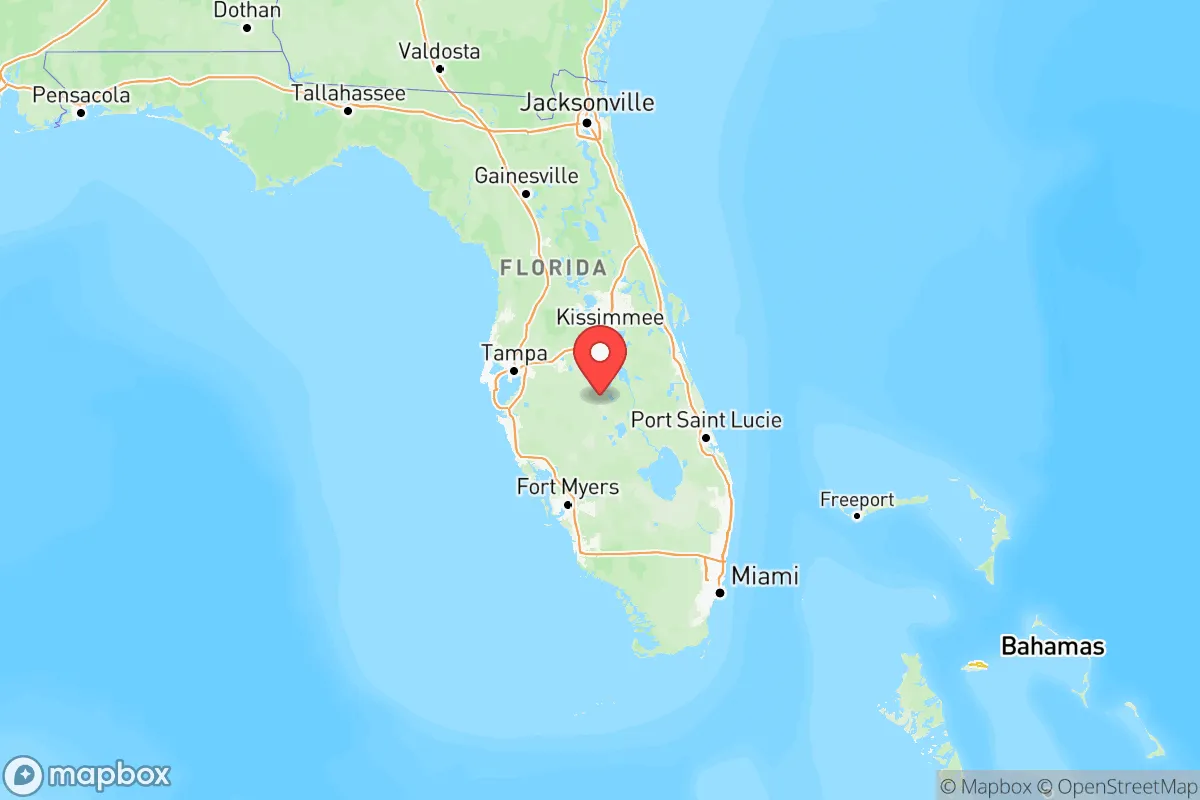
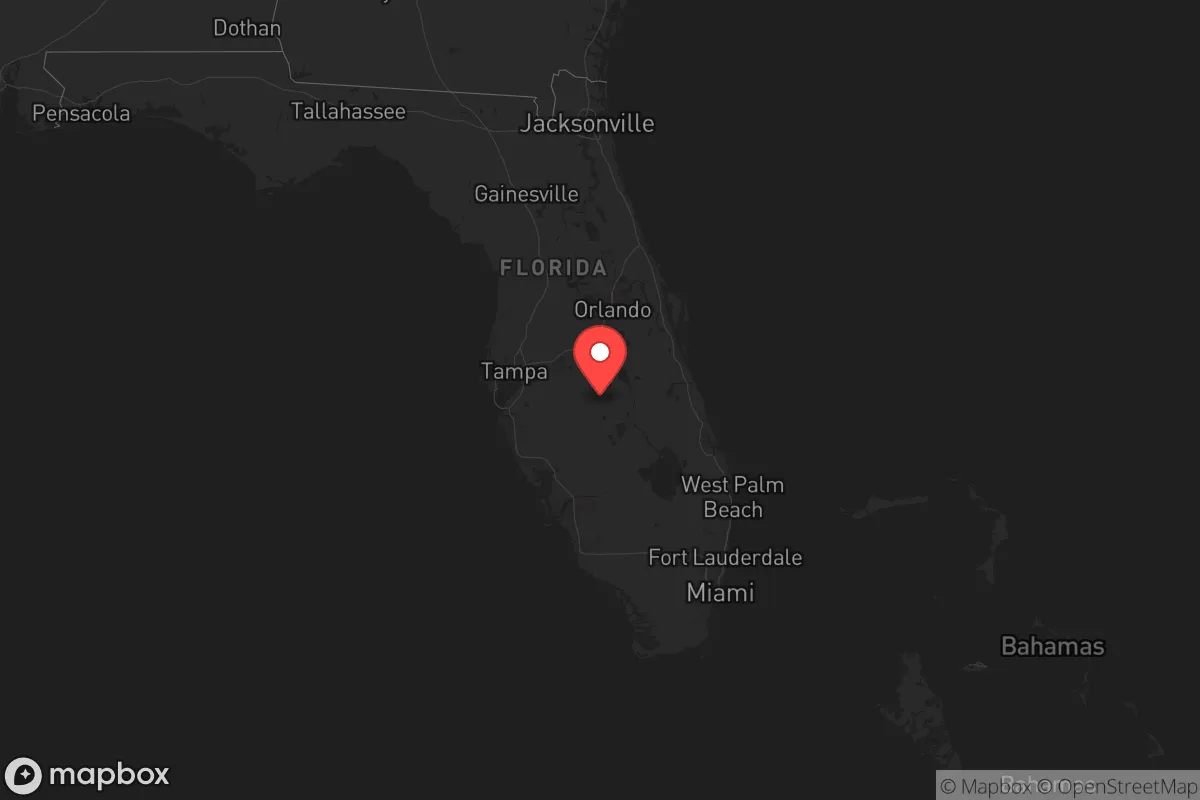
The political map of Florida is a stark study in contrasts. The major metropolitan areas of Miami-Dade County, Orlando (Orange County), and Tampa (Hillsborough County) have historically been Democratic strongholds, but even these are shifting. Miami-Dade, once a reliably blue anchor, has trended sharply right, with Donald Trump winning it in 2020 and Republicans making deep inroads with the Cuban-American and Venezuelan-American communities. Meanwhile, the sprawling suburbs of Jacksonville (Duval County) and the I-4 corridor counties like Volusia and Polk have become reliably red. The rural Panhandle, from Pensacola to Tallahassee's outskirts, and the interior counties like Lake and Marion are deeply conservative. The only remaining blue bastions are Alachua County (Gainesville), home to the University of Florida, and the more progressive pockets of St. Petersburg and Broward County. The key takeaway: the state's political gravity has shifted from the swingy I-4 corridor to the reliably red, fast-growing Gulf Coast and North Florida.
Policy environment
Florida's policy environment is defined by a low-tax, low-regulation posture that appeals strongly to conservative relocators. There is no state income tax, which is a major draw. The regulatory climate is business-friendly, with minimal red tape for new construction and business formation. Education policy has been a flashpoint, with the state leading the nation in school choice through the Family Empowerment Scholarship program, which allows state funds to follow students to private or charter schools. Healthcare policy is more limited; the state has not expanded Medicaid under the Affordable Care Act, and the insurance market is heavily privatized. Election laws have been tightened, with strict voter ID requirements, limits on drop boxes, and a controversial law (SB 90) that restricts mail-in voting. The state also has a "Stand Your Ground" self-defense law and a preemption law that prevents local governments from enacting stricter gun ordinances.
Recent policy direction
The last few years have seen a flurry of legislation that signals a clear direction. On gun and self-defense law, Florida passed a permitless carry law (HB 543) in 2023, allowing most adults to carry concealed firearms without a permit. On parental and education rights, the "Parental Rights in Education" law (HB 1557, dubbed "Don't Say Gay" by critics) restricts classroom instruction on sexual orientation and gender identity in early grades. Speech and privacy laws have been tightened, with a ban on "critical race theory" in schools and a law (HB 7) that prohibits workplace training that suggests someone is privileged or oppressed based on race. Medical and bodily autonomy is sharply restricted: a six-week abortion ban (HB 5) was signed in 2023, with limited exceptions. Property rights are strongly protected, with no state-level rent control and a "Property Rights" amendment to the state constitution. Taxation remains low, but property taxes and insurance costs have skyrocketed due to the housing crisis and climate risk. Voting and ballot access have been restricted, with a new election police force and felony disenfranchisement laws that require ex-felons to pay all fines and fees before regaining voting rights.
Civil unrest & political movements
Florida has seen its share of political flashpoints. The 2020 Black Lives Matter protests in Miami, Tampa, and Orlando were large but largely peaceful, though they sparked a backlash that fueled the "law and order" messaging of the DeSantis administration. Immigration politics are intensely polarized, particularly in South Florida, where the influx of migrants from Cuba, Venezuela, and Haiti has created a complex political landscape. The state has a ban on "sanctuary cities" (SB 4) and has bused migrants to Democratic-led states as a political statement. Election integrity controversies have been a constant, with the state creating a new Office of Election Crimes and Security and prosecuting a handful of cases of alleged voter fraud. Secession or nullification rhetoric is minimal, but there is a strong strain of "state sovereignty" discourse, particularly around COVID-19 mandates and federal environmental regulations. A new resident would notice the omnipresence of political signage, the intensity of local news coverage of state politics, and the active role of the governor in shaping national conservative discourse.
Projection
Over the next 5-10 years, Florida's political trajectory is likely to continue its rightward drift, but with some caveats. The state is growing rapidly, with an estimated 1,000 new residents per day, many of whom are conservative-leaning retirees and remote workers from blue states. This demographic shift will likely solidify the Republican hold on statewide offices and the legislature. However, the influx of younger, more diverse residents into metro areas like Orlando and Tampa could create a more competitive environment in the long run, particularly if housing costs and insurance premiums continue to rise. The state's vulnerability to climate change—hurricanes, flooding, and rising insurance costs—could become a political liability for the ruling party if it fails to address these issues effectively. A relocator moving in now should expect a state that remains deeply conservative on social and fiscal issues, with a strong executive branch and a legislature that is unafraid to push the boundaries of state power. The political culture will likely become even more polarized, with the governor's office serving as a national platform for conservative policy experimentation.
For a new resident, the bottom line is that Florida offers a distinctly conservative policy environment with low taxes, strong property rights, and a focus on parental control in education. However, this comes with trade-offs: high property insurance costs, a restrictive abortion law, and a political climate that can feel like a perpetual culture war. If you align with the state's current direction, you'll find a welcoming, fast-growing economy and a government that actively supports your values. If you don't, you'll be in a clear minority, but you'll still find vibrant, diverse communities in the major metros where progressive politics thrive at the local level. The key is to choose your city carefully—St. Petersburg feels very different from Pensacola—and understand that the state's political trajectory is unlikely to reverse anytime soon.

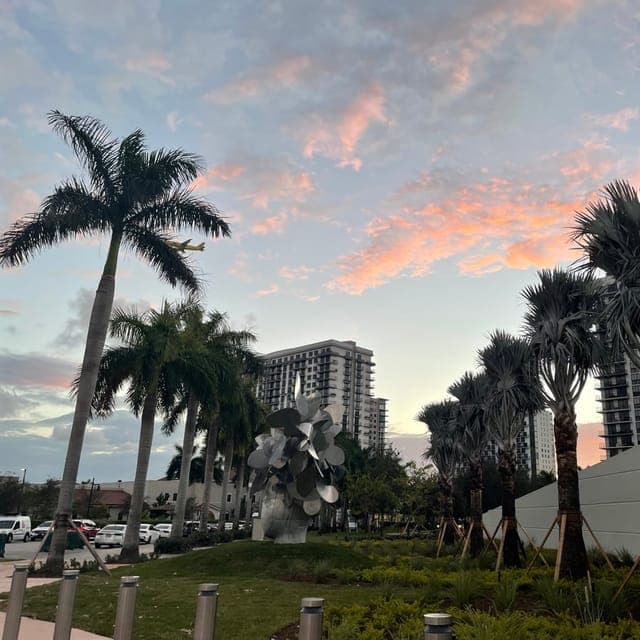
Most Conservative Cities in Florida
Most Liberal Cities in Florida
* Values derived from national, state, county, city and local statistics and may differ in a specific area. Last updated: 2026-08-02T10:22:55.000Z
Narrative content on this page is AI-generated and may contain mistakes. Verify any details that matter before acting on them.
ReloMaps may earn a commission from affiliate links at no extra cost to you.

