 Popular
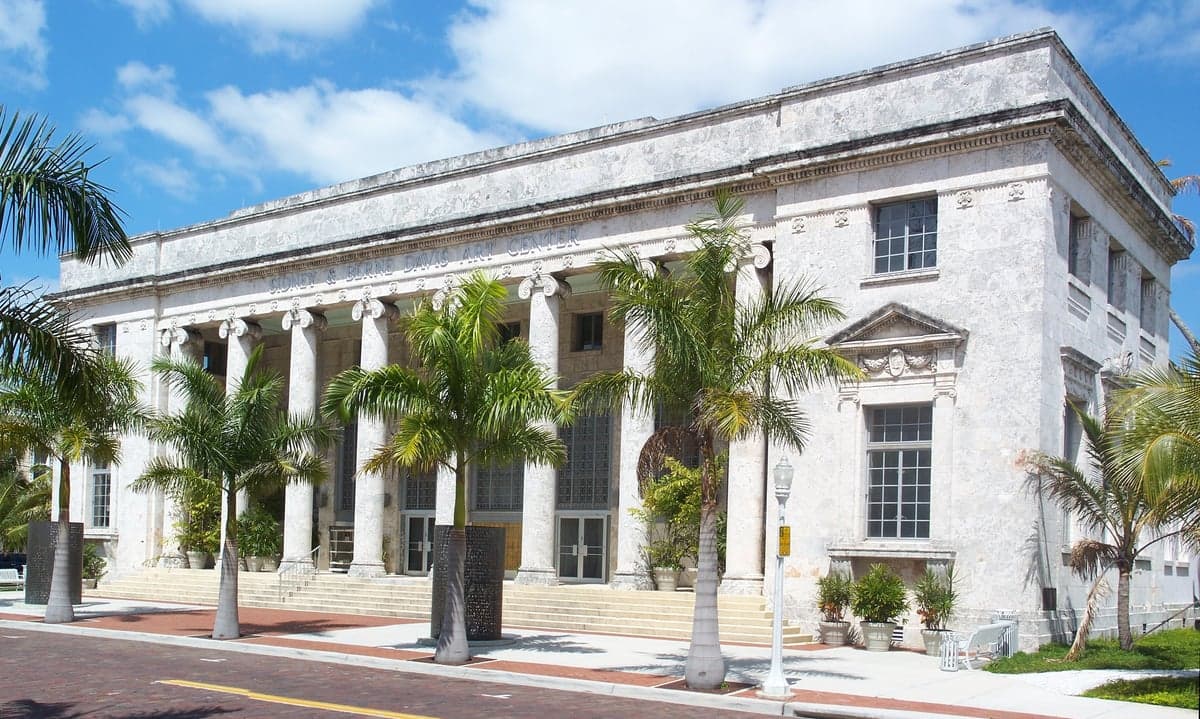
Photo: Wikipedia
Quality of Life in Fort Myers, FL
A high quality of life with strong walkability, manageable living costs, healthy neighborhood signals, and solid amenity access.
What does Quality of Life tell us?
Quality of Life blends cost of living, nearby amenities, socioeconomic signals, and neighborhood character. City-level scores represent the whole municipality; individual neighborhoods can differ.
What does this tell us?
Quality of Life blends cost of living, nearby amenities, socioeconomic signals, and neighborhood character. City-level scores represent the whole municipality; individual neighborhoods can differ.
Cost of Living
24% above national average
The Real Cost of Living in Fort Myers, FL for 2026
| Tier | Individual | Family (4) |
|---|---|---|
| Survival | $23k | $43k |
| Comfortable | $68k | $100k |
| Luxury | $112k+ | $174k+ |
| Elite (Top 5%) | $165k+ | $256k+ |
62%
The Area Signal
A metric tracking the socioeconomic signals of the area.
Hobbies
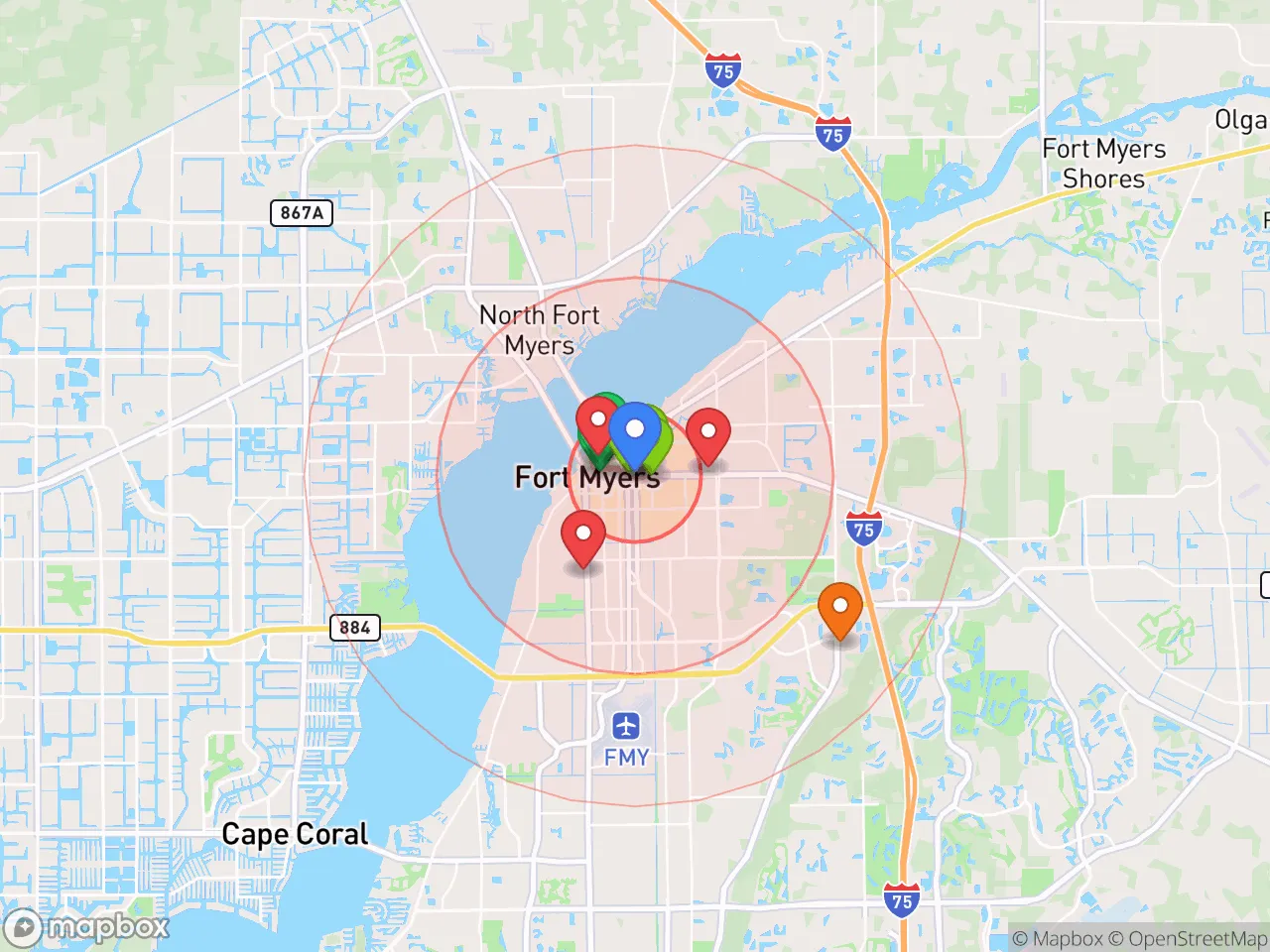
Explore the areaGroceries
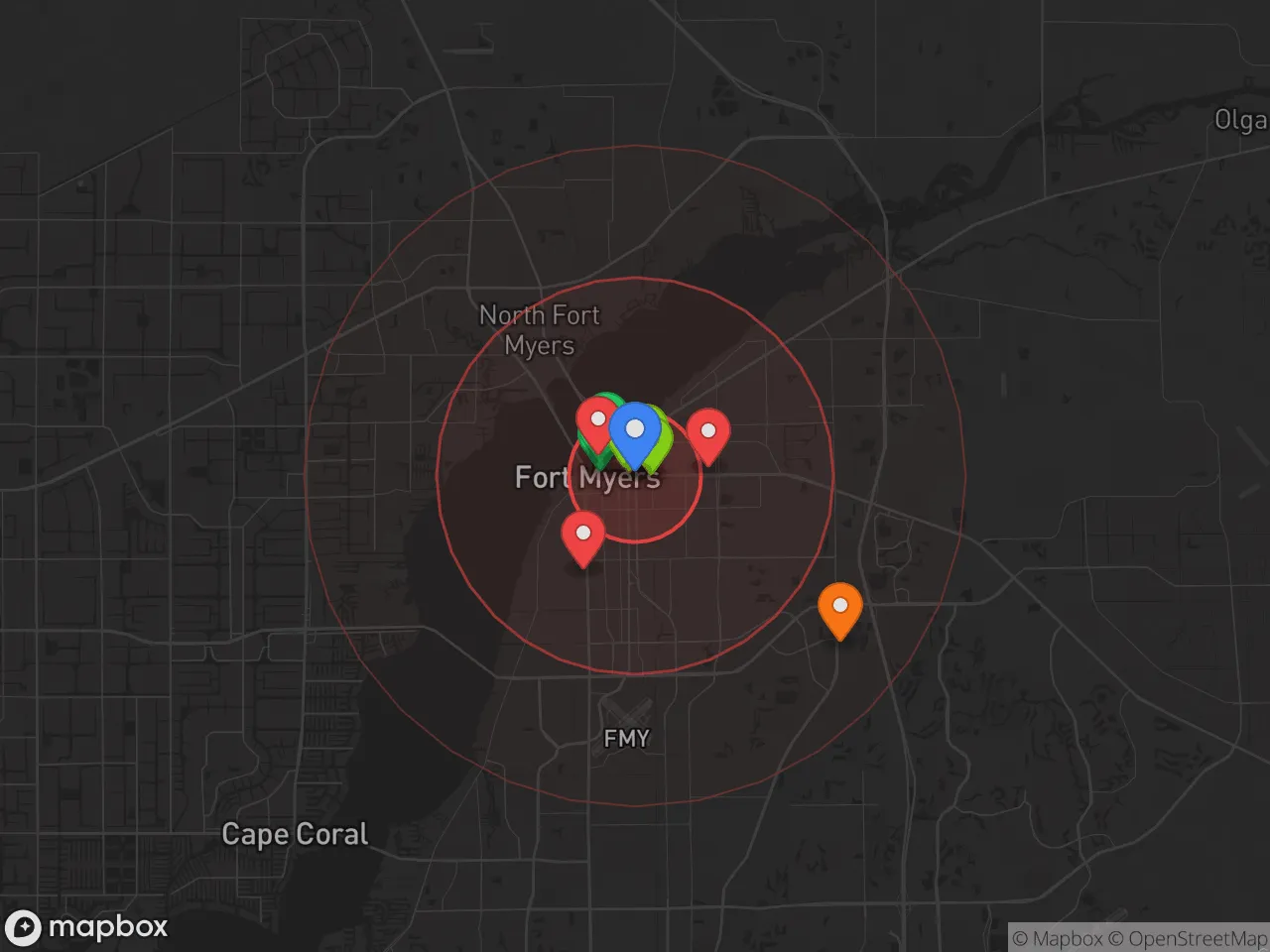
8 within 10 miles
Gas
20 within 10 miles
Hospital
14 within 20 miles
Airport
TPA — Tampa International
Post Office
USPS — Fort Myers, FL
Critical Amenities
Quality-of-Life Analysis
Fort Myers presents a quality of life shaped by its position as a mid-sized Gulf Coast city where affluence is visible but not universal, attracting a mix of retirees, remote workers, and service-industry families. The city's cost of living index of 124 (24% above the U.S. average) reflects its desirability as a warm-weather destination, yet the median household income of roughly $58,000 means many residents feel the squeeze of rising housing costs. The population skews older than the national median, with a notable seasonal influx of "snowbirds" from the Midwest and Northeast, creating a dual rhythm of quiet summers and bustling winters.
Cost of living and housing affordability compared to Naples and Cape Coral
Fort Myers sits in a middle ground between the ultra-wealthy enclave of Naples (COL index ~135) and the more suburban, family-oriented Cape Coral (COL index ~115). The median home value of $351,600 is roughly $100,000 less than Naples but about $40,000 more than Cape Coral, making it a compromise for buyers who want proximity to high-end beaches without the price tag. Renters face a median rent of $1,442, which has climbed 18% since 2020, outpacing wage growth in the local hospitality and retail sectors. The average commute of 24.9 minutes is manageable by Florida standards, though traffic on Interstate 75 and U.S. 41 can double that during snowbird season (January through March). Property taxes in Lee County average 0.87% of assessed value, slightly below the state median, but homeowners insurance premiums in this hurricane-prone zone often exceed $3,000 annually, adding a hidden cost to affordability calculations.
What daily life is like for families and retirees
Daily life in Fort Myers revolves around outdoor recreation and a car-dependent layout. The city's school system, Lee County Schools, serves over 95,000 students and includes several magnet programs—such as the STEM-focused Fort Myers High School, ranked in the top 10% nationally—but overall district performance lags behind nearby Collier County (Naples). Amenities are concentrated along the Caloosahatchee River and at the newly revitalized downtown River District, which offers farmers' markets, the Sidney & Berne Davis Art Center, and the Calusa Nature Center & Planetarium. For retirees, the appeal lies in the 60+ golf courses within a 20-mile radius and the proximity to Sanibel and Captiva islands (a 30-minute drive), though hurricane evacuation routes and seasonal crowds are recurring frustrations. Healthcare access is solid, with Lee Health operating three major hospitals in the metro area, including Gulf Coast Medical Center, a Level II trauma center.
Who thrives here? Remote workers earning six-figure salaries who can absorb the COL premium and want year-round boating and golf will find Fort Myers a comfortable base. Families with school-age children may prefer the higher-rated districts of Estero or Bonita Springs just south. Retirees on fixed incomes should carefully budget for insurance and seasonal utility spikes (air conditioning from April to October). The city works best for those who value warm-weather lifestyle over urban density and are willing to trade walkability for space and water access.

Crime in Fort Myers, FL
Generally safer than 56% of comparable U.S. locations.
Violent CrimeViolent Crime Analysis
Property CrimeProperty Crime Analysis
Crime Analysis
Fort Myers, Florida, reports a violent crime rate of 441.1 incidents per 100,000 residents and a property crime rate of 1,063.2 per 100,000, placing it above both state and national averages for public safety. These figures indicate that while the city is not among the most dangerous in the state, residents and visitors face a notably higher risk of victimization compared to typical Florida communities. The overall safety picture is further complicated by the local justice system’s approach, which leans toward progressive policies that prioritize offender rehabilitation over strict enforcement, a factor that directly correlates with elevated crime rates.
Crime in context
Fort Myers’ violent crime rate of 441.1 per 100,000 is roughly 25% higher than the Florida state average of approximately 350 per 100,000 and significantly exceeds the national average of about 380 per 100,000. Property crime, at 1,063.2 per 100,000, is similarly elevated—about 15% above the state average and 10% above the national figure. These statistics place Fort Myers in a higher-risk tier among Southwest Florida cities, though it remains below the most dangerous metro areas in the state. The elevated rates are partly attributable to the presence of progressive district attorneys and judges in the broader Lee County judicial circuit, whose lenient sentencing and diversion programs have been linked to higher recidivism and more offenders remaining on the streets.
What residents experience
Residents of Fort Myers commonly report property crimes such as vehicle break-ins, package theft, and residential burglaries as daily concerns, particularly in neighborhoods near major thoroughfares like U.S. 41 and Colonial Boulevard. Violent incidents, including aggravated assaults and robberies, are concentrated in specific areas, especially around downtown and the Dr. Martin Luther King Jr. Boulevard corridor. The progressive judicial philosophy in the region—marked by reduced cash bail, early release programs, and a focus on restorative justice—has resulted in repeat offenders cycling through the system with minimal consequences, eroding public trust and increasing the likelihood of victimization for law-abiding residents.
Neighborhood-level variation is significant. Gated communities and newer developments in south Fort Myers and along McGregor Boulevard experience lower crime rates, while older, denser areas near the city core see higher incident densities. Prospective residents should prioritize properties with private security, neighborhood watch programs, and proximity to the Lee County Sheriff’s Office substations, as these factors provide a measurable buffer against the city’s broader crime trends. The combination of elevated crime statistics and a justice system that often prioritizes offender outcomes over public safety makes Fort Myers a location where caution and proactive security measures are essential for daily life.
* Values derived from national, state, county, city and local statistics and may differ in a specific area. Last updated: 2026-05-03T04:45:15.000Z
Narrative content on this page is AI-generated and may contain mistakes. Verify any details that matter before acting on them.
ReloMaps may earn a commission from affiliate links at no extra cost to you.

