 Popular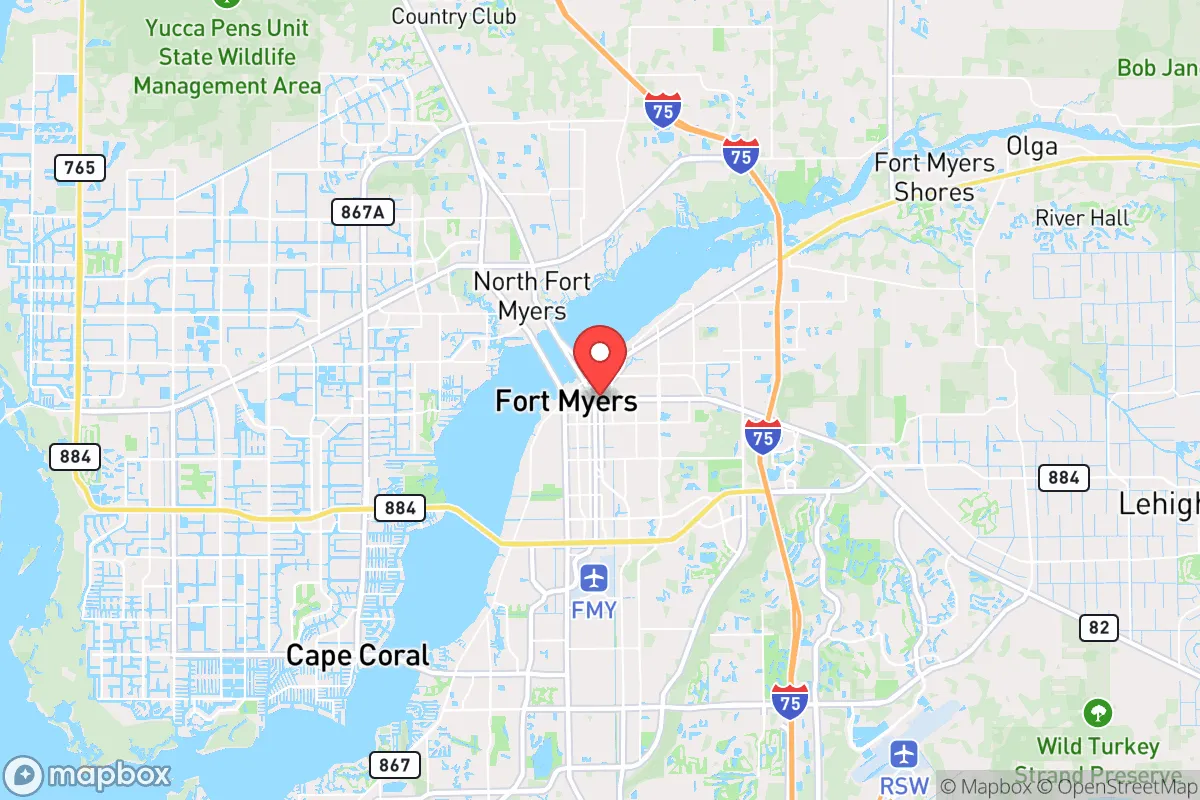
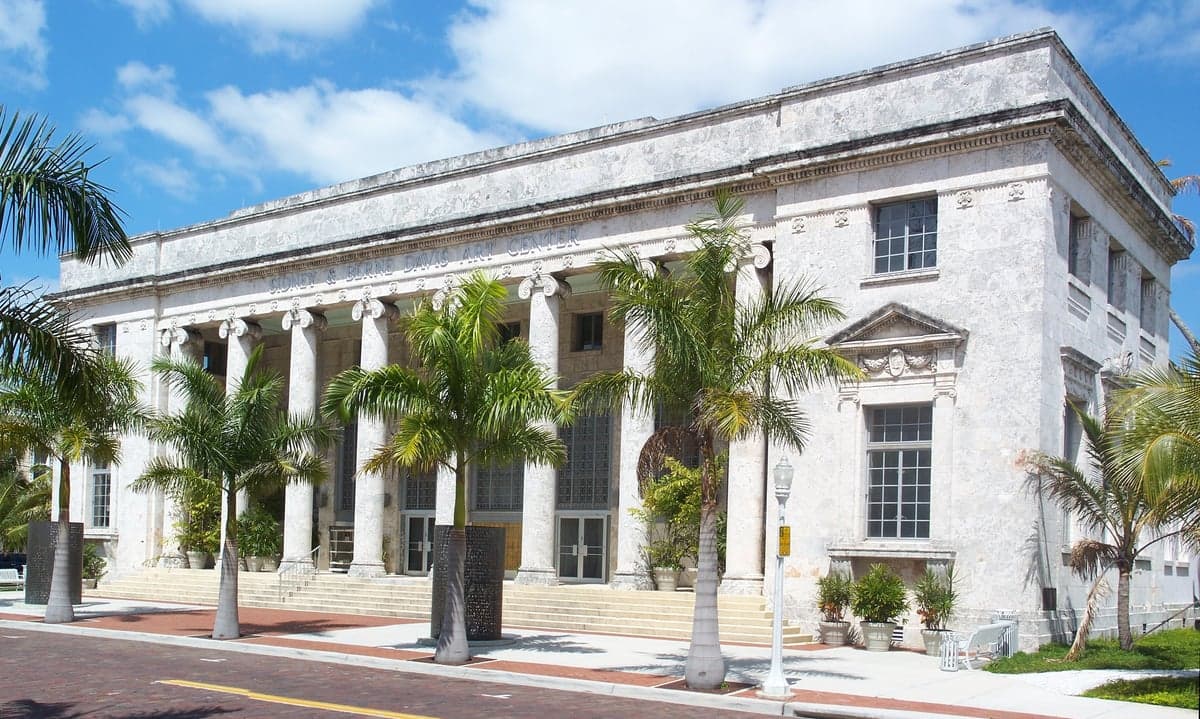
Photo: Wikipedia
Strategic Assessment of Fort Myers, FL
Meaningful friction. Expect exposure to either population pressure, blast zones, or natural disaster risk. Consider buying a retreat property.
What does the Strategic Assessment tell us?
Our Strategic Assessment grades tactical survivability of an area. Major population centers, military targets, fallout zones, natural disasters, and border exposure all drive risk — lower exposure means a more defensible position in a crisis.
This is heavily inspired by Joel Skousen's Strategic Relocation book. Highly recommended you checkout the book ($)What does this tell us?
Our Strategic Assessment grades tactical survivability of an area. Major population centers, military targets, fallout zones, natural disasters, and border exposure all drive risk — lower exposure means a more defensible position in a crisis.
This is heavily inspired by Joel Skousen's Strategic Relocation book. Highly recommended you checkout the book ($)Strategic Pillars

Key Distances
Regional Safe Places
Below is our recommended "safe zones" in Florida and the surrounding area based on our strategic heuristics. For most people, it's unrealistic to live in a “safe zone” full-time due to work, family or other personal reasons. They tend to be more rural. However, many of these areas are perfect for second homes and retreat properties that double as a vacation home or even a short-term rental.

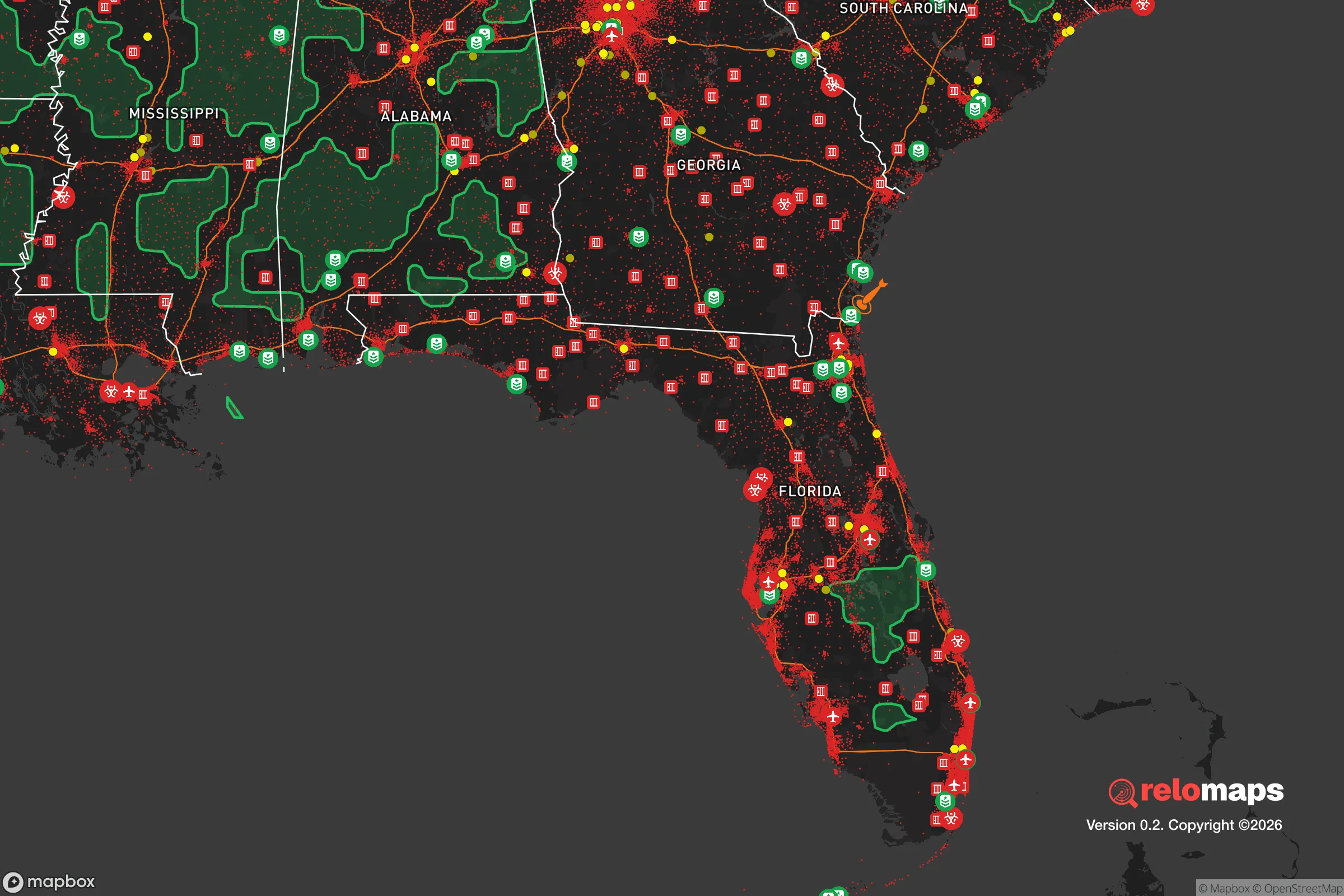


Important Note: For informational purposes only. This does not mean nothing bad ever happens in the green zones. Please use common sense. This is based on public data and modeled with AI. We tried to take a conservative approach but mistakes happen. We update this regularly as new information becomes available.
Solar Generator Recommendations
Backup power matters more here than in safer locations. We've picked three solar generators across budgets and capacity tiers — start with the budget unit if you only need a few essentials, or step up if you want to run a fridge and HVAC for days at a time.

Jackery Portable Power Station Explorer 300
Budget OptionPower on the Go: Weighing only 11 lbs, it's convenient to set up and store with book-sized foldable solar panels

BLUETTI Portable Power Station AC180
Designed for both indoor and outdoor scenarios, AC180 is highly capable as it has a robost capacity and continuous output power.

EF ECOFLOW DELTA Pro Ultra Power Station
Upgraded PickEcoFlow DELTA Pro Ultra is a whole-home energy system designed to grow with your family. Integrated with the Smart Home Panel 2, it scales to meet your evolving energy needs — keeping your home powered, intelligent, and secure through every stage of life.
We earn a commission, at no additional cost to you.
Strategic Assessment Analysis
Fort Myers offers a mixed strategic picture for the conservative prepper. Its location on the southwest Gulf Coast provides a buffer from the densest population centers of the state, but it sits squarely in the path of hurricane threats and within a region that is rapidly urbanizing. The area’s resilience depends heavily on your specific property choice, your ability to self-sustain, and your tolerance for seasonal evacuation pressures. For a relocator prioritizing long-term stability, Fort Myers is a calculated trade-off—not a fortress, but not a death trap either.
Geographic position and natural advantages for long-term stability
Fort Myers sits on the Caloosahatchee River, roughly 15 miles inland from the Gulf of Mexico. This inland position offers a slight buffer against the worst of storm surge, though it does not eliminate flood risk. The surrounding region—Lee County—is part of the Florida peninsula’s “ridge” system, with slightly higher ground (elevations of 10–30 feet) in some neighborhoods, which is a meaningful advantage for flood avoidance. The area’s subtropical climate means year-round growing seasons, a major plus for anyone serious about food independence. You can cultivate citrus, avocados, and vegetables nearly 12 months a year, though soil quality varies and irrigation is essential during dry months. The proximity to the Everglades and Big Cypress National Preserve to the east provides a vast, sparsely populated buffer zone, which could serve as a natural barrier to urban sprawl or a retreat area if needed. For a prepper, the key geographic advantage is that Fort Myers is not Miami, Tampa, or Orlando—it is far enough from the state’s major population centers to avoid the immediate chaos of a mass evacuation or civil unrest event in those cities. However, it is close enough (about 120 miles from Miami, 140 from Tampa) that you could be affected by regional disruptions.
Risks, exposures, and proximity to fallout-relevant landmarks
The most obvious risk is hurricane exposure. Fort Myers is in a high-risk zone for major storms, as Hurricane Ian demonstrated in 2022. That storm caused catastrophic flooding, power outages lasting weeks in some areas, and significant property damage. For a prepper, this means you must have a hardened structure—concrete block construction, impact-resistant windows, and a reliable generator—or be prepared to evacuate. Evacuation routes are limited: I-75 and US-41 are the primary arteries, and both can gridlock during a mandatory evacuation. The area also sits near several potential “fallout” landmarks. The Southwest Florida International Airport (RSW) is a major transit hub; in a national emergency, it could become a chokepoint for military or FEMA operations, drawing crowds and potential unrest. The Caloosahatchee River is a navigable waterway that connects to Lake Okeechobee and the Atlantic via the Okeechobee Waterway, meaning barge traffic and potential security concerns. There are no nuclear power plants within 50 miles (the closest is St. Lucie, about 100 miles east), but the region has numerous chemical and fertilizer storage facilities along the river and near the port of Fort Myers. In a societal collapse scenario, these could become contamination sources. The broader risk is that Fort Myers is growing fast—Lee County’s population increased by over 20% between 2010 and 2020—and that growth brings more strain on infrastructure, water resources, and emergency services. For a prepper, a rapidly growing area means more competition for resources during a crisis.
Practical resilience for a relocator: food, water, energy, and defensibility
For food security, Fort Myers has strong potential. The region is agricultural, with nearby farms producing citrus, tomatoes, and cattle. You can source land for a homestead within 20–30 minutes of downtown, especially east toward LaBelle or north toward Arcadia. The year-round growing season is a genuine asset—you can maintain a garden through winter, unlike northern states. However, water is a concern. The area relies on the Biscayne Aquifer and surface water from the Caloosahatchee, and saltwater intrusion is a growing problem due to over-pumping and sea-level rise. A prepper should plan for a private well (if zoning allows) and a rainwater catchment system. The county’s water treatment plants are vulnerable to power loss, so a backup filtration system (e.g., Berkey or Sawyer) is non-negotiable. Energy resilience is mixed. Florida Power & Light (FPL) has a relatively modern grid, but hurricanes regularly knock out power for days to weeks. Solar panels with battery storage are a wise investment, but you must ensure they are hurricane-rated and properly mounted. Natural gas is available in many subdivisions, which can fuel generators indefinitely if the supply lines remain intact. For defensibility, Fort Myers is not ideal. The terrain is flat and open, with few natural chokepoints. Suburban sprawl means many homes are on quarter-acre lots with neighbors close by. If you want true defensibility, you need to look at rural properties east of I-75 or north of State Road 80, where you can get acreage and standoff distance. The local law enforcement presence is moderate—Lee County Sheriff’s Office has about 1,200 deputies—but in a widespread crisis, response times will be long. The area’s large retiree population (over 25% of residents are 65+) could be a liability in a prolonged emergency, as many are dependent on medical care and assistance.
Overall, Fort Myers is a viable relocation option for the conservative prepper who values climate, growing season, and distance from the most volatile urban centers, but who is willing to invest heavily in hurricane hardening, water independence, and a rural property. It is not a bug-out location—it is a place to build a long-term resilient homestead if you choose your parcel carefully. The biggest strategic weakness is the hurricane threat and the growing population pressure. If you can mitigate those with a well-built home, a reliable energy backup, and a food production system, Fort Myers offers a solid base of operations. If you are looking for a location that is naturally defensible and far from any risk, you will need to look further inland or to higher ground. For the prepared individual who understands the trade-offs, Fort Myers can work—but it demands active, not passive, resilience.

* Values derived from national, state, county, city and local statistics and may differ in a specific area. Last updated: 2026-05-03T04:45:15.000Z
Narrative content on this page is AI-generated and may contain mistakes. Verify any details that matter before acting on them.
ReloMaps may earn a commission from affiliate links at no extra cost to you.

