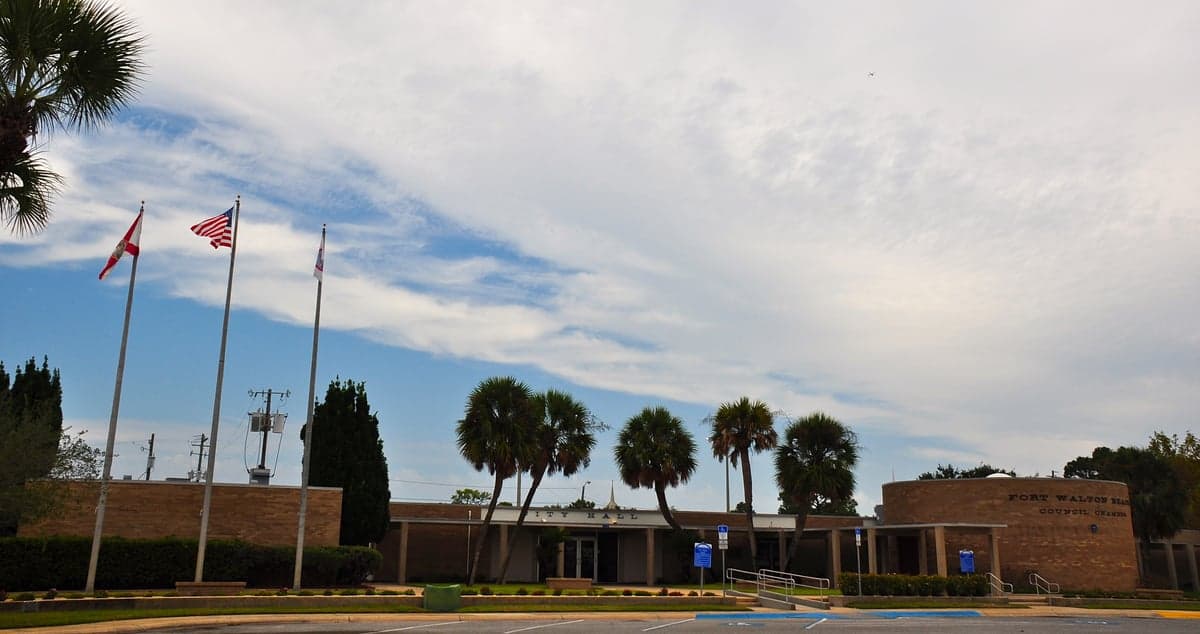
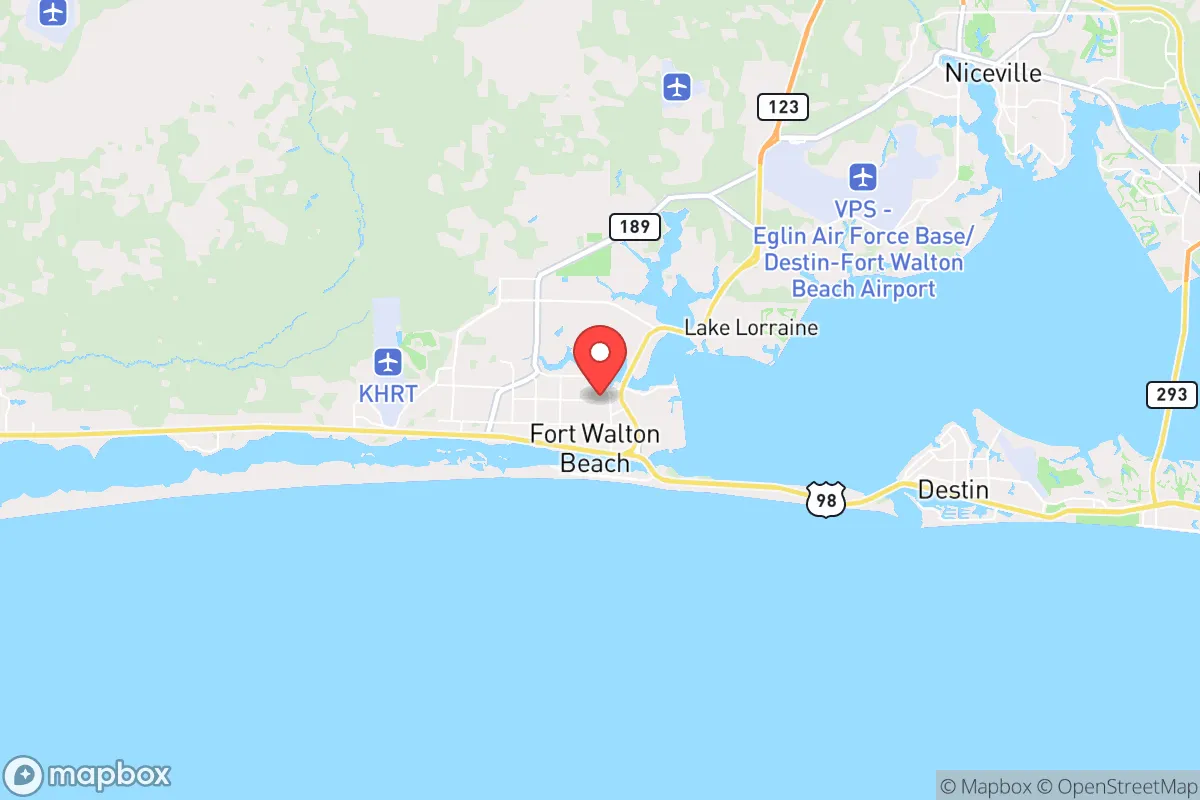
Photo: Wikipedia
Find The Best Places To Live
in Fort Walton Beach
PRO TIP! You can paste a Zillow or Redfin link to get info on that property.
What It's Like Living in Fort Walton Beach, FL
Fort Walton Beach feels like a small town that grew up around the military and the beach, not the other way around. It’s a place where the daily rhythm is set by the tide, the flight schedule at Hurlburt Field, and the Friday night lights at Steve Riggs Stadium. If you’re looking for a community that values stability, outdoor living, and a slower pace—without being completely cut off from city amenities—this stretch of the Emerald Coast is worth a serious look.
Daily Rhythm: What People Actually Do
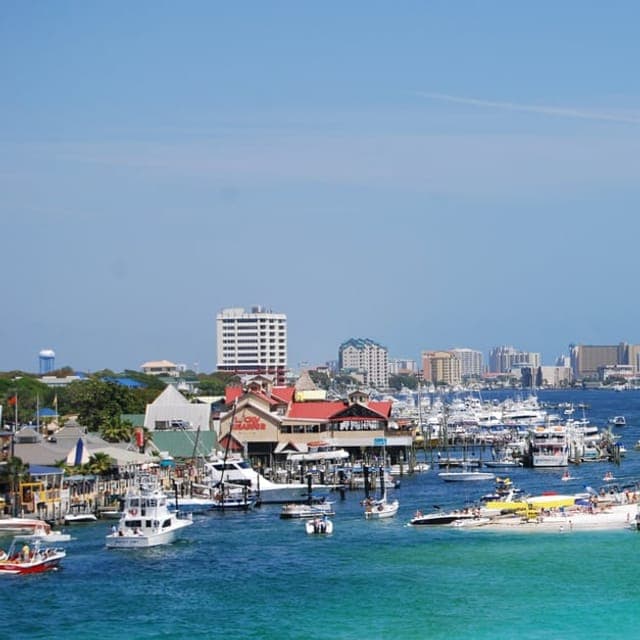
Most mornings start with coffee at a local spot like Brewed Awakening or Filthy’s Fine Coffee Bar, followed by a walk or bike ride along the Brooks Bridge or the Fort Walton Beach Landing Park boardwalk. The average commute is just under 22 minutes, which means you’re not burning daylight in traffic—you’re actually using it. The median age here is 39.2, and the median household income sits at $66,556, which aligns with a workforce heavily tied to Hurlburt Field (home of Air Force Special Operations), Eglin Air Force Base, and the defense contractors that orbit them. Weekends are often spent on the water: fishing off the Okaloosa Island Pier, kayaking in Santa Rosa Sound, or heading to Crab Island for a sandbar hangout. Grocery shopping is a mix of Publix and Winn-Dixie, and for a bigger trip, people drive 10 minutes east to Destin or 15 minutes west to Crestview.
Sports, Community, and the Local Identity
High school football is the closest thing to a civic religion here. Fort Walton Beach High School and Choctawhatchee High School games draw big crowds, and the rivalry is genuine but good-natured. There’s no major pro sports team in town, but that doesn’t matter—people are loyal to the Florida State Seminoles or Alabama Crimson Tide, and you’ll see flags flying on trucks and porches year-round. The military presence gives the community a distinct character: neighbors move in and out every few years, but the core of locals—many retired service members or civilian employees—keeps things stable. The Billy Bowlegs Festival every June is a quirky, pirate-themed tradition that’s been running for over 60 years, complete with a parade, a “pirate landing” on the beach, and fireworks. It’s the kind of event that feels both silly and deeply rooted, and locals either love it or roll their eyes—but they all show up.
What’s There to Do (and Where to Eat)
Entertainment here leans heavily on the outdoors. Henderson Beach State Park and Topsail Hill Preserve State Park are a short drive away, offering hiking, biking, and uncrowded beaches. For a night out, The Block in downtown Fort Walton Beach has become a go-to spot with a mix of restaurants, a brewery (3rd Planet Brewing), and live music on weekends. Fokkers is a local dive bar with a loyal following, and AJ’s on the Bayou offers waterfront dining and a lively tiki bar scene. For food, McGuire’s Irish Pub in Destin is a 15-minute drive and worth the trip for the atmosphere and the steak. Locals also swear by Dewey Destin’s for fried shrimp and hushpuppies. The Mattie Kelly Arts Foundation hosts concerts and cultural events, and the Emerald Coast Theatre Company puts on solid productions. If you’re into fishing, the Fort Walton Beach Fishing Pier is a 24-hour operation where you can cast a line or just watch the sunrise.
Pros and Cons of Living Here
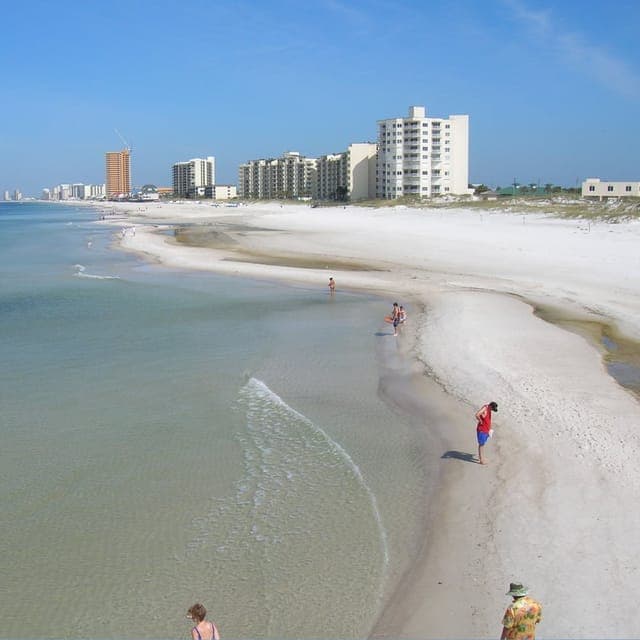
- Pro: The beach is genuinely accessible. Unlike Destin, where traffic and crowds can be brutal, Fort Walton Beach’s public beach access points are less packed, and parking is easier to find. You can be on the sand in under 10 minutes from most neighborhoods.
- Pro: The cost of living is manageable. With a cost of living index of 107 (just above the national average) and a median home value of $296,000, it’s more affordable than Destin or Santa Rosa Beach. You can still find a decent three-bedroom house under $350,000 in a safe neighborhood.
- Con: The weather has a dark side. Summer is hot, humid, and buggy, and hurricane season (June through November) is a real concern. Locals know the drill—stock up on water, have a generator, and keep an eye on the cone. The violent crime rate is 166.8 per 100,000, which is below the national average, but property crime in tourist-adjacent areas can be an issue.
- Con: It’s not a career hub outside the military. If you’re not in defense, healthcare, or tourism, job options are limited. The 27.8% college-educated rate reflects that many residents are either military or retired; white-collar professionals often commute to Pensacola or work remotely.
- Pro: The schools are a community anchor. Okaloosa County schools are generally well-regarded, and parents are involved. The school system is a major reason families choose to stay after their military service ends.
- Con: Tourist season changes everything. From March through September, traffic on Highway 98 can double your commute. Locals learn to avoid the beach road on weekends and plan errands around the tourist flow.
Fort Walton Beach isn’t trying to be a trendy destination—it’s a working waterfront town with a military backbone and a deep appreciation for the simple things. The kind of person who fits in here is someone who values routine, doesn’t mind humidity, and understands that the best part of living on the coast isn’t the vacation—it’s the everyday. If you’re a single professional or a parent looking for a safe, affordable place with good schools and a strong sense of community, this is a city that rewards patience and roots. Just bring a good pair of sunglasses and a hurricane plan.

Similar towns to Fort Walton Beach

* Values derived from national, state, county, city and local statistics and may differ in a specific area. Last updated: 2026-04-19T06:58:07.000Z
Narrative content on this page is AI-generated and may contain mistakes. Verify any details that matter before acting on them.
ReloMaps may earn a commission from affiliate links at no extra cost to you.

