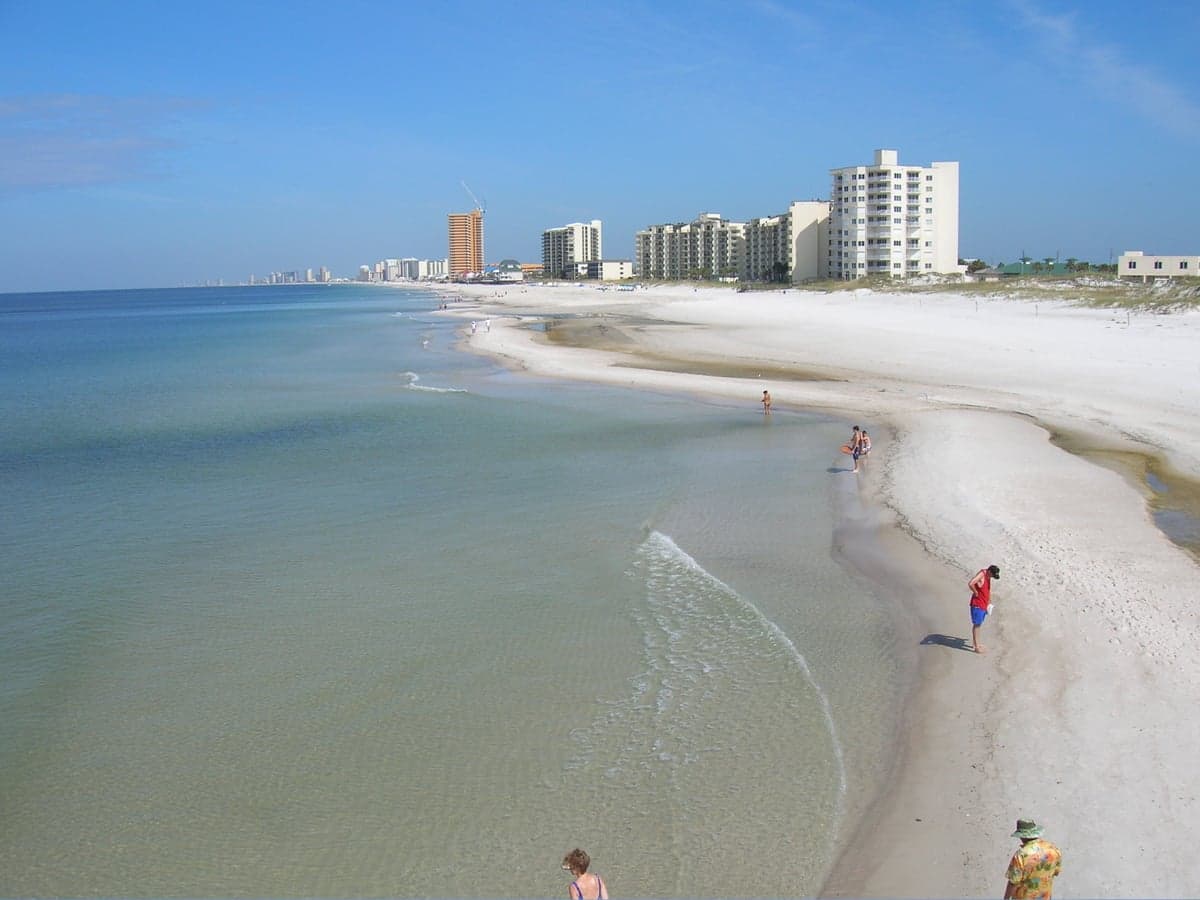
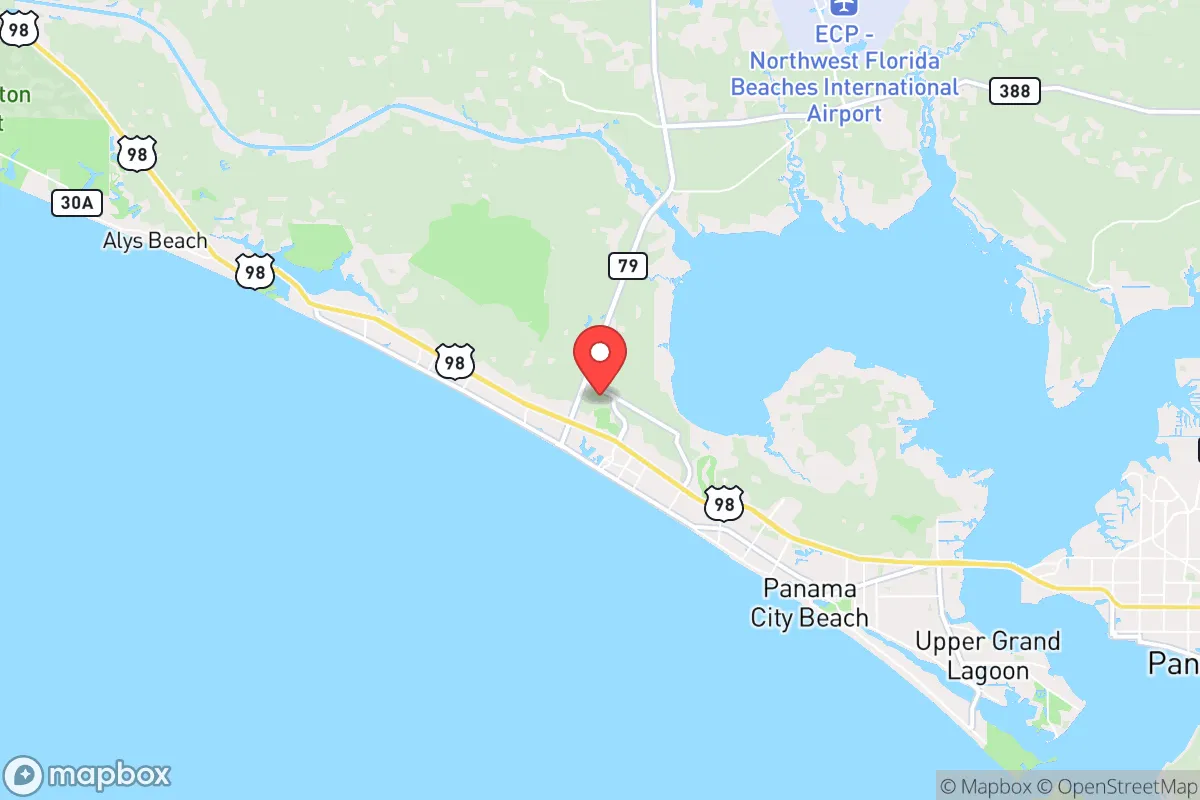
Photo: Wikipedia
Find The Best Places To Live
in Panama City Beach
PRO TIP! You can paste a Zillow or Redfin link to get info on that property.
What It's Like Living in Panama City Beach, FL
Panama City Beach is a place that lives by the rhythm of the tides and the roar of spring break, but the 18,493 year-round residents know a quieter, more practical side. It’s a community where the median age of 45.2 suggests a mix of retirees and established families, not just party crowds, and where the cost of living index of 149 (well above the US average of 100) means you’re paying a premium for that Gulf-front address. The vibe is less “permanent vacation” and more “working hard to enjoy the weekends,” with a distinct identity shaped by tourism, fishing, and a fierce local pride that doesn’t always match the postcard image.
The Daily Rhythm: More Than Just Beach Time
For locals, daily life in Panama City Beach isn’t about lying on the sand every afternoon—it’s about navigating the seasonal ebb and flow. From March through August, traffic on Front Beach Road can turn a 10-minute errand into a 40-minute crawl, and the average commute of just under 24 minutes often feels longer during peak tourist weeks. Year-round residents learn to do their grocery shopping early, avoid the stretch near Pier Park on weekends, and know which side streets (like Back Beach Road) offer a faster route. The median household income of $78,921 supports a lifestyle that’s comfortable but not lavish, especially given the high housing costs—median home values sit at $417,800, which is steep for a city where many jobs are in hospitality, retail, or construction. You’ll find locals at places like The Shoppes at Edgewater for everyday needs, grabbing coffee at The Pour on Thomas Drive, or hitting Dat’s Good for a po’boy after work. Weekends are often spent on the water—fishing in St. Andrew Bay, kayaking in the state park, or just grilling at a friend’s house with a view of the Gulf.
Sports, Festivals, and the Local Identity
Sports here aren’t a religion the way they are in, say, Alabama or Ohio, but they have a loyal following. High school football is a big deal—Arnold High School and Mosley High School games draw solid crowds on Friday nights, and the rivalry with nearby Bay High in Panama City proper is real. There’s no major pro team in town, but you’ll see plenty of Atlanta Braves and Tampa Bay Buccaneers flags on trucks, and the Panama City Beach Sports Complex hosts youth tournaments that fill hotels in the off-season. The city’s cultural identity is tied to events like Seabreeze Jazz Festival in April, which brings thousands to Aaron Bessant Park, and the Panama City Beach Wine & Food Festival in May. The Pirates of the High Seas Festival in October is a quirky local tradition—think parades, a pirate invasion reenactment, and a lot of themed costumes. For music, Club La Vela still draws crowds for big-name DJs, but locals prefer Schooners for live bands and sunset views, or The Salty Goat Saloon for a more laid-back vibe.
The Honest Upside and Downside of Living Here
What longtime residents love most is the access—the St. Andrews State Park offers some of the best snorkeling and shelling on the Gulf, and the Conservation Park has miles of biking and hiking trails that feel a world away from the tourist strip. The violent crime rate of 166.8 per 100,000 is notably lower than the national average (around 380), which gives a sense of safety that’s rare in beach towns. But the frustrations are real. The cost of living index of 149 means everyday expenses—groceries, utilities, insurance—are higher than most of the country, and the hurricane season from June to November is a constant stressor, with evacuations and storm prep becoming an annual ritual. Only 36.8% of adults hold a college degree, which reflects a workforce tilted toward trades and service jobs rather than white-collar careers. That said, the community is tight-knit in a way that surprises newcomers—neighbors help each other board up windows before a storm, and the Panama City Beach Rescue Mission and local churches are deeply woven into daily life. The biggest cultural quirk? Locals have a love-hate relationship with spring breakers: they bring money, but also the noise and traffic that make summer feel like a siege. If you can handle the seasonal chaos and the premium prices, the trade-off is a place where the beach is never more than 15 minutes away, and the sunsets over the Gulf are free every single night.

Similar towns to Panama City Beach
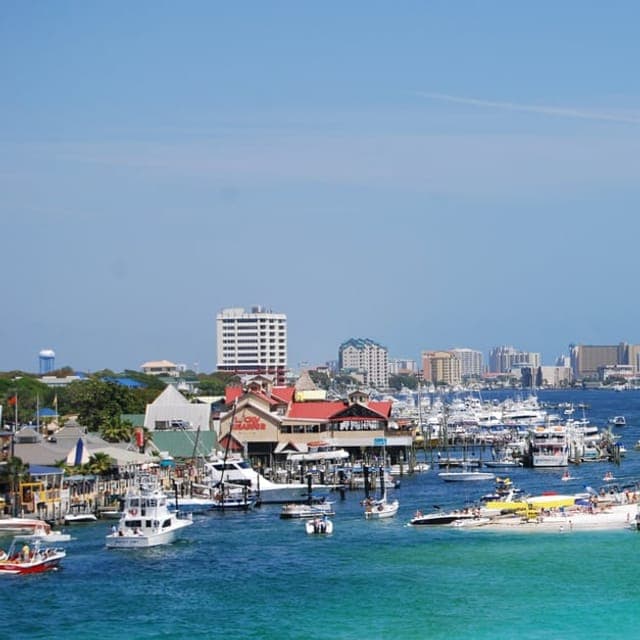

* Values derived from national, state, county, city and local statistics and may differ in a specific area. Last updated: 2026-05-13T17:02:50.000Z
Narrative content on this page is AI-generated and may contain mistakes. Verify any details that matter before acting on them.
ReloMaps may earn a commission from affiliate links at no extra cost to you.

