Demographics of Frisco, TX
Affluence Level in Frisco, TX
An upper-middle-class area. Household wealth, education levels, and homeownership run ahead of national benchmarks.
People of Frisco, TX
The people of Frisco, Texas, in 2026 form a rapidly growing, highly educated, and strikingly diverse population of 210,238. The city is defined by its blend of affluent families drawn to top-rated schools and a significant concentration of professionals working in the region's corporate and tech sectors. With 66% of adults holding a college degree and a foreign-born population of 12.9%, Frisco’s identity is less about a single heritage and more about a dynamic, achievement-oriented community where Indian and East/Southeast Asian communities are particularly prominent.
How the city was settled and grew
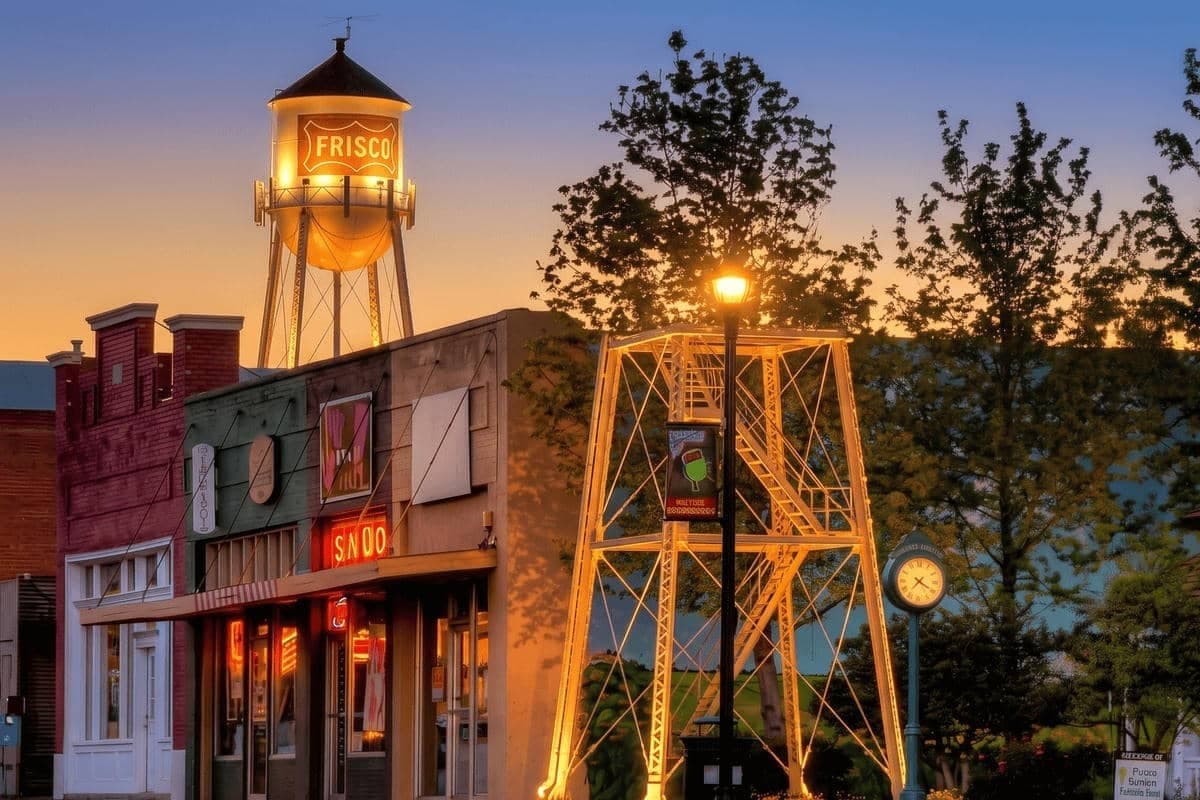
Frisco’s human history is almost entirely a story of the 20th and 21st centuries. Founded in 1904 as a railroad stop along the St. Louis-San Francisco Railway (the “Frisco” line), the city’s early population was a small, rural mix of white farmers and merchants. For its first 60 years, Frisco remained a quiet agricultural community, with a population that barely reached a few thousand. The original settlement clustered around the historic downtown area, now known as the Frisco Historic District, where the first families—largely of Anglo-American descent—built homes and businesses. This early wave was driven by land availability and the railroad’s promise of connecting local cotton and grain to wider markets.
Modern era (post-1965)
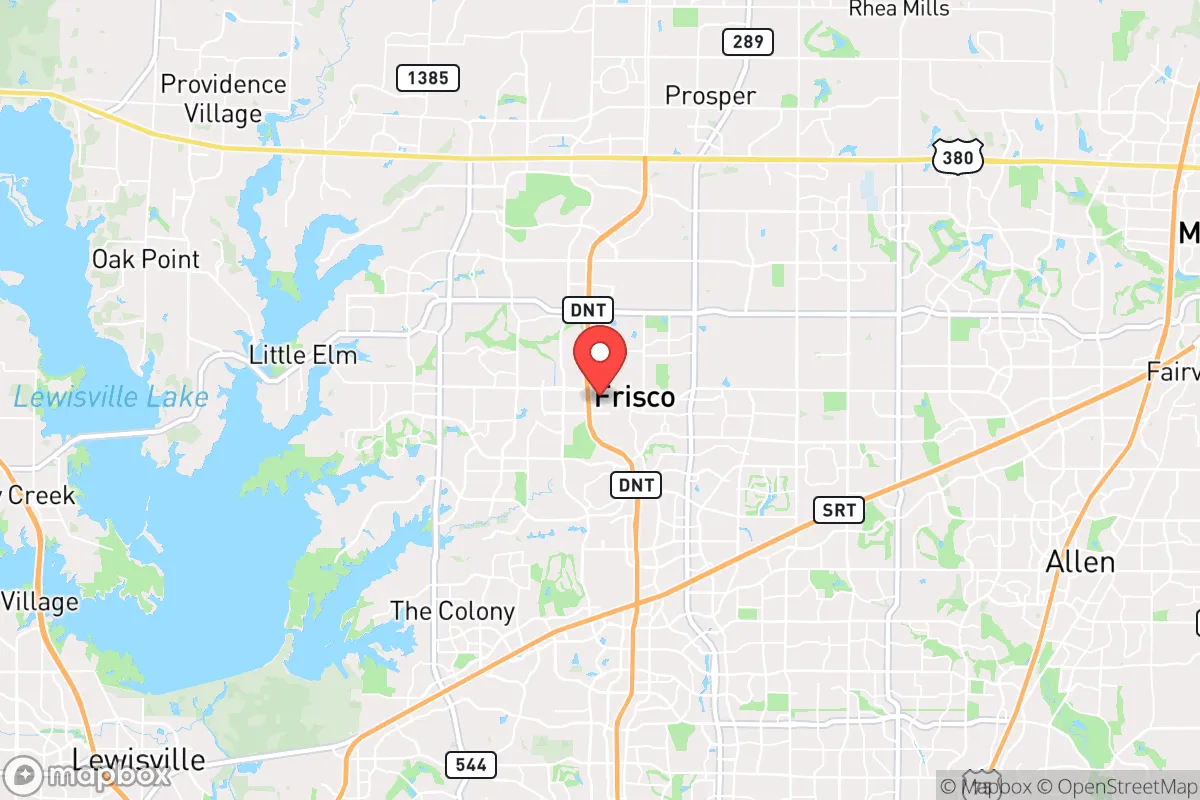
The modern transformation of Frisco’s population began in earnest after the 1965 Hart-Cellar Act, but the real surge came with the suburban boom of the 1990s and 2000s. The opening of the Dallas North Tollway in the 1990s was the single most important factor, turning Frisco from a sleepy farm town into a prime destination for corporate relocations and family-oriented suburban development. The first major wave of domestic in-migration brought white and Black families from across the Dallas-Fort Worth metroplex, settling in master-planned communities like Stonebriar and Plantation Resort. These neighborhoods, built around golf courses and new schools, attracted upper-middle-class professionals seeking space and safety.
Beginning in the 2000s, a second, more diverse wave arrived, driven by the expansion of corporate campuses—including Toyota North America’s headquarters and numerous tech firms—and the city’s reputation for excellent public schools. This period saw a dramatic influx of Indian-subcontinent professionals, many working in IT, engineering, and finance. They concentrated in newer, amenity-rich neighborhoods such as Phillips Creek Ranch and The Trails of Frisco, areas known for large homes and proximity to the tollway. Simultaneously, East/Southeast Asian communities (Chinese, Korean, Vietnamese) also grew, settling in pockets like Lakeside at Preston and parts of the Frisco Square district. The Hispanic population, while smaller at 12.7%, has been a steady presence, with families often living in older, more established areas near the historic core and in multifamily housing along the Preston Road corridor. The Black population, at 8.5%, is dispersed across the city but has notable concentrations in the newer southern sections near the border with Plano.
The future
Frisco’s population is heading toward even greater diversity and continued growth, though at a slightly moderated pace as available land for new housing diminishes. The Indian-subcontinent community, already the largest non-white group at 19.7%, is projected to remain the fastest-growing segment, driven by continued tech-sector hiring and chain migration. New developments on the city’s northern and eastern edges—such as the Fields and Panther Creek master-planned communities—are being marketed to this demographic, with homes designed for multigenerational living and proximity to new schools. The East/Southeast Asian share is also expected to rise, though more slowly, as families seek out the same school quality and suburban safety. The white population, now a plurality at 47.7%, is likely to continue its relative decline as a share of the total, even as absolute numbers grow slightly. The Hispanic and Black shares are expected to remain stable or grow modestly, with new arrivals often settling in more affordable rental and townhome developments near the southern edge of the city. Culturally, Frisco is evolving from a generic “family suburb” into a polyglot community where Indian festivals, Lunar New Year celebrations, and Hispanic heritage events are becoming mainstream. The city’s identity is increasingly defined by its schools, its sports venues (home to the Dallas Cowboys’ headquarters and FC Dallas), and its reputation as a place where high-achieving, diverse families can put down roots.
For someone moving in now, Frisco is a place where the future is already present. It is a highly educated, majority-minority suburb where professional ambition and family life are the dominant values. The city is not becoming less diverse—it is becoming more layered, with distinct ethnic enclaves dispersing across new developments rather than concentrating in a single core. The bottom line: Frisco is a destination for those who prioritize school quality, safety, and a community that reflects the globalized economy, and its trajectory points toward continued demographic complexity and economic strength.

* Values derived from national, state, county, city and local statistics and may differ in a specific area. Last updated: 2026-09-21T16:18:55.000Z
Narrative content on this page is AI-generated and may contain mistakes. Verify any details that matter before acting on them.
ReloMaps may earn a commission from affiliate links at no extra cost to you.

