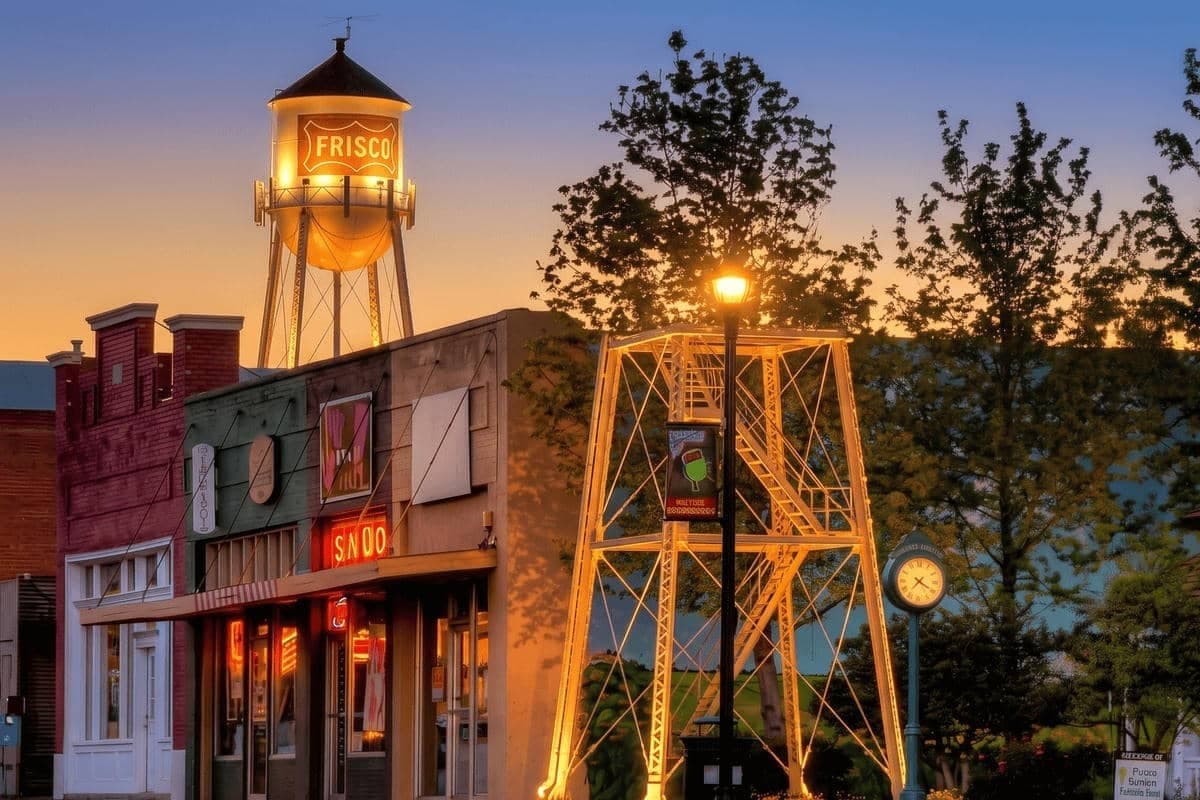
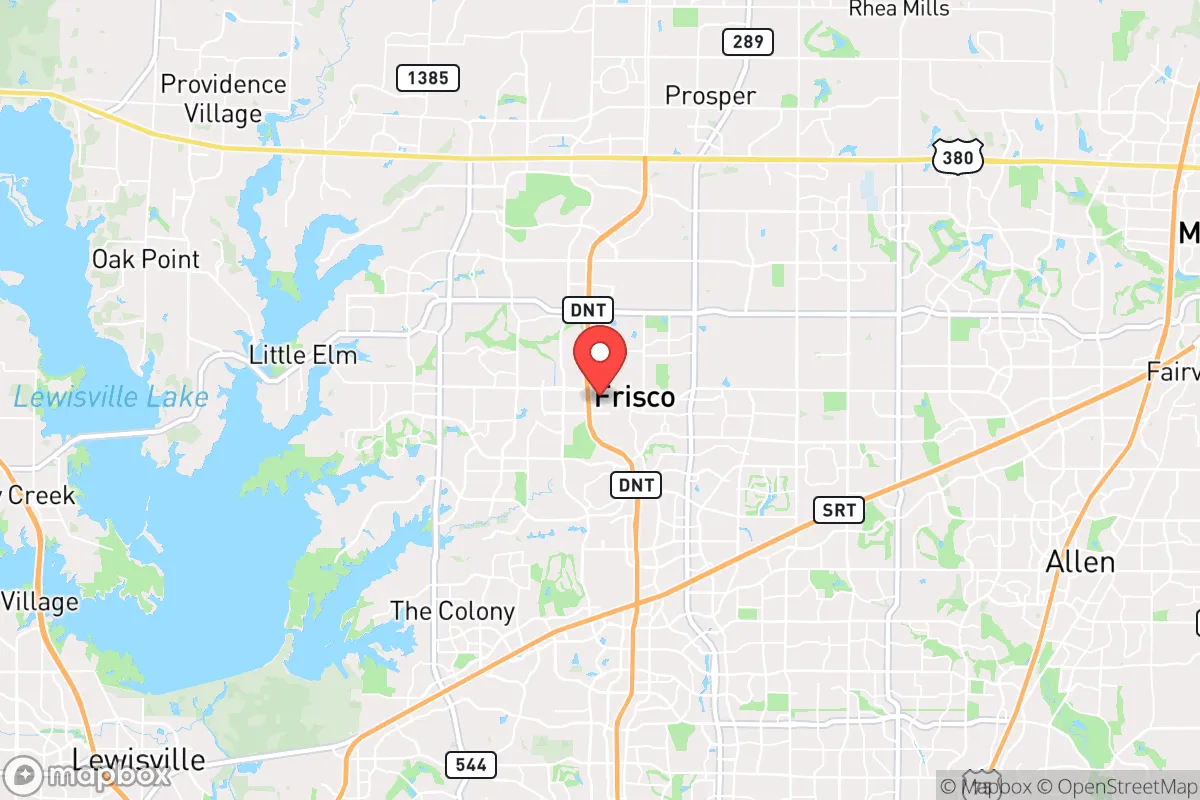
Strategic Assessment of Frisco, TX
Multiple tactical vulnerabilities. Population density, target proximity, or disaster risk are likely compounding. A retreat property and exit planning is required.
What does the Strategic Assessment tell us?
Our Strategic Assessment grades tactical survivability of an area. Major population centers, military targets, fallout zones, natural disasters, and border exposure all drive risk — lower exposure means a more defensible position in a crisis.
This is heavily inspired by Joel Skousen's Strategic Relocation book. Highly recommended you checkout the book ($)What does this tell us?
Our Strategic Assessment grades tactical survivability of an area. Major population centers, military targets, fallout zones, natural disasters, and border exposure all drive risk — lower exposure means a more defensible position in a crisis.
This is heavily inspired by Joel Skousen's Strategic Relocation book. Highly recommended you checkout the book ($)Strategic Pillars

Key Distances
Regional Safe Places
Below is our recommended "safe zones" in Texas and the surrounding area based on our strategic heuristics. For most people, it's unrealistic to live in a “safe zone” full-time due to work, family or other personal reasons. They tend to be more rural. However, many of these areas are perfect for second homes and retreat properties that double as a vacation home or even a short-term rental.

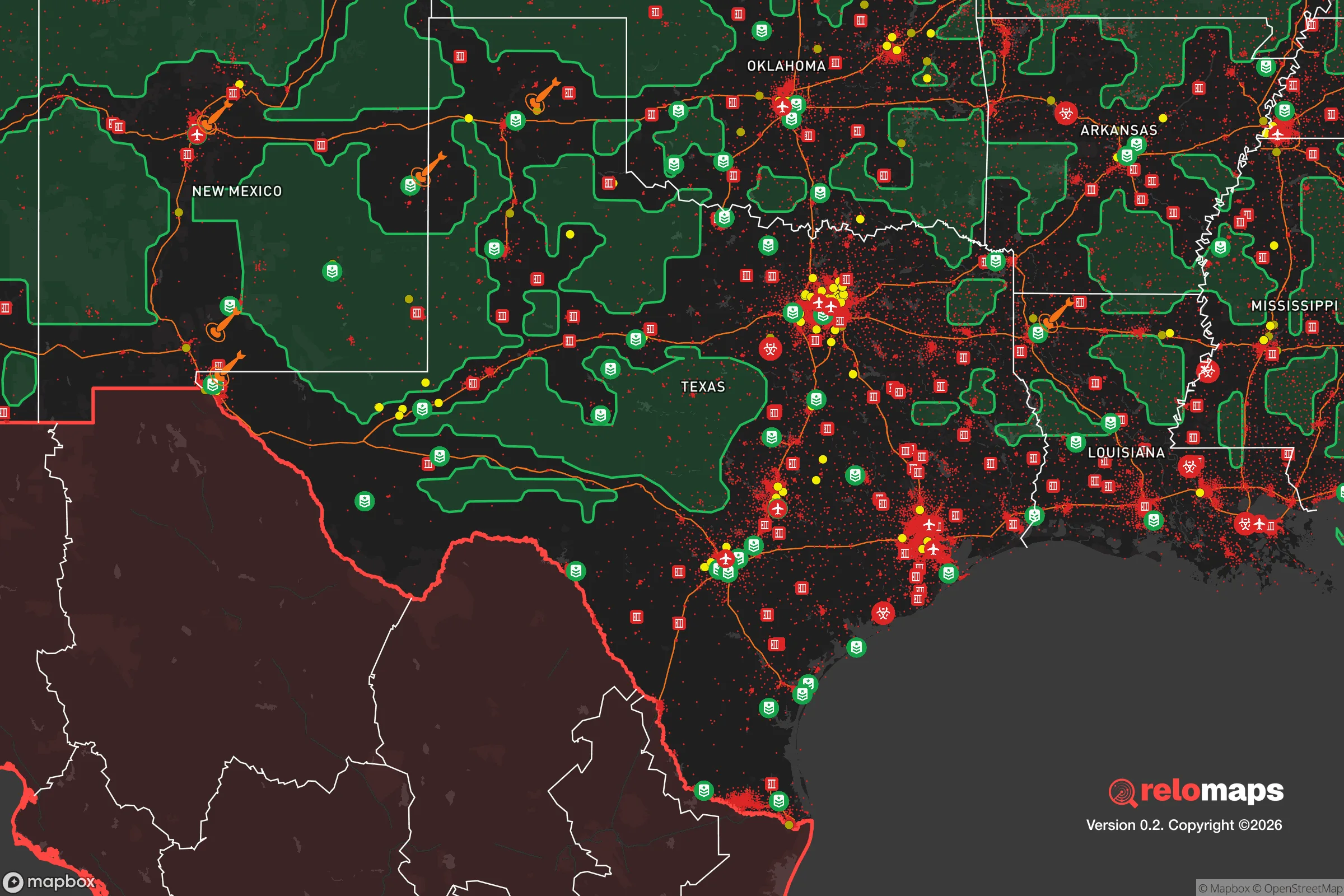


Important Note: For informational purposes only. This does not mean nothing bad ever happens in the green zones. Please use common sense. This is based on public data and modeled with AI. We tried to take a conservative approach but mistakes happen. We update this regularly as new information becomes available.
Solar Generator Recommendations
Backup power matters more here than in safer locations. We've picked three solar generators across budgets and capacity tiers — start with the budget unit if you only need a few essentials, or step up if you want to run a fridge and HVAC for days at a time.

Jackery Portable Power Station Explorer 300
Budget OptionPower on the Go: Weighing only 11 lbs, it's convenient to set up and store with book-sized foldable solar panels

BLUETTI Portable Power Station AC180
Designed for both indoor and outdoor scenarios, AC180 is highly capable as it has a robost capacity and continuous output power.

EF ECOFLOW DELTA Pro Ultra Power Station
Upgraded PickEcoFlow DELTA Pro Ultra is a whole-home energy system designed to grow with your family. Integrated with the Smart Home Panel 2, it scales to meet your evolving energy needs — keeping your home powered, intelligent, and secure through every stage of life.
We earn a commission, at no additional cost to you.
Strategic Assessment Analysis
Frisco, Texas, presents a mixed strategic picture for the relocation-minded reader focused on resilience and preparedness. While the city’s explosive growth and inland location offer some genuine advantages, its position within the sprawling Dallas-Fort Worth (DFW) metroplex introduces significant vulnerabilities that a serious prepper or disaster-conscious family must weigh. The city’s resilience is less about natural geographic fortification and more about economic and infrastructural momentum, which can be a double-edged sword in a crisis.
Geographic position and natural advantages for disaster readiness
Frisco’s primary geographic advantage is its location in North Texas, roughly 30 miles north of downtown Dallas. This places it squarely in Tornado Alley, but the area’s flat, open terrain and lack of major waterways mean it is largely immune to the catastrophic flooding, earthquakes, tsunamis, or wildfires that plague other parts of the country. The region’s geology—stable limestone and clay over a deep granite base—provides a solid foundation that is not prone to liquefaction or seismic activity. The climate is continental, with hot summers and occasional winter ice storms, but the risk of a prolonged power outage from a single weather event is moderate compared to coastal hurricane zones. The city’s elevation, around 750 feet above sea level, offers no defensive high ground but also no floodplain risk. For a relocator, the key takeaway is that Frisco avoids the most dramatic natural disaster categories, but it is not a fortress—it is a flat, exposed plain that can be swept by severe thunderstorms and tornadoes with little warning.
Risks, exposures, and proximity to fallout-relevant landmarks
The most significant risk for Frisco is its location within the DFW metroplex, a population center of over 7.5 million people. In a major disaster—whether natural, economic, or man-made—this density becomes a liability. Frisco is surrounded by other rapidly growing suburbs (Plano, McKinney, Allen, Little Elm) and is less than 40 miles from DFW International Airport, a major transportation hub and potential target in a conflict scenario. The city is also within 50 miles of the Pantex nuclear weapons assembly plant near Amarillo (though that is a secondary concern) and within 100 miles of several major military installations, including Naval Air Station Joint Reserve Base Fort Worth and the Red River Army Depot. In a grid-down or societal collapse event, the sheer number of people competing for resources along the I-35 and Sam Rayburn Tollway corridors would be a critical disadvantage. Frisco’s population has surged from under 50,000 in 2000 to over 200,000 today, meaning the area has little rural buffer and is heavily dependent on just-in-time supply chains. The city’s proximity to major highways (Dallas North Tollway, US-380, and the future SH 121) makes it a natural chokepoint for evacuation or supply movement, but also a target for looting or civil unrest in a prolonged crisis. For the prepper, the risk is not a single bomb but the cascading effects of a regional disruption—fuel shortages, food distribution failures, and mass migration from Dallas proper.
Practical resilience for a relocator: food, water, energy, and defensibility
Frisco’s practical resilience is a mixed bag. The city’s water supply comes from the North Texas Municipal Water District, which draws from Lake Texoma, Lake Lavon, and the Trinity River basin. This is a robust system, but it is also a centralized, above-ground infrastructure vulnerable to contamination, drought, or sabotage. The area has experienced drought conditions in recent years, and while Frisco is not in a desert, the water table is deep and private wells are rare within city limits. For a relocator, a backup water storage plan is essential—a 55-gallon drum per person is a minimum, and a Berkey or similar filter is a must. Food resilience is weak: Frisco is a suburban bedroom community with no significant agricultural land. The nearest working farms are in Collin County’s rural fringe, but most are small-scale. The city’s grocery stores (HEB, Kroger, Walmart) are heavily reliant on truck deliveries, and a prolonged supply chain disruption would empty shelves within 72 hours. Community gardens and farmers’ markets exist but are not a survival-level resource. Energy resilience is moderate: Oncor Electric Delivery provides power, and the Texas grid (ERCOT) is notoriously independent and has failed during winter storms (2021) and summer heat waves. Solar panels with battery backup are a viable option here, as Frisco averages 234 sunny days per year, but HOA restrictions can be a hurdle. Natural gas is widely available for heating and cooking, but a grid-down scenario would still require a generator for well pumps or refrigeration. Defensibility is poor: Frisco is a sprawling, low-density suburb with no natural barriers, no defensible perimeter, and a police force designed for traffic enforcement and property crime, not civil defense. The city’s layout—curving cul-de-sacs and strip malls—makes it easy to navigate for outsiders and hard to secure. For a relocator, the best strategy is to live on the northern or eastern edge of Frisco, closer to the rural areas of Collin County, where a few acres and a well can provide a buffer. Joining a local preparedness group or church-based mutual aid network is strongly recommended, as individual survival in a dense suburb is nearly impossible without community support.
The overall strategic picture for Frisco is one of calculated trade-offs. It offers a low probability of natural mega-disasters, a strong local economy, and access to world-class medical facilities (Baylor Scott & White, Children’s Health) that are a genuine asset in a health emergency. But its dependence on centralized infrastructure, its location in a high-density metroplex, and its lack of defensible terrain make it a poor choice for a long-term bug-out location or a self-sufficient homestead. For the relocator who wants to be near a major city for work and amenities but is serious about preparedness, Frisco works best as a “gray man” location—a place to blend in while quietly building supplies, skills, and a network. The wise move is to treat Frisco as a base for economic opportunity, not a fortress. If the grid goes down for more than two weeks, the smart play is to leave Frisco for a rural retreat in eastern Oklahoma or the Texas Hill Country, not to hunker down in a subdivision. For the family that can afford both a home in Frisco and a small piece of land elsewhere, this area can be a viable part of a layered preparedness plan. For the single individual or family expecting to ride out a major crisis in their suburban home, the risks likely outweigh the rewards.

* Values derived from national, state, county, city and local statistics and may differ in a specific area. Last updated: 2026-09-21T16:18:55.000Z
Narrative content on this page is AI-generated and may contain mistakes. Verify any details that matter before acting on them.
ReloMaps may earn a commission from affiliate links at no extra cost to you.

