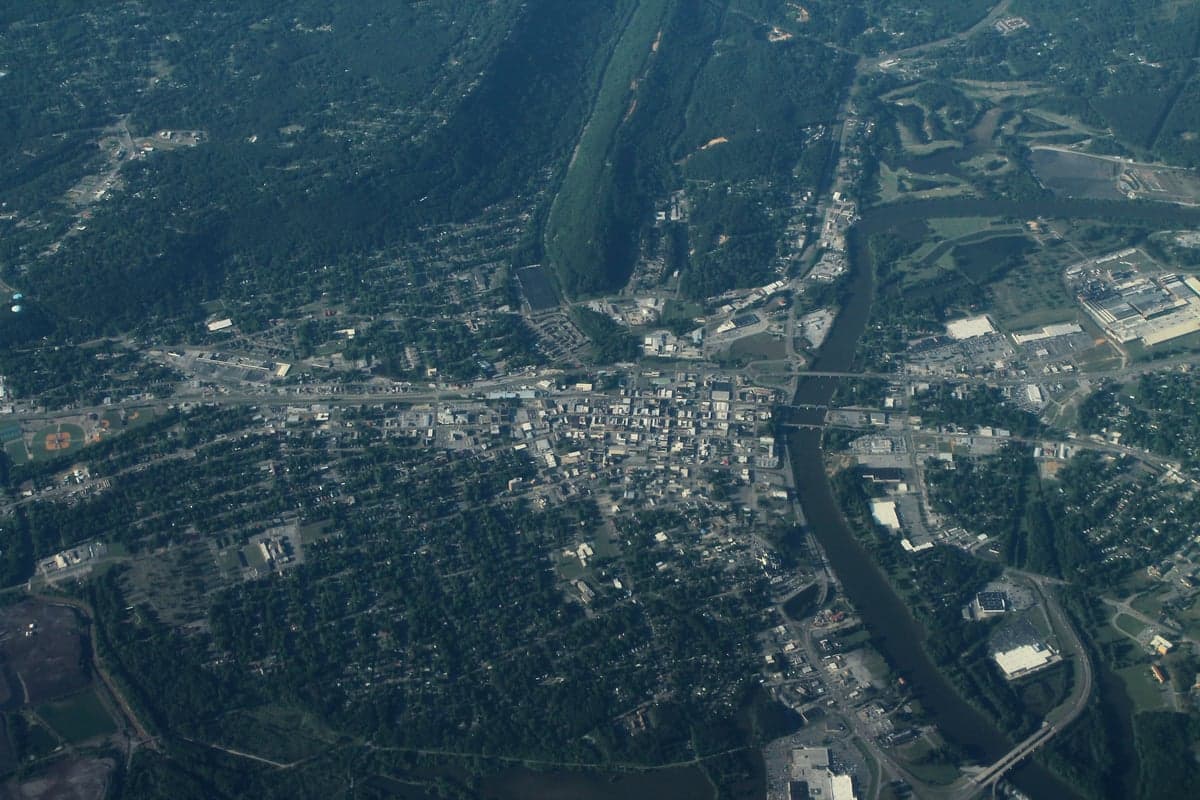
Photo: Wikipedia
Political ClimatePolitical Climate in Gadsden, AL
District shown is the primary district for this city’s centroid. Cities may span multiple districts.
Local Political AnalysisPolitical Analysis of Gadsden, AL
Gadsden, Alabama, is about as solidly conservative as it gets, with a Cook PVI of R+23 that puts it deep in the red column. That number isn't just a statistic—it reflects a community that has consistently voted for limited government, lower taxes, and a hands-off approach to personal freedoms. For decades, this area has been a stronghold for traditional values, and while the rest of the country seems to be shifting left, Gadsden has held the line. The political trajectory here is one of steady, quiet resistance to the progressive wave sweeping through many parts of the nation, and most folks I know see that as a good thing.
How it compares
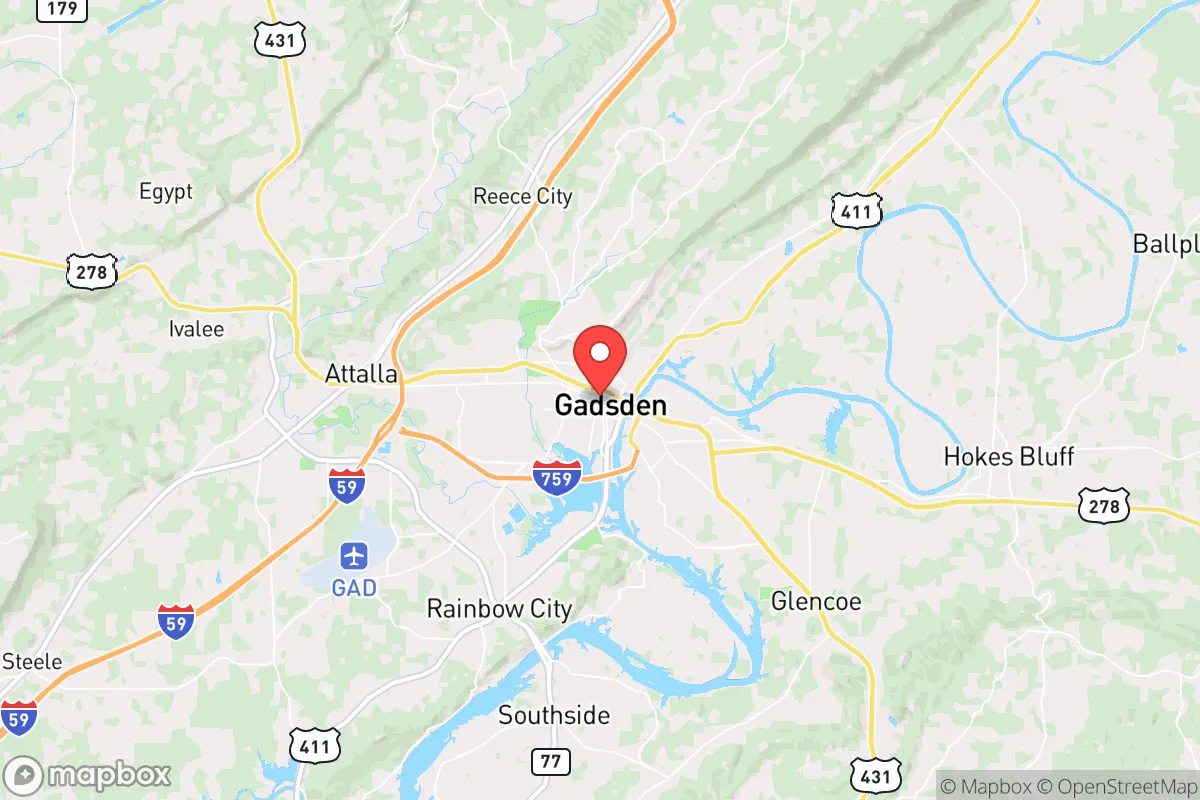
When you look at the surrounding areas, the contrast is pretty stark. Drive 30 minutes south to Anniston, and you'll find a more mixed political landscape, with a Cook PVI of R+15—still conservative, but noticeably less so than Gadsden. Head over to Birmingham, about an hour away, and you're in a completely different world: a Democratic stronghold with a PVI of D+28. That's the kind of place where you see city councils pushing for higher taxes, stricter regulations, and policies that feel like government overreach into everyday life. Gadsden, by contrast, has managed to avoid that kind of drift. The local leadership here tends to focus on keeping things simple—protecting Second Amendment rights, resisting zoning overreach, and keeping property taxes low. It's a place where you can still have a conversation with your neighbor without worrying about being labeled for your beliefs.
What this means for residents
For the people living here, the political climate translates into a daily life that feels a lot more free than in many other parts of the state. You don't have to worry about the city telling you what you can and can't do with your own property, or about excessive fees and permits for simple things like building a shed or running a small business from home. The school board here has been pretty resistant to the kind of curriculum changes you see in more progressive districts, and there's a general sense that local control matters more than state or federal mandates. That said, there's always a concern about the long-term trend. As more people move in from places like Birmingham or even out-of-state, there's a risk that the political balance could shift. I've seen it happen in smaller towns nearby—places like Rainbow City or Southside—where a few new faces with big ideas start pushing for changes that don't sit well with the old guard. So far, Gadsden has held firm, but it's something to keep an eye on.
One thing that sets Gadsden apart is its cultural identity. This is a town where church attendance is still high, where the local paper runs editorials about fiscal responsibility, and where the annual Riverfest feels more like a family reunion than a political rally. There's a strong sense of community here that doesn't rely on government programs to function. People take care of their own, and they expect the same from their elected officials. The biggest policy distinction is probably the tax structure—Gadsden's property taxes are among the lowest in the state, which is a big draw for families and retirees alike. If you're looking for a place where the government stays out of your way and lets you live your life, this is it. Just don't expect it to stay that way forever if the progressive trends keep creeping in from the cities.

State Political ClimatePolitical Climate in Alabama
State Political AnalysisPolitical Environment in the State
Alabama has been a reliably red state for decades, with a Republican lean that has only deepened since the early 2000s. The state hasn't voted for a Democratic presidential candidate since 1976, and in 2024, Donald Trump carried it by roughly 30 points. The dominant coalition is a mix of rural conservatives, evangelical Christians, and suburban voters who have shifted rightward since the 2010 midterms. Over the last 20 years, the state has moved from a competitive "yellow dog" Democratic tradition in local races to a solidly GOP-controlled legislature and statewide offices, with Republicans holding supermajorities in both chambers since 2016.
Urban vs. rural divide
The political map of Alabama is starkly divided between its few urban centers and the vast rural countryside. The largest metro, Birmingham (Jefferson County), is a Democratic stronghold, delivering about 60% of its vote to Joe Biden in 2020. However, the surrounding suburbs—places like Hoover, Vestavia Hills, and Mountain Brook—are reliably Republican, often voting 70% or more for GOP candidates. The state capital, Montgomery, and the Black Belt counties (like Dallas and Lowndes) are also heavily Democratic, driven by African American voters who make up a significant portion of the electorate. In contrast, the northern part of the state—cities like Huntsville, Decatur, and Florence—is deeply conservative, with Huntsville's growth fueled by defense and aerospace jobs attracting a politically moderate but still GOP-leaning population. The rural counties in south Alabama, such as Baldwin and Mobile, are also solidly red, with Mobile County flipping from blue to red in the 2010s. The key takeaway: if you're looking for a politically like-minded community, stick to the suburbs and smaller cities outside of Birmingham and Montgomery.
Policy environment
Alabama's policy environment is one of the most conservative in the nation, which is a major draw for those seeking limited government. The state has no state income tax on retirement income, and the overall tax burden is low—property taxes are among the lowest in the country, averaging about 0.4% of home value. There is no state-level rent control, and business regulations are minimal, with a right-to-work law on the books. Education policy has shifted toward school choice: the Alabama Accountability Act allows tax credits for private school tuition, and in 2024, the legislature expanded the state's charter school law and created a new Education Savings Account program for families. Healthcare policy is limited—Medicaid expansion has been repeatedly rejected, keeping the state's uninsured rate higher but also keeping government out of healthcare decisions. Election laws are strict: voter ID is required, early voting is limited to absentee ballots only, and the state has purged inactive voter rolls regularly. For a conservative, this is a state where the government largely stays out of your wallet and your life, though local school boards and county commissions can vary widely in their approach.
Trajectory & freedom
Alabama has been moving in a direction of expanded personal freedom over the last decade, particularly on gun rights and parental rights. In 2022, the state passed permitless carry (constitutional carry), allowing any law-abiding adult to carry a concealed firearm without a permit. The same year, the legislature passed the "Alabama Parental Rights Act," which requires schools to notify parents of any curriculum changes and allows them to opt their children out of lessons they find objectionable. In 2023, the state banned gender-affirming care for minors and prohibited transgender athletes from competing in girls' sports. Property rights were strengthened with the passage of a law limiting the use of eminent domain for private economic development. On the tax front, the state has gradually reduced the state sales tax on groceries (from 4% to 3% in 2023) and eliminated the state income tax on overtime pay in 2024. However, there are concerns: the state's heavy reliance on sales taxes (which are regressive) and the lack of a broad-based tax reform mean that local governments often raise property taxes or impose special assessments. Overall, the trajectory is toward more individual liberty, but the pace is slow and incremental.
Civil unrest & political movements
Alabama has seen relatively little civil unrest compared to other states, but there are notable flashpoints. The most visible political movements are on the right: the Alabama Citizens for Life and the Alabama Rifle Association are active, and the state has seen a surge in county-level "Second Amendment Sanctuary" resolutions—over 30 counties have passed them since 2020. On the left, the Poor People's Campaign and Black Lives Matter have held protests in Birmingham and Montgomery, but these are small and localized. Immigration politics are less heated than in border states, but the state passed a strict anti-sanctuary city law in 2024, requiring local law enforcement to cooperate with ICE. Election integrity has been a hot topic: after the 2020 election, the state legislature passed a law banning ballot drop boxes and limiting absentee ballot assistance, which was challenged in court but upheld. The most visible flashpoint for a new resident would be the ongoing debate over Confederate monuments and school names, particularly in Birmingham and Mobile, where local governments have removed statues over state-level objections. For a conservative, these are signs that the state's cultural battles are real but manageable, and the political infrastructure is firmly on your side.
Projection
Over the next 5-10 years, Alabama is likely to become even more conservative, driven by two demographic trends. First, the state is seeing significant in-migration from blue states like California and Illinois, particularly to Huntsville and the Gulf Coast (Gulf Shores, Orange Beach). These newcomers tend to be politically moderate to conservative, often fleeing high taxes and regulations in their home states. Second, the rural population is aging and shrinking, but the suburban growth in places like Madison, Auburn, and Hoover is solidifying GOP dominance. The Black Belt counties are losing population, which reduces the Democratic base. The state's legislature will likely continue to pass school choice expansion, tax cuts, and gun rights protections. The only wild card is the growing Hispanic population in north Alabama (especially around Albertville and Cullman), which could shift the political calculus if they vote more Democratic. But for now, the projection is clear: Alabama will remain a deeply red state, with a policy environment that prioritizes personal freedom, low taxes, and limited government. If you move here now, expect to find the same political climate in a decade—just with better roads and more people.
Bottom line for a new resident: Alabama offers a political environment where your rights are respected, your taxes are low, and your voice matters. The state is not perfect—local school boards can be bureaucratic, and the sales tax is high—but the overall trajectory is toward more freedom, not less. If you're looking for a place where the government stays out of your business and your family's life, Alabama is a solid bet. Just pick a suburb or a smaller city like Huntsville or Auburn, and you'll find a community that shares your values.
* Values derived from national, state, county, city and local statistics and may differ in a specific area. Last updated: 2026-04-19T18:52:08.000Z
Narrative content on this page is AI-generated and may contain mistakes. Verify any details that matter before acting on them.
ReloMaps may earn a commission from affiliate links at no extra cost to you.

