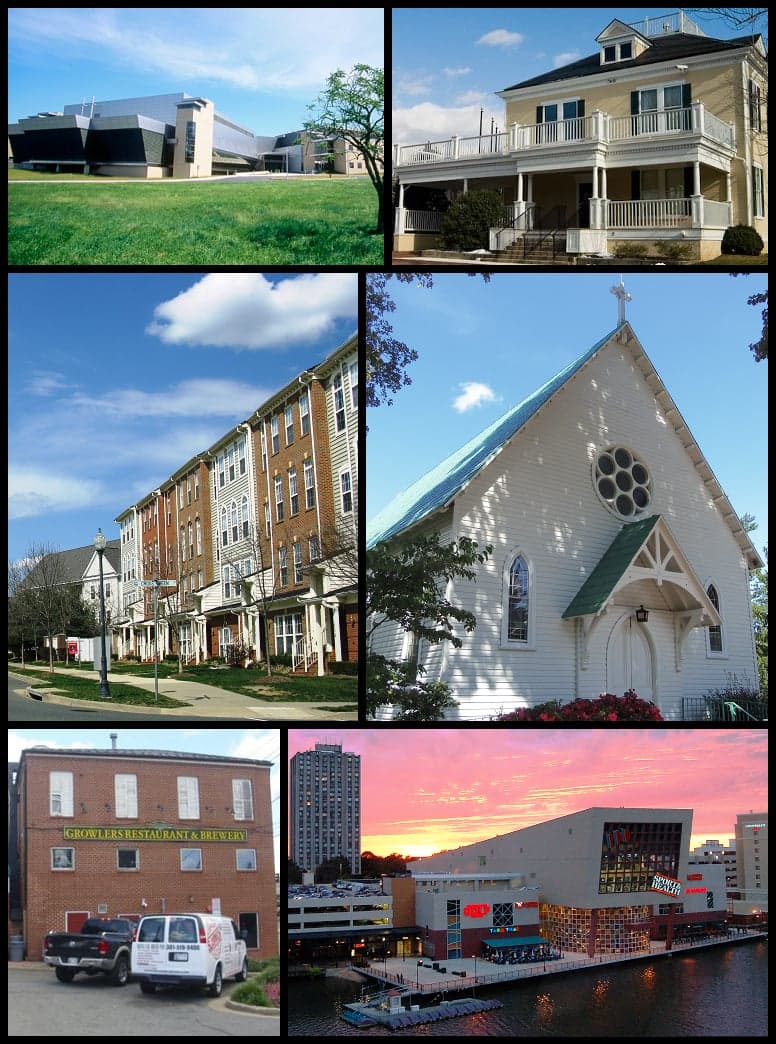
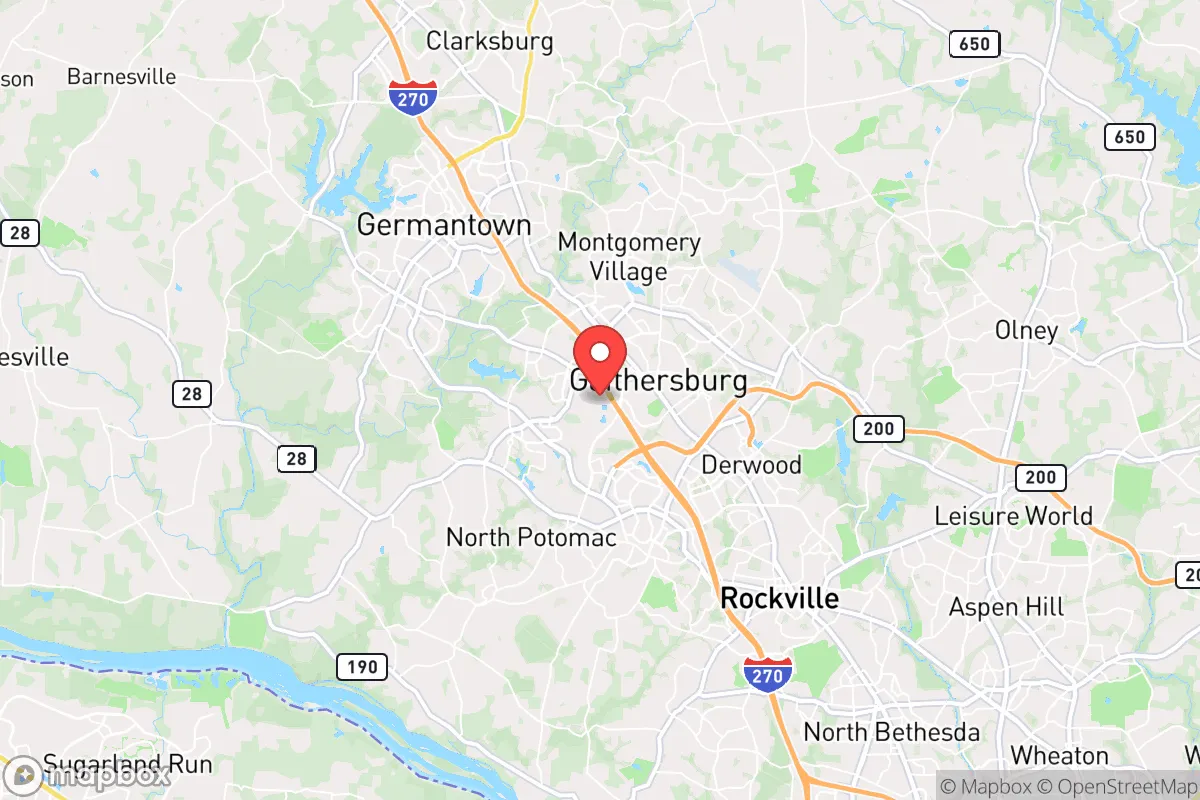
Photo: Wikipedia
Quality of Life in Gaithersburg, MD
Above-average quality of iife. The area offers a reasonable cost of living, decent mobility, and a mix of neighborhood amenities.
What does Quality of Life tell us?
Quality of Life blends cost of living, nearby amenities, socioeconomic signals, and neighborhood character. City-level scores represent the whole municipality; individual neighborhoods can differ.
What does this tell us?
Quality of Life blends cost of living, nearby amenities, socioeconomic signals, and neighborhood character. City-level scores represent the whole municipality; individual neighborhoods can differ.
Cost of Living
72% above national average
The Real Cost of Living in Gaithersburg, MD for 2026
| Tier | Individual | Family (4) |
|---|---|---|
| Survival | $32k | $60k |
| Comfortable | $94k | $138k |
| Luxury | $188k+ | $291k+ |
| Elite (Top 5%) | $221k+ | $343k+ |
78%
The Area Signal
A metric tracking the socioeconomic signals of the area.
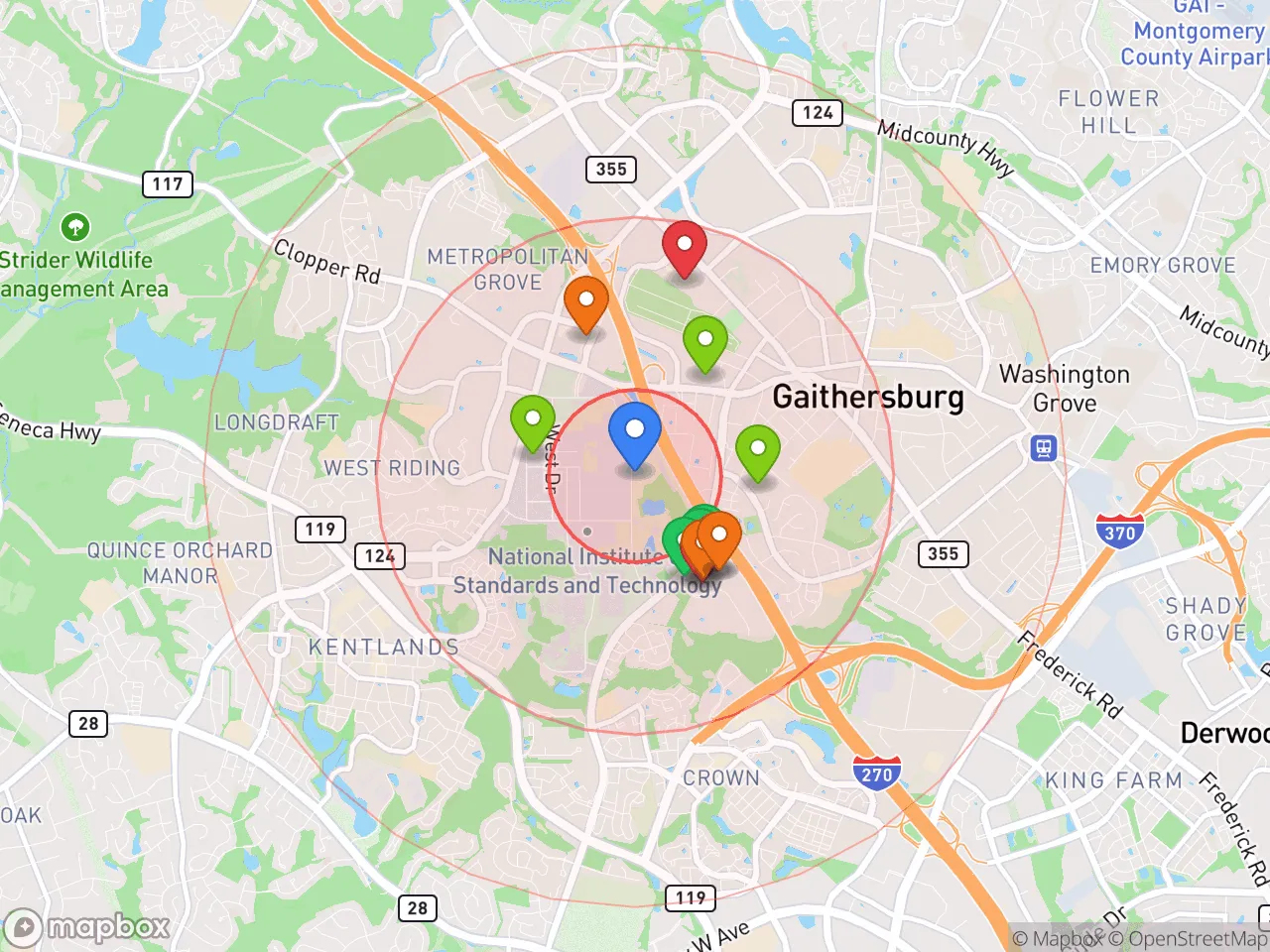
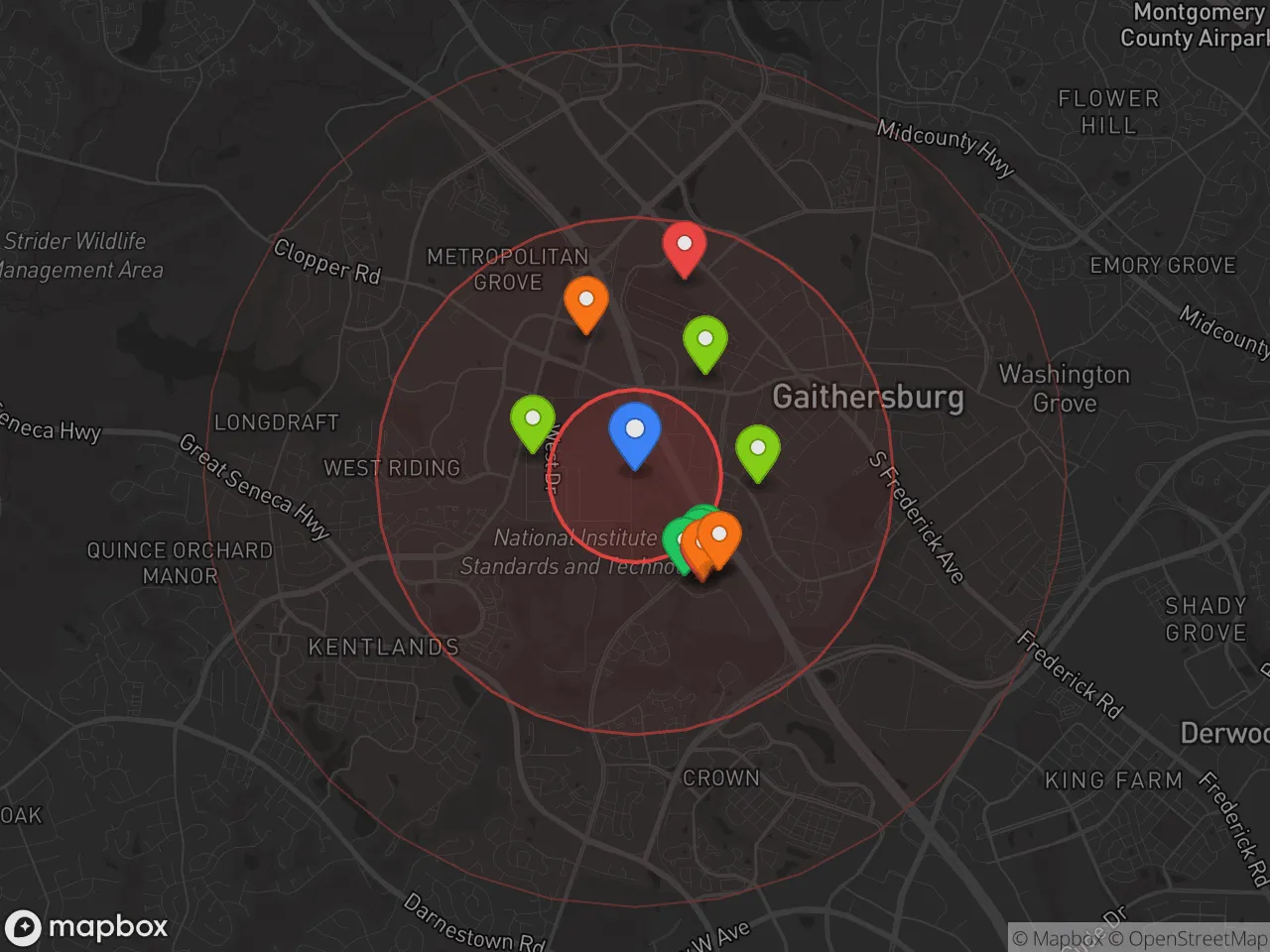
Hobbies
Explore the areaGroceries
0 within 10 miles
Gas
0 within 10 miles
Hospital
0 within 20 miles
Airport
IAD — Washington Dulles International
Post Office
Critical Amenities
Quality-of-Life Analysis
Gaithersburg, Maryland, presents a quality of life defined by affluence and diversity, with a cost of living index of 172 (72% above the U.S. average) that reflects its position as a prosperous Washington, D.C., suburb. The city’s population of roughly 70,000 is notably well-educated and multicultural—over 40% of residents hold a bachelor’s degree or higher, and more than a third were born outside the United States. This blend of high-income professionals, many employed in the nearby biotech and federal sectors, and a rich immigrant tapestry creates a community that is both economically dynamic and culturally vibrant.
Cost of living, housing, and affordability compared to D.C. and Bethesda
Gaithersburg’s housing market is expensive but offers relative value compared to closer-in suburbs. The median home value of $484,500 is roughly $100,000 less than the Montgomery County median and about $200,000 below Bethesda’s typical price. Median rent sits at $2,008, which is competitive for the region—$300–$500 cheaper than comparable units in Rockville or Silver Spring. However, the overall cost of living index of 172 means everyday expenses like groceries, utilities, and transportation run well above national norms. The average commute of 29.2 minutes is slightly shorter than the D.C. metro average, thanks to Gaithersburg’s access to I-270 and the MARC Brunswick Line, though traffic on the I-270 corridor remains a daily frustration. For buyers, property taxes in Montgomery County hover around 1.1% of assessed value, adding roughly $5,300 annually on a median-priced home—a significant but manageable burden for dual-income professional households.
Schools, parks, and daily life for families and professionals
Daily life in Gaithersburg centers on its strong public school system, part of the highly rated Montgomery County Public Schools. Notable schools include Gaithersburg High School, which offers an International Baccalaureate program, and the STEM-focused Rachel Carson School. The city also boasts over 30 parks, including the 125-acre Seneca Creek State Park with its lake and hiking trails, and the Crown Farm development’s new town green and splash pad. For errands and dining, the Rio Lakefront and Washingtonian Center provide a mix of chain retailers, local restaurants, and a movie theater, while the Olde Towne district offers independent shops and ethnic eateries reflecting the city’s Salvadoran, Ethiopian, and Korean communities. Crime rates are moderate—property crime runs about 20% above the national average, but violent crime is below the U.S. median—and the city’s police department maintains a visible presence. The rhythm of life is suburban but not sleepy: weekends see families at the Gaithersburg Farmers Market or the annual Oktoberfest, while weekdays bring a steady flow of commuters heading south toward D.C. or north to Frederick.
Gaithersburg is best suited for professionals and families who prioritize strong schools, cultural diversity, and proximity to D.C. jobs over low housing costs. The city works well for dual-income households earning above $120,000 annually, who can absorb the high cost of living while enjoying the area’s amenities and short commute relative to outer suburbs. Retirees on fixed incomes may find the expenses challenging, and singles seeking a vibrant nightlife or urban density will likely prefer D.C. proper. For those who value a well-resourced, multicultural community with solid public services and easy access to the nation’s capital, Gaithersburg offers a compelling balance of suburban comfort and metropolitan opportunity.

Crime in Gaithersburg, MD
Generally safer than 73% of comparable U.S. locations.
Violent CrimeViolent Crime Analysis
Property CrimeProperty Crime Analysis
Crime Analysis
Gaithersburg, Maryland, reports a violent crime rate of 351.4 incidents per 100,000 residents and a property crime rate of 1,814.9 per 100,000. These figures place the city above national averages, and the local safety picture is further complicated by the broader criminal justice environment in Montgomery County, which includes progressive prosecutors and judges. For those considering relocation, understanding how these crime rates compare to state and national benchmarks—and how local policies may influence public safety—is essential.
Crime in context
Gaithersburg’s violent crime rate of 351.4 per 100,000 is roughly double the national average of 380 per 100,000 when adjusted for population, and significantly higher than the Maryland state average of approximately 470 per 100,000. Property crime in Gaithersburg, at 1,814.9 per 100,000, also exceeds the national average of about 1,954 per 100,000 but is slightly below the state average. However, these numbers must be viewed through the lens of Montgomery County’s criminal justice policies. The county’s State’s Attorney’s Office, led by a progressive prosecutor, has implemented policies such as declining to prosecute certain low-level offenses and emphasizing diversion programs over incarceration. While intended to reduce recidivism, critics argue these approaches result in more offenders remaining on the street, directly undermining deterrence and public safety. This ideological stance is a key factor for readers to weigh, as it can embolden repeat offenders and erode trust in the justice system.
What residents experience
Residents report that property crime—particularly theft from vehicles, package theft, and occasional burglaries—is the most common safety concern in daily life. Gaithersburg’s dense suburban layout, with mixed-use developments and large apartment complexes, creates opportunities for property crime, especially in areas near the Shady Grove Metro station and along the I-270 corridor. Violent crime, while less frequent, includes aggravated assault and robbery, often concentrated in specific commercial zones or late-night hours. The presence of progressive district attorneys in Montgomery County means that even when arrests are made, lenient plea deals or early release are common, which can leave victims feeling justice is incomplete. For families and professionals, this translates to a heightened sense of vulnerability, as the legal system’s focus on offender rehabilitation may not adequately prioritize victim protection or community safety.
Neighborhood-level variation is notable. Areas like Kentlands and Lakelands, with higher home values and active homeowners’ associations, report lower crime rates and stronger police-community partnerships. In contrast, neighborhoods near the Olde Towne district and along Route 355 experience higher rates of both property and violent crime. Prospective residents should examine block-level crime maps and consider that progressive justice policies apply countywide, meaning even safer neighborhoods are not insulated from the broader systemic risks. Ultimately, Gaithersburg offers a mixed safety profile where local vigilance and neighborhood choice matter, but the overarching judicial philosophy remains a persistent concern for those prioritizing security.
* Values derived from national, state, county, city and local statistics and may differ in a specific area. Last updated: 2026-04-22T02:59:45.000Z
Narrative content on this page is AI-generated and may contain mistakes. Verify any details that matter before acting on them.
ReloMaps may earn a commission from affiliate links at no extra cost to you.

