Photo: Wikipedia
Quality of Life in Garland, TX
Above-average quality of iife. The area offers a reasonable cost of living, decent mobility, and a mix of neighborhood amenities.
What does Quality of Life tell us?
Quality of Life blends cost of living, nearby amenities, socioeconomic signals, and neighborhood character. City-level scores represent the whole municipality; individual neighborhoods can differ.
What does this tell us?
Quality of Life blends cost of living, nearby amenities, socioeconomic signals, and neighborhood character. City-level scores represent the whole municipality; individual neighborhoods can differ.
Cost of Living
14% above national average
The Real Cost of Living in Garland, TX for 2026
| Tier | Individual | Family (4) |
|---|---|---|
| Survival | $24k | $46k |
| Comfortable | $48k | $71k |
| Luxury | $117k+ | $182k+ |
| Elite (Top 5%) | $138k+ | $214k+ |
105%
The Area Signal
A metric tracking the socioeconomic signals of the area.
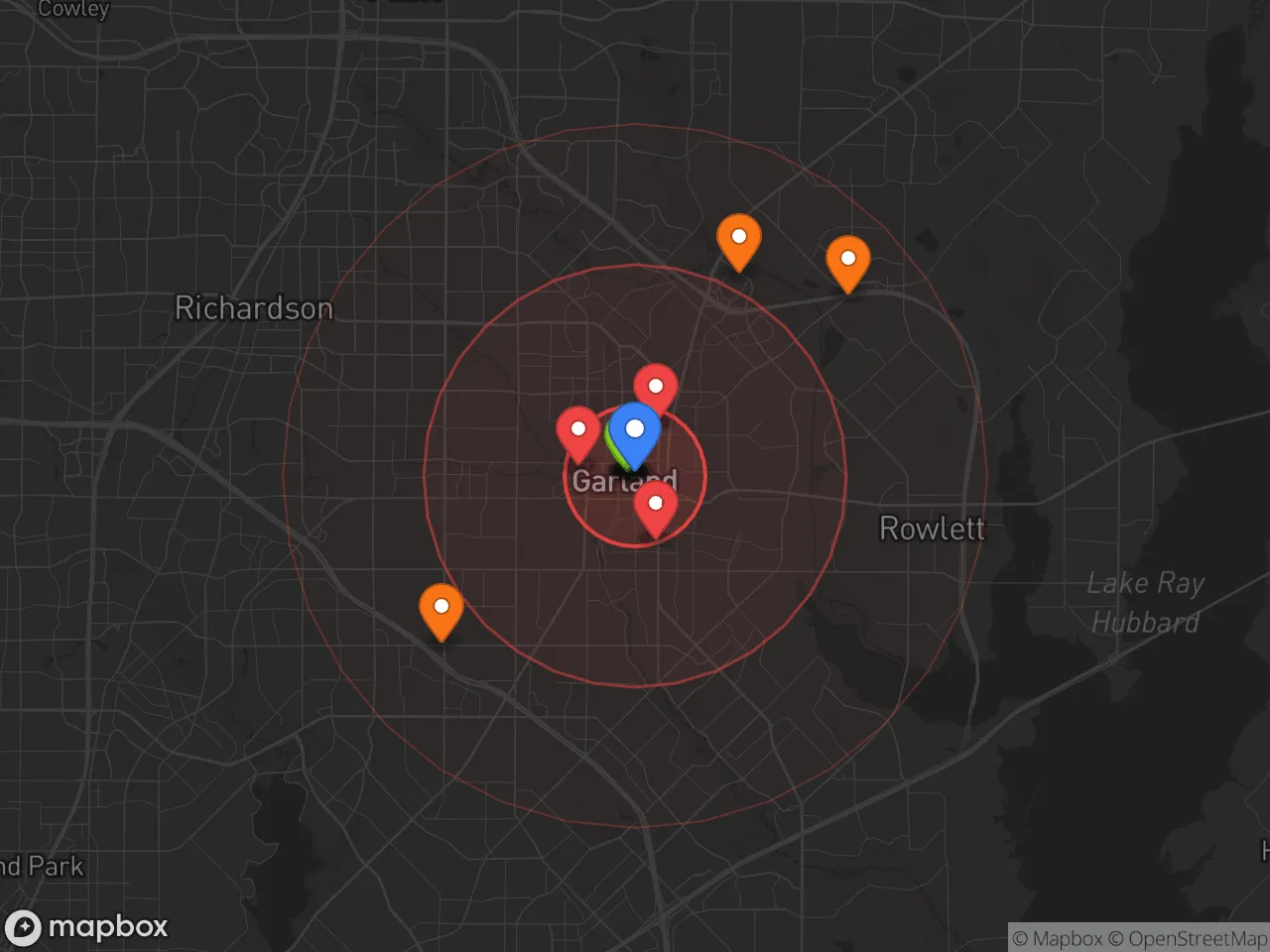
Hobbies
Explore the areaGroceries
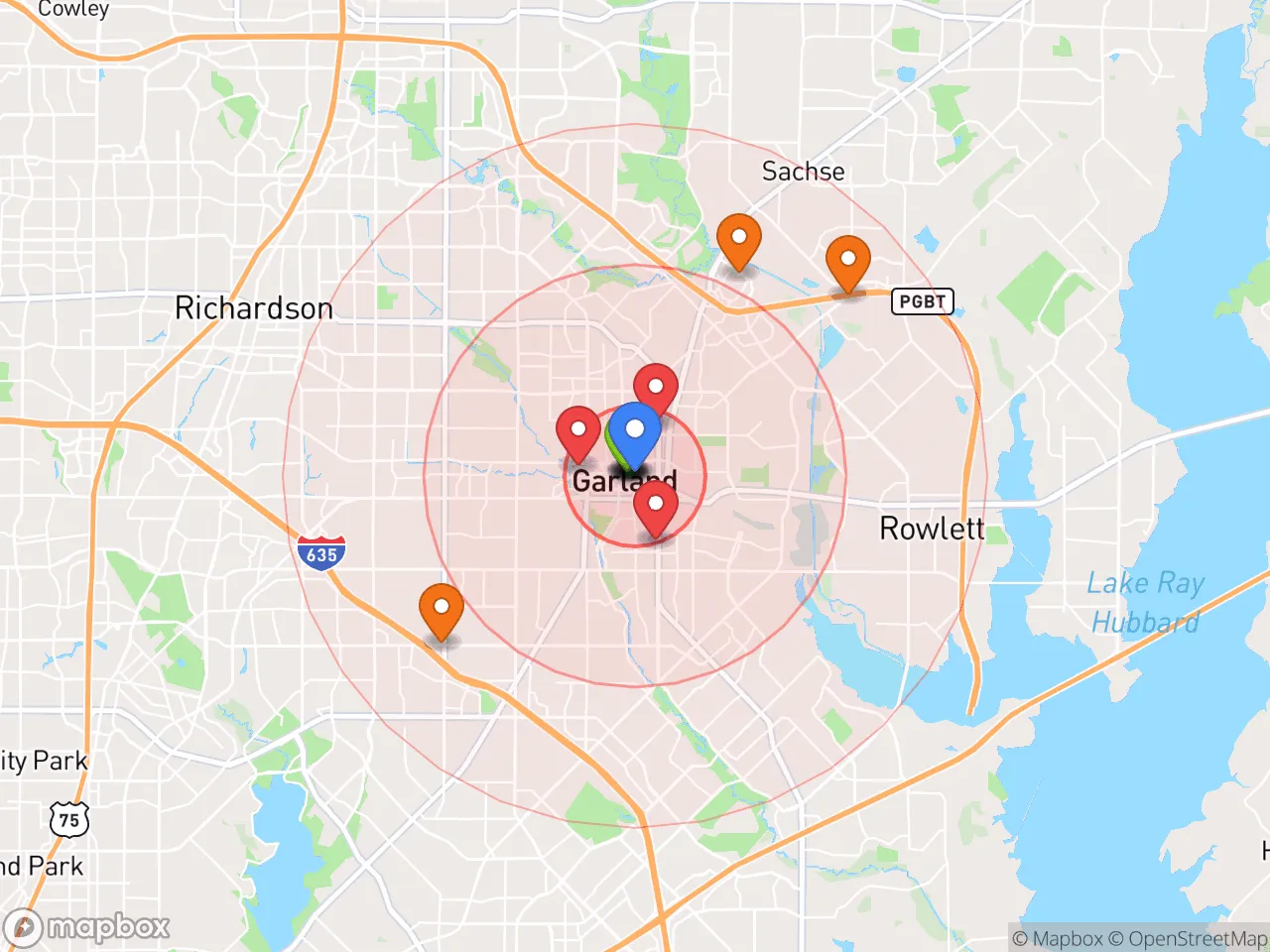
7 within 10 miles
Gas
20 within 10 miles
Hospital
20 within 20 miles
Airport
DFW — Dallas/Fort Worth International
Post Office
USPS — 1000 West Walnut Street, Garland
Critical Amenities
Quality-of-Life Analysis
Garland, Texas, presents a middle-market quality of life shaped by its position as a mature Dallas suburb with a cost of living index of 114 (14% above the U.S. average). The city attracts a broad mix of working professionals, long-established families, and first-time homebuyers who prioritize affordability over prestige, with a median household income that supports a stable, blue- and white-collar workforce. While not as affluent as neighboring Plano or Richardson, Garland offers a grounded, family-oriented environment where residents trade some luxury for lower housing costs and a shorter average commute of roughly 30 minutes.
Cost of living, housing affordability, and how it compares to nearby cities
Garland’s cost of living index of 114 is notably lower than the Dallas-Fort Worth metro average of around 103, but it remains significantly cheaper than high-end suburbs like Frisco (index ~118) or Plano (index ~116). The median home value of $248,900 is roughly $50,000 less than the Dallas city median and nearly $100,000 below Plano’s, making it one of the more attainable entry points for homeownership in the northeastern Dallas corridor. Median rent sits at $1,525, which undercuts the metro average by about $150 and offers renters a practical alternative to pricier areas like Richardson or Addison. Property taxes in Garland (Dallas County) hover around 2.3% of assessed value, slightly above the state average, but the lower purchase price offsets much of that burden. For buyers and renters alike, Garland delivers a tangible affordability advantage over its immediate neighbors without sacrificing access to the regional job market.
What daily life is like: amenities, schools, and neighborhood rhythm
Daily life in Garland revolves around a network of well-maintained parks, community centers, and the 2,000-acre Spring Creek Forest Preserve, which provides hiking and nature trails within city limits. The Garland Independent School District serves most of the city, with several campuses rated B or higher by niche.com, though families often weigh options between GISD and nearby charter schools like the Garland Classical Academy. The average commute of 30.1 minutes aligns closely with the DFW metro average, with most workers heading west toward Dallas or south toward the Telecom Corridor in Richardson. Retail and dining cluster along the Bush Turnpike and I-30 corridors, anchored by Firewheel Town Center, an open-air mall that functions as the city’s social hub. The DART light rail system provides a direct 35-minute ride to downtown Dallas, a feature that distinguishes Garland from more car-dependent suburbs. Evening and weekend life is low-key, centered on local sports leagues, library programs, and seasonal events like the Garland Labor Day Parade.
Garland is best suited for budget-conscious families, young professionals, and retirees who want a stable, mid-density suburban environment with solid schools and a reasonable commute to Dallas job centers. It is less ideal for those seeking high-end shopping, top-tier school districts, or a vibrant nightlife scene, as those are better found in Plano or Uptown Dallas. For residents who prioritize square footage, yard space, and a lower monthly housing payment over neighborhood prestige, Garland offers a pragmatic and well-connected quality of life that consistently ranks as one of the more undervalued options in the DFW metroplex.

Crime in Garland, TX
Generally safer than 59% of comparable U.S. locations.
Violent CrimeViolent Crime Analysis
Property CrimeProperty Crime Analysis
Crime Analysis
Garland, Texas, presents a mixed safety profile for prospective residents. The city’s violent crime rate of 188.6 incidents per 100,000 residents is notably lower than both the Texas state average and the national median, placing it among the safer large suburbs in the Dallas-Fort Worth metroplex. However, its property crime rate of 1,660 per 100,000 residents is elevated, exceeding national averages and signaling a need for vigilance regarding theft and burglary. This combination of low violent crime but higher property crime is a common pattern in sprawling suburban areas with easy highway access.
Crime in context
When compared to the broader Dallas-Fort Worth region, Garland’s violent crime rate is roughly half that of Dallas proper and significantly below cities like Mesquite or Arlington. The city’s property crime rate, however, is about 15% higher than the Texas average and roughly on par with other older, inner-ring suburbs such as Richardson and Plano. A key concern for residents and analysts is the influence of the local justice system. Dallas County, which includes Garland, has a history of electing progressive district attorneys and judges who prioritize diversion programs and reduced sentencing for non-violent offenders. While these policies aim to reduce incarceration, critics argue they contribute to a revolving-door effect for property criminals, undermining deterrence and public confidence in safety. This ideological approach to prosecution is a factor that should give potential residents pause, as it can embolden repeat offenders and erode the sense of security in affected neighborhoods.
What residents experience
Daily life in Garland is shaped by the contrast between its safe public spaces and persistent property crime. Residents report feeling secure in well-trafficked areas like the Downtown Square and Firewheel Town Center, where police presence is visible. However, car break-ins, package thefts from porches, and burglaries of unoccupied homes are common complaints on neighborhood social media groups. The city’s police department has responded with targeted patrols and a robust Neighborhood Crime Watch program, which has shown measurable success in reducing opportunistic theft in participating blocks. For families, the low violent crime rate is reassuring, but the high property crime rate demands practical precautions: securing vehicles, installing home security systems, and avoiding leaving valuables in plain sight.
Neighborhood-level variation is significant. Areas south of Interstate 30 and west of North Garland Avenue tend to report higher property crime incidents, correlating with older apartment complexes and higher population density. Conversely, neighborhoods in the northern and eastern parts of the city, such as those near Spring Creek Forest Preserve and the Sachse border, experience notably lower crime rates. Prospective renters and buyers should consult the Garland Police Department’s online crime map and consider visiting potential blocks at different times of day. While Garland is not a high-danger city, the combination of elevated property crime and a justice system perceived as lenient means that personal awareness and community engagement are essential for a safe experience.
* Values derived from national, state, county, city and local statistics and may differ in a specific area. Last updated: 2026-05-03T20:32:46.000Z
Narrative content on this page is AI-generated and may contain mistakes. Verify any details that matter before acting on them.
ReloMaps may earn a commission from affiliate links at no extra cost to you.

