
Photo: Wikipedia
Strategic Assessment of Glynn County
Meaningful friction. Expect exposure to either population pressure, blast zones, or natural disaster risk. Consider buying a retreat property.
What does the Strategic Assessment tell us?
Our Strategic Assessment grades tactical survivability of an area. Major population centers, military targets, fallout zones, natural disasters, and border exposure all drive risk — lower exposure means a more defensible position in a crisis.
This is heavily inspired by Joel Skousen's Strategic Relocation book. Highly recommended you checkout the book ($)What does this tell us?
Our Strategic Assessment grades tactical survivability of an area. Major population centers, military targets, fallout zones, natural disasters, and border exposure all drive risk — lower exposure means a more defensible position in a crisis.
This is heavily inspired by Joel Skousen's Strategic Relocation book. Highly recommended you checkout the book ($)Strategic Pillars

Key Distances
Strategic Assessment Analysis
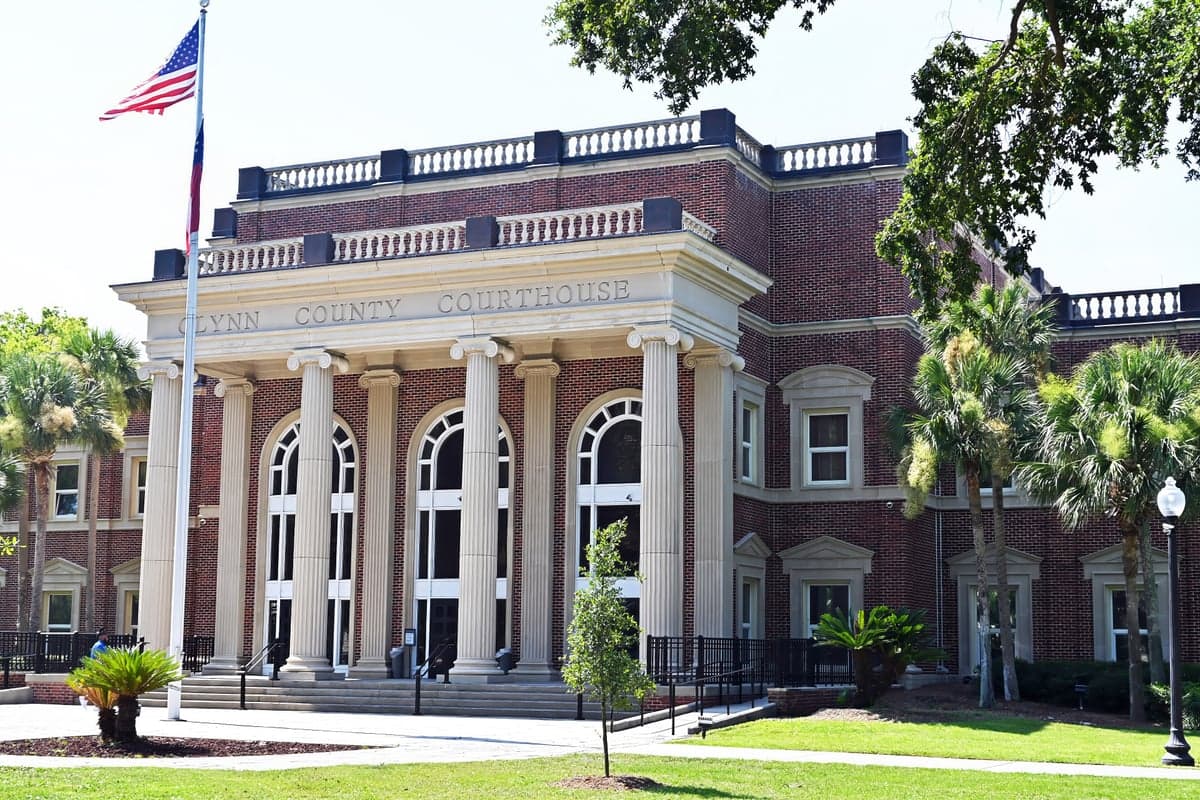
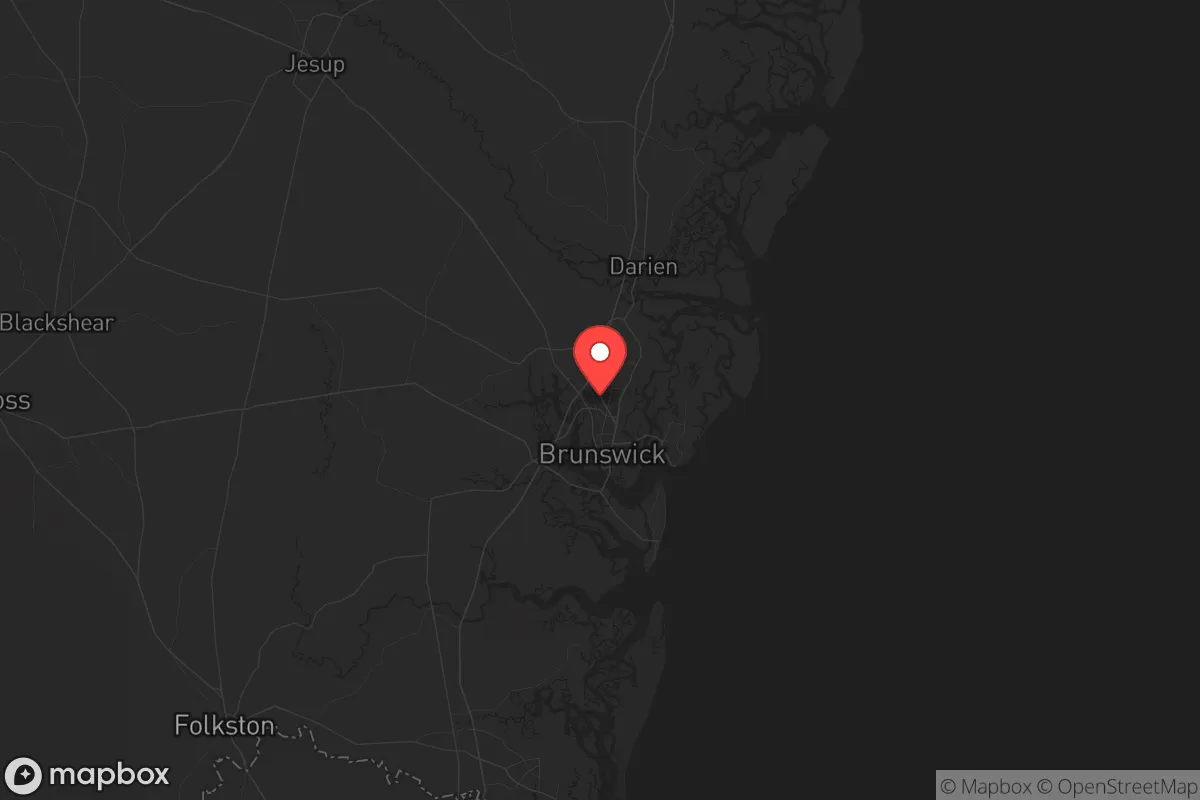
Glynn County, Georgia, offers a strategic mix of coastal access and inland buffer that makes it worth a hard look for anyone serious about resilience. Anchored by the port city of Brunswick and the tourist draw of St. Simons Island, the county sits roughly 70 miles south of Savannah and 60 miles north of Jacksonville, Florida—close enough to tap into regional resources but far enough from major metro grids to avoid the worst of urban collapse scenarios. The county’s population of around 85,000 provides a small-city feel with enough infrastructure to support a relocation, while its position along I-95 and the Intracoastal Waterway gives it logistical advantages that become critical when supply chains falter.
Geographic position and natural advantages for long-term stability
Glynn County’s geography is its strongest card. The county is bounded by the Atlantic Ocean to the east and the vast Okefenokee Swamp to the west, creating a natural funnel that limits easy access from multiple directions. This makes it more defensible than open-terrain counties in the interior. The network of tidal creeks, marshes, and rivers—including the Turtle River and the Brunswick River—provides natural barriers and abundant water sources. The county’s position on the Georgia coast also means it’s outside the immediate blast radius of any major strategic targets inland, like the nuclear facilities near Augusta or the sprawling military complexes around Fort Stewart and Hunter Army Airfield, both about 90 miles north. For a relocator, this means you’re not living next to a primary target, but you’re close enough to monitor movement along the eastern seaboard.
Risks, exposures, and proximity to fallout-relevant landmarks
No place is without exposure, and Glynn County has a few that demand attention. The biggest risk is the Port of Brunswick, one of the busiest auto ports in the nation and a major hub for roll-on/roll-off cargo. In a conflict or supply-chain disruption, that port becomes a high-value target for sabotage or seizure. The Colonel’s Island Terminal, specifically, handles hundreds of thousands of vehicles annually and is adjacent to the Glynn County Airport. That concentration of industrial and transport infrastructure makes the immediate Brunswick area a potential flashpoint during civil unrest or foreign action. Additionally, the county sits within 100 miles of the Kings Bay Naval Submarine Base in Camden County, Georgia—home to the U.S. Navy’s Atlantic Fleet ballistic missile submarines. That’s a primary strategic asset and a likely target in any major conflict. Fallout patterns from a strike on Kings Bay could drift over Glynn County depending on wind direction. Hurricane risk is also real; the county has been hit by major storms like Hurricane Irma in 2017 and Hurricane Matthew in 2016, which caused widespread flooding and power outages. Storm surge from a Category 3 or higher could inundate low-lying areas around St. Simons Island and Jekyll Island, so any relocation should prioritize higher ground inland, toward the western parts of the county near the city of Waycross or the Brantley County line.
Practical resilience for a relocator: food, water, energy, and defensibility
For someone looking to live off the land or at least reduce dependency on fragile systems, Glynn County delivers. The area has a year-round growing season, with mild winters that allow for winter gardening of greens, root vegetables, and cold-hardy herbs. The local soil in the western part of the county, near the Altamaha River basin, is sandy loam that drains well and is suitable for raised beds. Freshwater is abundant if you know where to look—the Floridan Aquifer lies beneath the entire county, and many rural properties have access to private wells. The county’s water table is high, so shallow wells are often productive. For energy, solar is viable year-round, though coastal cloud cover from storms can reduce output in summer. A backup generator running on propane or diesel is a smart hedge. Defensibility is decent but not fortress-level. The county’s road network is dominated by I-95 and US 17, both of which can become chokepoints during an evacuation. Rural areas west of Brunswick, around the communities of Sterling and Dock Junction, offer more seclusion and fewer through roads, making them easier to monitor. The local law enforcement presence is solid—Glynn County Police and the Brunswick Police Department maintain a visible presence—but in a prolonged crisis, you’ll want to rely on your own perimeter and community ties. The county has a strong hunting culture, so firearms knowledge is common, and there are several gun shops and ranges in the area, including the Georgia Arms facility near Brunswick.
The overall strategic picture for Glynn County is one of cautious optimism for the prepared relocator. It’s not a bug-out location for the lone wolf—it’s a place to build a sustainable life with a community that largely shares conservative values, including self-reliance, firearm ownership, and a distrust of overreaching government. The presence of the port and the proximity to Kings Bay are real liabilities, but they’re offset by the county’s natural buffers, water resources, and agricultural potential. For a single individual or a family willing to invest in a well, solar panels, and a defensible property west of the coast, Glynn County offers a rare combination of coastal access and inland security. Just don’t buy on the islands unless you’re ready to evacuate every hurricane season—and keep a bug-out bag packed for the day Kings Bay lights up the horizon.

* Values derived from national, state, county, city and local statistics and may differ in a specific area. Last updated: 2026-06-06T07:39:50.000Z
Narrative content on this page is AI-generated and may contain mistakes. Verify any details that matter before acting on them.
ReloMaps may earn a commission from affiliate links at no extra cost to you.

