Photo: Wikipedia
Find The Best Places To Live
in Augusta
PRO TIP! You can paste a Zillow or Redfin link to get info on that property.
What It's Like Living in Augusta, GA
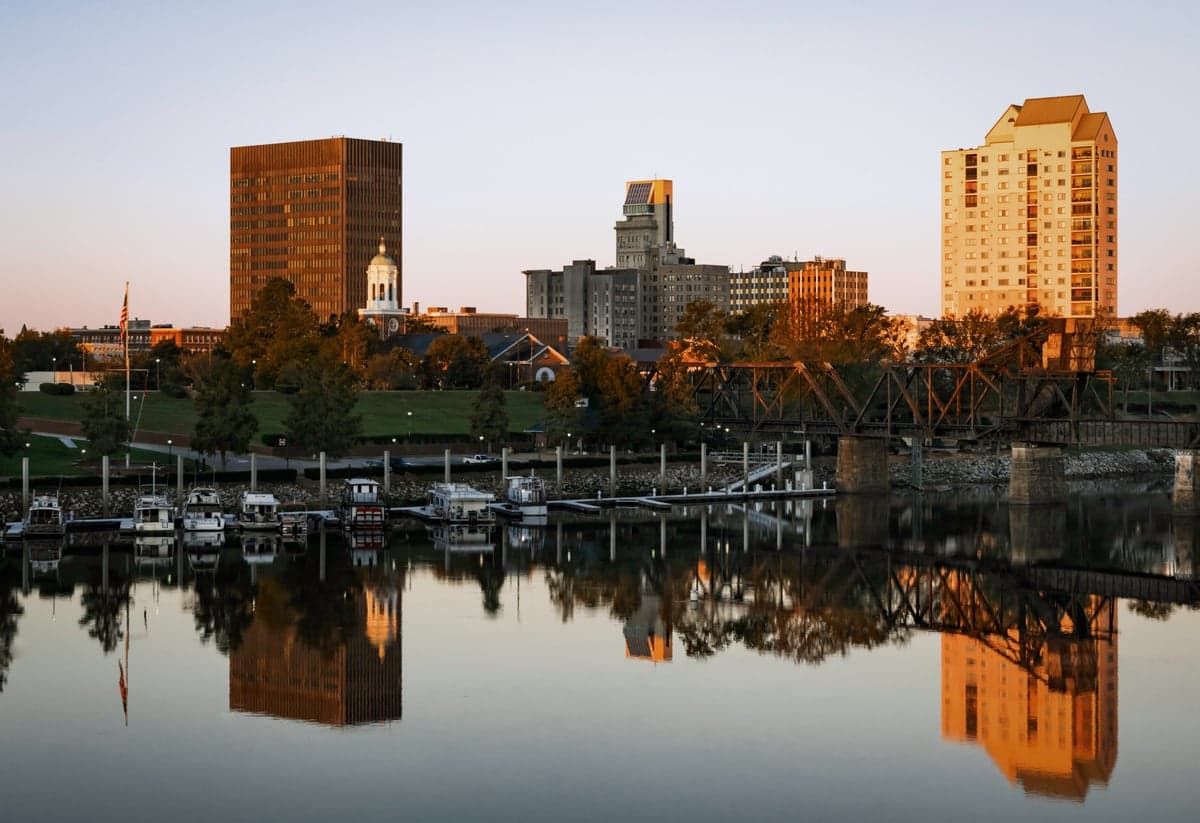
Augusta is a Southern city that wears its contradictions comfortably—it’s small enough that you’ll run into someone you know at the grocery store, yet big enough to host the Masters Tournament and a major medical district. The vibe here is slower than Atlanta but faster than a true rural town, with a personality shaped by the Savannah River, the Army’s presence at Fort Eisenhower, and a deep-rooted sense of local pride. If you’re looking for a place where you can actually afford a house, raise a family, and still catch a concert or a ballgame without fighting traffic for an hour, Augusta deserves a serious look.
The Daily Rhythm: Work, Errands, and Weekend Habits
Most people’s weekdays revolve around a short commute—the average drive time is just over 20 minutes, which means you can live in a quiet neighborhood like West Augusta or Evans and still be at your desk downtown in under half an hour. The biggest employers are the Augusta University Health system and the cyber command at Fort Eisenhower, so you’ll meet a lot of nurses, doctors, military officers, and defense contractors. The median income here is about $53,000, which goes further than you’d expect thanks to a cost of living index of 79—well below the national average. A median home value of $162,900 means a young couple or a single professional can buy a decent starter home without stretching into six-figure debt.
Weekends tend to be low-key. People grab coffee at Buona Caffe on Broad Street, hit the Augusta Canal for a walk or bike ride, or spend Saturday morning at the Augusta Market on the Riverwalk. Grocery shopping is split between Publix and Kroger, but locals swear by Farmhaus for fresh produce and local meats. Evenings often mean dinner at Frog Hollow Tavern for a nicer meal or Nacho Mama’s for casual tacos and margaritas. The pace is deliberate—people aren’t in a rush, and that’s part of the appeal.
Sports, Festivals, and the Masters Effect
Augusta’s identity is inseparable from the Masters Tournament, which descends on the city every April and transforms it into a global destination. For locals, it’s a mixed blessing: the traffic and crowds are a hassle, but the economic boost is real, and many residents rent out their homes for the week at premium rates. Outside of that, the city rallies around Augusta University’s basketball and baseball teams, and high school football is a genuine community event—Friday nights at Lakeside High or Augusta Christian draw big crowds. The Augusta GreenJackets, a minor-league baseball team, play at SRP Park in North Augusta, and it’s a cheap, fun night out with kids or friends.
For music and festivals, Arts in the Heart of Augusta in September brings food and performances from dozens of cultures, and the Westobou Festival mixes art, film, and live music. The Bell Auditorium and Miller Theater host touring acts and Broadway shows, while the Sky City venue downtown is the spot for indie bands and local rock shows. If you’re outdoorsy, the Savannah River Rapids offer kayaking, and Phinizy Swamp Nature Park has miles of boardwalks through wetlands—great for birdwatching or a quiet afternoon.
Who Fits In—and Who Might Struggle
Augusta works best for people who want a slower pace, a lower cost of living, and a community where you can actually get to know your neighbors. It’s a strong fit for young families who want a yard and good schools (the Columbia County side, especially Evans, is known for top-rated public schools), and for military families stationed at Fort Eisenhower. Single professionals will find a decent social scene downtown, but it’s not a 24-hour city—bars close early, and the dating pool is smaller than in Atlanta or Charlotte. Retirees on a fixed income do well here because housing and groceries are cheap, and the medical infrastructure is excellent.
The college-educated population sits at about 24%, which is lower than the national average, so if you’re in a specialized field like tech or finance, your job options may be limited to the hospital, the base, or remote work. The median age of 34.9 skews younger than many Southern cities, thanks to the military and medical residents, but the overall energy is more “settled” than “hustle.”
Honest Pros and Cons of Living in Augusta
- Pro: Housing is genuinely affordable. A $162,900 median home value means you can buy a 3-bedroom house for what a studio apartment costs in a coastal city.
- Con: The violent crime rate is 253 per 100,000—higher than the national average. Most incidents are concentrated in specific neighborhoods, but it’s something to research before choosing a rental or home.
- Pro: Traffic is manageable. Even during rush hour, you’re rarely stuck for more than 20–30 minutes.
- Con: Summers are brutal. June through September, the heat and humidity are relentless, and air conditioning is non-negotiable.
- Pro: The food scene punches above its weight. Southern staples like fried green tomatoes and shrimp and grits are done well at Whiskey Bar Kitchen and Boll Weevil Café.
- Con: Entertainment options are limited compared to larger metros. You’ll drive to Atlanta (about 2.5 hours) for major concerts or pro sports.
One cultural quirk you’ll notice: people here are proud of Augusta’s history, from the Augusta Canal (a National Heritage Area) to the Boyhood Home of President Woodrow Wilson. There’s also a strong church-going culture, and many social circles revolve around congregations. If you’re not religious, you’ll still find community through volunteer groups, running clubs, or the local cycling scene—but it’s worth knowing that faith plays a visible role in daily life.
Schools are a major factor in where people choose to live. Richmond County schools (Augusta proper) have a mixed reputation, while Columbia County schools (Evans, Martinez) are consistently rated among the best in Georgia. Families often move across the county line specifically for the school system, and that decision shapes everything from commute times to property values. For childless singles or couples, the choice is less pressing, but it’s still worth noting that the “good school district” areas tend to have more amenities and higher home prices—though still cheap by national standards.
Overall, Augusta offers a solid, unpretentious quality of life for people who value affordability, community, and a slower rhythm. It’s not a place for night owls or career climbers in fast-paced industries, but for anyone who wants to own a home, raise kids, or simply live without financial strain, it’s a surprisingly strong option.

Similar small cities to Augusta





* Values derived from national, state, county, city and local statistics and may differ in a specific area. Last updated: 2026-04-22T01:38:06.000Z
Narrative content on this page is AI-generated and may contain mistakes. Verify any details that matter before acting on them.
ReloMaps may earn a commission from affiliate links at no extra cost to you.

