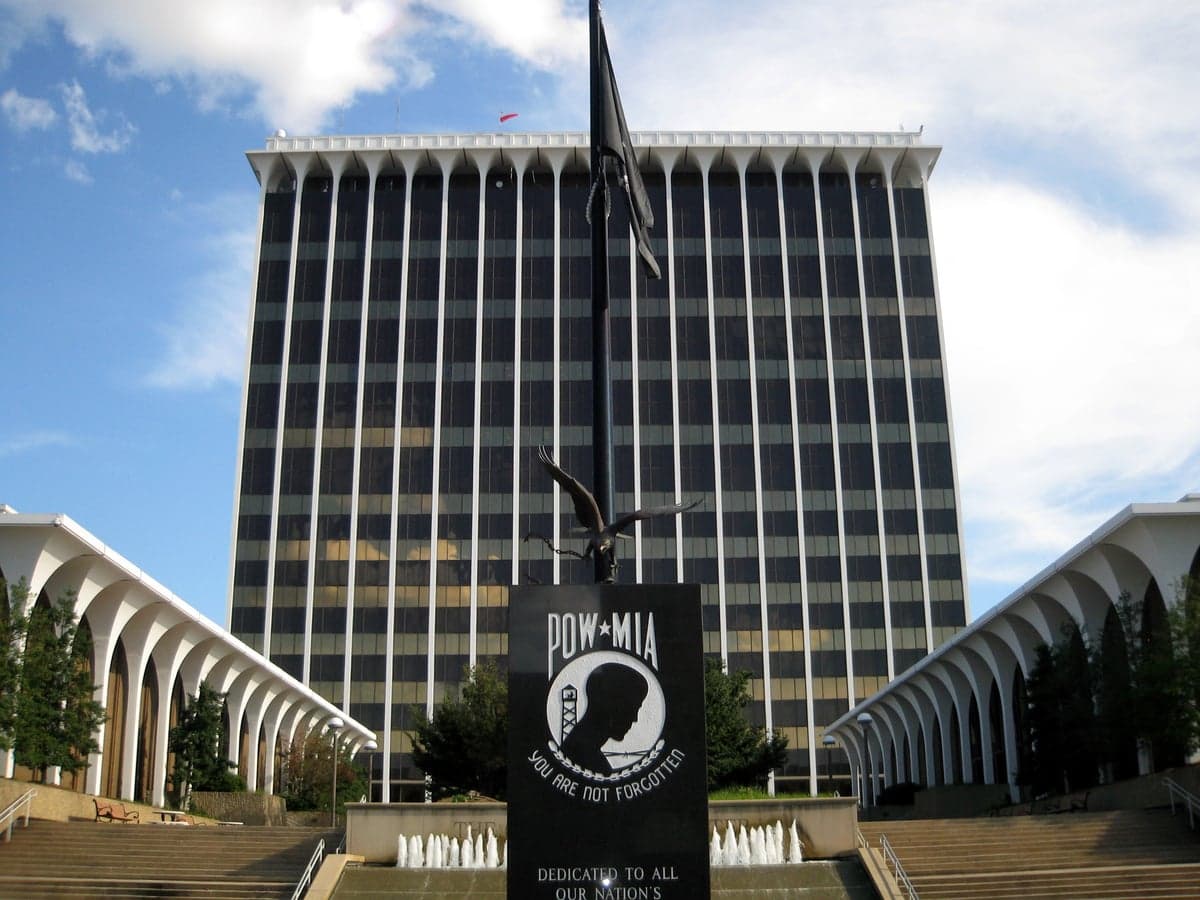
Photo: Wikipedia
Find The Best Places To Live in Muscogee County
PRO TIP! You can paste a Zillow or Redfin link to get info on that property.
Best Places to Live in Muscogee County
Cities & Towns in Muscogee County
Cities in Muscogee County
What It's Like Living in Muscogee County, GA
Living in Muscogee County means settling into a place where the pace of life slows down just enough to let you breathe, but you’re never far from the action of Columbus or the quiet of rural towns like Fortson and Midland. It’s a region that wears its Southern identity on its sleeve—think front-porch conversations, Friday-night lights, and a deep-rooted sense of community—while offering a cost of living that feels like a relief if you’re coming from pricier parts of Georgia. Whether you’re raising a family in Cusseta or starting a career in downtown Columbus, the county has a way of making you feel like you belong without demanding you change who you are.
Daily Rhythm: Where You Shop, Eat, and Spend Your Weekends
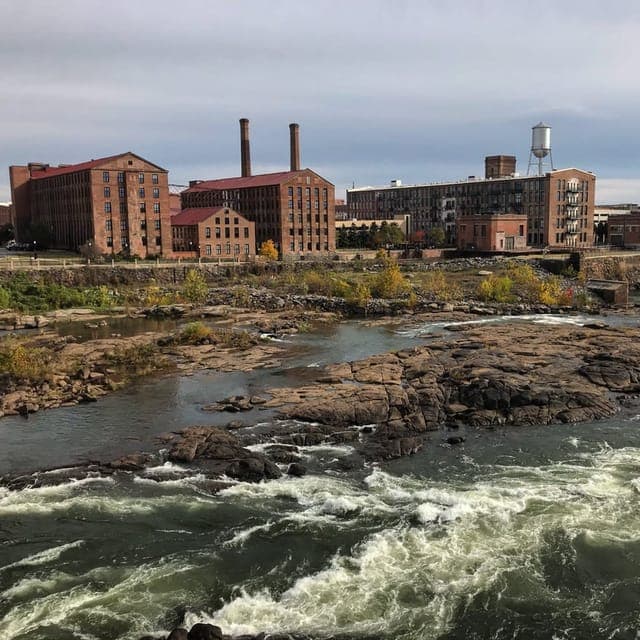
Most days in Muscogee County start with a short commute—the average drive clocks in at just over 20 minutes, which means less time in the car and more time for what matters. Families in Columbus often head to the Uptown district for weekend brunch at spots like The Loft or a coffee at Fountain City Coffee, while folks in the rural stretches of Upatoi or Fort Mitchell might grab a bite at a local diner or hit the farmers market in Cusseta. Shopping leans practical: you’ll find big-box stores along Whittlesey Boulevard, but many residents prefer the smaller hardware stores and feed shops in towns like Midland for everyday needs. Evenings are often spent on the Chattahoochee Riverwalk—a 15-mile paved trail that connects Columbus to Phenix City, Alabama—where you’ll see joggers, cyclists, and families pushing strollers as the sun sets over the water.
The weather shapes the rhythm here. Summers are hot and humid, with temperatures often topping 90°F from June through September, so outdoor activities shift to early mornings or late evenings. Winters are mild, rarely dropping below freezing for long, which means you can enjoy the Riverwalk year-round. Spring and fall bring perfect weather for the county’s many festivals, like the Columbus Jazz Festival in April or the Georgia Peach Festival in Fort Valley, just a short drive away. For a quieter weekend, locals in Bibb City or East Columbus might head to the Oxbow Meadows Environmental Learning Center for a nature walk or spend an afternoon fishing at Lake Oliver.
Sports & Community: The Glue That Holds the County Together
If there’s one thing that unites Muscogee County, it’s sports. High school football is a religion here, with Columbus High School and Carver High School drawing crowds that rival some small colleges on Friday nights. The energy is electric—parents, grandparents, and even childless couples pack the bleachers, and the rivalry games between Columbus and Hardaway are the stuff of local legend. For college fans, Columbus State University (CSU) fields competitive teams in basketball and baseball, and the Cougars’ games at the Lumpkin Center are a low-cost, high-fun way to spend a Saturday. Pro sports are a bit further afield—Atlanta is about 90 minutes up I-185—but the county’s love for the Braves and Falcons runs deep, with watch parties at bars like The Cannon Brew Pub in Uptown Columbus.
Beyond the gridiron, the community rallies around events like the RiverFest in May, which combines live music, a parade, and a fireworks show over the Chattahoochee. The Columbus Museum offers free admission and hosts rotating exhibits that draw from the region’s history, while the Springer Opera House—a state theater—puts on plays and concerts that attract a loyal following. For a taste of local flavor, the Uptown Columbus Market runs Saturdays from April to November, where you’ll find everything from handmade crafts to fresh produce from farms in Cusseta and Midland.
Pros and Cons of Living Here: What Locals Love and What Frustrates Them
Longtime residents will tell you the biggest draw is the cost of living. With a median home value of $182,300 and a cost-of-living index of 81 (well below the national average of 100), you can buy a three-bedroom house in Columbus or a larger property in rural Fortson for what a studio apartment costs in Atlanta. The median household income of $56,622 stretches further here, especially for families in Bibb City or Upatoi who can afford a yard and a garage. The short commute is another consistent praise point—most people are home within 20 minutes, which leaves time for hobbies, family dinners, or just relaxing on the porch.
On the flip side, the violent crime rate of 266.1 per 100,000 is a genuine concern, particularly in parts of Columbus and Phenix City (just across the state line). Residents in neighborhoods like East Columbus or the area around Fort Benning often advise newcomers to research specific blocks before buying. Another frustration is the limited job diversity—the economy leans heavily on the military (Fort Moore, formerly Fort Benning, is a major employer), healthcare, and education, so professionals in tech or finance may find fewer opportunities locally. The education level is also a talking point: only 29.7% of adults hold a college degree, which is below the national average, and some families in rural areas like Cusseta or Midland feel the public schools could use more resources. Still, the median age of 35.1 suggests a fairly young population, and many newcomers are drawn by the affordable housing and the chance to build a life without the pressure of big-city costs.
One cultural quirk you’ll notice is the strong military presence—Fort Moore brings in families from all over the country, giving the county a transient, diverse feel that contrasts with its deep Southern roots. You’ll hear accents from Texas, California, and New York at the grocery store, and the local restaurants have adapted with a mix of Southern comfort food and global cuisines. The Chattahoochee River is a defining feature, both as a recreational hub and a historical boundary—locals still talk about the river’s role in the Civil War and the city’s revival in the 1990s. For all its quirks, Muscogee County is a place where you can still buy a home for under $200,000, know your neighbors by name, and feel like you’re part of something real—even if that something sometimes moves a little slower than you’d expect.

* Values derived from national, state, county, city and local statistics and may differ in a specific area. Last updated: 2026-08-04T04:25:05.000Z
Narrative content on this page is AI-generated and may contain mistakes. Verify any details that matter before acting on them.
ReloMaps may earn a commission from affiliate links at no extra cost to you.

