
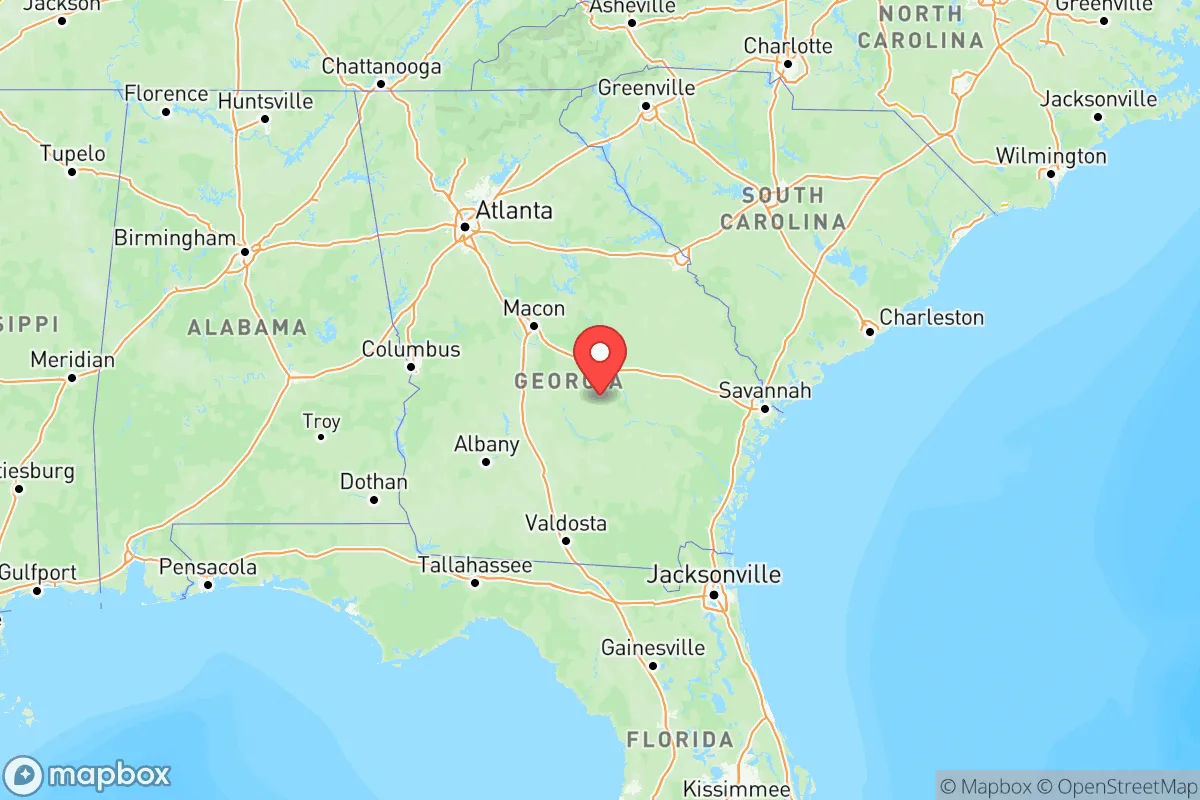
Strategic Assessment of Georgia
Workable tactical position. Some exposure to population density or targets, but generally defensible in a crisis.
What does the Strategic Assessment tell us?
Our Strategic Assessment grades tactical survivability of an area. Major population centers, military targets, fallout zones, natural disasters, and border exposure all drive risk — lower exposure means a more defensible position in a crisis.
This is heavily inspired by Joel Skousen's Strategic Relocation book. Highly recommended you checkout the book ($)What does this tell us?
Our Strategic Assessment grades tactical survivability of an area. Major population centers, military targets, fallout zones, natural disasters, and border exposure all drive risk — lower exposure means a more defensible position in a crisis.
This is heavily inspired by Joel Skousen's Strategic Relocation book. Highly recommended you checkout the book ($)Regional Safe Places
Below is our recommended "safe zones" in Georgia and the surrounding area based on our strategic heuristics. For most people, it's unrealistic to live in a “safe zone” full-time due to work, family or other personal reasons. They tend to be more rural. However, many of these areas are perfect for second homes and retreat properties that double as a vacation home or even a short-term rental.
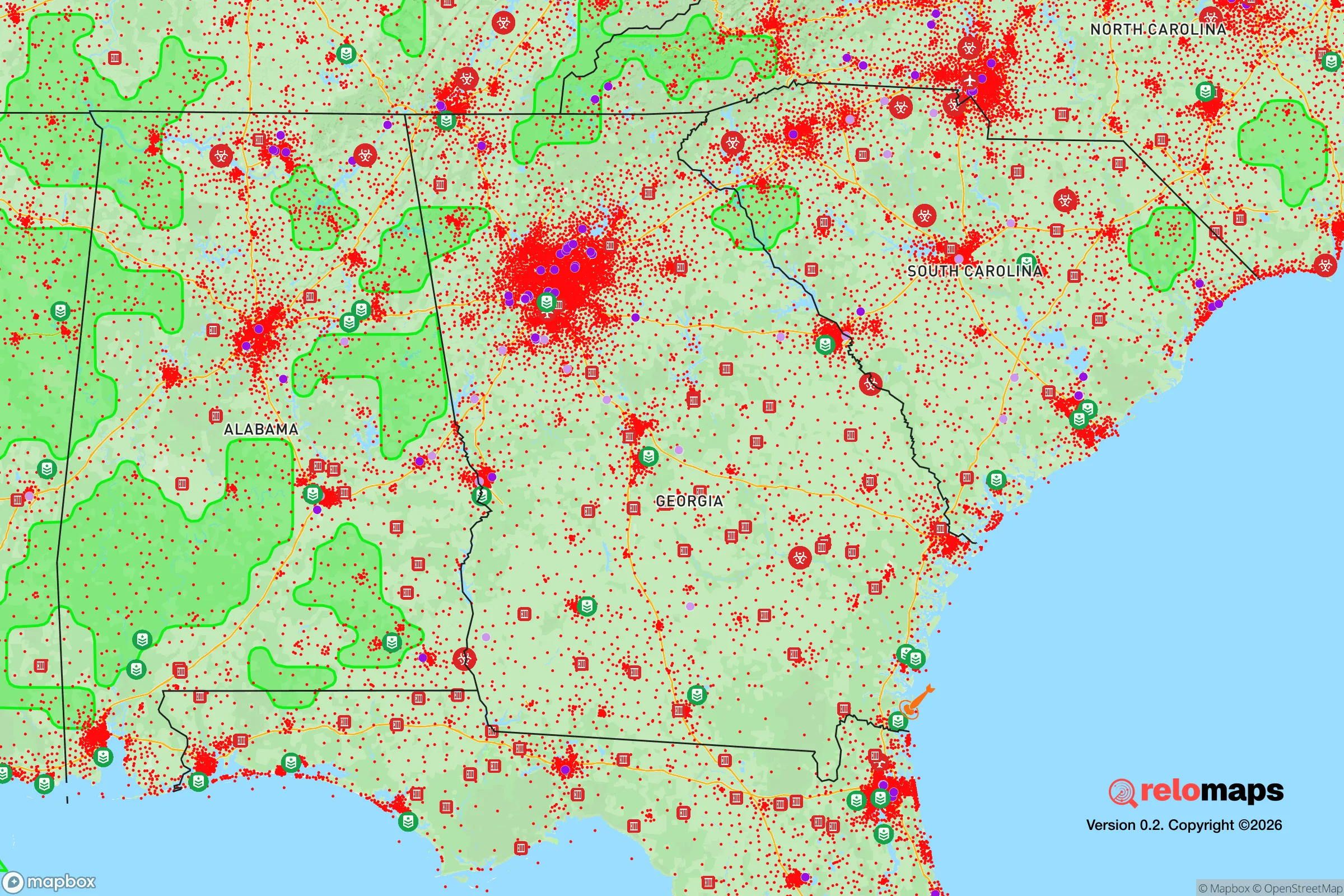
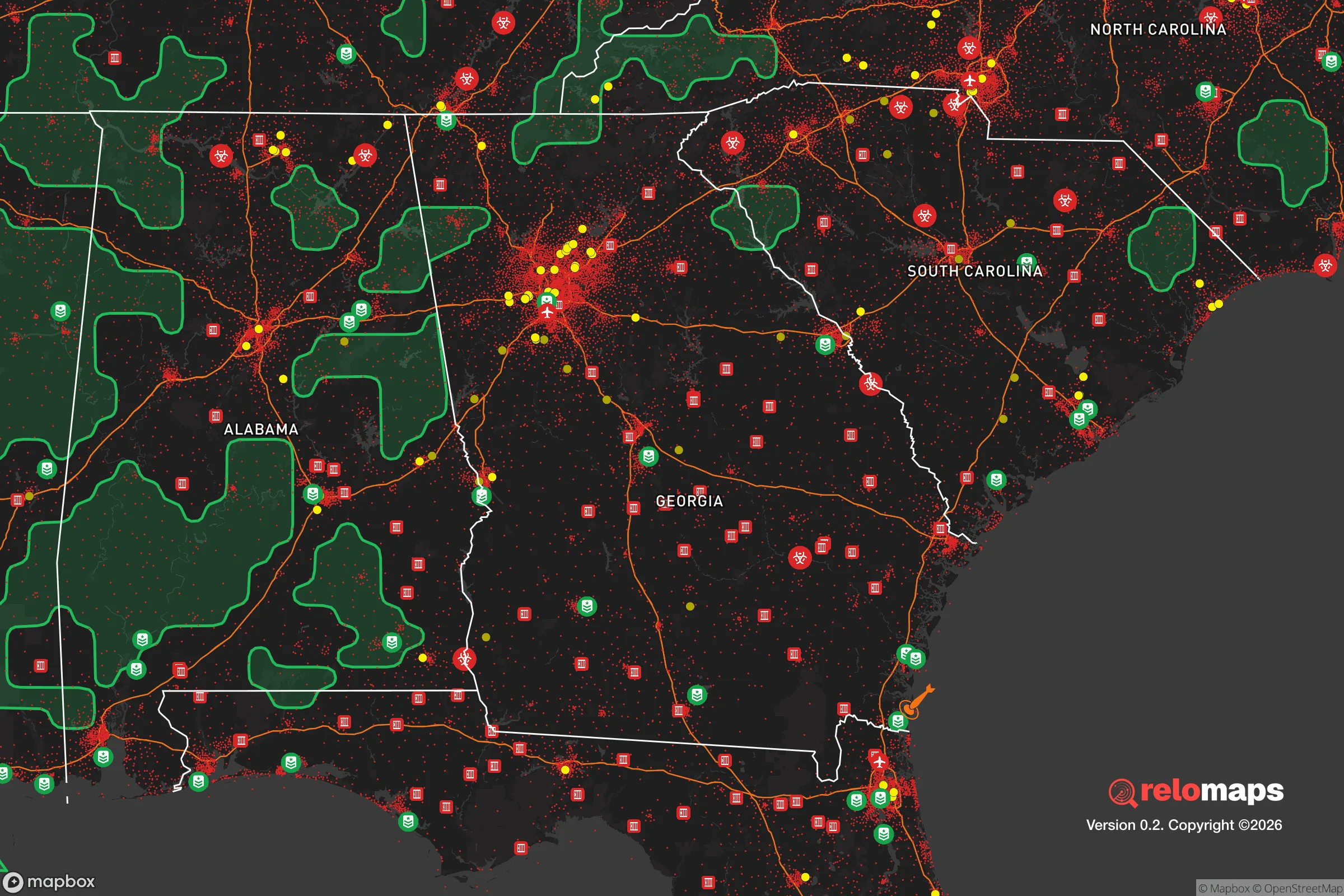


Important Note: For informational purposes only. This does not mean nothing bad ever happens in the green zones. Please use common sense. This is based on public data and modeled with AI. We tried to take a conservative approach but mistakes happen. We update this regularly as new information becomes available.
Solar Generator Recommendations
Backup power matters more here than in safer locations. We've picked three solar generators across budgets and capacity tiers — start with the budget unit if you only need a few essentials, or step up if you want to run a fridge and HVAC for days at a time.

Jackery Portable Power Station Explorer 300
Budget OptionPower on the Go: Weighing only 11 lbs, it's convenient to set up and store with book-sized foldable solar panels

BLUETTI Portable Power Station AC180
Designed for both indoor and outdoor scenarios, AC180 is highly capable as it has a robost capacity and continuous output power.

EF ECOFLOW DELTA Pro Ultra Power Station
Upgraded PickEcoFlow DELTA Pro Ultra is a whole-home energy system designed to grow with your family. Integrated with the Smart Home Panel 2, it scales to meet your evolving energy needs — keeping your home powered, intelligent, and secure through every stage of life.
We earn a commission, at no additional cost to you.
Strategic Assessment Analysis
Georgia offers a compelling mix of geographic resilience and strategic depth for relocators prioritizing disaster readiness and self-sufficiency, though its advantages come with distinct exposure risks. The state’s position between the Appalachian foothills and the Atlantic coast provides varied terrain, while its distance from major seismic zones and nuclear targets like the Northeast Corridor or the Houston refinery complex gives it a baseline security advantage. However, proximity to critical infrastructure—including the Port of Savannah, Hartsfield-Jackson Atlanta International Airport, and the Savannah River Site nuclear facility—means that fallout-relevant landmarks are never far, demanding careful site selection for those serious about preparedness.
Geographic position and natural advantages for disaster preparedness
Georgia’s interior regions, particularly the Piedmont plateau stretching from Columbus through Macon to Augusta, offer a blend of elevation, water access, and moderate climate that supports long-term self-sufficiency. The state’s northern reaches, including the Blue Ridge Mountains near Ellijay and Dahlonega, provide defensible terrain with natural barriers, cooler temperatures, and abundant springs—factors that reduce reliance on deep wells and grid-dependent cooling. The Fall Line, running roughly from Columbus to Augusta, marks a transition to the Coastal Plain, where the soil is sandier and water tables are higher, making well drilling more predictable. For a relocator, the area between Athens and the South Carolina border offers a sweet spot: rolling hills, clay-based soils suitable for gardening, and proximity to the Savannah River for supplemental water. Georgia’s lack of active fault lines and its relatively low risk of catastrophic earthquakes (compared to the Pacific Northwest or New Madrid zone) further bolster its appeal, though the state does sit in a region of moderate tornado risk, particularly west of I-75.
Risks, exposures, and proximity to fallout-relevant landmarks
Georgia’s strategic assets also represent its greatest vulnerabilities. The Savannah River Site, a former nuclear weapons production facility near Aiken, South Carolina, remains a high-consequence target for both accidental release and deliberate attack, with potential fallout patterns extending into eastern Georgia depending on wind direction. The Port of Savannah, the largest single-terminal container facility in North America, is a critical economic node that could draw secondary effects from a major conflict or supply chain disruption. Hartsfield-Jackson Atlanta International Airport, the world’s busiest, sits within a dense urban corridor that would be a primary target in any large-scale conflict, and its surrounding suburbs—extending from Marietta to Peachtree City—represent a massive population concentration that could complicate evacuation. Additionally, the state’s network of chemical plants along the Savannah River and the Gulf Coast refineries near Brunswick introduce industrial accident risks. For a relocator, the key takeaway is that while Georgia’s rural interior is far from these landmarks, prevailing wind patterns and the potential for cascading infrastructure failures mean that a buffer of at least 50-75 miles from these sites is advisable. The area around Milledgeville, for example, offers a reasonable balance of distance from major targets while still providing access to regional resources.
Practical resilience for a relocator: food, water, energy, and defensibility
Georgia’s practical resilience is strong for those who choose the right micro-region. The state’s growing season stretches from March to November in the south and April to October in the north, allowing for year-round food production with season extension techniques like cold frames and hoop houses. The Piedmont’s clay-loam soils, while requiring amendment for optimal yields, hold moisture well and support staple crops like corn, beans, squash, and sweet potatoes. Water availability is generally good: the state averages 50 inches of rainfall annually, and the major river systems—the Chattahoochee, Flint, Ocmulgee, and Savannah—provide surface water options, though legal access varies by county. Well drilling is feasible in most rural areas, with typical depths of 100-300 feet in the Piedmont and 50-150 feet in the Coastal Plain. For energy, Georgia’s solar potential is moderate (roughly 4.5-5.0 peak sun hours per day in the northern half), and the state’s relatively low latitude means winter solar production is better than in northern states. Wood heating is viable in the northern counties, where hardwood forests are abundant, but less so in the southern pine-dominated regions. Defensibility varies: the mountainous north offers natural chokepoints and limited road access, while the Coastal Plain’s flat, open terrain makes perimeter security more challenging. The area around Washington, Georgia, in Wilkes County, is often cited by preparedness-focused communities for its combination of low population density, good water resources, and distance from major highways and urban centers.
Overall, Georgia presents a strong strategic option for the disaster-conscious relocator, provided the location is chosen with care. The state’s interior offers a rare combination of water abundance, moderate climate, and distance from the highest-risk national targets, but the presence of the Savannah River Site, the Port of Savannah, and the Atlanta metro area means that a thoughtful buffer is essential. For those willing to trade some convenience for security, the Piedmont counties between Athens and Augusta, or the mountain counties north of Dahlonega, offer the best balance of natural resources, defensible terrain, and low exposure to fallout-relevant landmarks. Georgia is not a bunker—it is a working landscape that rewards preparation and local knowledge.

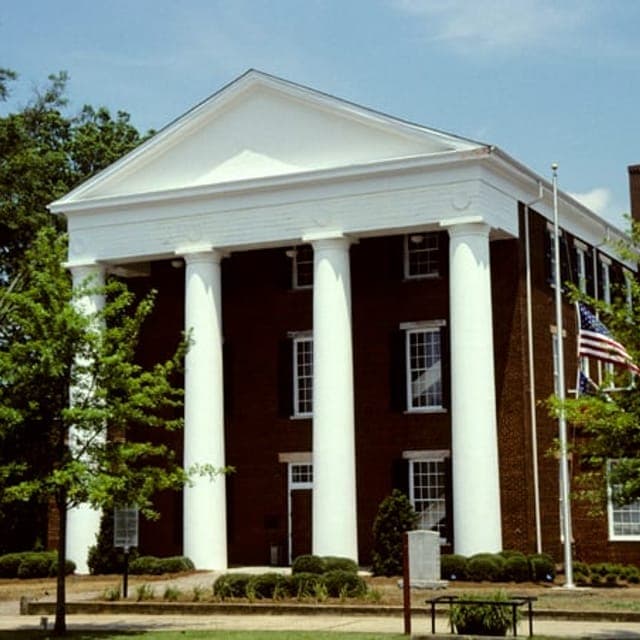
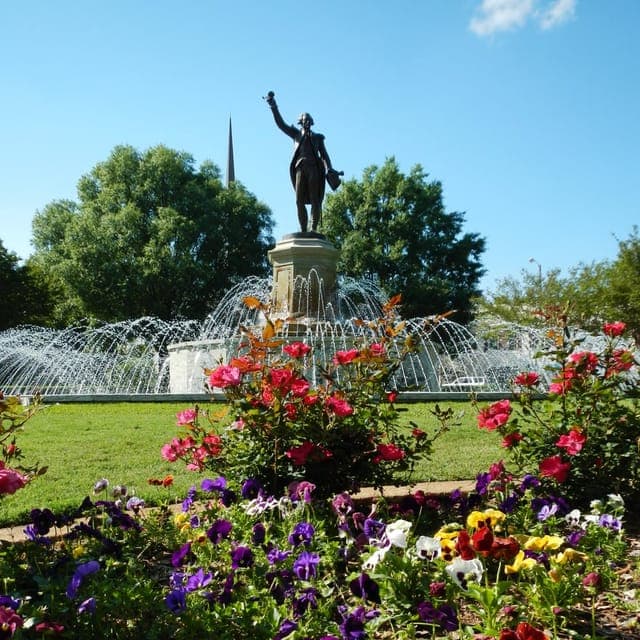
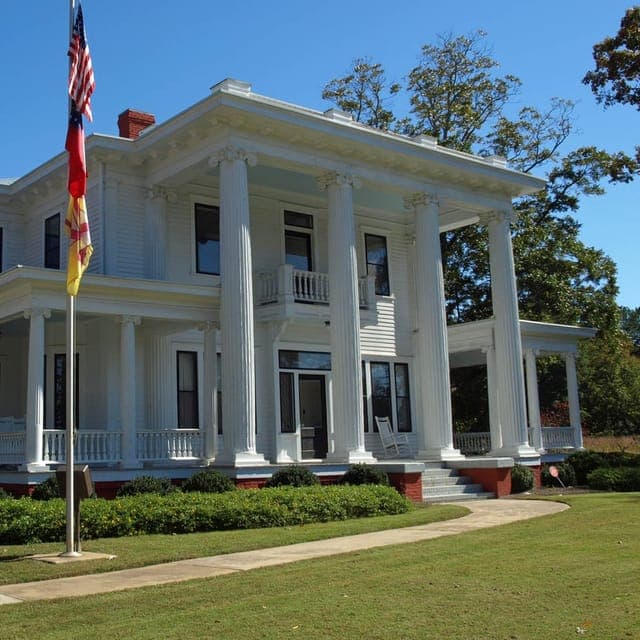
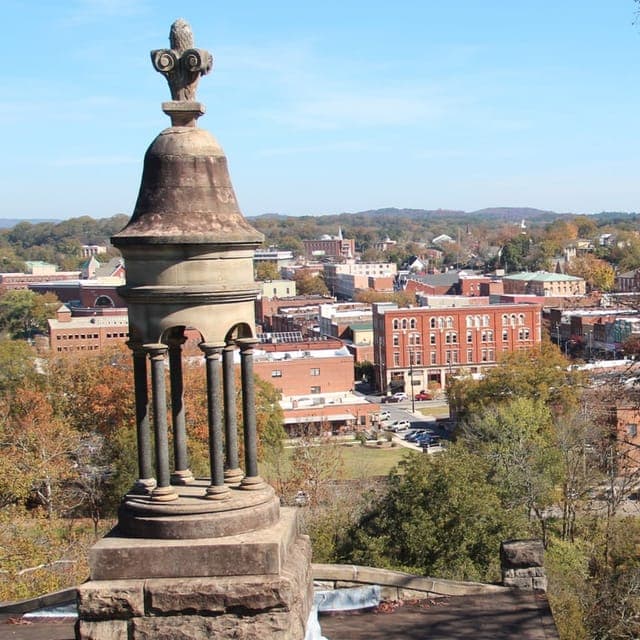
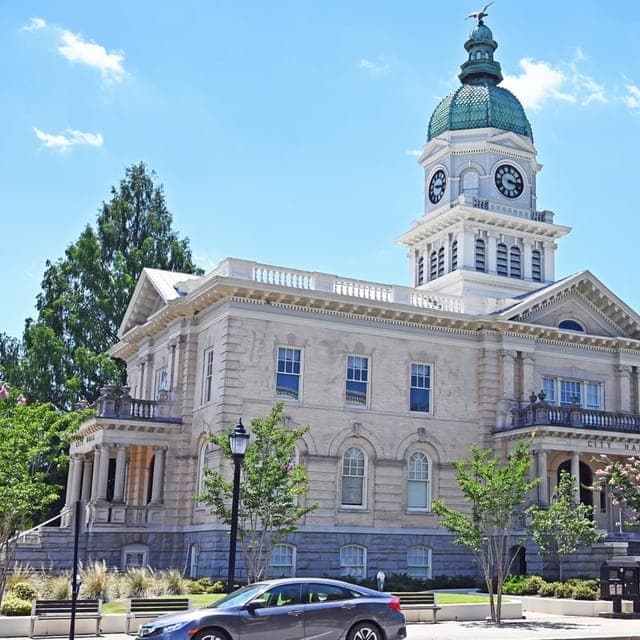
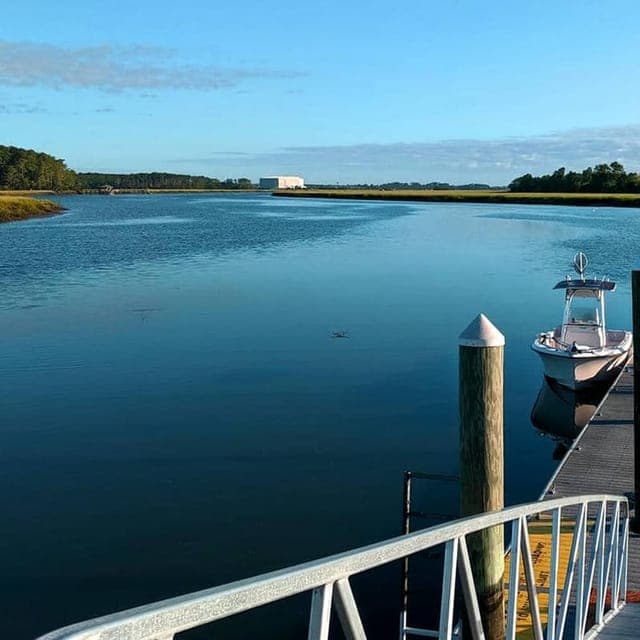
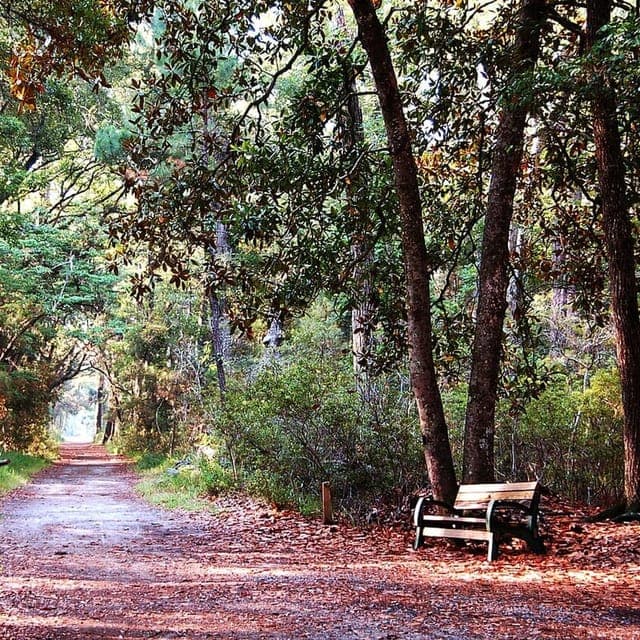
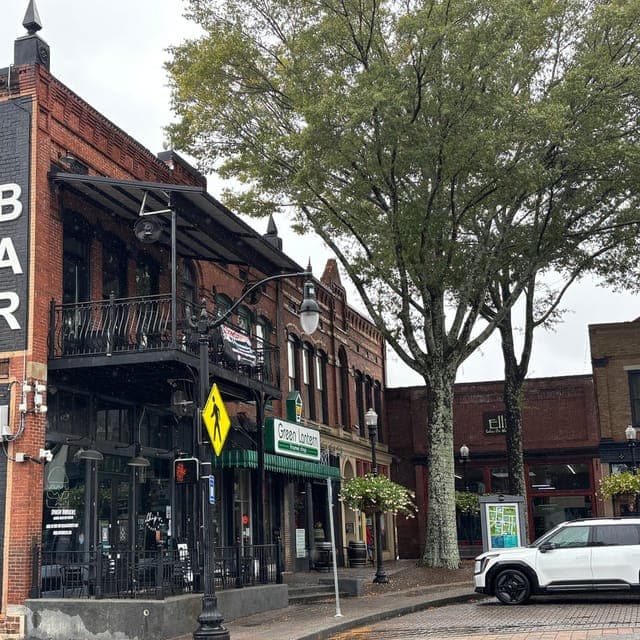
Top 10 Cities by Strategic Assessment in Georgia
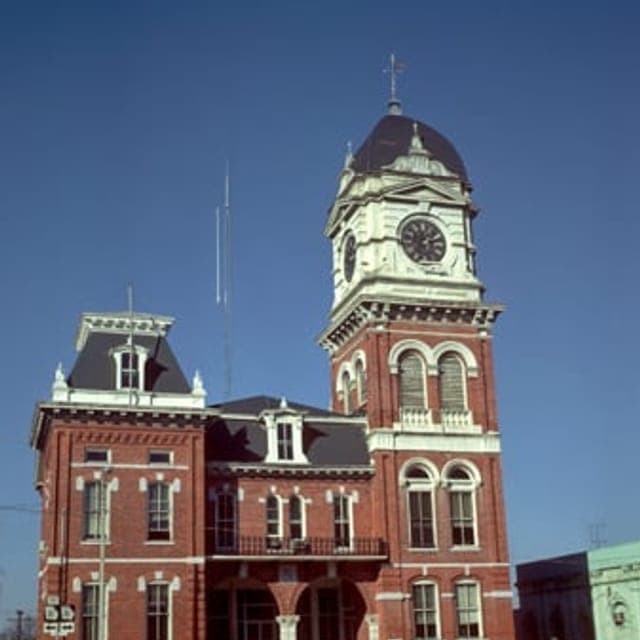
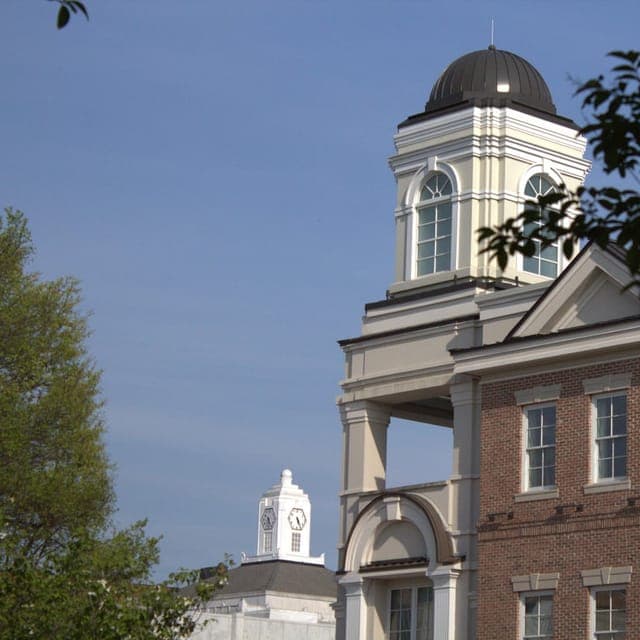
* Values derived from national, state, county, city and local statistics and may differ in a specific area. Last updated: 2026-10-15T16:37:11.000Z
Narrative content on this page is AI-generated and may contain mistakes. Verify any details that matter before acting on them.
ReloMaps may earn a commission from affiliate links at no extra cost to you.

