
Photo: Wikipedia
Find The Best Places To Live
in Macon
PRO TIP! You can paste a Zillow or Redfin link to get info on that property.
What It's Like Living in Macon, GA
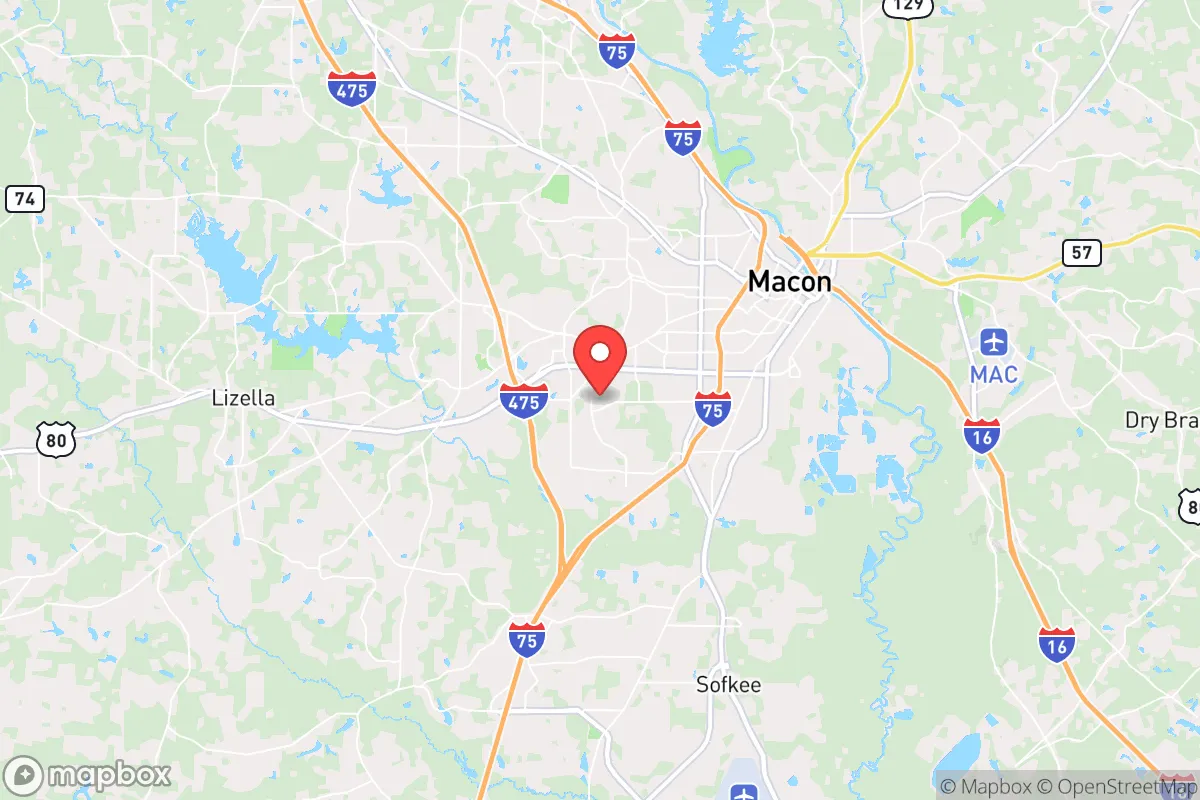
Macon, Georgia, is one of those Southern cities that feels like it’s perpetually on the verge of a comeback, but in a way that’s already comfortable and lived-in. It’s not trying to be Atlanta or Nashville; it’s a place where the pace is slower, the people are genuinely friendly, and the biggest debate on a Friday night might be whether to catch a show at the Capitol Theatre or grab a beer at The Rookery. For a conservative-leaning audience—whether you’re a single professional or a parent—Macon offers a solid, affordable foundation, but it comes with trade-offs that are worth understanding before you pack the U-Haul.
Daily Rhythm: What Life Actually Looks Like
Life in Macon moves at a deliberate, unhurried pace. The average commute is just over 22 minutes, which means you can live in a quiet neighborhood like Ingleside or North Macon and still be downtown in under 15 minutes. Most people shop at the Kroger on Riverside Drive or the Publix on Tom Hill Sr. Boulevard, and weekends often involve a trip to the Macon Farmers Market on Saturday mornings at the corner of 3rd and Cherry. The median home value sits at $165,800, and with a cost of living index of 76 (well below the national average of 100), a family earning the median income of $50,747 can actually afford a decent three-bedroom house with a yard. That’s a huge draw for parents who want space without a soul-crushing mortgage. The weather is classic Georgia—hot, humid summers that make you grateful for air conditioning, and mild winters where a light jacket usually suffices. Spring and fall are genuinely beautiful, with dogwoods and azaleas blooming everywhere.
Sports, Community, and the Things That Bring People Together
Macon doesn’t have a major pro sports team, but that doesn’t mean sports aren’t a big deal. High school football is king—Friday nights at Henderson Stadium or Ed DeFore Sports Complex draw big crowds, especially when rivals like Warner Robins or Mary Persons come to town. For college fans, Mercer University’s Bears play in the Southern Conference, and their basketball and football games are a low-key, family-friendly way to spend a Saturday. The Macon Mayhem (a minor league hockey team) and the Macon Bacon (a collegiate summer baseball team) are quirky, affordable entertainment—think $10 tickets and a lot of local character. The Bacon’s games at Luther Williams Field are especially popular with families; the stadium is historic, the hot dogs are cheap, and the mascot is a literal strip of bacon. It’s weird, but it works.
For music and culture, Macon punches above its weight. The Cherry Blossom Festival every March is the city’s signature event, drawing hundreds of thousands of visitors to see the 350,000 Yoshino cherry trees in bloom. The Hargray Capitol Theatre downtown hosts everything from country acts to classic rock, and the Macon City Auditorium is a beautiful old venue that books touring Broadway shows and concerts. The Ocmulgee Mounds National Historical Park is a 700-acre site with Native American earthworks and hiking trails—it’s free, well-maintained, and a great spot for a weekend walk. For a night out, locals gravitate to The Rookery (known for its burgers and bourbon), Bearfoot Tavern (a craft beer spot in a converted fire station), or the Downtown Macon bar scene along Cherry Street, which is walkable and safe on weekend evenings.
Who Fits In—and Who Might Struggle
Macon is best suited for people who value affordability and community over career ambition. The largest employers are the medical sector (Atrium Health Navicent, Coliseum Medical Centers), Robins Air Force Base just south in Warner Robins, and Mercer University. If you work in healthcare, education, or a trade, you’ll find solid opportunities. But if you’re a tech professional or a corporate climber, you’ll likely need to commute to Atlanta (about 90 minutes north) or accept a lower salary than you’d get in a bigger market. The median age is 36.6, which reflects a mix of young families and retirees—there’s a noticeable lack of the 22-to-30 single crowd that flocks to cities like Nashville or Charlotte. For parents, the public schools are a mixed bag; many families opt for private schools like Stratford Academy or Mount de Sales, or they move to the northern part of Bibb County where the schools are stronger. The violent crime rate of 253 per 100,000 is higher than the national average, and it’s concentrated in certain neighborhoods—most residents know to avoid areas like Bloomfield or Unionville after dark, but feel perfectly safe in their own subdivisions.
Pros and Cons of Living Here
- Pros: Extremely low cost of living (you can buy a nice home for under $200K); genuine Southern hospitality (neighbors actually bring casseroles); rich music history (Macon is the birthplace of Otis Redding and the Allman Brothers); easy access to outdoor recreation (the Ocmulgee River, Lake Tobesofkee, and dozens of parks); no traffic jams to speak of.
- Cons: Limited job market outside of healthcare and education; public schools are inconsistent, so parents often pay for private education; crime is a real concern in certain parts of town; the summer heat and humidity can be oppressive; the city’s downtown revival is still a work in progress, meaning some blocks feel empty or neglected.
Macon is not a place for people who need constant excitement or high-end amenities. It’s a place for people who want to own a home, raise kids in a community where people know each other, and enjoy a slower, more deliberate way of life. The college-educated population is just 26%, which is below the national average—that reflects the blue-collar and service-oriented economy, but also means you won’t find the same intellectual or cultural density you’d get in a college town. What you will find is a city with a distinct identity, a surprising amount of history, and a sense that the best days might still be ahead. If that sounds like your speed, Macon could be a good fit.

Similar small cities to Macon


* Values derived from national, state, county, city and local statistics and may differ in a specific area. Last updated: 2026-04-30T05:46:22.000Z
Narrative content on this page is AI-generated and may contain mistakes. Verify any details that matter before acting on them.
ReloMaps may earn a commission from affiliate links at no extra cost to you.

