 Popular
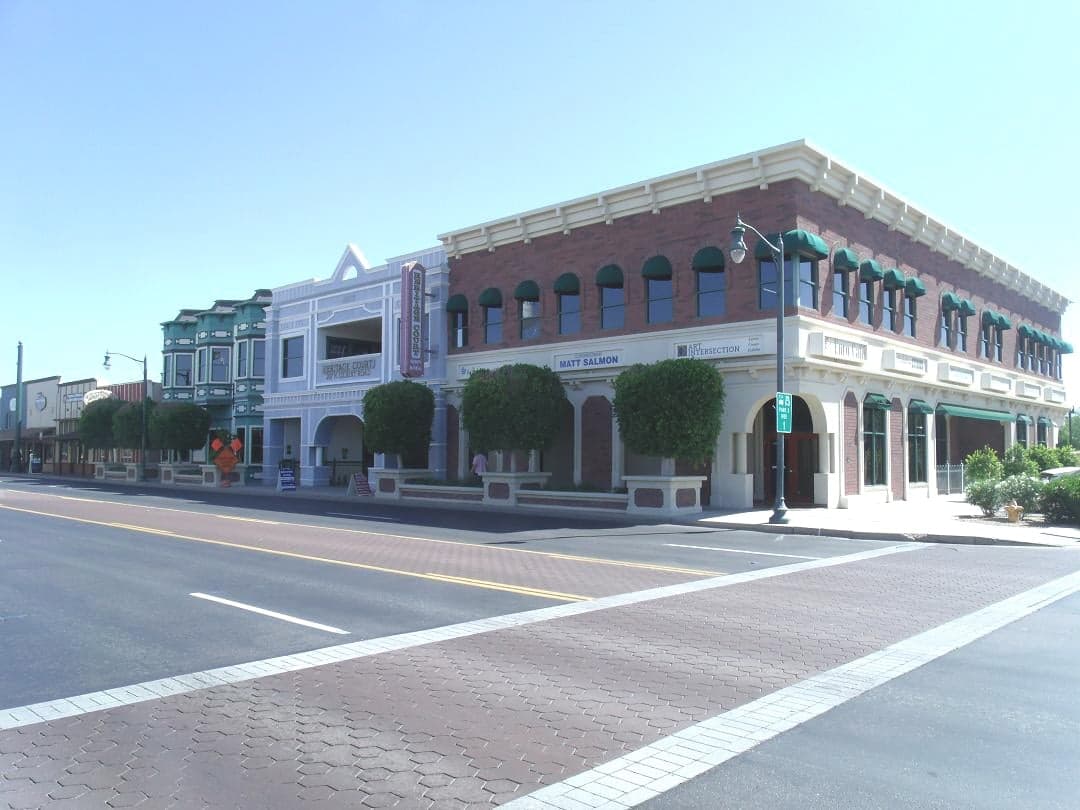
Photo: Wikipedia
Personal Sovereignty in Gilbert, AZ
Viable for self-reliance. Generally workable, though some barriers may limit total independence.
What does Personal Sovereignty tell us?
Personal Sovereignty measures your capacity for self-reliance and independence with minimal government friction. Higher scores mean fewer barriers between you and the way you want to live... but it assumes you have the space you need and good neighbors.
What does this tell us?
Personal Sovereignty measures your capacity for self-reliance and independence with minimal government friction. Higher scores mean fewer barriers between you and the way you want to live... but it assumes you have the space you need and good neighbors.
State Policy
Energy independence: Importer (20% of energy produced in-state)
Personal Liberty
Homesteading

Personal Liberty Analysis
Gilbert, Arizona, offers a notably high degree of personal sovereignty relative to most of the United States, particularly for those who prioritize minimal government interference in daily life, self-defense, and family autonomy. The town’s governance, rooted in Maricopa County’s generally conservative ethos, aligns with a prepper and survivalist mindset that values self-reliance over state dependency. While no locale is a libertarian utopia, Gilbert’s legal and cultural environment provides a strong foundation for individuals and families seeking to insulate themselves from federal overreach and maintain control over their own lives.
Tax burden and regulatory posture: How much of your income and freedom is left alone
Arizona’s state-level tax structure is among the most favorable in the nation for those who want to keep more of what they earn. The state’s flat income tax rate, currently 2.5% as of 2025, is low and predictable, with no progressive brackets that penalize increased earnings. Gilbert itself imposes no city income tax, meaning your paycheck is only subject to state and federal withholding. Property taxes are also manageable: the effective rate in Gilbert hovers around 0.6% of assessed value, well below the national average of roughly 1.1%. For a $500,000 home, that’s about $3,000 annually—a fraction of what you’d pay in blue states like California or New York. Sales tax in Gilbert is 8.1% (state plus local), but essentials like groceries and prescription drugs are exempt. The regulatory environment is equally lean: Arizona is a right-to-work state, meaning no forced union membership, and occupational licensing requirements are less burdensome than in many coastal states. For a prepper, this means less bureaucratic drag on starting a side business, storing bulk supplies, or operating a home-based enterprise without constant government oversight.
Self-defense and gun law specifics: What you can carry, where, and how to store it
Gilbert sits in a state with some of the strongest firearm protections in the country. Arizona is a constitutional carry state—no permit is required to carry a concealed firearm for anyone 21 or older who can legally possess a gun. Open carry is also legal without a permit. This is a critical advantage for those who view personal defense as a non-negotiable right. There are no state-level magazine capacity restrictions, no "assault weapon" bans, and no universal background checks for private sales. Stand-your-ground laws are in full effect: you have no duty to retreat before using deadly force if you are lawfully present and reasonably believe it’s necessary to prevent death or serious injury. Gilbert’s local police department is generally supportive of Second Amendment rights, and the town has no additional gun ordinances beyond state law. For a survivalist, this means you can maintain a well-stocked armory, train with suppressors (legal with federal paperwork), and carry daily without fear of arbitrary local restrictions. The only caveat: federal laws still apply, so NFA items require tax stamps, and prohibited persons (felons, domestic violence offenders) are barred. But compared to states like California or New York, where magazine limits and permitting delays are the norm, Gilbert offers near-maximum latitude for armed self-reliance.
Self-reliance and homesteading viability: Lot sizes, zoning, and off-grid feasibility
Gilbert’s suburban character means true off-grid homesteading is limited, but there are practical workarounds for the determined prepper. Most residential lots in Gilbert are standard subdivision plots of 6,000 to 10,000 square feet—enough for a substantial garden, chicken coop, and rainwater catchment, but not for livestock like goats or cattle without special permits. Zoning is strict: the town enforces codes on property maintenance, noise, and building permits, so a full-on "bug-out" compound within city limits isn’t feasible. However, Maricopa County’s unincorporated areas, just a 15- to 30-minute drive east or south, offer acreage parcels (1 to 40 acres) with far fewer restrictions. There, you can install solar panels, dig a well, and build a detached workshop or bunker without the red tape common in incorporated towns. Gilbert’s water supply is municipal and reliable, but for a prepper, installing a private well on a larger lot outside town is a viable option—groundwater in the region is accessible at depths of 200-400 feet. The climate is arid, so rainwater harvesting (legal in Arizona) can supplement, but you’ll need significant storage capacity. The bottom line: Gilbert itself is best for suburban prepping—think deep pantry, home defense, and community networking—while the surrounding rural areas allow for true self-sufficiency. The town’s proximity to the Superstition Mountains also provides quick access to public land for hunting, foraging, and remote retreats.
Personal liberties: Parental rights, medical autonomy, speech, and property
Arizona has become a battleground for personal liberties, and Gilbert reflects the state’s conservative tilt on several fronts. Parental rights are strongly protected: state law requires parental consent for minors’ medical procedures, and school districts must notify parents of curriculum changes involving sexuality or gender identity. Gilbert’s public schools (part of the highly rated Gilbert Public Schools district) generally defer to parental authority, and the town has a robust homeschooling community with few reporting requirements. Medical autonomy is mixed: Arizona has no state-level vaccine mandate for adults, and COVID-era restrictions were lifted early compared to blue states. However, the state does require certain childhood vaccines for school attendance (with medical and religious exemptions available). For those seeking alternative medicine, Gilbert has a growing network of naturopaths and functional medicine practitioners, though licensing is still state-controlled. Free speech is robust: Arizona has no hate speech laws that chill expression, and Gilbert’s local government rarely interferes with political signs, public gatherings, or religious expression. Property rights are strong but not absolute: eminent domain is limited to public projects, and there’s no rent control. However, homeowners’ associations (HOAs) are common in Gilbert subdivisions, and they can impose restrictions on everything from paint colors to vehicle storage. For a prepper, this means choosing a non-HOA property or one with minimal covenants is critical to avoid conflicts over storing supplies, parking a work truck, or installing security features. Overall, Gilbert offers a high baseline of personal freedom, but the devil is in the details—especially with HOAs and zoning.
In the broader context of American relocation options, Gilbert stands out as a strong choice for those prioritizing personal sovereignty. It’s not a libertarian free-for-all like rural Alaska or New Hampshire’s "Live Free or Die" counties, but it offers a practical balance: low taxes, strong gun rights, decent medical freedom, and a culture that respects individual choice. Compared to nearby Phoenix, which has more progressive city ordinances and higher crime, Gilbert feels more controlled and family-oriented. For a survivalist or prepper, the key is to leverage Gilbert’s suburban stability while maintaining a secondary property or network in the surrounding rural areas for deeper self-reliance. The town’s growth is rapid, and with that comes creeping regulation—but for now, it remains one of the most sovereignty-friendly suburbs in the Southwest. If you’re looking to build a life where government stays out of your business, your home, and your family, Gilbert deserves a serious look.

* Values derived from national, state, county, city and local statistics and may differ in a specific area. Last updated: 2026-04-16T00:47:20.000Z
Narrative content on this page is AI-generated and may contain mistakes. Verify any details that matter before acting on them.
ReloMaps may earn a commission from affiliate links at no extra cost to you.

