 Popular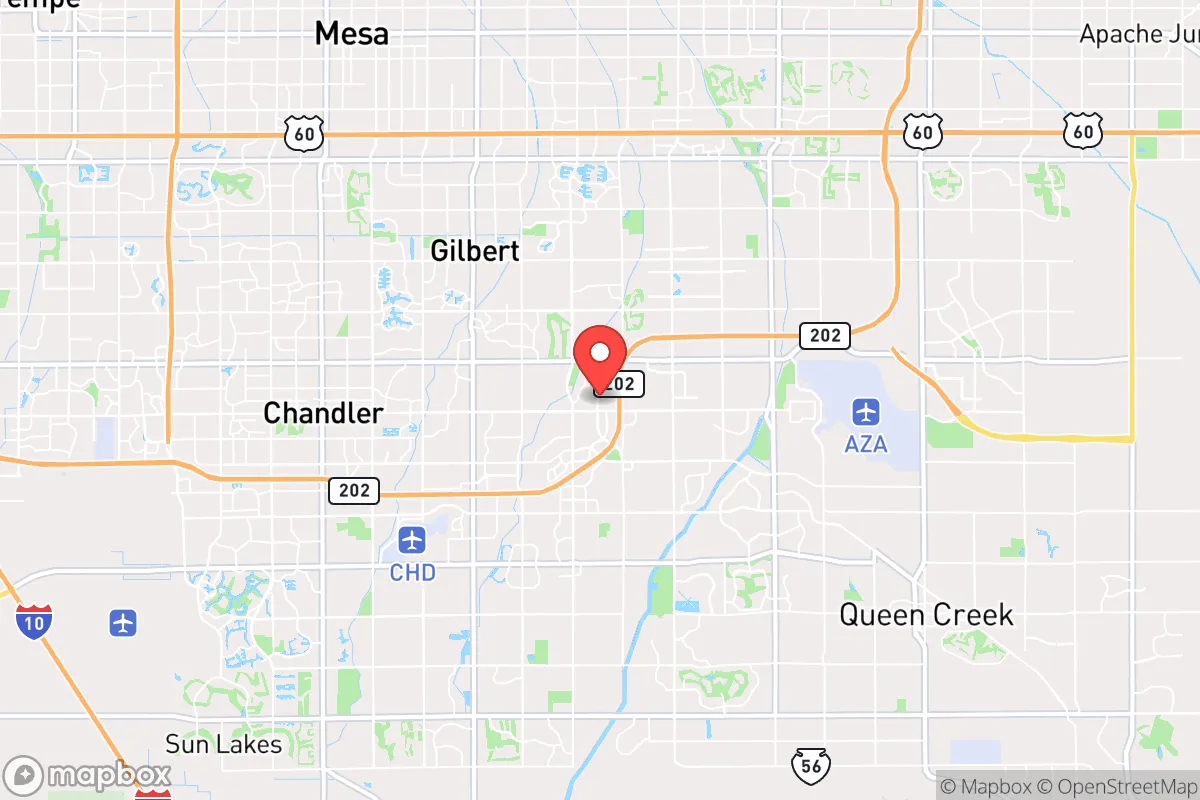
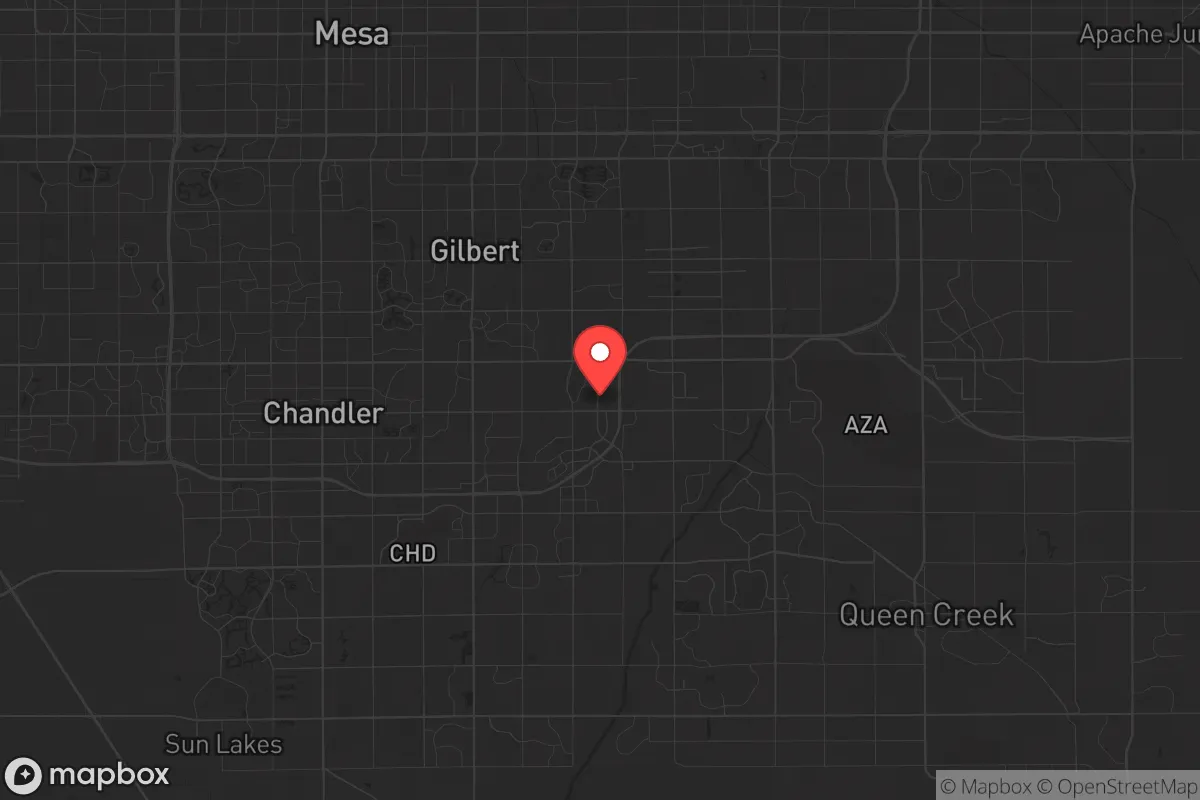
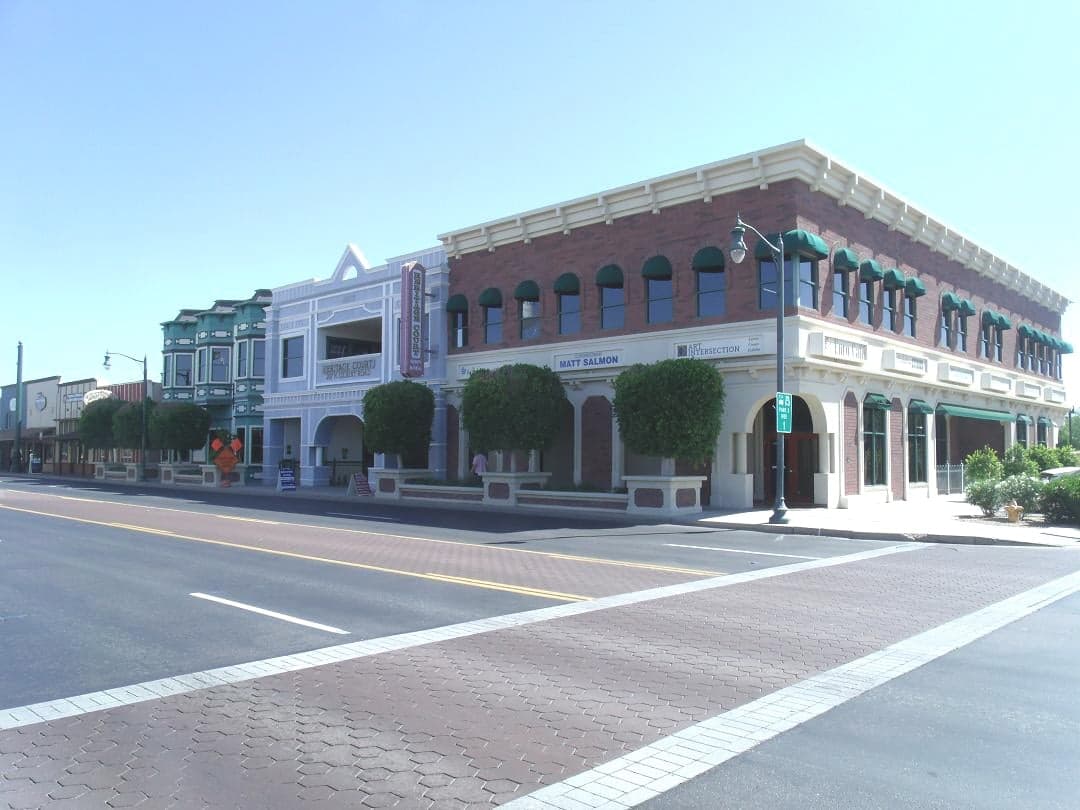
Photo: Wikipedia
Political ClimatePolitical Climate in Gilbert, AZ
District shown is the primary district for this city’s centroid. Cities may span multiple districts.
Local Political AnalysisPolitical Analysis of Gilbert, AZ
Gilbert has long been a rock-solid conservative stronghold, and for good reason. With a Cook PVI of R+10, this town has historically been a place where folks value personal responsibility, limited government, and the freedom to live life without a bunch of bureaucratic nonsense getting in the way. But I've been here long enough to see the winds starting to shift, and it's something worth keeping an eye on. The core of Gilbert is still deeply red, but as more people pour in from places like California and Illinois, you're starting to see some of that progressive ideology creep into local conversations, especially around land use and school board policies. It's not a crisis yet, but it's a trend that has a lot of us longtime residents paying close attention.
How it compares
When you stack Gilbert up against its neighbors, the contrast is pretty telling. Head south to Chandler or west to Tempe, and you'll find a much more purple-to-blue vibe, with those cities leaning into bigger government programs and more restrictive zoning. Gilbert, on the other hand, has held the line, keeping taxes relatively low and pushing back on state-level mandates that feel like overreach. Compare it to a place like Mesa, which is also conservative but has a more established, older population, Gilbert feels younger and more energetic, but still fiercely protective of its Second Amendment rights and property freedoms. The real worry for me is that as the city grows, the new arrivals don't always share that same distrust of government meddling. They see a "solution" in more regulations, more fees, and more oversight, which is exactly the kind of thing that erodes the personal freedoms we moved here to enjoy.
What this means for residents
For the average person living here, the political climate means you still have a lot of breathing room. You're not dealing with the kind of heavy-handed HOA-style governance you see in some other suburbs, and the local council has generally been good about keeping business regulations light. But here's the thing: the school board elections have become a battleground. That's where the progressive push is most visible, with some candidates trying to bring in curriculum changes and policies that feel like they're straight out of a coastal playbook. If you're a parent, you need to be paying attention to those local races, because that's where the rubber meets the road on issues like parental rights and what your kids are being taught. The good news is that the conservative base here is still strong and organized, so it's not a lost cause. But it's a constant fight, and complacency is the enemy.
One of the biggest cultural distinctions in Gilbert is the strong sense of community self-reliance. People here don't look to the government to solve their problems; they form neighborhood groups, church networks, and local charities. That's the kind of freedom that's worth protecting. The long-term trajectory depends on whether the city can maintain its character as a place where government stays out of your business. If the progressive influence continues to grow, I worry we'll see more overreach—like stricter noise ordinances, more fees for small businesses, and pressure to adopt state-level housing mandates that strip local control. For now, Gilbert is still a great place to raise a family if you value your rights, but you've got to stay engaged. Don't let the newcomers change what made this town special in the first place.

State Political ClimatePolitical Climate in Arizona
State Political AnalysisPolitical Environment in the State
Arizona has shifted from a reliably Republican stronghold to a genuine battleground state over the past two decades, with its current political climate defined by a razor-thin partisan split. The state voted for Joe Biden by just 10,457 votes in 2020, and in 2024, Donald Trump carried it by roughly 5.5 points, signaling a volatile, up-for-grabs environment. The dominant coalition is no longer the old-guard GOP of Barry Goldwater and John McCain; it’s now a three-way tug-of-war between fast-growing suburban moderates, rural conservatives, and a rapidly expanding Latino electorate that leans left but is far from monolithic. If you’re looking at Arizona as a potential home, you need to understand that the political ground is shifting under your feet—and the direction depends heavily on which part of the state you land in.
Urban vs. rural divide
The political map of Arizona is a tale of two landscapes. Maricopa County, home to Phoenix and its sprawling suburbs, is the decisive battleground—it holds about 60% of the state’s population and has swung from deep red to purple. In 2020, Biden won Maricopa by about 2 points, but in 2024, Trump flipped it back by a similar margin, driven by strong turnout in places like Mesa, Chandler, and Gilbert, where conservative families and LDS voters remain influential. Meanwhile, Pima County, anchored by Tucson, is a Democratic stronghold that votes blue by double digits, fueled by the university population and a growing progressive base. The rural counties—Yavapai (Prescott), Mohave (Lake Havasu City), and Cochise (Sierra Vista)—vote Republican by 20-30 points, while the Navajo Nation and Apache County in the northeast are reliably Democratic. The real story is the exurbs: places like Buckeye and Maricopa (the city) are exploding with new housing and new voters, many of whom are fleeing California and bringing a mix of libertarian-leaning and conservative values. That’s where the future of Arizona’s political identity is being built.
Policy environment
Arizona’s policy landscape is a mixed bag for conservatives. On the plus side, the state has a flat income tax rate of 2.5% as of 2023, down from 4.5% in 2020, thanks to Republican-led tax cuts. There’s no estate tax, and property taxes are relatively low—around 0.62% of assessed value, well below the national average. The regulatory environment is business-friendly, with right-to-work laws and minimal red tape for small businesses. However, education policy is a flashpoint: the state has a robust school choice system, including Empowerment Scholarship Accounts (ESAs) that let parents use public funds for private or homeschool expenses, but the public school system ranks near the bottom nationally in funding per pupil. Healthcare is a mixed bag—Arizona expanded Medicaid under the Affordable Care Act, which many conservatives view as government overreach, but the state also has a strong network of private options. Election laws have been a battleground: in 2022, the legislature passed a voter ID law for mail-in ballots, but the state still has no-excuse early voting and a permanent early voting list, which some conservatives argue opens the door to fraud. The bottom line: Arizona offers low taxes and school choice, but you’ll need to navigate a public education system that’s underfunded and a healthcare landscape that’s heavily regulated.
Trajectory & freedom
On personal liberty, Arizona is a mixed story trending in a concerning direction. The state has strong gun rights—constitutional carry was signed into law in 2010, and there are no state-level magazine bans or red flag laws. However, in 2024, the legislature passed a law requiring background checks on private firearm sales at gun shows, a small but notable encroachment. Parental rights are a bright spot: the state passed a Parents’ Bill of Rights in 2023, requiring schools to notify parents about curriculum changes and medical services. Medical freedom took a hit during COVID—Governor Doug Ducey imposed lockdowns and mask mandates in 2020, but the state has since banned vaccine passports and prohibited employers from mandating COVID-19 vaccines as a condition of employment. Property rights are generally strong, with no statewide rent control, but local governments in Tucson and Phoenix have imposed zoning restrictions that limit housing supply. The biggest freedom concern is the growing influence of progressive prosecutors in Maricopa County—Rachel Mitchell, the Republican county attorney, has faced criticism from the right for being too lenient on certain crimes, while Tucson’s Democratic prosecutor has a reputation for non-prosecution of low-level offenses. If you value maximum personal liberty, Arizona is still better than California or New York, but the trend line is not your friend.
Civil unrest & political movements
Arizona has seen its share of political flashpoints. The 2020 election aftermath was intense: protesters gathered at the state capitol in Phoenix for weeks, with dueling rallies from Trump supporters and left-wing groups like Antifa. The “Stop the Steal” movement was particularly strong in Maricopa County, where the audit of the 2020 election results (the “Cyber Ninjas” audit) became a national spectacle. Immigration politics are a constant undercurrent—the state passed SB 1070 in 2010, the “show me your papers” law, which was largely upheld by the Supreme Court, but the Biden administration’s border policies have led to a surge in crossings in places like Yuma and Nogales. In 2024, the state legislature passed a bill allowing local police to enforce federal immigration laws, which was immediately challenged in court. On the left, groups like LUCHA (Living United for Change in Arizona) have been active in pushing for higher minimum wages and expanded voting access. The most visible flashpoint for a new resident would be the border situation—you’ll see news coverage of migrant encampments and border patrol activity, especially if you’re in southern Arizona. Election integrity remains a hot-button issue, with ongoing debates about ballot drop boxes and signature verification.
Projection
Over the next 5-10 years, Arizona is likely to become more competitive and more purple, with a slight rightward tilt if current migration patterns hold. The state is adding about 100,000 new residents per year, many from California and other blue states, and these newcomers tend to be moderate-to-conservative on economic issues but more libertarian on social issues. The Latino population, which is about 32% of the state, is growing rapidly, but it’s not a monolith—many Latino voters in places like Yuma and San Luis are Catholic and socially conservative, and they’ve been trending toward the GOP in recent cycles. The Republican Party is undergoing an internal struggle between the old McCain wing and the Trump-aligned populist wing, which could lead to messy primaries but a more energized base. The biggest wildcard is the border: if the federal government continues to fail on immigration enforcement, expect Arizona to pass more state-level enforcement laws and for the issue to dominate every election. For a conservative moving in now, expect to live in a state where your vote matters more than almost anywhere else, but also one where you’ll need to stay engaged to protect the gains made on taxes, school choice, and gun rights.
Bottom line for a new resident: Arizona offers low taxes, school choice, and a strong gun culture, but you’re moving into a battleground state where every election is a knife fight. If you settle in the Phoenix exurbs like Buckeye or Maricopa, you’ll be in a growing conservative enclave. If you choose Tucson or central Phoenix, you’ll be in blue territory. The state is trending toward a libertarian-leaning conservatism, but you’ll need to stay politically active to keep it that way. The border crisis and election integrity debates aren’t going away—they’re part of daily life here. Come for the weather and the low taxes, but be ready to fight for the freedom you find.
* Values derived from national, state, county, city and local statistics and may differ in a specific area. Last updated: 2026-04-16T00:47:20.000Z
Narrative content on this page is AI-generated and may contain mistakes. Verify any details that matter before acting on them.
ReloMaps may earn a commission from affiliate links at no extra cost to you.

