Photo: Wikipedia
Find The Best Places To Live
in Glendale
PRO TIP! You can paste a Zillow or Redfin link to get info on that property.
What It's Like Living in Glendale, CA
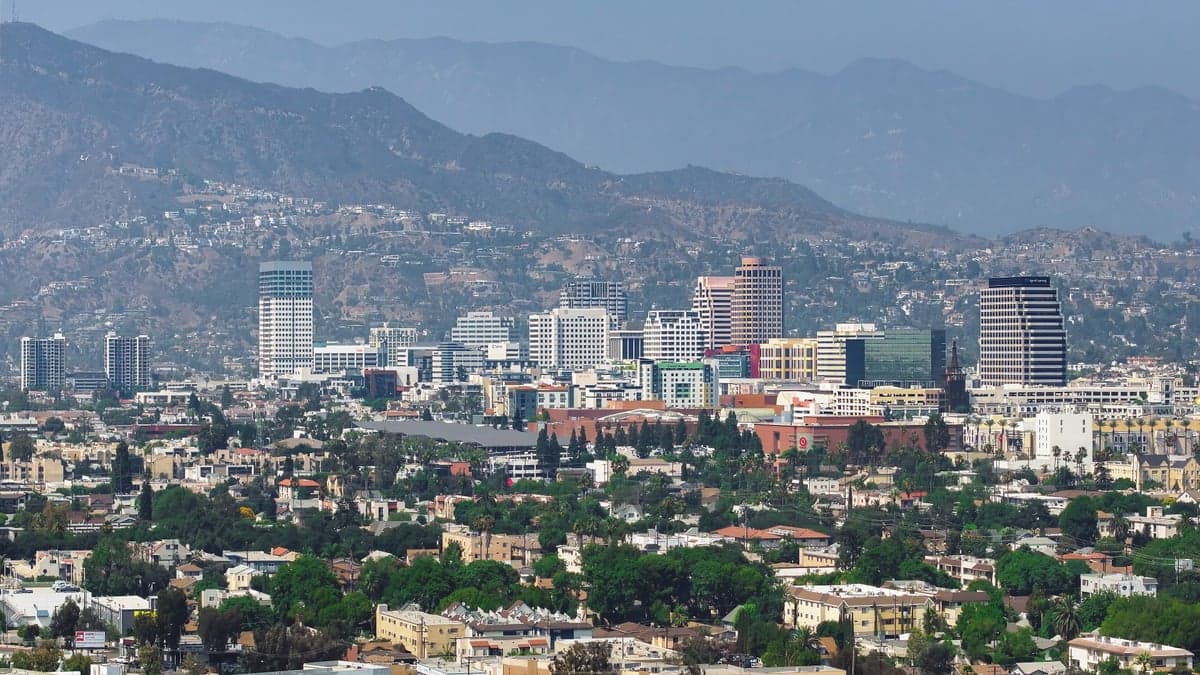
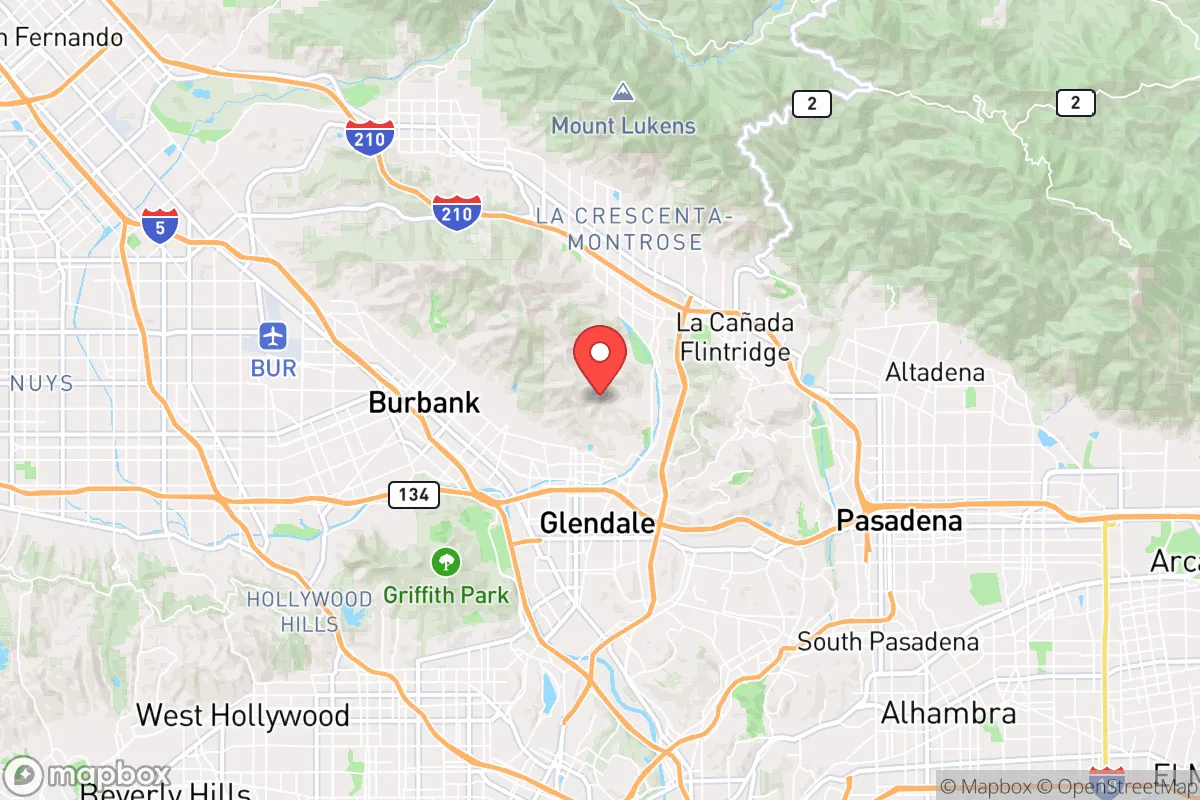
Glendale is a dense, self-contained city of about 192,000 people that feels less like a suburb of Los Angeles and more like its own small metropolis, complete with a strong Armenian cultural identity, a surprisingly walkable downtown core, and a pace of life that’s noticeably slower than neighboring Hollywood or downtown LA. It’s the kind of place where you can live for years without needing to cross into Los Angeles city limits for anything—work, school, groceries, or entertainment—and many residents do exactly that. The city’s identity is shaped by its large Armenian-American community, its foothill geography at the base of the Verdugo Mountains, and a practical, family-first attitude that sets it apart from the trendier parts of the LA basin.
The Daily Rhythm: Walkable Pockets and Car-Dependent Reality
For a city with a median age of 41.4 and a median household income of $84,262, Glendale’s daily life revolves heavily around the Brand Boulevard corridor and the Americana at Brand, an outdoor shopping complex that functions as the city’s de facto town square. On weekends, you’ll see families pushing strollers past the fountains, teenagers hanging out by the escalators, and older couples grabbing coffee at the outdoor seating areas. The city’s cost of living index of 256 (more than double the national average) means that most people are spending a significant chunk of their income on housing—the median home value sits at $1,043,900—so the average commute of about 27 minutes is a practical necessity rather than a lifestyle choice. Traffic on the 134 and 5 freeways is a daily reality, but it’s generally less soul-crushing than what you’d face deeper into LA County. Locals tend to cluster their errands in the morning or late evening to avoid the worst congestion.
Sports, Community, and the Local Identity
Glendale isn’t a sports-crazed town in the way that, say, Green Bay or even Pasadena is, but it does have a few distinct athletic touchpoints. High school football at Glendale High and Hoover High draws decent crowds on Friday nights, especially when the two schools play each other in the annual “Battle for the Victory Bell” game—that’s a genuine community event that brings out alumni and families. On the professional side, the city is home to the Los Angeles Kings’ practice facility (the Toyota Sports Performance Center in nearby El Segundo is actually the main one, but Glendale has its own ice rink at the Glendale Sports Complex where youth hockey thrives). The biggest sports draw, however, is the Los Angeles Angels of Anaheim’s minor league affiliate? No—that’s not here. What Glendale does have is the Glendale Sports Complex, a massive 132-acre park with soccer fields, baseball diamonds, and a skate park that’s packed on weekends with youth leagues and pickup games. For a city that’s 45.5% college-educated, the sports culture is more participatory than spectator-oriented—people here play, coach, and watch their kids play more than they follow pro teams.
What’s There to Do: Festivals, Parks, and the Armenian Influence
Glendale’s entertainment scene is shaped by two forces: its geography and its cultural makeup. The Verdugo Mountains provide immediate access to hiking trails like the Brand Park Trail and the Beaudry Loop, which offer sweeping views of the San Fernando Valley and downtown LA—a popular weekend activity for locals who want to escape the urban density without driving an hour. The city’s most distinctive cultural event is the Glendale Armenian Festival, held annually at the Alex Theatre, which draws tens of thousands for food, music, and dance. The Alex Theatre itself is a historic 1920s movie palace that now hosts concerts, comedy shows, and film screenings, and it’s one of the few venues in the area that feels genuinely historic rather than corporate. For food, the Raffi’s Place and Carousel Restaurant are local institutions for Persian and Armenian cuisine, and the Glendale Farmers Market on Sundays at the Pacific Community Center is a serious gathering spot for produce, prepared foods, and live music. The Glendale Galleria and Americana at Brand together form one of the largest retail concentrations in Southern California, so shopping is a major weekend activity for many residents.
Pros and Cons of Living Here
Longtime residents love the convenience and self-sufficiency of Glendale—you don’t need to leave for anything, and the city’s services (parks, libraries, police) are generally well-funded and responsive. The violent crime rate of 234.6 per 100,000 is lower than Los Angeles city’s rate (which hovers around 600-700), and property crime is similarly manageable, though car break-ins and package thefts are common complaints in the denser apartment neighborhoods. The biggest frustrations are traffic on Brand Boulevard during peak hours and the cost of housing—a median home value over a million dollars means that many renters (and even some buyers) feel priced out of homeownership despite decent incomes. The school system is a mixed bag: Glendale Unified is generally rated above average for California, but the best schools (like Hoover High’s magnet program) are competitive, and some elementary schools struggle with overcrowding. The summer heat is real—temperatures regularly hit the 90s from June through September, and the lack of ocean breeze means it can feel oppressive, though the foothills offer some relief. The cultural identity is a pro for those who appreciate the strong Armenian community (which brings incredible food, festivals, and a sense of tradition) but can feel insular for newcomers who don’t speak Armenian or share that background. Overall, Glendale works best for families and single professionals who want a stable, self-contained urban environment with good amenities, reasonable safety, and a slower pace than central LA—provided they can afford the housing and tolerate the traffic.

Similar small cities to Glendale
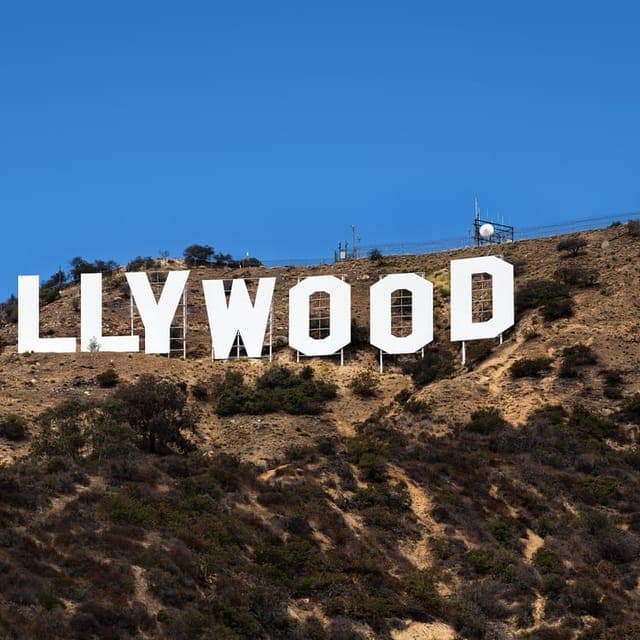
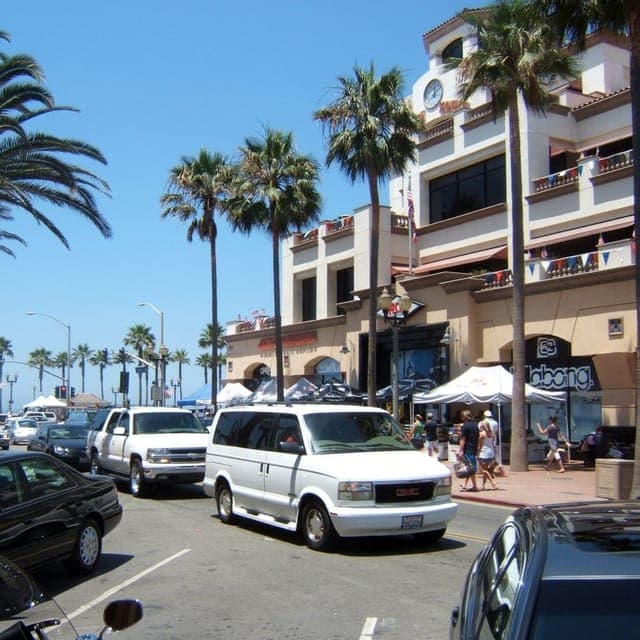
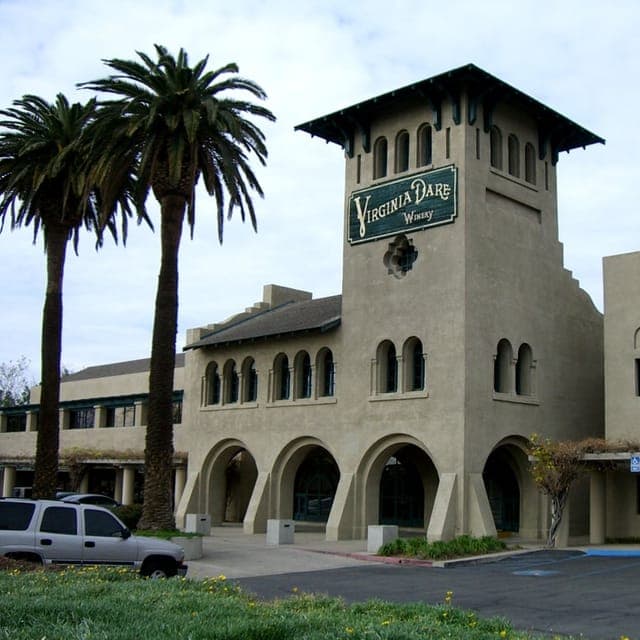
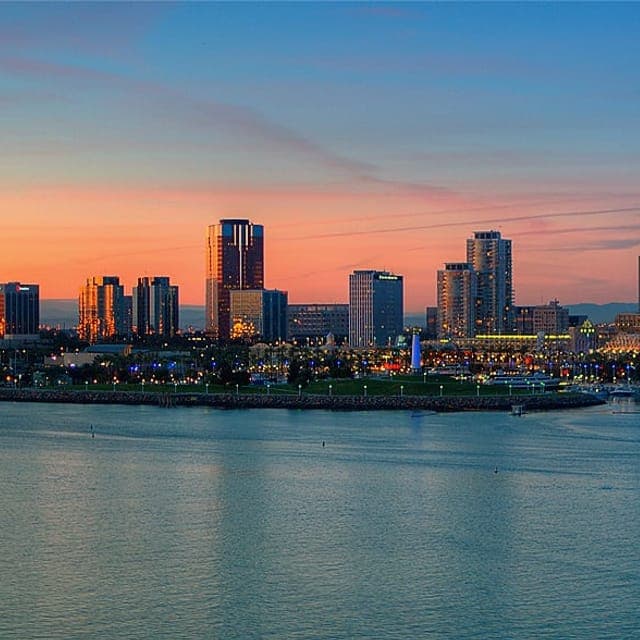
* Values derived from national, state, county, city and local statistics and may differ in a specific area. Last updated: 2026-04-24T19:34:03.000Z
Narrative content on this page is AI-generated and may contain mistakes. Verify any details that matter before acting on them.
ReloMaps may earn a commission from affiliate links at no extra cost to you.

