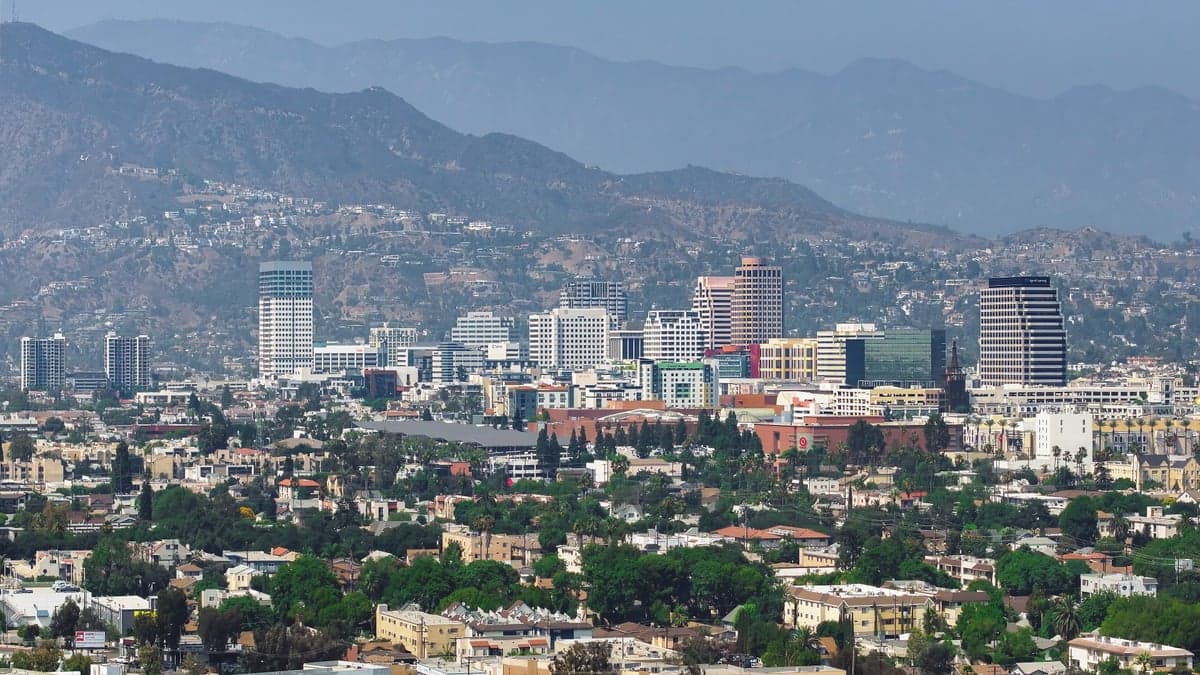
Photo: Wikipedia
Quality of Life in Glendale, CA
A high quality of life with strong walkability, manageable living costs, healthy neighborhood signals, and solid amenity access.
What does Quality of Life tell us?
Quality of Life blends cost of living, nearby amenities, socioeconomic signals, and neighborhood character. City-level scores represent the whole municipality; individual neighborhoods can differ.
What does this tell us?
Quality of Life blends cost of living, nearby amenities, socioeconomic signals, and neighborhood character. City-level scores represent the whole municipality; individual neighborhoods can differ.
Cost of Living
156% above national average
The Real Cost of Living in Glendale, CA for 2026
| Tier | Individual | Family (4) |
|---|---|---|
| Survival | $33k | $63k |
| Comfortable | $118k | $173k |
| Luxury | $152k+ | $236k+ |
| Elite (Top 5%) | $203k+ | $315k+ |
49%
The Area Signal
A metric tracking the socioeconomic signals of the area.
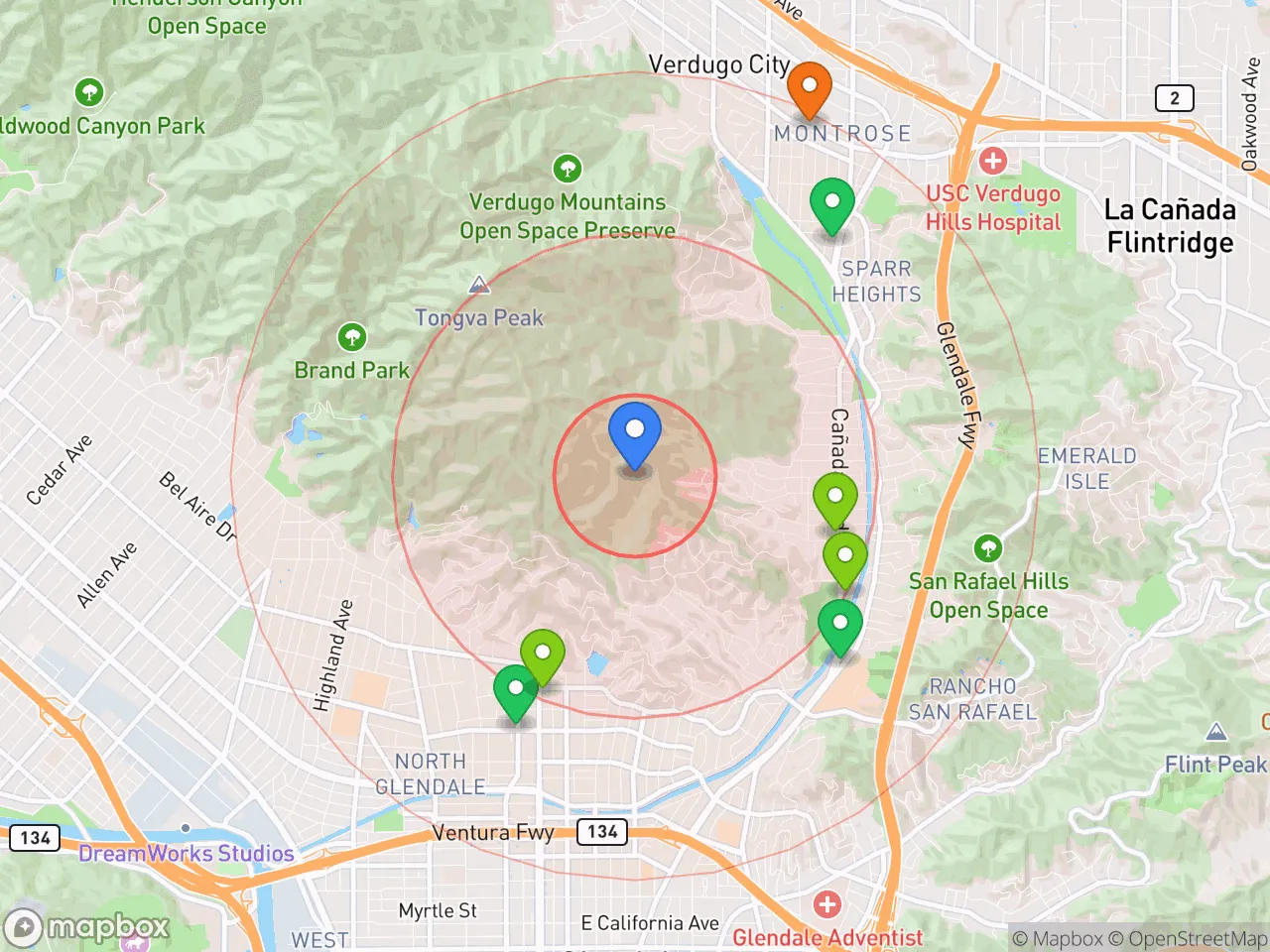
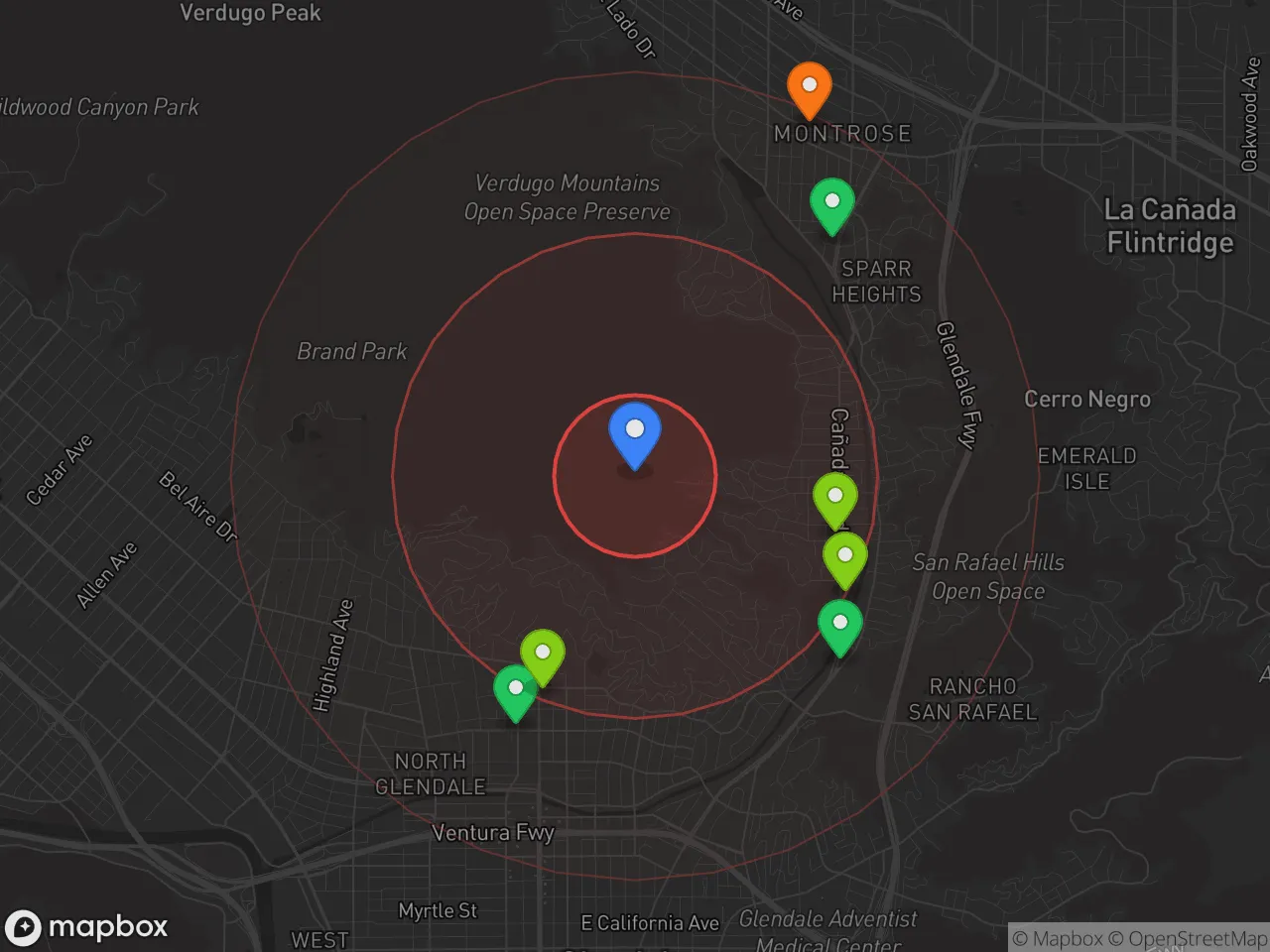
Hobbies
Explore the areaGroceries
0 within 10 miles
Gas
0 within 10 miles
Hospital
0 within 20 miles
Airport
SAN — San Gabriel Valley
Post Office
Critical Amenities
Quality-of-Life Analysis
Glendale, California, presents a quality of life defined by its position as an affluent, family-oriented suburb of Los Angeles, attracting a mix of professionals, creatives, and long-established Armenian-American and Latino communities. With a cost of living index of 256—more than two and a half times the national average—the city demands a high income to sustain its lifestyle, yet it offers a distinct blend of urban convenience and suburban calm that sets it apart from pricier neighbors like Burbank or Pasadena. The typical resident is a homeowner or long-term renter who values walkable neighborhoods, strong public schools, and proximity to both downtown LA and the San Gabriel Mountains.
Cost of living, housing affordability, and how Glendale compares to nearby cities
Glendale’s housing market is the primary driver of its high cost of living, with a median home value of $1,043,900—roughly 2.5 times the national median—and a median rent of $2,095 per month. While this rent figure is steep, it is notably lower than the Los Angeles citywide median of around $2,800, making Glendale a relative bargain for renters seeking a safer, quieter environment. Homebuyers face stiff competition, with prices comparable to Burbank but slightly below Pasadena’s median of $1.2 million. The average commute of 27.3 minutes is shorter than the LA County average of 30 minutes, a meaningful advantage for workers employed in Glendale’s own robust job centers—such as the DreamWorks Animation campus and Glendale Adventist Medical Center—or those commuting to downtown LA via the Metro 90 bus or the 5 Freeway. Property taxes, capped by Proposition 13, offer some relief for long-term owners, but new buyers face the full burden of a 1.2% base rate plus local assessments, adding roughly $12,500 annually on a median-priced home.
What daily life is like for families: amenities, schools, and neighborhood character
Daily life in Glendale revolves around its well-regarded Glendale Unified School District, which includes top-performing schools like Clark Magnet High School (ranked in the top 5% of California high schools) and Franklin Elementary, both drawing families from across the region. The city’s 44 parks, including the sprawling 800-acre Deukmejian Wilderness Park, provide hiking trails and picnic spots that contrast with the dense urban core. The Americana at Brand and Glendale Galleria serve as central retail and dining hubs, offering a walkable, upscale experience that rivals The Grove in LA. For daily errands, the Brand Boulevard corridor is lined with independent bakeries, Armenian markets, and coffee shops, giving the city a distinct cultural rhythm. Traffic on major arteries like Colorado Street and the 134 Freeway can be heavy during peak hours, but the city’s compact layout—roughly 10 square miles—makes many destinations accessible by bike or on foot for those living near downtown. Public safety is a priority, with Glendale Police Department maintaining a response time under 5 minutes for emergencies, contributing to a crime rate that is 35% lower than the national average for cities of its size.
Glendale is best suited for professionals and families who prioritize strong schools, walkable amenities, and a lower-crime environment over the nightlife and cultural chaos of central Los Angeles. Those earning above $120,000 annually will find the cost manageable, while renters on a tighter budget may struggle unless they secure rent-controlled units in older buildings. The city’s strong sense of community—evident in events like the annual Glendale Cruise Night and the Fourth of July fireworks at Verdugo Park—makes it a place where residents often stay for decades, trading the excitement of LA for a stable, family-centric quality of life.

Crime in Glendale, CA
Generally safer than 62% of comparable U.S. locations.
Violent CrimeViolent Crime Analysis
Property CrimeProperty Crime Analysis
Crime Analysis
Glendale, California, presents a mixed safety profile for potential residents. The city's violent crime rate of 234.6 incidents per 100,000 residents is notably lower than the national average, but its property crime rate of 1,903.7 per 100,000 significantly exceeds both state and national benchmarks. This disparity means that while the risk of a violent encounter is relatively contained, the likelihood of experiencing theft, burglary, or vehicle break-ins is a tangible concern for daily life in this Los Angeles County suburb.
Crime in context
When compared to broader averages, Glendale's violent crime rate sits well below the U.S. rate of approximately 380 per 100,000 and is also lower than California's statewide figure. This is a positive data point for those concerned about personal safety. However, the property crime picture is starkly different. Glendale's rate is roughly 40% higher than the national average and significantly above the California average, placing it in a higher-risk tier for non-violent offenses. This pattern is common in dense, affluent suburbs of major metro areas, where opportunistic property crime is more prevalent. A critical factor for readers to weigh is the broader Los Angeles County justice environment. The area is known for progressive district attorneys and judges who often prioritize diversion programs and reduced sentencing over incarceration. While intended to reduce recidivism, this ideological approach can result in repeat property offenders cycling quickly back onto the streets, directly undermining public safety and victim justice. Residents should understand that the low violent crime numbers do not insulate them from the consequences of a lenient regional justice system.
What residents experience
For those living in Glendale, the most common safety issue is property crime. Car burglaries, package thefts from porches, and smash-and-grab incidents from parked vehicles are frequent complaints in neighborhood forums and local news. The city's dense commercial corridors, like the Galleria area and Brand Boulevard, are particular hotspots for these crimes. Violent crime, while less common, is not absent and tends to be concentrated in specific areas, often related to gang activity or domestic disputes rather than random attacks on the public. The presence of the Glendale Police Department is visible, and the city funds its own force (not contracting with the Sheriff), which allows for some local responsiveness. However, the effectiveness of local policing is often hamstrung by county-level prosecutorial policies that deprioritize property crime charges.
Neighborhood-level variation is significant. The hillside areas of north Glendale and the gated communities near the Verdugo Mountains generally report lower crime rates, benefiting from natural surveillance and higher property values. In contrast, the flatter, more urbanized areas near the 5 and 134 freeway interchanges, particularly around the downtown core and the southern edge bordering Atwater Village, experience higher property crime volumes. Prospective renters and buyers should specifically examine crime maps for the block-level data on auto burglaries and thefts, as these are the most likely safety issues they will encounter. The overall safety picture in Glendale is one of caution: a relatively safe city for violent crime, but one where property crime is a persistent, daily reality shaped by a regional justice philosophy that residents should view with concern.
* Values derived from national, state, county, city and local statistics and may differ in a specific area. Last updated: 2026-04-24T19:34:03.000Z
Narrative content on this page is AI-generated and may contain mistakes. Verify any details that matter before acting on them.
ReloMaps may earn a commission from affiliate links at no extra cost to you.

